Difference Between Rub and Seasoning: Flavor, Use & Benefits
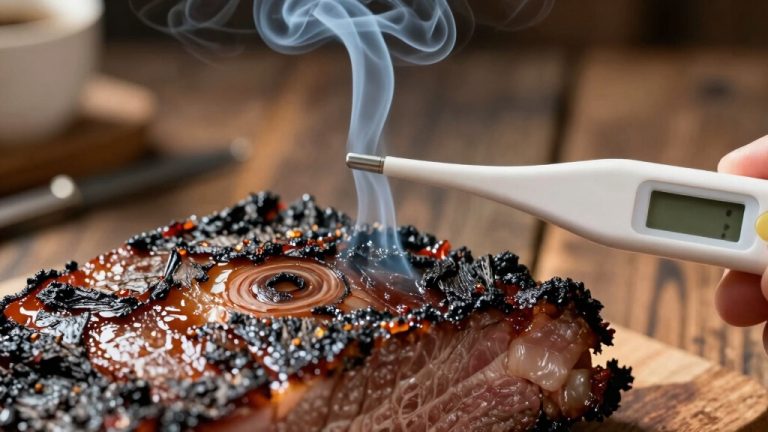
You’ll use a BBQ rub when you want to create a caramelized, textured crust on meat. Rubs contain coarse sugar and salt that promote bark formation through caramelization and Maillard reactions.
Seasonings, by contrast, have finer powders with higher salt and minimal sugar. They are designed to evenly enhance flavor without changing texture.
Rubs are applied before cooking; seasonings can be used anytime. Understanding these differences helps you decide how to best flavor your dishes and control texture.
Key Takeaways
- Rubs have a coarse texture with equal parts salt and sugar, creating a caramelized crust on meats during grilling or smoking.
- Seasonings are finer, powdery blends with higher salt and minimal sugar, used to evenly enhance flavor without altering texture.
- Rubs are applied before cooking and pressed firmly to form a bark, while seasonings can be applied anytime, including during or after cooking.
- Rubs promote Maillard reactions and moisture retention for juicy, flavorful crusts; seasonings dissolve to distribute flavor uniformly in sauces and dishes.
- Rubs contain granular sugar and salt for caramelization, whereas seasonings focus on salt and savory spices with little to no sugar for versatility.
What Is BBQ Seasoning and How Is It Used?

BBQ seasoning is a carefully blended mixture of spices and herbs designed to enhance the flavor profile of various dishes through sprinkling or marinating.
BBQ seasoning combines spices and herbs to elevate the flavors of dishes through simple sprinkling or marinating.
When you use BBQ seasoning, you rely on a finer, powdery consistency that guarantees even dissolution and integration into your dish.
Unlike rubs, which emphasize texture and crust formation, seasonings prioritize flavor enhancement throughout cooking stages.
You can apply them before, during, or after cooking to adjust taste precisely.
Their composition often focuses on salt and herbs with minimal sugar, making them versatile for a range of foods beyond meat, such as vegetables and nuts.
Analytical studies show that this approach maximizes flavor diffusion without altering texture, guaranteeing a balanced taste experience across diverse culinary applications.
Additionally, seasonings typically lack the coarse components like black pepper and mustard powder found in rubs that contribute to bark formation and texture.
What Is a BBQ Rub and Why Use It?
A BBQ rub is basically a mix of salt, sugar, spices, and herbs, all blended together in a coarse way. When you slather it on your meat before grilling or smoking, it does some pretty amazing things. Not only does it amp up the flavor, but it also helps lock in moisture, giving you that juicy goodness we all love. Plus, it creates a nice caramelized bark on the outside that’s just irresistible.
Getting to know what goes into a BBQ rub can really help you up your game in the kitchen. By understanding the balance of flavors and textures, you can make your BBQ dishes even more delicious. So, next time you fire up the grill, think about that rub and how it can take your meat to the next level! Applying a spice rub containing sugar, salt, and spices over a mustard binder just before cooking is key to promoting crust development and enhancing flavor.
Rub Composition Essentials
Releasing the full potential of grilled meats relies heavily on the composition of a rub, which combines salt, sugar, spices, and herbs in balanced proportions to create a crust that enhances flavor and texture.
You’ll find rubs typically contain equal parts salt and sugar, essential for moisture retention and caramelization.
Spices and herbs add complexity, while their coarser granules help form a flavorful bark.
This granular texture contrasts with finer seasonings, enabling the rub to seal in juices during cooking.
The dry ingredients are carefully measured to optimize taste without overwhelming the meat.
In addition, certain spice components like mustard can improve moisture retention, helping maintain juiciness and texture during cooking and storage.
Benefits Of Using Rub
Enhancing your grilled meats starts with applying a well-formulated rub, which not only intensifies flavor but also creates a desirable crust essential for texture and moisture retention.
When you use a rub, the coarse sugar and salt blend promotes caramelization, forming a bark that seals in juices during cooking.
This crust enhances mouthfeel by adding a contrasting texture to tender meat.
Additionally, rubs facilitate deep flavor penetration, as their granular composition adheres firmly to the meat surface, allowing spices and herbs to infuse during grilling or smoking.
Unlike fine seasonings, rubs withstand high heat without dissipating, ensuring sustained flavor impact.
Applying the rub firmly and evenly, and allowing it to rest on the meat for at least 30 minutes, helps maximize flavor absorption and tenderization before cooking.
Ingredient Differences in BBQ Rubs and Seasonings
When you dive into the world of BBQ rubs and seasonings, you’ll quickly spot some key differences in their ingredient ratios. It’s all about that balance!
Rubs usually keep a pretty equal ratio of salt and sugar, which helps create that delicious, flavorful crust we’re all after. On the other hand, seasonings tend to lean more towards salt and herbs, often with little to no sugar involved. Seasonings often include granulated garlic and onion powder to enhance savory depth and complexity.
Composition Variations Explained
Although both BBQ rubs and seasonings rely on dried herbs and spices, their ingredient compositions differ markedly to serve distinct culinary purposes.
When you examine their makeup, you’ll find key differences:
- Rubs combine salt, sugar, herbs, and spices in roughly equal proportions to create a crust. Seasonings focus primarily on salt and herbs without heavy sugar.
- Rubs include granular ingredients to form texture. Seasonings use finer powders for even distribution.
- Dry rubs consist solely of dry components. Wet rubs incorporate liquids like oil or vinegar for adhesion.
- Seasonings often contain single plant-derived ingredients or simpler blends for versatile use beyond meat.
Understanding these variations helps you select the right blend for flavor intensity and texture in BBQ cooking. Proper application and monitoring, such as using leave-in probes, ensure flavor development and cooking precision.
Sugar And Salt Ratios
A balanced ratio of sugar to salt plays an essential role in distinguishing BBQ rubs from seasonings.
When you apply a BBQ rub, you’ll typically find an equal ratio of sugar to salt, which is indispensable for developing a caramelized crust or bark on grilled meats.
This balance promotes Maillard reactions, enhancing flavor and texture.
In contrast, seasonings usually contain minimal to no sugar, focusing primarily on salt and herbs for flavor enhancement without the crust formation.
Because seasonings are designed for versatility across dishes, they avoid high sugar content to prevent unwanted sweetness.
Understanding these ingredient ratios helps you select the right blend.
Use rubs with balanced sugar and salt for grilling, and lean on salt-forward seasonings when you want to enhance flavor without altering texture or sweetness.
Seasoning with the right salt levels is also crucial to avoid dehydration and maintain moisture during overnight preparation, ensuring optimal flavor and texture. salt control
How Rub and Seasoning Texture Affects Flavor and Cooking?
Because rubs have a coarser, granular texture, they create a distinct crust that enhances both flavor and moisture retention during cooking, especially in grilling or smoking.
This texture contrasts with the finer, powdery consistency of seasonings, affecting how each interacts with food.
Consider these points:
- Rub granules form a bark by caramelizing sugars and sealing juices, intensifying flavor.
- Coarse particles provide a tactile crunch, adding to mouthfeel and sensory appeal.
- Fine seasonings dissolve quickly, distributing flavor evenly without altering texture.
- Seasonings’ powdery texture suits integration into sauces and dishes requiring uniform taste.
Understanding these differences helps you optimize flavor and texture based on cooking method and desired outcome. Spritzing during cooking can enhance the bark development created by rubs, improving both texture and flavor.
Choosing Between BBQ Rub and Seasoning
Select the appropriate BBQ rub or seasoning by evaluating your cooking goals and the food you’re preparing.
If you aim to create a caramelized crust on meats like brisket or meat through grilling or smoking, a rub’s coarse texture and balanced salt-sugar ratio will best achieve moisture retention and bark formation.
Conversely, if you want to enhance overall flavor without altering texture, such as for vegetables, sauces, or stews, a finer seasoning blend is more suitable due to its even dissolution and versatility.
Consider also application timing: rubs require pre-cooking application for flavor penetration, while seasonings can be added at any stage.
When choosing rubs for brisket, understanding the fat marbling can help tailor the rub composition to complement the meat’s juiciness and tenderness.
How to Apply BBQ Rubs for Maximum Flavor and Crust?
Maximize flavor and crust development by applying BBQ rubs with deliberate technique and timing. First, lightly oil the meat surface; this helps the coarse rub granules adhere evenly, essential for crust formation.
Next, press the rub firmly but evenly to guarantee deep flavor penetration and seal moisture. Timing matters: apply the rub at least 30 minutes before cooking to allow salt and sugar to interact with the meat proteins, enhancing caramelization.
Finally, avoid over-salting; too much salt can draw out juices excessively, compromising tenderness.
- Oil meat surface for rub adhesion
- Press rub firmly for even crust
- Apply rub 30+ minutes pre-cooking for flavor depth
- Balance salt to maintain moisture retention
Following these steps yields a flavorful, caramelized bark and moist interior. Wrapping the brisket at the stall temperature can help retain this moisture while preserving the rub’s crust and flavor intensity through controlled cooking and bark development wrapping at the stall.
How to Use BBQ Seasonings Beyond Meat?
While BBQ rubs focus on creating a textured crust on meats through coarse, granular blends, BBQ seasonings offer greater versatility beyond the grill.
You can sprinkle fine, powdery seasonings on roasted vegetables to enhance flavor evenly without overpowering texture.
They also dissolve effectively in sauces, soups, and stews, distributing aromatic compounds uniformly.
Using BBQ seasonings as a marinade ingredient allows you to infuse herbs and spices deeply into plant-based dishes or nuts.
Their lower sugar content prevents burning in delicate applications, unlike rubs.
By incorporating seasonings into dips or dressings, you add complexity without altering consistency.
This analytical understanding highlights how seasonings extend flavor enhancement beyond meat, offering multifunctional culinary benefits that rubs’ coarse texture and composition don’t provide.
Why Rubs Form a Crust and Seasonings Don’t?
Understanding why rubs form a crust while seasonings don’t hinges on their composition and texture.
The key difference between rubs and seasonings lies in their unique composition and texture.
When you apply a rub, its coarse granules physically interact with the meat’s surface under heat, creating a textured barrier.
Seasonings, being finer and powdery, dissolve without building structure.
Specifically:
- Rubs contain sugar and salt in balanced ratios that caramelize and bind during cooking.
- Their granular texture allows for moisture sealing and Maillard reactions, essential for crust formation.
- Seasonings lack sufficient sugar and coarse particles, preventing caramelized crust development.
- Rubs are pressed onto oiled meat, enhancing adhesion and even heat exposure, unlike seasonings’ loose application.
These factors combine to produce the distinct bark rubs form, a characteristic seasoning application can’t replicate.
Understanding Sugar and Salt Ratios in Rubs vs. Seasonings
Because sugar and salt play distinct roles in flavor development and texture, their ratios in rubs versus seasonings critically influence the final outcome of your dish. Rubs typically balance sugar and salt nearly equally to promote caramelization and moisture retention, forming a crust.
Seasonings, however, often have higher salt and minimal sugar, focusing on enhancing overall flavor without affecting texture.
| Component | Rubs (Ratio by Weight) | Seasonings (Ratio by Weight) |
|---|---|---|
| Salt | 40-50% | 60-70% |
| Sugar | 40-50% | 5-10% |
| Spices | 5-15% | 20-30% |
Adjusting these ratios tailors flavor intensity and textural effect to your cooking method and ingredient.
Frequently Asked Questions
Can BBQ Rubs Be Made at Home With Common Kitchen Spices?
Yes, you can easily make BBQ rubs at home using common kitchen spices like paprika, black pepper, garlic powder, onion powder, salt, and brown sugar.
Combining these creates a balanced mix of flavor, sweetness, and texture that forms a flavorful crust on meats.
Press your homemade rub generously onto oiled meat before grilling or smoking to get that signature bark and moisture seal, enhancing taste and texture effectively.
How Long Should BBQ Rubs Rest on Meat Before Cooking?
You should let BBQ rubs rest on meat for at least 30 minutes to 2 hours before cooking. This allows the salt and spices to penetrate and enhance flavor.
For deeper absorption and bark formation, resting overnight in the refrigerator is ideal. This resting time helps the rub’s sugar and salt interact with the meat, improving moisture retention and crust development during grilling or smoking.
Avoid rushing this step for best results.
Do BBQ Seasonings Lose Potency Over Time?
Yes, BBQ seasonings do lose potency over time. Studies show ground spices can lose up to 60% of their flavor within a year.
You’ll notice diminished aroma and taste as volatile oils degrade. To maintain potency, store seasonings in airtight containers away from heat and light.
Using older seasonings means your dishes won’t have the full intended flavor impact. It’s wise to refresh your stock regularly for best results.
Can Wet Rubs Be Used as Marinades?
Yes, wet rubs can be used as marinades because they contain liquids like oil or vinegar that help penetrate meat, tenderizing and adding flavor.
However, remember wet rubs often have a thicker texture than typical marinades, so you might need to adjust application time or dilute them for even coverage.
Using wet rubs as marinades also allows the spices and herbs to infuse deeply, enhancing flavor beyond surface crust formation.
Are There Health Concerns With Consuming Sugar-Heavy Rubs?
You won’t turn into a candy bar by using sugar-heavy rubs, but overdoing it can pose health risks. Excessive sugar intake may contribute to obesity, diabetes, and heart disease.
When grilling, the caramelized sugars can create harmful compounds like acrylamides. To stay safe, use rubs moderately, balance with low-sugar options, and pair with healthy sides.
Being mindful helps you enjoy flavor without unwanted health consequences.
The Final Flavor Choice: Rub or Seasoning?
When you’re deciding between a rub and a seasoning, consider how each quietly shapes your BBQ’s personality. Rubs, with their textured embrace, create that coveted crust, gently locking in flavor through carefully balanced sugar and salt.
Seasonings, lighter and more versatile, sprinkle subtle complexity without overwhelming. By understanding these nuanced roles, you’ll elevate your cooking from mere preparation to a thoughtful, deliberate craft.
Every bite tells a precise, flavorful story.