How to Clean Smoker: Simple Maintenance Tips That Work
To clean your smoker safely, wait until it cools below 115°F. Then unplug it and wear insulated gloves.
Remove ashes from the firebox, wood chip tray, and hopper to prevent buildup and rust.
Soak grates and trays in hot, soapy water. Scrub interiors with a vinegar-water mix or cleaner, then dry thoroughly.
Wipe the exterior with a gentle cleaner and polish stainless steel.
Apply a light coat of oil to prevent rust and schedule clean burns to maintain performance.
Follow these steps, and you’ll keep your smoker in top shape every use.
Key Takeaways
- Ensure the smoker is fully cooled below 115°F and unplugged before cleaning to prevent burns and electrical hazards.
- Remove and dispose of ashes safely by wrapping them in foil and soaking with water to prevent fire and dust hazards.
- Soak and scrub removable parts with hot soapy water, then dry completely to avoid rust and maintain smoker function.
- Clean interior surfaces with a 50/50 water and apple cider vinegar solution, scraping off creosote and grease gently.
- Wipe the exterior with a soft cloth and food-safe cleaner, polishing stainless steel and cleaning glass carefully to preserve appearance.
Preparing Your Smoker for Cleaning

Before you begin cleaning, make sure your smoker has completely cooled below 115°F to prevent burns and damage.
Ensure your smoker cools below 115°F before cleaning to avoid burns and damage.
First, unplug electric smokers to avoid electrical hazards.
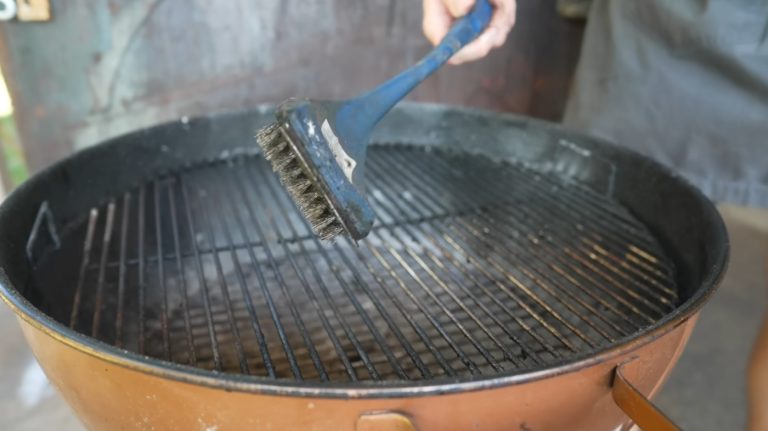
Gather essential tools: a putty knife, wire brush, scrub brush, and plenty of paper towels.
Removing ashes after every use is vital; it prevents rust and moisture buildup, which can deteriorate your smoker.
When handling ashes, wrap them in aluminum foil and soak with water for safe disposal.
Never leave ashes loose.
Avoid starting ash removal before the smoker cools to prevent injury and damage.
This preparation guarantees a safe, efficient cleaning process and extends your smoker’s lifespan.
It helps maintain peak performance and flavor integrity for your next cook.
Always wear insulated gloves and ensure a well-ventilated cleaning area to enhance safety during the process.
Removing Ashes From Different Smoker Types
Once your smoker has fully cooled down, it’s time to tackle those ashes.
Start by emptying the ashes from the firebox and wood chip tray. This helps prevent any buildup that could affect your next cook.
If you’re using a pellet smoker, don’t forget to clear out the pellet hopper, too. This step is crucial to avoid clogs and ensure everything runs smoothly.
For a thorough clean, grab a hand-held vacuum or a scraper to get rid of any lingering ash and residue.
It might feel like a chore, but a clean smoker means better flavor and a more enjoyable grilling experience!
Regular cleaning of the interior and drip pans helps prevent grease buildup and prolongs the life of your smoker.
Firebox And Wood Chip
Clear ashes promptly from the firebox, wood chip tray, and smoker body after each cook to maintain peak airflow and prevent buildup. Wait until your smoker cools below 115°F before starting.
Use a putty knife or wire brush to scrape stubborn ash and residue into the firebox bottom. For wood chip trays, remove all debris to avoid moisture retention that can cause rust.
If you have a hand-held vacuum rated for ash, use it after several cooks to remove fine particles. Always wrap cold ashes in aluminum foil and soak them with water before disposal to prevent fire hazards.
Regular ash removal prevents clogs and flare-ups, ensuring consistent smoke flow and temperature control for your next cook. To further prevent mold growth, store your smoker in a dry, ventilated area with good airflow after cleaning.
Pellet Hopper Emptying
Along with maintaining the firebox and wood chip tray, you should also focus on emptying the pellet hopper regularly to keep your pellet smoker operating smoothly.
First, make certain the smoker has cooled below 115°F and is unplugged. Open the hopper lid and remove any remaining pellets, checking for moisture or clumps that could clog the auger.
Use a brush or cloth to sweep out ash and debris inside the hopper. Avoid using water to prevent rust and pellet spoilage.
If you notice buildup on the hopper’s interior surfaces, gently scrape it off with a plastic putty knife. Regularly emptying the hopper after each smoking session prevents jams, auger motor strain, and inconsistent pellet feed.
Ultimately, this extends your smoker’s lifespan and guarantees reliable performance. The Bisquette system in Bradley smokers also reduces ash buildup, making hopper cleaning less frequent and easier.
Vacuuming And Scraping Ash
To keep your smoker functioning efficiently, you’ll want to vacuum and scrape out ash regularly from all its compartments.
After ensuring your smoker is completely cool below 115°F, start by removing ashes from the firebox, wood chip tray, or pellet hopper.
Use a putty knife or scraper to loosen stubborn ash and creosote deposits.
Then vacuum the loose ash with a hand-held vacuum designed for fine particles.
For pellet smokers, empty the hopper fully to prevent clogs.
Wrap cold ashes in aluminum foil and soak with water before disposal to avoid fire hazards.
Regularly clearing ash prevents moisture buildup and flare-ups, extending your smoker’s life.
Always unplug electric smokers before cleaning and avoid water near electrical parts for safety and longevity.
Maintaining clean components and replacing HEPA filters as recommended helps ensure proper air quality and safe operation.
Cleaning Removable Parts: Grates, Racks, and Trays
Soak your grates, racks, and drip trays in hot, soapy water or a solution like Simple Green for about five minutes to loosen stubborn grease and residue. After soaking, scrub them with a nylon pad or a BBQ scraper, focusing on crevices where grime hides.
Don’t forget to clean water bowls and rack supports using mild dish soap and warm water. Rinse thoroughly and dry completely before reassembling to prevent rust.
Enjoy the satisfaction of spotless, ready-to-use parts.
Avoid lingering smoky odors that ruin flavors.
Prevent grease fires by removing buildup regularly.
Extend your smoker’s lifespan with proper care.
These steps guarantee your removable parts stay clean, functional, and safe for the next smoke session.
For best results and to preserve your grates’ condition, avoid cleaning them in the dishwasher to prevent damage from harsh detergents and high heat.
Cleaning the Smoker Interior Safely
Once you’ve tackled the removable parts, turn your attention to the smoker’s interior where smoke residue and grease accumulate.
Start by spraying a 50/50 mix of water and apple cider vinegar onto the surfaces to loosen buildup.
Use a sponge to scrub gently, then scrape stubborn creosote and grease with a plastic putty knife or fine steel wool to avoid damage.
For heavier grime, apply Simple Green BBQ Cleaner, let it sit for a few minutes, then wipe with a damp cloth.
If you face commercial-level buildup, a lye solution (2 tablespoons in ½ gallon water) works well; rinse thoroughly afterward.
Finally, vacuum loose debris to prevent clogging or flare-ups.
Always make certain the smoker is cool and unplugged before cleaning to stay safe throughout the process.
Ensure all parts are completely dry before proceeding to seasoning to prevent rust and contamination, which is essential for maintaining your smoker’s longevity and performance. complete drying
Cleaning and Polishing the Smoker Exterior
Give your smoker’s exterior a thorough wipe down using an all-purpose cleaner, Simple Green, or a damp cloth to remove dirt, grease, and smoke residue. Focus on corners, handles, and hinges where grime builds up.
For stainless steel surfaces, apply a degreaser or vegetable oil to restore shine and repel fingerprints. Clean glass doors and windows gently with a bottle brush or soft cloth to avoid scratches. Don’t forget to wipe the thermometer and grease chute to maintain safety and functionality.
Feel pride as your smoker gleams like new after each cleaning. Enjoy the satisfaction of a spotless, well-maintained cooking companion. Experience confidence knowing you’ve prevented buildup that impacts performance. Relish the anticipation of your next perfectly smoked meal.
Regular polishing with a soft microfiber cloth and food-safe cleaner helps maintain the stainless steel’s shine and protective layer.
Preventing Rust and Maintaining Smoker Parts
To keep rust at bay, it’s a good idea to clear out ashes right after each cook. Those leftover ashes can trap moisture, which speeds up corrosion. Nobody wants that!
Also, don’t forget to give your smoker parts a good once-over regularly. Grab a wire brush to deal with any rust spots you find, and if needed, touch them up with high-temp paint.
Establishing a routine for wiping down surfaces can really help, too. Plus, running a clean burn every now and then keeps everything in top shape, ensuring your smoker lasts longer. Happy smoking!
In addition, applying fire-resistant materials like welding blankets or smoker jackets can protect your smoker from the cold and reduce heat loss, which helps maintain its longevity.
Ash Removal Importance
Regularly removing ashes from your smoker is essential for preventing rust and preserving the integrity of its components.
Ashes trap moisture, which accelerates corrosion and damages metal parts. By clearing ashes promptly, you protect your investment and guarantee consistent cooking performance.
After every cook, wait for the smoker to cool below 115°F. Then scoop or vacuum out the ashes from the firebox, wood chip tray, and body.
Wrapping cold ashes in foil and wetting them prevents dust and fire hazards during disposal.
Feel the satisfaction of a clean, efficient smoker ready for your next meal.
Avoid costly repairs caused by neglected ash buildup.
Protect your smoker’s longevity and appearance.
Enjoy safer cooking with reduced flare-up risks.
Additionally, keeping ashes dry and properly disposing of them helps maintain fuel efficiency and ensures steady heat during smoking.
Rust Prevention Tips
Removing ashes promptly keeps your smoker clean and plays a key role in preventing rust formation. Moisture trapped in leftover ashes accelerates corrosion on metal surfaces.
Always wait until your smoker cools below 115°F before removing ashes. Use a wire brush or putty knife to dislodge stubborn debris.
After cleaning, thoroughly dry all interior parts to eliminate residual moisture. To protect exposed metal, apply a thin coat of high-temp cooking oil or specialized rust inhibitor to grates and firebox surfaces.
Avoid water contact on electrical components to prevent damage. Store your smoker in a dry, covered area or use a fitted weather-resistant cover to shield it from rain and humidity.
Regularly inspect for early rust spots and treat them immediately with sanding and touch-up paint to maintain longevity.
Regular Maintenance Routine
Consistently staying on top of your smoker’s maintenance guarantees it performs at its best and lasts longer. Prevent rust by regularly brushing grates before use and wiping spills immediately.
Remove any rust with a wire brush or sandpaper, then apply high-temp paint to protect the metal. After cleaning, run a clean burn for an hour to dry and re-season the smoker. Avoid water on electrical components to prevent damage.
Keep your smoker in top shape by:
- Clearing ashes promptly to prevent moisture buildup.
- Soaking and scrubbing removable parts to avoid residue buildup.
- Wiping exterior surfaces to maintain appearance and function.
- Checking seals and hinges for smooth operation and preventing leaks.
Following these steps ensures your smoker stays reliable and ready for every cookout.
Deep Cleaning Your Pellet Smoker
Because pellet smokers rely on precise pellet flow and clean components, deep cleaning them twice a year is essential to maintain peak performance and prevent clogs or flare-ups.
Start by unplugging the smoker and ensuring it’s completely cool. Empty the pellet hopper and remove all ashes from the firebox, wood chip tray, and ash pan.
Use a vacuum to clear fine ash buildup. Next, disassemble removable parts like grates and drip trays; soak them in hot, soapy water, then scrub thoroughly.
Clean the interior by scraping away grease and creosote with a plastic putty knife, followed by wiping with a 50/50 water-apple cider vinegar solution.
Avoid water contact with electrical parts. Finally, wipe the exterior and inspect seals for damage. This routine guarantees reliable pellet flow and extends your smoker’s life.
Re-Seasoning Your Smoker
- Feel the pride of a well-maintained smoker ready for your next BBQ masterpiece.
- Enjoy richer, more authentic smoky flavors in every bite.
- Experience effortless cleaning next time with seasoned, non-stick surfaces.
- Protect your investment, extending your smoker’s lifespan and performance.
Always avoid excess oil to prevent sticky residue. Repeat seasoning as needed.
Frequently Asked Questions
How Often Should I Replace the Wood Chips or Pellets?
You should replace wood chips or pellets every time you use your smoker to ensure consistent smoke flavor and efficient burning.
Don’t let old chips sit too long; they lose potency and can produce bitter smoke.
For pellet smokers, empty the hopper completely before refilling to prevent moisture buildup and jams.
Regularly check your supply during long cooks and top off as needed to maintain steady smoke throughout.
Can I Use a Pressure Washer to Clean My Smoker?
You wouldn’t use a sledgehammer to crack a nut, right?
Pressure washers are too harsh for your smoker. They can force water into electrical parts, causing damage and rust.
Instead, stick to gentle cleaning: scrape residues, wash removable parts in soapy water, and wipe the exterior with a damp cloth.
This careful approach keeps your smoker in top shape without risking costly repairs or safety hazards.
What Is the Best Way to Store My Smoker During Winter?
The best way to store your smoker during winter is to clean it thoroughly and make sure it’s completely dry to prevent rust.
Remove ashes, grease, and residues before covering it with a weatherproof, breathable cover.
Store it in a dry, sheltered area like a garage or shed if possible.
Avoid plastic tarps that trap moisture.
You might also run a clean burn for an hour before storage to dry the interior and maintain seasoning.
Are There Any Natural Alternatives to Chemical Cleaners?
Did you know vinegar is a 5% acetic acid solution that naturally cuts through grease?
You can mix equal parts water and apple cider vinegar, spray it on your smoker’s interior, then scrub with a sponge to remove smoke residue.
Baking soda also works wonders; sprinkle it on grates, scrub with a damp brush, then rinse.
These natural alternatives clean effectively without harsh chemicals, protecting your smoker and the environment.
How Do I Troubleshoot Uneven Heating in My Smoker?
To troubleshoot uneven heating in your smoker, first check for ash buildup restricting airflow. Clean ashes thoroughly.
Inspect vents and dampers to make sure they’re fully open and unobstructed.
Verify pellet or fuel quality; poor fuel causes inconsistent heat.
Examine your smoker’s seals and door gaskets for leaks and replace if needed.
Consider repositioning your food or adding a heat deflector for more even heat distribution.
Finally, calibrate your thermometer to avoid false readings.
Keep Your Smoker Clean, Keep Your Flavor Perfect
Regularly cleaning your smoker not only enhances flavor but extends its life. Did you know that buildup can reduce efficiency by up to 30%?
By removing ashes promptly, scrubbing grates, and re-seasoning surfaces, you guarantee peak heat distribution and prevent rust.
Remember, a well-maintained smoker delivers consistent results and saves you cash on repairs. Follow these expert tips, and your smoker will reward you with delicious meals for years to come.