Can You Smoke Meat With Cedar: Flavor, Safety & Cooking Tips
You can smoke meat with cedar, but you need to use it cautiously. Cedar’s resinous smoke can overpower flavors and release harmful compounds. Soak planks for at least an hour and avoid direct flame to reduce bitterness and toxicity.
Use cedar sparingly, combine with milder woods, and maintain indirect heat for a safer, balanced flavor. While cedar works well with fish, especially salmon, there are safer and more versatile woods worth considering.
Learn how to manage cedar’s intensity and safety for better results.
Key Takeaways
- Cedar smoke is resinous and can produce harsh, bitter flavors that may overpower meat and create an unpleasant aftertaste.
- Burning cedar releases toxic compounds from its resins, making it unsafe for long or direct smoking sessions.
- Use cedar sparingly, soak planks or chips for at least an hour to reduce resin release and harshness before smoking.
- Always smoke cedar on soaked planks with indirect heat, avoiding direct flame to prevent toxic smoke and plank ignition.
- Hardwoods like hickory or alder are safer, cleaner alternatives to cedar for smoking meat due to lower toxicity and resin content.
How Cedar Smoke Affects Meat Flavor and Safety?

While cedar can impart a unique, resinous flavor to smoked meat, you need to use it with caution due to its strong, turpentine-like smoke and potential health risks.
Cedar’s high resin content produces intense flavors that can quickly overpower your meat. Use it sparingly to avoid unpleasant bitterness.
To moderate the smoke’s intensity, soak cedar planks or chips in water before smoking. This delays resin release and reduces harshness.
Small amounts of cedar smoke can add subtle, aromatic notes, especially with fish like salmon. However, cedar isn’t typically food-safe for direct or prolonged smoking because its oils can be toxic.
Stick to indirect heat and short exposure to achieve the best balance between flavor enhancement and safety.
It is important to note that burning resinous woods like cedar can release volatile organic compounds that pose health risks, so proper caution is necessary.
Why You Should Be Careful Using Cedar Smoke?
You really need to be careful when using cedar smoke. Its high resin content can create toxic compounds that might make your meat unsafe to eat.
Plus, that strong, resinous flavor? It can easily take over your dish and leave you with an unpleasant taste.
Unlike cedar, using properly seasoned oak for smoking ensures a safe, balanced flavor without harmful toxins.
Toxicity Risks
Because cedar contains high levels of resin and natural oils, using it as a primary source for smoking can introduce toxic compounds into your meat, making it unsafe to eat.
These resins release harmful chemicals when burned, which can penetrate the food and pose health risks. You should avoid using cedar wood directly for prolonged smoking or as your main fuel.
Instead, if you want subtle cedar notes, limit exposure by using soaked cedar planks briefly and discard them after one use.
Keep in mind that red cedar isn’t food-safe and lacks certification for smoking applications.
To protect yourself and your guests, opt for hardwoods like alder or hickory for smoking, as they provide safer, cleaner smoke profiles without the toxicity concerns associated with cedar.
Unlike hickory and mesquite, cedar’s resinous nature makes it unsuitable for long, slow smoking due to its toxic smoke compounds.
Flavor Intensity
Beyond toxicity risks, cedar’s strong flavor demands careful control during smoking. Cedar smoke carries a potent, resinous note, similar to turpentine, which can easily overpower your meat.
Because cedar contains high resin levels, its smoke can quickly become harsh and unpleasant if you’re not cautious. To avoid this, soak cedar planks thoroughly before smoking; this delays smoke release and softens the intensity.
Use cedar sparingly, combining it with milder woods or limiting exposure to impart subtle, desirable hints without overwhelming your dish. Remember, cedar isn’t suited for direct chunk smoking due to its overpowering profile.
Managing flavor intensity carefully guarantees you add unique character without risking an unpleasant, resinous aftertaste that could ruin your smoked meat. In contrast, woods like cherry provide a low resin content that produces cleaner, milder smoke, making them ideal for balanced flavor enhancement.
How to Use Cedar Planks Safely for Smoking?
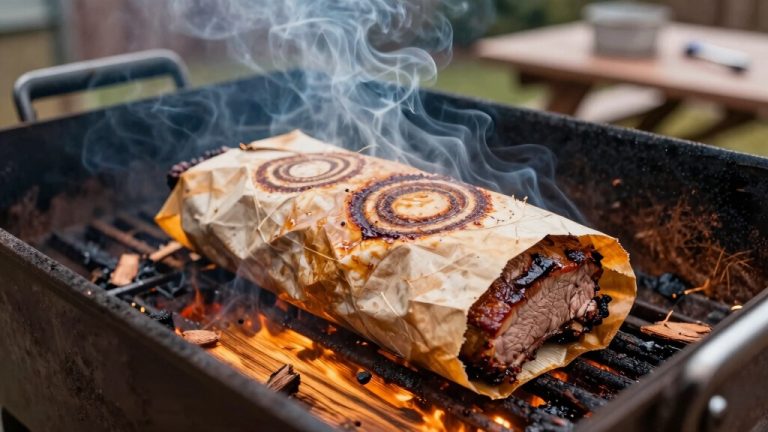
To use cedar planks safely, it’s a good idea to start by soaking them for at least an hour. This helps reduce the release of resin and keeps that harsh smoke at bay. Nobody wants a bitter taste ruining their meal, right?
Once your planks are soaked, make sure to cook with indirect heat. This is super important because it prevents the plank from burning and producing any toxic fumes. You want all that delicious cedar flavor without any safety concerns. So, relax and enjoy your meal knowing you’ve done it right!
Avoid using cedar for cold smoking because it is a resinous wood that can produce harsh flavors and harmful compounds.
Proper Cedar Plank Soaking
When you soak cedar planks properly, you minimize the release of harsh, resinous smoke and reduce the risk of burning.
Start by submerging the plank in water for at least one hour. This delays the ignition of resinous oils, allowing the plank to smolder gently rather than flare.
Use plain water; avoid soaking in drink or marinades as they can alter the smoke and promote uneven burning.
After soaking, briefly place the plank on heat to dry the side that will contact the meat, ensuring it won’t steam excessively.
This careful soaking process controls the intense cedar smoke, delivering subtle flavor without overpowering your meat.
For the best results, avoid using resinous woods like cedar directly in the smoker to prevent off-flavors and bitterness.
Indirect Heat Cooking
Although cedar planks offer a unique smoky aroma, you must use indirect heat to avoid burning the wood and releasing harsh, resinous flavors.
Set up your grill or smoker with coals or burners positioned away from the plank, creating a low, steady heat source around 390°F (200°C).
Place the soaked cedar plank on the grill grates where it won’t be directly over flames. This gentle heat encourages smoldering rather than flaming, preventing the cedar’s resinous oils from tainting your meat with bitterness or toxicity.
Monitor temperature closely and avoid flare-ups. Indirect cooking lets the plank impart subtle cedar notes safely while protecting your food’s flavor.
Always discard used cedar planks after one use to reduce residue buildup and health risks.
For best results, ensure you maintain a temperature below 400°F to prevent ignition or weakening of any cooking materials used alongside the cedar plank.
How to Prepare Cedar Planks for the Best Flavor?
Soaking cedar planks properly is essential for releasing their subtle flavor while preventing harsh, resinous smoke.
Submerge the plank in water for at least one hour to make certain it smolders instead of catching fire, minimizing the release of intense resinous oils.
After soaking, you can briefly place the plank over indirect heat to dry the side that will contact the meat. This helps the surface hold seasonings better and promotes even cooking.
Always cut the planks to fit your grill and avoid reuse, as leftover resin can taint future cooks.
Season your meat with complementary herbs or spices, then place it atop the plank. This preparation balances cedar’s potent flavor, delivering a delicate aroma without overpowering your meat.
For safe use during cooking, avoid exposing cedar planks to direct flames or broiler heat, which can cause scorching or ignition.
Traditional Meats and Recipes for Cedar Planking
Mastering the preparation of cedar planks sets the stage for highlighting traditional meats that pair beautifully with this unique smoking method.
Perfecting cedar plank preparation elevates traditional meats with a distinctive, flavorful smoking experience.
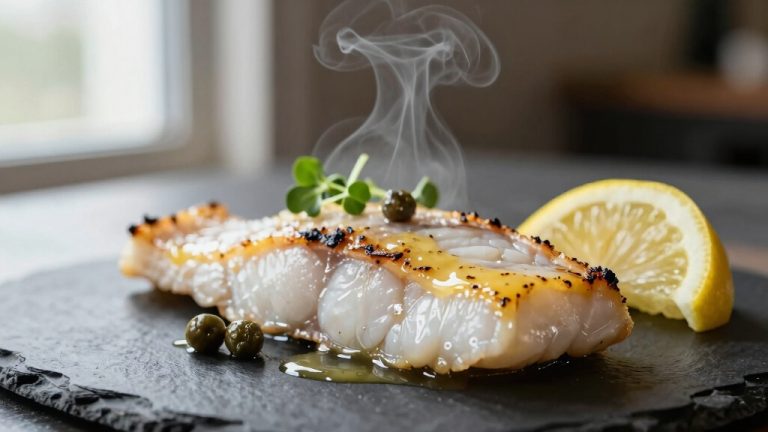
Salmon is the iconic choice, especially in Pacific Northwest cuisine, where soaking the cedar plank and seasoning the fish with dill, lemon, and salt enhances its flavor.
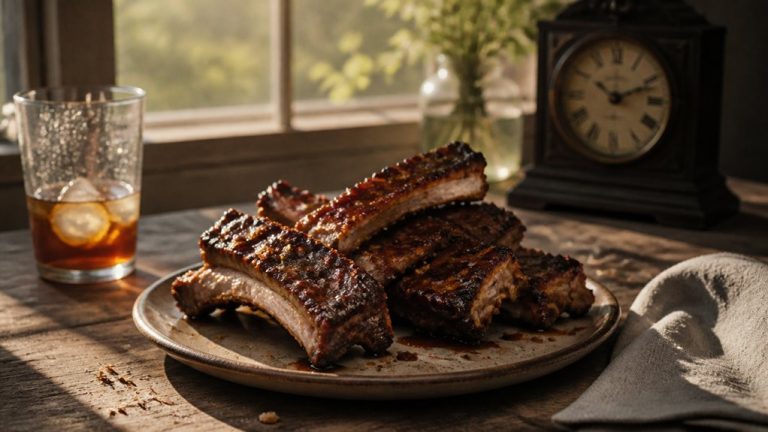
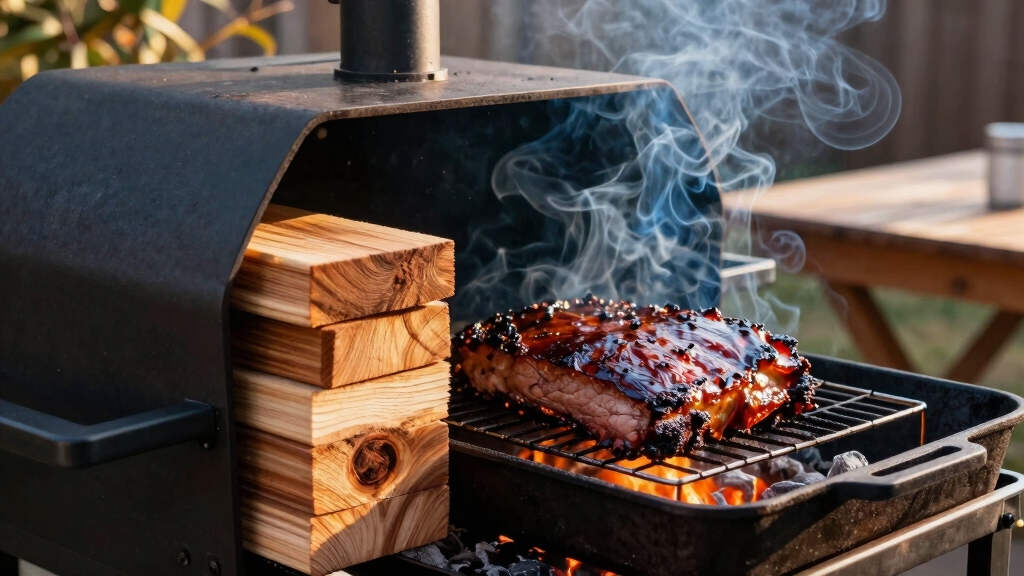
Beef back ribs also work well, benefiting from the subtle cedar notes when smoked low and slow on soaked planks.
You can add rosemary or pepper to complement the resinous aroma.
Game meats like venison or duck can be planked similarly but require careful attention to avoid overpowering cedar’s intense smoke.
Always soak the plank to reduce harshness and cook indirectly to maintain control.
These recipes honor tradition while ensuring safe, delicious results.
For optimal flavor, ensure even airflow around the meat during smoking to promote a well-formed pellicle and better smoke adhesion.
Tips for Controlling Cedar Smoke Intensity When Smoking Meat
When working with cedar for smoking meat, managing smoke intensity is crucial to avoid overpowering resinous flavors.
Start by soaking cedar planks or chips for at least an hour to slow resin release and reduce harshness. Use cedar sparingly; small amounts impart subtle notes without overwhelming.
Maintain indirect heat to promote smoldering instead of flaming. Monitor smoke density closely, adjusting airflow or wood quantity as needed.
| Tip | Effect |
|---|---|
| Soak cedar 1+ hour | Reduces resinous smoke intensity |
| Use small cedar amounts | Prevents overpowering flavors |
| Indirect heat cooking | Guarantees gentle smoke release |
| Monitor smoke color | Avoids bitter, dense smoke |
| Control airflow | Balances smoke concentration |
Positioning the wood product near a steady air source helps ensure consistent smoke flow and prevents erratic burning.
These controls help you attain balanced cedar smoke without compromising meat quality or safety.
Better Wood Choices Than Cedar for Smoking
Controlling cedar smoke intensity helps, but its inherent resinous oils still pose risks and strong flavors that many find undesirable. When you want a safer, more balanced smoke, hardwoods like alder, hickory, and maple are excellent choices.
Alder offers a subtle, slightly sweet flavor, ideal for fish and poultry. Hickory provides a stronger, meat-like taste perfect for meat or beef, while maple adds a mild sweetness that complements most meats.
These woods lack the toxic resins found in cedar, ensuring your meat remains safe and flavorful. For versatility and consistency, you’ll want to avoid softwoods and evergreens altogether.
When You Should Avoid Using Cedar in Your Smoker?
Although cedar can add a distinctive aroma to smoked foods, you should avoid using it as your primary smoke source due to its high resin content and potential toxicity. The resin produces harsh, unpleasant flavors and may render meat unsafe.
Avoid cedar smoke when cooking low-and-slow, with direct heat, or for prolonged exposure. Instead, use cedar planks soaked in water to moderate smoke intensity safely.
| When to Avoid Cedar | Reason | Alternative Approach |
|---|---|---|
| Long smoking sessions | Resin buildup, toxicity | Use hardwoods like hickory |
| Direct flame exposure | Harsh, bitter smoke flavor | Indirect cooking method |
| Sensitive meats (e.g., fish) | Overpowering flavor | Light cedar plank use |
Use cedar cautiously to guarantee safety and flavor control.
Frequently Asked Questions
Can Cedar Smoke Be Combined With Other Wood Types Safely?
Yes, you can combine cedar smoke with other woods safely, but you need to be cautious.
Since cedar’s resin produces strong, potentially harsh smoke, use it sparingly and always soak the wood first to reduce resin release.
Mix it with milder hardwoods like alder or hickory to balance flavors.
Avoid using cedar as your primary smoke source; instead, treat it as a subtle accent to prevent overpowering or toxic effects in your meat.
How Long Can Cedar Planks Be Stored Before Use?
You can store cedar planks for several months if you keep them dry and in a cool, well-ventilated area.
Avoid exposure to moisture or direct sunlight to prevent warping or mold.
If you buy pre-cut planks, keep them sealed until use.
Before smoking, soak the plank for at least an hour to confirm proper smoldering.
Using fresh, well-stored planks guarantees a better, safer flavor infusion in your meat.
Is It Safe to Reuse Cedar Planks After Smoking?
Imagine you just finished smoking salmon on a cedar plank. You might think about reusing that plank to save cash, but it’s not safe.
Cedar planks absorb juices and resin during smoking, which can harbor bacteria and produce off-flavors the next time.
Experts recommend discarding cedar planks after one use to avoid health risks and guarantee the best flavor.
Can Cedar Smoke Be Used for Vegetables or Fruits?
You can use cedar smoke for vegetables or fruits, but you should be cautious. Cedar’s strong, resinous smoke can easily overpower delicate flavors.
Soak the wood well to reduce harshness. Use small amounts and indirect heat to avoid bitterness or toxicity from the oils.
Always guarantee proper ventilation and don’t use cedar as your primary smoke source. For a safer, milder flavor, consider alternatives like alder or fruitwoods instead.
What Are the Signs of Over-Smoking With Cedar?
How do you know when you’ve gone too far with cedar smoke?
If your meat tastes bitter, resinous, or turpentine-like, that’s a clear sign of over-smoking.
You might notice an unpleasant, harsh aftertaste that masks the natural flavors.
The texture can also get dry or tough from prolonged exposure.
To avoid this, soak cedar planks well and use them sparingly for subtle smoke without overwhelming your meat.
Smoke Smarter: Use Cedar for Flavor Without the Risks
You can smoke meat with cedar, but you need to balance flavor, safety, and technique. Use cedar planks properly, prepare them carefully, and control smoke intensity to enhance your dishes.
Avoid using raw cedar wood directly in your smoker. Choose the right meats and know when to skip cedar altogether.
By understanding these guidelines, you’ll elevate your smoking game, protect your health, and create memorable, delicious meals every time.