How Long Is Cooked Brisket Good in the Fridge: Safe Storage
You should refrigerate cooked brisket within two hours of cooking to minimize bacterial growth and keep it safe.
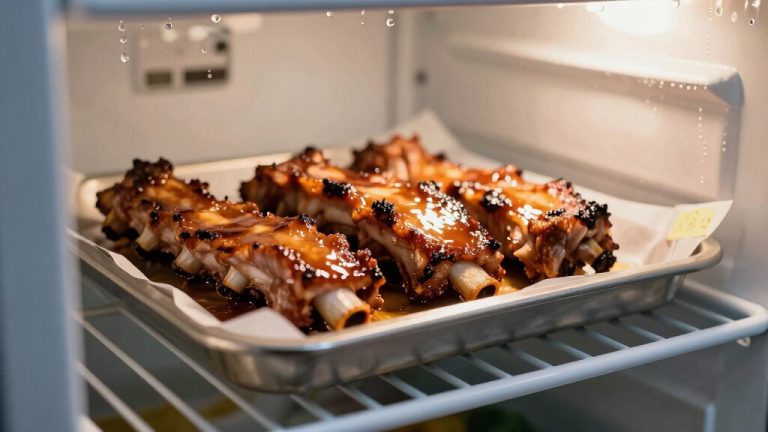
Once refrigerated at or below 40°F, use the brisket within 3 to 4 days.
Always wrap it tightly or store in an airtight container to retain moisture and prevent contamination.
Label with the storage date to track freshness, and discard if it shows any signs of spoilage.
If you want to know how temperature, freezing, and reheating impact its safety and quality, keep exploring more guidelines.
Key Takeaways
- Cooked brisket is safe to eat for 3 to 4 days when stored properly in the refrigerator at or below 40°F (4°C).
- Refrigerate cooked brisket within two hours of cooking to minimize bacterial growth and maintain freshness.
- Always wrap brisket tightly or use airtight containers to preserve moisture and prevent contamination during refrigeration.
- Label packages with the exact storage date to track freshness and ensure timely consumption or disposal.
- Discard cooked brisket if left out at room temperature for more than 2 hours (1 hour if above 90°F).
How Long Does Cooked Brisket Last in the Fridge?

When you store cooked brisket in the fridge, you should plan to use it within 3 to 4 days to ensure safety and quality.
This timeframe starts once the brisket has fully cooled and is placed in the refrigerator, not from when you cooked it.
To keep it safe and fresh, wrap the brisket tightly with plastic wrap, foil, or store it in an airtight container.
Label your package with the date so you can easily track how long it’s been stored.
Avoid leaving cooked brisket out at room temperature for more than 2 hours, as this increases the risk of harmful bacteria.
Following these steps reduces spoilage risks and helps you enjoy brisket that’s both tasty and safe to eat.
For best safety, refrigerate the brisket within two hours of cooking to minimize bacterial growth in the danger zone.
How Refrigerator Temperature Affects Cooked Brisket Safety?
Although properly cooked brisket can last several days in the fridge, maintaining the refrigerator temperature at or below 40°F (4°C) is essential to slow bacterial growth and keep the meat safe.
Temperatures above this threshold enter the danger zone, where bacteria multiply rapidly, risking foodborne illness. You should regularly check your fridge thermometer to make sure it stays cold enough.
| Refrigerator Temperature | Bacterial Growth Rate | Safety Recommendation | Storage Duration | Risk Level |
|---|---|---|---|---|
| ≤ 40°F (4°C) | Slow | Safe for 3-4 days | 3-4 days | Low |
| 41-50°F (5-10°C) | Moderate | Shorten storage time | 1-2 days | Moderate |
| 51-60°F (11-15°C) | Rapid | Discard soon | <24 hours | High |
| > 60°F (15°C) | Very rapid | Unsafe, discard immediately | <12 hours | Very high |
Refrigerate brisket leftovers within two hours of cooking to ensure food safety guidelines are met.
Keep your fridge cold to ensure brisket safety.
How to Properly Store Cooked Brisket for Maximum Freshness?
To lock in the freshness of cooked brisket, you’ll need to wrap it tightly using airtight materials like plastic wrap, foil, or butcher paper. This prevents air exposure, which can dry out the meat and accelerate spoilage. After wrapping, place the brisket in the refrigerator promptly, ideally within two hours of cooking.
Wrap cooked brisket tightly with airtight materials and refrigerate within two hours to preserve freshness.
For best storage, follow these tips:
Double-wrap with foil and butcher paper for added moisture retention.
Use airtight containers if wrapping isn’t available.
Store brisket slices in a shallow layer to cool evenly.
Label the package with the storage date to track freshness.
Thaw cooked brisket safely by refrigerating it to avoid the temperature danger zone.
What Happens If Cooked Brisket Sits Out Too Long?
Properly storing cooked brisket is key to maintaining its freshness. Leaving it out too long can quickly undo your efforts.
When cooked brisket sits at room temperature beyond two hours, or just one hour if it’s above 90°F, you risk rapid bacterial growth. This danger zone between 40°F and 140°F encourages harmful pathogens that can cause foodborne illnesses.
Even if the brisket looks and smells fine, bacteria like Salmonella or E. coli may be present. To stay safe, discard any brisket left out too long rather than risk contamination.
Promptly refrigerate your brisket in airtight containers or wraps to slow bacterial growth and preserve quality. Remember, it’s better to be cautious and avoid eating brisket that’s been improperly handled at room temperature. Maintaining the refrigerator temperature between 34–40°F helps keep cooked brisket safe for longer storage.
How Freezing Keeps Cooked Brisket Fresh Longer?
Freezing cooked brisket is a great way to keep it fresh for a longer time—up to 2 to 3 months, in fact! Just make sure to use airtight containers, heavy-duty freezer bags, or vacuum-sealed packaging. This helps prevent freezer burn and keeps all that amazing flavor intact.
It’s pretty neat how freezing locks in the freshness, right?
But remember, the secret sauce to keeping your brisket safe and delicious lies in proper packaging. So, take a little extra time to wrap it up well, and you’ll be enjoying that tasty brisket whenever you crave it!
For best results, freeze your brisket promptly and store it at or below 0°F (-18°C) to maintain peak quality and safety.
Freezing Duration Limits
Although refrigeration limits cooked brisket’s freshness to just a few days, freezing markedly extends its shelf life by halting bacterial growth and slowing enzymatic processes.
When you freeze cooked brisket, you effectively pause spoilage, preserving flavor and texture for much longer than refrigeration allows.
Keep these key points in mind regarding freezing duration limits:
- Cooked brisket maintains best quality for 2 to 3 months in the freezer at 0°F (-18°C).
- While freezing keeps brisket safe indefinitely, quality gradually declines after 3 months.
- Use airtight packaging to prevent freezer burn, which degrades texture and taste.
- Label your brisket with the freeze date to track how long it’s been stored.
For optimal preservation, ensure rapid cooling to 40°F or below before freezing to avoid bacterial growth and maintain quality through proper sealing techniques.
Optimal Freezing Methods
Since freezing halts bacterial growth and slows enzymatic activity, it effectively preserves cooked brisket’s freshness for extended periods.
To optimize freezing, wrap your brisket tightly in plastic wrap or heavy-duty aluminum foil to prevent air exposure and moisture loss.
Vacuum sealing is even better, as it removes air and reduces freezer burn risks.
Use airtight containers or heavy-duty freezer bags as alternatives if vacuum sealing isn’t an option.
Label each package with the freezing date so you can track its quality.
Store the brisket at 0°F (-18°C) or lower to maintain safety and quality.
Remember, while frozen brisket stays safe indefinitely, the best flavor and texture last 2 to 3 months.
Thaw it properly in the fridge to preserve freshness and avoid bacterial growth.
For best results, avoid refreezing once the brisket has been fully thawed to maintain optimal quality retention.
Best Practices for Thawing Cooked Brisket Safely
When you’re thawing cooked brisket, the safest way to do it’s in the refrigerator.
This method lets the brisket thaw gradually while keeping it below 40°F, which is really important for food safety.
If you’re in a hurry and decide to use quicker methods like the microwave or cold water, just remember to eat the brisket right away.
This helps prevent any bacterial growth that could happen if it’s left out too long.
Additionally, cooked brisket thawed in the fridge can be safely refrozen within 3–4 days, maintaining quality and safety.
Refrigerator Thawing Guidelines
If you want to thaw cooked brisket safely, using the refrigerator is the best method to preserve both quality and food safety. This slow thawing process keeps the meat at a safe temperature, preventing bacterial growth.
To thaw your brisket correctly, follow these guidelines:
Place the brisket in an airtight container or wrap it tightly to avoid cross-contamination and moisture loss. Allow 24 hours per 5 pounds of brisket for complete thawing in the fridge.
Store the brisket on the lowest shelf to prevent drips onto other foods. After thawing, consume or reheat the brisket within 3 to 4 days to maintain freshness and safety. Proper wrapping and temperature control during resting and storage help ensure the brisket’s moisture retention and flavor are preserved.
Immediate Consumption Methods
To quickly thaw cooked brisket for immediate consumption, you’ll want to follow methods that minimize bacterial growth and preserve safety.
The safest rapid options include thawing in the microwave or using cold water.
When using a microwave, defrost on the low setting and cook immediately after thawing to avoid bacterial growth.
For cold water thawing, seal the brisket in an airtight bag and submerge it in cold water, changing the water every 30 minutes.
Consume it right away once thawed.
Avoid thawing at room temperature, as this allows bacteria to multiply rapidly.
Remember, brisket thawed by these quick methods should never be refrigerated afterward but eaten immediately to maintain safety and quality.
Always handle thawed brisket with clean utensils to prevent contamination.
Maintaining the water temperature below 40°F during cold water thawing is essential to prevent bacterial growth and ensure food safety.
How to Tell If Your Cooked Brisket Has Gone Bad?
Although cooked brisket can remain safe to eat for several days when stored properly, you should stay alert for clear signs of spoilage before consuming it. Trust your senses and inspect the meat carefully to avoid foodborne illness.
Here’s what to look for:
Off smell: A sour or rotten odor indicates bacterial growth.
Slimy texture: If the brisket feels sticky or slippery, it’s unsafe.
Discoloration: Gray or greenish patches signal spoilage.
Mold presence: Any fuzzy or unusual spots mean it must be discarded immediately.
Never taste brisket if you notice any of these signs. When in doubt, throw it out to protect your health and avoid risks associated with spoiled meat.
How to Keep Cooked Brisket Moist When Storing and Reheating?
To keep your cooked brisket nice and moist, start by wrapping it tightly in plastic wrap or foil.
This helps minimize air exposure and locks in those delicious juices.
Another great tip is to store the brisket with a bit of broth or its own drippings.
This extra moisture really makes a difference when you pop it in the fridge.
When it’s time to reheat, go for a low oven temperature—around 250°F is perfect.
Just be sure to cover the brisket while it warms up.
This way, you’ll keep it tender and prevent it from drying out.
Enjoy your juicy brisket!
Optimal Wrapping Methods
Mastering the art of wrapping cooked brisket is essential for preserving its moisture and flavor during storage and reheating.
When you wrap brisket properly, you prevent air exposure that dries out the meat and causes flavor loss.
Use these careful techniques:
Wrap brisket tightly in plastic wrap first to seal in juices.
Follow with a layer of aluminum foil or butcher paper for extra protection.
Avoid loose wrapping, which allows moisture to escape and encourages spoilage.
Label the package with the date to track freshness accurately.
Moisture Retention Techniques
Preserving moisture in cooked brisket during storage and reheating is key to maintaining its tenderness and flavor.
To keep your brisket moist, wrap it tightly in plastic wrap or foil to minimize air exposure and moisture loss.
Consider double wrapping with foil and butcher paper for added protection. Storing the brisket in a shallow container with a bit of beef broth or its own juices also helps retain moisture.
When you reheat, avoid drying it out by covering the brisket to trap steam. Avoid reheating for long periods without moisture, as this causes toughening.
Reheating Temperature Tips
Heat your cooked brisket slowly and evenly to maintain its moisture and tenderness during reheating. Rapid heating can dry out the meat, so take care to warm it gently.
To keep your brisket moist, follow these tips:
Reheat at a low temperature, around 250°F (120°C). Avoid high heat that toughens the meat.
Cover the brisket with foil or a lid to trap steam and prevent drying.
Add a splash of beef broth or water before reheating to preserve juiciness.
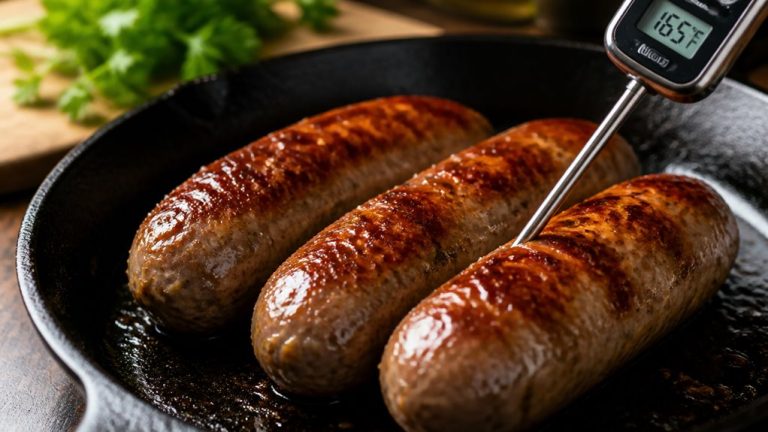
Use a thermometer to make certain the internal temperature reaches at least 165°F (74°C) for safety without overcooking.
How to Label and Track Cooked Brisket Storage Dates?
Keeping track of when you stored cooked brisket is essential for food safety and quality. Always label your brisket package immediately after refrigeration with the exact date you placed it in the fridge.
Use a permanent marker on masking tape or a dedicated food label to guarantee the date doesn’t fade or rub off. Include the storage method if possible, such as “airtight container” or “wrapped in foil.”
This practice helps you monitor the 3 to 4-day refrigeration window accurately and reduces the risk of consuming spoiled meat. You can also maintain a simple log or use an app to track storage dates if you store multiple batches.
Regularly check these labels before reheating to avoid accidental consumption beyond safe periods.
When to Throw Out Cooked Brisket to Stay Safe?
Labeling your cooked brisket with storage dates helps you stay on top of freshness, but knowing when to discard it’s just as important. You shouldn’t keep brisket in the fridge beyond 3 to 4 days, as bacteria can multiply quickly even at safe temperatures.
Also, never eat brisket left out for more than 2 hours at room temperature or just 1 hour if it’s above 90°F. Watch for spoilage signs like sour smells or slimy texture and discard meat immediately if you notice them.
To stay safe, follow these guidelines:
- Discard brisket after 4 days in the fridge regardless of appearance.
- Throw out meat left out over 2 hours (1 hour if hot).
- Avoid tasting questionable brisket; rely on smell and look.
- When in doubt, throw it out to prevent illness.
Frequently Asked Questions
Can Cooked Brisket Be Safely Reheated Multiple Times?
You can reheat cooked brisket more than once, but you should be cautious.
Each time you reheat, the meat passes through the temperature danger zone, increasing bacteria risk.
Only reheat the portion you plan to eat and cool leftovers quickly before refrigerating.
Repeated reheating can dry out the brisket and compromise safety.
Limit reheating cycles to maintain quality and reduce foodborne illness risk.
What Are the Best Side Dishes to Serve With Leftover Brisket?
Pair your leftover brisket with savory sides like smoky sautéed spinach, creamy coleslaw, or crispy corn casserole to complement its rich flavor.
You’ll want to add buttery baked potatoes or a tangy tomato salad for balance. Consider careful cooking; avoid soggy or overpowering sides to keep each bite balanced.
How Does Seasoning Affect the Shelf Life of Cooked Brisket?
Seasoning doesn’t materially extend cooked brisket’s shelf life, but it can influence moisture retention and bacterial growth slightly.
Salt can act as a mild preservative, slowing spoilage.
Sugar-based rubs might encourage quicker bacterial activity if moisture is trapped.
You still need to refrigerate brisket within two hours of cooking and store it properly.
Don’t rely on seasoning alone; always follow safe storage and handling guidelines to keep your brisket fresh and safe.
Can You Freeze Cooked Brisket With Sauce or Gravy?
You can freeze cooked brisket with sauce or gravy, but you need to be cautious.
Sauces with high moisture content might affect texture when thawed, so use airtight containers or heavy-duty freezer bags to prevent freezer burn.
Label and date your package to track freshness.
When you thaw, do so in the fridge to maintain safety and quality.
Freezing locks in flavor, but reheating gently helps preserve the brisket’s juiciness and texture.
Is It Safe to Feed Leftover Brisket to Pets?
Yes, you can feed leftover brisket to pets, but you need to be cautious.
Remove any seasoning, onions, garlic, or sauces, as these can be toxic to pets.
Offer only plain, cooked brisket in small amounts to avoid digestive upset.
Always check for bones, which pose a choking hazard.
If your pet has health issues or dietary restrictions, consult your vet before introducing brisket or any human food into their diet.
Savor Every Bite: Store Smart, Stay Safe
You want to enjoy that tender, smoky brisket without worry, so store it properly and keep your fridge at a safe temperature. Picture wrapping it snugly, like tucking in a loved one, to lock in moisture and freshness.
Always label your brisket with dates. If it’s been sitting out too long or smells off, don’t risk it; throw it out. Staying cautious guarantees every bite is as delicious and safe as it should be.