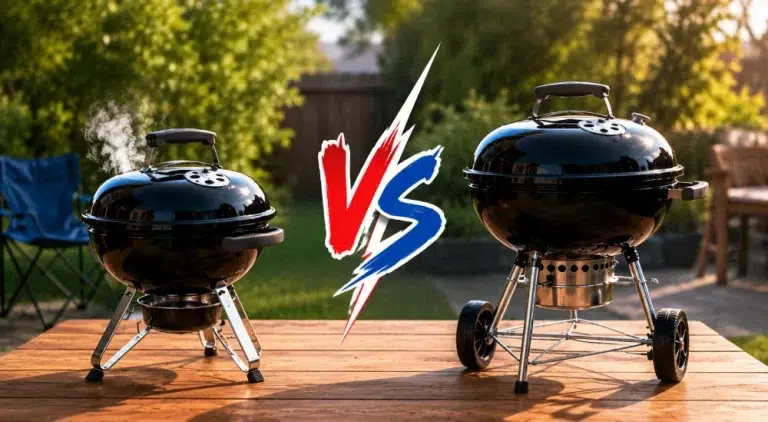
Charcoal Smoker vs Wood Smoker: Which One Is Better?
If you crave bold, intense smokiness and precise temperature control, charcoal smokers deliver deep, earthy flavor and flexible heat through adjustable vents.
Charcoal burns hotter, longer, and costs less upfront, though it requires more attention and ash cleanup.
Wood smokers give lighter, fruitier smoke with steadier temps, ideal for subtle flavor and simpler operation but need frequent fuel refills.
Choosing between them hinges on your flavor intensity and cooking style. Discover what suits your approach next.
Key Takeaways
- Charcoal provides a deep, bold smoky flavor with precise temperature control via airflow vents, ideal for both searing and low-and-slow cooking.
- Wood produces lighter, fruity smoke with subtle flavor nuances, offering steady, milder heat suited for consistent, less hands-on smoking.
- Charcoal burns longer per pound, costs less upfront, and allows fuel reuse, while wood burns hotter by BTU but needs more frequent refueling.
- Charcoal smokers require 20–30 minutes to light and manage airflow for temperature stability, whereas wood smokers start simpler but need burn rate practice.
- Charcoal ash requires regular removal; wood leaves less residue but demands careful fire safety and management during cooking.
Charcoal Smoker or Wood Smoker Quick Comparison Table
| Comparison Element | Charcoal Smoker | Wood Smoker |
|---|---|---|
| Main Term | Charcoal Smoker | Wood Smoker |
| Smoke Flavor | Deep, bold, rich | Mild, subtle, nuanced |
| Flavor Profile | Earthy and authentic BBQ taste | Fruity, fresh, natural wood aroma |
| Heat Control | Precise with airflow vents | Steady but less adjustable |
| Temperature Range | High heat to low-and-slow | Mostly low-and-slow cooking |
| Fuel Type | Lump charcoal or briquettes | Wood chunks, logs, pellets |
| Burn Time | Longer-lasting fuel | Faster burn rate |
| Fuel Efficiency | More efficient | Less efficient |
| Fuel Cost | Lower upfront cost | Higher long-term fuel cost |
| Startup Time | 20–30 minutes | Faster and simpler ignition |
| Ease of Use | Requires more attention | More beginner-friendly |
| Smoke Intensity | Strong smoke penetration | Light surface smoke flavor |
| Best For | Brisket, ribs, heavy meats | Poultry, seafood, vegetables |
| Cooking Versatility | Smoking and grilling | Primarily smoking |
| Maintenance Level | Regular ash cleanup | Less ash but more fire management |
| Airflow Management | Essential for temperature control | Less complex airflow handling |
| Outdoor/Camping Use | Excellent without electricity | Depends on smoker type |
| Power Requirement | None | Some models need electricity |
| Flavor Complexity | Strong BBQ character | Delicate layered smoke notes |
| Heat Stability | Needs active monitoring | More naturally stable |
| Smoke Aroma | Dense and smoky | Sweet and aromatic |
| Fuel Reusability | Lump charcoal can be reused | Wood generally single-use |
| Learning Curve | Moderate to advanced | Beginner to intermediate |
| Cleanup Difficulty | Higher due to ash | Moderate |
| Cooking Style Match | Hands-on pitmaster cooking | Simpler low-and-slow smoking |
| Best Advantage | Powerful smoky flavor and versatility | Natural subtle smoke taste |
| Biggest Drawback | Requires constant vent adjustments | Frequent fuel refilling |
| Recommended User Type | BBQ enthusiasts and grill masters | Casual smokers and flavor-focused cooks |
| Pro Tip | Master vent control for perfect heat | Use seasoned hardwood for cleaner smoke |
Charcoal vs Wood Smokers: Which One Is Right for You?

Choosing between a charcoal and wood smoker comes down to your flavor preferences, cooking style, and how much hands-on control you want.
If you crave that rich, deep smoky taste and enjoy mastering airflow and temperature, charcoal’s your best bet. It demands attention but rewards you with versatile cooking options, from searing hot to slow smoking.
On the other hand, if you prefer a lighter smoke with less fuss, wood smokers offer a subtler flavor and often simpler operation. You’ll appreciate the natural essence of fresh wood, though it may require more frequent fuel additions.
Ultimately, your choice hinges on how deeply involved you want to be and the specific taste experience you aim to create with every cook. Kamados, a type of charcoal smoker, use roughly one-tenth the wood compared to wood-only offset smokers, making them highly fuel-efficient.
What Makes Charcoal and Wood Smokes Taste Different?
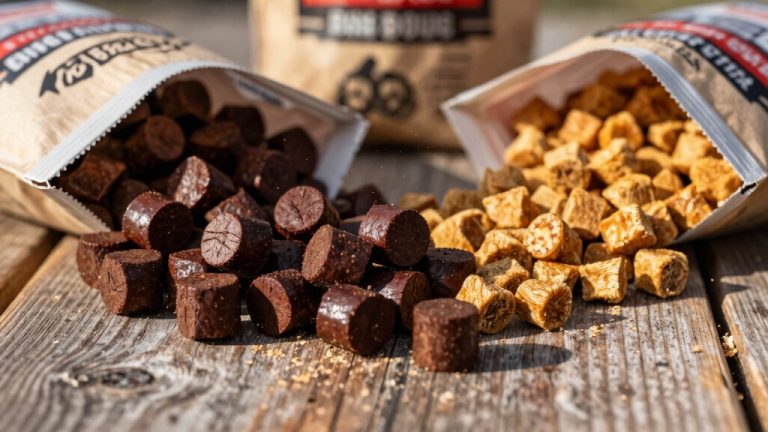
Charcoal brings a deep, rich smoke flavor to the table. Why? It’s all about its purified, moisture-free composition.
On the other hand, wood smoke offers a lighter, more nuanced taste. That’s because it retains those organic compounds that give it character.
Combining lump charcoal and briquettes can provide a balance of quick, hot burns and steady heat for enhanced flavor control.
Flavor Intensity Comparison
Although both charcoal and wood smokers infuse food with smoky flavors, their taste profiles differ markedly due to the nature of their fuels. Charcoal delivers a deep, rich, and bold smokiness that penetrates meat thoroughly. Wood smoke tends to be lighter and more subtle, offering delicate flavor nuances.
When you choose charcoal, you get that classic, robust smoke intensity. With wood, you experience a gentler, sometimes fruitier aroma depending on the wood type.
| Flavor Aspect | Charcoal Smoker | Wood Smoker |
|---|---|---|
| Smoke Intensity | Deep, bold | Mild, subtle |
| Flavor Complexity | Rich, authentic | Delicate, nuanced |
| Penetration | Strong, pervasive | Light, surface-level |
| Aroma | Earthy, smoky | Fruity, fresh |
| Suitability | Heavy cuts, long smokes | Light meats, quick smokes |
Smokers with a reverse flow design help ensure even heat distribution and consistent smoke flavor, which can enhance the overall cooking results regardless of the fuel used.
Fuel Composition Impact
The rich, bold flavors you get from charcoal and the lighter, nuanced notes from wood come down to their distinct fuel compositions.
Charcoal is effectively pre-burned wood stripped of moisture and impurities, giving you a clean, intense smoke that infuses your food with deep, authentic richness.
Wood, on the other hand, still contains organic compounds and combustible gases, which contribute to its subtle, layered flavor profile.
When you use wood, you’re tapping into these natural elements that create a gentler, more complex aroma.
Charcoal’s concentrated carbon base delivers robust heat and smoke, while wood’s higher BTU content means it burns hotter but with lighter smoke.
Understanding these differences helps you choose the fuel that best matches the flavors you want to create in your smoking adventures.
Additionally, the burn time and temperature of charcoal can vary significantly depending on the type used, such as lump or briquettes, which impacts heat consistency and flavor release during cooking, making charcoal type selection an important factor to consider.
Smoke Profile Differences
How exactly do charcoal and wood create such distinct smoke flavors that can transform your cooking?
Charcoal delivers a deep, rich, and authentic smoky taste because it’s fundamentally pre-burned wood stripped of moisture and impurities, concentrating its flavor.
Wood smoke, on the other hand, offers a lighter, more subtle flavor profile thanks to the organic compounds it retains.
When you use wood, those combustible gases and resins infuse your food with nuanced, delicate smoky notes.
Charcoal’s intense smoke can dominate, perfect when you want bold flavor, while wood’s gentler smoke allows the natural essence of your ingredients to shine through.
Understanding these differences helps you choose the right fuel to tailor your smoke profile and elevate your barbecue to perfection.
Properly seasoning your smoker with high-smoke-point oils enhances the flavor and protects the cooking surfaces for the best results.
How to Control Temperature With Charcoal and Wood Smokers?
Controlling the temperature in charcoal and wood smokers is all about mastering airflow. You see, when you open the vents, more oxygen gets in, which fuels hotter flames. It’s like giving your fire a boost!
On the other hand, if you close those vents, it cools things down.
So, managing heat levels is really about finding that perfect balance with the vents. You want to keep everything steady for cooking, or you might want to ramp it up a bit when you’re searing.
With a little practice, you’ll be able to command your smoker’s fire like a pro. Before you know it, you’ll be achieving those perfect results every time! Using the snake method to arrange coals can help maintain a steady temperature for low and slow cooking.
Airflow Adjustment Techniques
Mastering airflow adjustment is essential for controlling temperature in both charcoal and wood smokers. This gives you the power to dial in perfect cooking conditions.
By managing the intake and exhaust vents, you regulate oxygen flow, which directly influences how hot or cool your fire burns. Opening vents wider allows more oxygen to fuel the fire, raising the temperature. Closing them restricts airflow, lowering heat and smoke intensity.
Here’s how you can optimize airflow for consistent results:
Adjust bottom vents to control oxygen supply and fire intensity. Use top vents to release smoke and maintain proper draft. Monitor vents frequently to respond to temperature fluctuations quickly.
With practice, these techniques let you create the ideal smoking environment, whether you’re using charcoal’s robust heat or wood’s delicate burn. Always ensure your smoker is fully cooled below 115°F and unplugged before any maintenance to ensure safety precautions are met.
Managing Heat Levels
Although controlling temperature can seem tricky at first, managing heat levels in charcoal and wood smokers becomes intuitive once you understand the unique burning behaviors of each fuel.
Charcoal burns hotter and demands airflow adjustments to dial your heat up or down. This gives you versatile control from searing to slow smoking. Wood, on the other hand, holds steadier but lower temperatures, ideal for consistent low-and-slow cooks.
| Feature | Charcoal Smoker |
|---|---|
| Heat Range | High, adjustable via airflow |
| Temperature Stability | Requires monitoring |
| Fuel Burn Rate | Slower, reusable possibilities |
| Ideal Cooking Style | Both hot & fast, or low & slow |
Mastering these nuances empowers you to reveal perfect smoke every time. Using medium-sized lump charcoal allows for fast ignition times and steady heat, making temperature control more manageable.
Fuel Efficiency and Cost: Charcoal vs Wood
Choosing between charcoal and wood pellets for your smoker means weighing fuel efficiency and cost carefully.
Deciding on charcoal or wood pellets requires careful consideration of fuel efficiency and overall cost.
Charcoal usually wins for budget-conscious pitmasters. It burns longer per pound and costs less upfront. Plus, lump charcoal can be reused, trimming your fuel expenses over time.
Wood pellets, while convenient, burn faster and need constant refilling, which can hike costs during longer cooks. They also demand electricity to run their mechanical systems, adding to your ongoing expenses.
Consider these key points:
- Charcoal offers longer cook times per pound and lower initial costs.
- Wood pellets require frequent refills and electricity, increasing operational costs.
- Reusing lump charcoal helps reduce waste and saves cash.
Since pellet grills rely on an auger mechanism to feed pellets automatically, their operational complexity can add to maintenance and costs.
Understanding these fuel dynamics helps you choose the smoker that fits your budget and cooking style best.
Getting Started: Prep and Ease of Use for Charcoal and Wood Smokers
Getting your charcoal smoker ready means dedicating some time to lighting the coals and fine-tuning airflow. This can take 20 to 30 minutes before cooking begins.
You’ll need patience and focus to master the perfect balance of air vents to control temperature precisely. Charcoal demands this hands-on approach but rewards you with that deep, rich smoky flavor only it can deliver.
In contrast, wood smokers offer a simpler startup. Just load the wood and ignite. They’re easier for beginners since they require less airflow manipulation.
However, managing wood’s burn rate can still take some getting used to. Both methods require cleanup. Charcoal’s ash needs removal after each use, while wood leaves less residue but demands careful fire safety.
If you consider using pellets in a wood chip smoker, keep in mind that pellets burn slower and require manual feeding to maintain consistent heat.
Ultimately, your choice depends on how much prep and control you want.
Understanding Charcoal and Wood Fuel Types
When you plunge into the world of smoking, understanding the differences between charcoal and wood fuels is essential for mastering flavor and heat control.
Charcoal, made from wood burned in low-oxygen environments, offers a deep, rich smoky flavor and burns hotter. This provides you with versatile temperature options.
Wood fuels, like chunks or logs, create a more subtle smoke with a lighter flavor but higher BTU content. This means longer burn times and unique aromatic compounds.
Consider these key points:
Charcoal produces consistent, intense smoke and requires airflow management for heat control.
Wood fuels provide variable flavors depending on species and retain organic compounds influencing taste.
Both fuel types demand different handling, so knowing their traits guarantees your smoking success.
Cooking Versatility: When to Choose Charcoal or Wood?
Although both charcoal and wood smokers can deliver delicious results, your choice depends heavily on the cooking style and flavor intensity you want to achieve.
If you crave a deep, rich smoky flavor with precise temperature control, charcoal is your go-to.
It lets you sear hot or smoke low and slow by mastering airflow.
On the other hand, if you prefer a lighter, more subtle smoke that gently enhances your food, wood offers that delicate touch.
It provides longer-lasting smoke without constant refills.
Charcoal smokers also shine in versatility, doubling as grills without needing power.
Wood smokers excel when you want consistent, milder smoke and simpler maintenance.
Ultimately, pick charcoal for bold, complex flavors and flexibility.
Choose wood when subtlety and steady smoke matter most in your cooking.
Frequently Asked Questions
Can I Use Charcoal and Wood Together in the Same Smoker?
Yes, you can definitely use charcoal and wood together in the same smoker. Combining them lets you enjoy charcoal’s deep, rich heat and wood’s flavorful smoke, creating a unique taste.
Just start with charcoal for steady heat, then add wood chunks or chips to boost smoke intensity. Remember to manage airflow carefully to balance temperature and smoke production.
This combo offers versatility and flavor that’ll elevate your barbecue game.
How Does Weather Affect Charcoal and Wood Smoker Performance?
When cold, windy days hit, you’ll notice your smoker struggles to hold steady heat. Charcoal reacts more predictably, but you’ll need to adjust airflow constantly to maintain temperature.
Wood smokers can falter quicker since moisture in the wood affects burn rate, especially in damp weather. Rain and humidity will slow both fuels down, so you’ll want to shield your setup and plan for longer cook times to keep flavors deep and consistent.
Are There Health Differences Between Smoking With Charcoal or Wood?
Yes, you should be aware that smoking with charcoal can release more harmful compounds like polycyclic aromatic hydrocarbons (PAHs) due to incomplete combustion.
Wood smoke also produces PAHs but usually in lower concentrations if you use clean, seasoned hardwoods.
To protect your health, always ensure proper ventilation, avoid inhaling smoke directly, and use quality fuels.
Managing airflow reduces harmful byproducts, so mastering your smoker’s temperature control is vital for safer, tastier results.
What Maintenance Is Required for Charcoal Versus Wood Smokers?
Think of tending a charcoal smoker like caring for a classic car. You’ll need to clean out ash after each use to keep it running smoothly and master airflow adjustments for perfect heat control.
Wood smokers, on the other hand, require less ash cleanup but demand vigilance to prevent creosote buildup from fresh wood smoke.
Both need regular grates scrubbing and chamber cleaning, but charcoal’s prep is hands-on while wood smokers ask for steady smoke management.
Which Smoker Type Is Better for Camping or Outdoor Use?
You’ll find charcoal smokers better for camping or outdoor use because they don’t need electricity, making them perfect anywhere.
Charcoal burns hotter and longer, giving you versatile cooking options without constant refills.
Though you’ll need to manage airflow and clean ash, the rich, smoky flavor you get is worth it.
Wood smokers depend on power and frequent pellet refills, which can be inconvenient off-grid.
Charcoal’s independence wins every time.
Choose the Smoker That Matches Your Flavor Style
When choosing between charcoal and wood smokers, remember that 70% of pitmasters prefer charcoal for its consistent heat and ease of control.
You’ll appreciate charcoal’s reliable temperature, making your cooking smoother, while wood offers unmatched smoky complexity.
Your choice hinges on whether you crave convenience or deep flavor exploration. Whichever you pick, mastering your smoker transforms every meal into a passionate, flavorful adventure you’ll love sharing.