Offset Smoker vs Vertical Smoker: Which One Is Better?
If you want bold smoke flavor and robust bark, an offset smoker delivers intense wood-fired airflow. However, it demands constant temperature adjustments due to its horizontal heat zones.
Vertical smokers offer steadier, more efficient heat with natural convection. They require less hands-on management, though they produce subtler smoke and softer bark.
Offsets handle larger cuts and grilling, while verticals suit smaller spaces with consistent temperatures. Explore further to see which fits your cooking style and priorities best.
Key Takeaways
- Offset smokers produce bold smoke flavor and robust bark but require constant temperature monitoring and strategic meat placement due to uneven heat zones.
- Vertical smokers offer more even heat via natural convection, requiring less active management and consuming less fuel for steadier cooking.
- Offset smokers have larger cooking capacity with spacious grates, suitable for multiple large cuts but need frequent vent and fire adjustments.
- Vertical smokers have a compact footprint with stacked racks or hanging systems, maximizing capacity in limited spaces but restricting meat size per tier.
- Vertical smokers yield milder smoke flavor and softer bark with a risk of acrid notes if airflow is poorly managed, unlike the intense flavor from offsets.
Offset vs Vertical Smoker Comparison: Pros, Cons & Features
| Feature | Offset Smoker | Vertical Smoker |
|---|---|---|
| Heat Flow | Horizontal airflow from firebox to chimney | Vertical heat rise using natural convection |
| Temperature Consistency | Uneven heat zones require monitoring | More even and stable temperatures |
| Smoke Flavor | Bold, intense smoke flavor | Milder, cleaner smoke flavor |
| Bark Development | Thick, crispy bark | Softer bark with less texture |
| Fuel Efficiency | Uses more wood or charcoal | More fuel-efficient |
| Ease of Use | Requires active fire management | Easier for beginners |
| Cooking Capacity | Large cooking space for briskets and ribs | Compact but limited by rack spacing |
| Space Requirement | Requires larger outdoor space | Compact footprint for patios or small areas |
| Cooking Versatility | Smoking, grilling, and searing | Primarily low-and-slow smoking |
| Maintenance Effort | Frequent vent and fire adjustments | Lower maintenance during cooking |
| Best For | BBQ enthusiasts wanting authentic smoke flavor | Users wanting convenience and consistency |
| Learning Curve | Higher learning curve | Beginner-friendly |
| Smoke Quality | Thin blue smoke with rich flavor | Can become acrid if airflow is poor |
| Weather Performance | More affected by wind and cold | Better heat retention in bad weather |
| Meat Texture | Tender meat with strong bark | Consistent cooking with softer exterior |
| Price Range | Usually more expensive | More affordable options available |
| Ideal Cooking Style | Traditional wood-fired barbecue | Easy and steady smoking sessions |
| Main Advantage | Superior flavor and bark | Simplicity and temperature stability |
Offset vs Vertical Smokers: Key Differences

While both offset and vertical smokers serve the core purpose of slow-cooking meat with smoke, they differ markedly in heat distribution, smoke flavor, and operational demands.
Offset smokers generate horizontal airflow, creating distinct hot and cool zones, demanding active temperature management.
Vertical smokers capitalize on natural heat rise, producing more uniform temperatures across racks with minimal variance, easing your control efforts.
Flavor-wise, offset smokers impart a bold, intense smoke with robust bark, thanks to wood-fired airflow.
Vertical smokers yield milder, cleaner smoke but risk acridity due to smoldering.
Operationally, vertical smokers require less hands-on attention and consume less fuel, making them more user-friendly.
Conversely, offset smokers demand constant vigilance to maintain peak cooking conditions and achieve superior meat quality.
Choosing an offset smoker with insulated fireboxes can improve temperature stability and reduce fuel consumption during long cooks.
Heat Distribution in Offset vs Vertical Smokers
When you fire up an offset smoker, you’ll notice that the heat moves horizontally—from the firebox to the chimney. This creates some pretty distinct hot and cool zones within the cooking chamber. That means you’ll need to keep adjusting things to get that perfect cook.
On the flip side, a vertical smoker takes advantage of natural heat rising. This setup delivers a more even temperature throughout the chamber. So, you don’t have to fuss as much with adjustments.
Understanding how these heat flow patterns work is crucial if you want to master temperature control and achieve consistent cooking results. Reverse flow smokers, for example, use a baffle plate to further stabilize heat and promote even cooking. Happy smoking!
Heat Flow Patterns
Because offset smokers channel heat horizontally from the firebox to the chimney, you’ll notice distinct hot and cool zones within the cooking chamber. This requires careful placement and frequent adjustments to maintain even temperatures.
In contrast, vertical smokers rely on natural heat rise, producing a more uniform temperature gradient from bottom to top.
When managing heat flow, consider these points:
- Offset smokers demand strategic meat placement: hotter near the firebox, cooler toward the chimney.
- Vertical smokers let you use any rack with minimal temperature variance, thanks to consistent vertical airflow.
- Offset smokers require more active monitoring to balance temperature disparities across the chamber.
Understanding these heat flow patterns helps you optimize cooking efficiency and meat quality in each smoker style. In comparison, the reverse flow design of some offset smokers ensures more even heat distribution and reduces the need for constant temperature adjustments.
Temperature Consistency
Achieving consistent temperature throughout your cooking chamber challenges offset smokers due to their horizontal heat transfer. This creates pronounced hot and cool zones that demand constant attention.
You’ll find yourself frequently adjusting vents and managing fire intensity to compensate for these temperature variances. In contrast, vertical smokers exploit natural heat rise, promoting even temperature distribution from bottom to top.
This design minimizes temperature fluctuations, allowing you to place meat on any rack with nearly equal cooking rates. Vertical smokers maintain steady temps with less active monitoring, making prolonged smoking sessions more manageable.
While offset smokers require hands-on control to balance uneven heat, vertical smokers offer a more predictable, consistent thermal environment. This helps you achieve uniform cooking results with less effort and more precision.
Electric smokers provide precise temperature control and stable regulation, which many vertical smokers can emulate due to their design advantages.
Smoke Flavor and Quality in Offset and Vertical Smokers
When it comes to smoke flavor and quality, offset smokers really shine. They deliver a bold, intense smoke flavor that’s hard to beat. You’ll also notice that they develop a nice, well-formed bark on your meats. This is all thanks to their efficient airflow, which produces that thin blue smoke everyone raves about.
On the flip side, we’ve vertical smokers. They offer a milder and cleaner smoke, which can be appealing if you’re looking for something less overpowering. However, there’s a catch. The restricted airflow in these smokers can sometimes lead to acrid notes, especially if the wood starts to smolder. Unlike offset smokers, vertical smokers typically require more careful fire management to maintain stable temperatures and avoid bitter smoke flavors.
Bold Versus Milder Flavor
Experience the distinct nuances between offset and vertical smokers through their smoke flavor profiles. When you use an offset smoker, the horizontal airflow from the firebox generates a bold, intense smoke flavor that deeply penetrates the meat. This promotes rich bark formation.
In contrast, vertical smokers produce a milder, cleaner smoke due to restricted airflow, resulting in subtler flavor notes.
Key differences include:
- Offset smokers create thin blue smoke, offering a gentle yet robust smoky taste.
- Vertical smokers’ smoldering smoke can sometimes impart a slightly acrid edge.
- Bold flavors in offset smokers stem from wood-fired intensity and dynamic airflow control.
Choosing between them depends on whether you prefer assertive smoke character or a more delicate, restrained flavor profile. Using oak wood in either smoker can enhance the flavor with a balanced, medium smoky taste that complements a variety of meats.
Smoke Quality Differences
Beyond the boldness of smoke flavor, the quality of smoke produced by offset and vertical smokers differs markedly due to their airflow characteristics.
In offset smokers, horizontal airflow creates thin blue smoke, which gently infuses meat with a clean, high-quality smokiness while promoting deeper bark formation.
You’ll notice the convection-driven air wicks moisture, enhancing Maillard reactions and producing tender, flavorful results.
Conversely, vertical smokers restrict airflow, causing smoke to smolder and sometimes develop an acrid edge, leading to milder, less refined smoke flavor.
This smoldering smoke can affect meat quality, producing a less consistent bark and subtle flavor profiles.
When you operate an offset smoker properly, you get superior smoke quality and richer meat complexity compared to the more subdued and occasionally harsh smoke from vertical designs.
Controlling humidity during smoking is essential to prevent bark from becoming soggy or cracking, enhancing overall meat quality.
Temperature Control and Maintenance in Both Smokers
Although both offset and vertical smokers serve the same purpose, their approaches to temperature control and maintenance differ markedly.
With an offset smoker, you manage horizontal airflow from the firebox to the chimney. This creates hot and cool zones that require constant adjustment.
In contrast, vertical smokers rely on natural heat rise. They offer more even temperature distribution and consistent cooking temperatures throughout.
To optimize temperature control, consider these points:
- Offset smokers demand active tending to balance temperature fluctuations across zones.
- Vertical smokers hold temperature steadily with minimal monitoring. They respond predictably to vent adjustments.
- Vertical smokers consume less fuel, maintaining consistent heat more efficiently.
Additionally, advanced models like the Char Griller Gravity 980 feature digital temperature control systems that help maintain consistent cooking temperatures with minimal effort.
Cooking Capacity and Space Needs Compared
Once you’ve mastered temperature control, the next factor to contemplate is how much food your smoker can handle and how it fits into your available space.
Offset smokers generally offer larger cooking capacities, letting you fit multiple sizable cuts simultaneously without overcrowding. Their horizontal design creates ample room for large briskets, thanks to indirect heat flow and spacious grates.
In contrast, vertical smokers maximize efficiency with a compact footprint, ideal for limited outdoor spaces or patios. They stack racks vertically, maintaining significant capacity but restricting space between tiers, which may limit the size of meat cuts you can place. Vertical smokers like the Pit Barrel Cooker use a vertical hanging system that maximizes cooking capacity by centering meat and allowing multiple large cuts without overcrowding.
Bark Development and Meat Texture in Smoker Types
When you want a robust, crispy bark on your smoked meats, offset smokers deliver superior results through their high convective airflow. This continually wicks moisture from the meat’s surface, promoting the Maillard reaction and developing complex flavors and a textured crust.
Offset smokers enhance crispy bark by wicking moisture and boosting the Maillard reaction for rich flavor.
Vertical smokers, by contrast, have restricted airflow. This can cause uneven bark formation and occasional charring on lower racks due to proximity to the heat source.
Key differences include:
- Offset smokers’ horizontal airflow creates consistent drying and crust formation.
- Vertical smokers’ limited airflow may trap moisture, softening bark texture.
- Offset smokers provide tender, evenly cooked meat through steady indirect heat, while vertical smokers sometimes yield variable texture between racks.
This makes offset smokers ideal for achieving that classic, flavorful bark and uniform tenderness. Maintaining steady 225–250°F heat and using techniques like the snake method help optimize temperature control and smoke quality in offset smokers.
Versatility and Cooking Methods in Offset vs Vertical Smokers
If you want a smoker that handles more than just low-and-slow smoking, offset smokers offer notable versatility by combining indirect heat with direct grilling and searing options.
You can place food directly over the firebox for intense, direct heat, allowing precise control over grilling and searing. This flexibility lets you switch between cooking methods seamlessly.
In contrast, vertical smokers focus almost exclusively on low-and-slow smoking due to their vertical rack design and limited direct heat access.
They excel at hanging meats like ribs and chicken but don’t support grilling or searing well. While vertical smokers provide consistent smoking conditions, offset smokers give you a broader cooking range.
From slow smoking brisket to high-heat searing, they’re more adaptable for varied barbecue techniques.
Choosing the Right Smoker for Your Cooking Goals
Understanding the distinct features and capabilities of offset and vertical smokers helps you align your choice with specific cooking objectives. If you want bold smoke flavor and crispy bark, offset smokers excel through intense wood-fired airflow and Maillard reaction promotion. For consistent temperature control and easier operation, vertical smokers provide even heat distribution with less active management.
Consider your priorities:
- Flavor intensity and bark: Choose offset for robust smoke and texture.
- Ease of use and temperature stability: Vertical smokers offer predictable, low-maintenance cooking.
- Cooking capacity and space: Offset smokers handle large cuts and volumes; vertical smokers fit smaller spaces but limit meat size flexibility.
Match your smoker choice to your desired balance of flavor complexity, operational effort, and cooking volume.
Frequently Asked Questions
How Do Offset and Vertical Smokers Differ in Fuel Types Used?
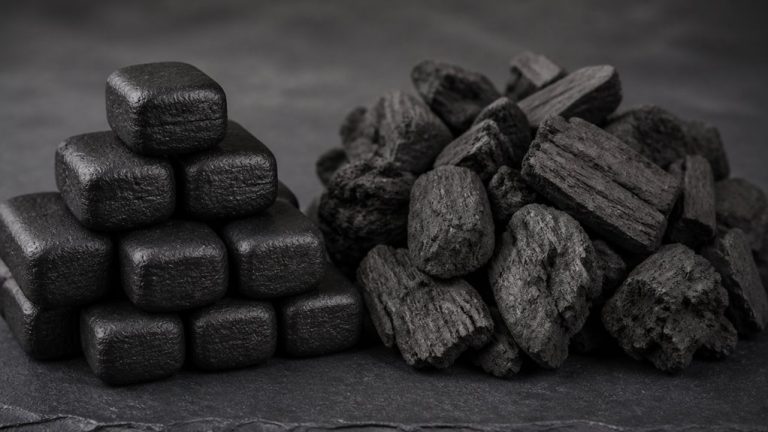
You’ll find offset smokers typically use hardwood logs or lump charcoal, benefiting from their intense, long-lasting heat that fuels the firebox’s horizontal airflow.
Vertical smokers lean more on charcoal briquettes or compressed wood pellets for steady, even heat, matching their natural vertical heat rise.
You’ll need more active fuel management with offsets to maintain temperature variations.
Vertical smokers let you load fuel less often, conserving wood and ensuring consistent cooking throughout.
What Are the Typical Price Ranges for Offset Vs Vertical Smokers?
If your wallet’s ready to take a beating, offset smokers typically start around $300 and can skyrocket past $2,000 for high-end models. Who doesn’t want to pay more for extra temperature babysitting?
Vertical smokers, on the other hand, are the budget-friendly heroes, usually ranging from $100 to $600. They offer you steady heat without the drama.
Can Either Smoker Type Be Used Indoors or in Enclosed Spaces?
You shouldn’t use either offset or vertical smokers indoors or in enclosed spaces due to dangerous smoke and carbon monoxide buildup.
Offset smokers produce intense, wood-fired smoke needing ample ventilation. Vertical smokers generate smoldering smoke that also requires open airflow.
Both demand outdoor setups to guarantee safety and proper smoke dispersal. Even with ventilation, the risk inside enclosed areas remains too high.
Always operate these smokers in open, well-ventilated outdoor environments.
How Do Weather Conditions Affect Offset Versus Vertical Smoker Performance?
Weather’s a wild conductor, shaping your smoker’s symphony.
With offset smokers, wind can disrupt horizontal airflow, forcing you to constantly adjust vents and fire to maintain stable temps.
Vertical smokers, embracing natural heat rise, handle cold or wind better, keeping even temps with less fuss.
Rain chills both, but verticals’ compact design conserves heat more efficiently.
You’ll spend more time babysitting offsets in rough weather, while verticals stay steadier, needing less intervention.
Are There Specific Cleaning Tools Recommended for Each Smoker Type?
You’ll want a wire brush with stiff bristles for offset smokers to tackle creosote buildup in the firebox and chimney.
A scraper helps remove grease from grates and firebox surfaces.
For vertical smokers, a softer nylon brush works better to clean racks without damaging paint or coatings.
You should also use a chimney brush sized to each smoker’s vent for soot removal.
Both benefit from a drip pan cleaner to handle grease buildup.
Choose the Perfect Smoker for Flavorful Results
Choosing between an offset and vertical smoker is like selecting the right tool in a craftsman’s kit. Each offers distinct precision and results.
You’ll find offset smokers excel in heat control and bark development. Vertical smokers shine in space efficiency and consistent smoke flavor.
By understanding these technical nuances, you can tailor your choice to match your cooking goals. This ensures every smoked dish hits the perfect balance of texture, taste, and temperature.