Smoked Cod Fish: Benefits, Nutrition & Best Cooking Tips
You’ll appreciate smoked cod for its firm flesh and low fat, which guarantee even smoke absorption and a refined, mild flavor.
Cold smoking preserves texture and adds subtle smoky notes without cooking. Hot smoking requires precise brining and temperature control to balance moisture and safety.
Proper desalting and storage maintain quality and reduce saltiness. This versatile, high-protein fish suits many dishes and culinary techniques.
Exploring these aspects will deepen your understanding of smoked cod’s unique qualities.
Key Takeaways
- Cod’s firm, low-fat flesh absorbs smoke evenly, making it ideal for both cold and hot smoking methods.
- Cold smoking preserves cod’s texture and imparts subtle smoky flavors without cooking the fish.
- Hot smoking involves brining, drying, and smoking at around 185°F to achieve safe doneness and rich flavor.
- Proper brining and desalting are essential to balance saltiness and enhance moisture and flavor in smoked cod.
- Store smoked cod refrigerated at 34–39°F for up to 14 days, using airtight packaging to maintain freshness and safety.
Why Cod Is Perfect for Smoking?
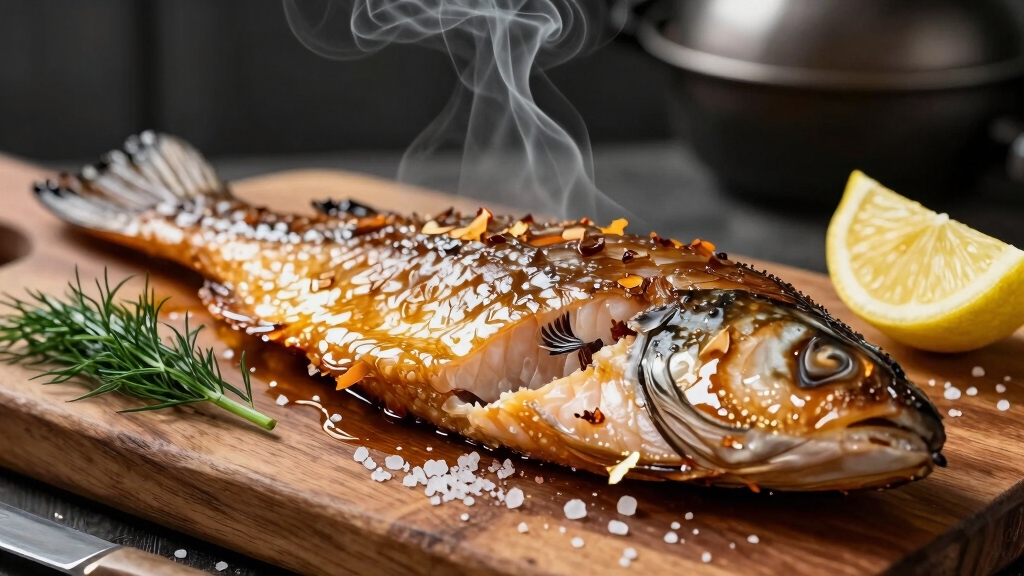
Because cod has firm flesh and minimal bones, it provides an ideal texture for smoking processes. You’ll find its dense muscle structure supports uniform smoke penetration without disintegration.
Cod’s firm flesh and minimal bones ensure even smoke absorption without breaking apart, perfect for smoking.
Cod’s low-fat content—about 0.4-0.7% depending on species—reduces grease flare-ups, ensuring controlled smoke flavor development. Its high moisture content (over 80%) aids in absorbing smoke compounds effectively during both cold and hot smoking.
The non-oily nature leads to a clean, mild flavor that won’t overpower the smoke’s subtle nuances. Additionally, the absence of scales simplifies skin removal, allowing direct smoke exposure to the flesh.
You’ll appreciate that cod’s abundant meat yields consistent fillet thickness, promoting even brining and drying. These factors collectively optimize smoking efficiency and product quality in smoked cod preparation.
For best results, applying a properly balanced brine composition before smoking enhances moisture retention and flavor absorption.
How Cold Smoking Changes Smoked Cod Flavor and Texture?
When you cold smoke cod, you introduce smoke at low temperatures that preserve the fish’s firm texture while infusing it with delicate, nuanced flavors.
The process occurs below 90°F, preventing protein denaturation and moisture loss, consequently maintaining cod’s characteristic firmness and moisture content.
Smoke compounds, primarily phenols and carbonyls, subtly penetrate the muscle fibers, imparting a mild smoky aroma without overpowering cod’s natural sweetness.
The low heat avoids cooking, so the flesh retains its translucent appearance and fine flake structure.
Additionally, the controlled brining preceding cold smoking enhances flavor depth and moisture retention.
This meticulous balance results in a product with refined smokiness, firm yet tender texture, and enhanced shelf life while preserving cod’s nutritional integrity.
To maintain these qualities after smoking, it is important to freeze fish promptly to minimize bacterial risk and texture degradation.
How to Hot Smoke Cod?
Master the hot smoking process by carefully controlling temperature and timing to achieve cod with a moist, flaky texture and deeply developed smoky flavor.
Start by brining ½-inch cod fillets for 5 minutes in an 80°F (27°C) saltwater solution, then rinse and drain.
Next, dry the fillets on oiled screens at 100°F (38°C) for 30 minutes to form a pellicle that enhances smoke adherence.
Smoking the cod at a consistent temperature and ensuring a well-formed pellicle are essential for optimal smoke flavor penetration.
Smoke the cod at 185°F (85°C) for 60 minutes, then allow an additional 15 minutes of smoke exposure without heat to deepen flavor without overcooking.
The internal temperature should reach 140°F (60°C) within 2–3 hours at around 180°F, ensuring safe doneness while preserving moisture.
Finally, cool the fish naturally in the smoker to stabilize texture and flavor before serving or storing.
Picking the Best Brine for Smoked Cod
After completing the hot smoking process, selecting the appropriate brine directly influences the final flavor, texture, and preservation of your smoked cod.
Choosing the right brine after hot smoking shapes your cod’s flavor, texture, and shelf life.
You’ll want a brine that balances salt concentration and complementary flavor agents to enhance the cod’s firm, non-oily flesh without overpowering it.
A typical wet brine combines water with precise salt ratios, around 2.2 lbs per gallon, and may include additives like brown sugar, garlic powder, and ground ginger to introduce subtle sweetness and aromatic complexity.
For hot-smoked cod, a shorter brining time, about 5 minutes, prevents excessive salt absorption and maintains moisture.
Alternatively, dry brining with pure salt suits some cold-smoked variants but risks uneven salt penetration.
Always weigh down the fillets to guarantee consistent brine contact, vital for uniform flavor and texture in the finished product.
It is important to use a non-reactive container during brining to prevent unwanted chemical reactions that could affect flavor and safety.
Nutritional Benefits of Smoked Cod
Smoked cod is quite the catch when it comes to nutrition! It packs a punch with about 17.63 grams of protein per 100 grams, making up around 92% of its caloric content. That’s pretty impressive, right?
Plus, it’s super low in fat—only about 0.66 grams per 100 grams. This makes it a fantastic option for anyone looking to maintain a lean diet without skimping on flavor.
With its well-balanced macronutrient profile, smoked cod isn’t just tasty; it’s a smart choice for supporting muscle maintenance and sticking to low-fat nutrition goals. How great is that?
To maintain its quality and flavor, smoked cod should be properly packaged if you plan to freeze it for later use.
High Protein Content
Discovering the nutritional advantages of smoked cod reveals its particularly high protein content, which constitutes approximately 17.63 grams per 100 grams serving.
This protein level accounts for about 92% of the caloric value, emphasizing smoked cod as a dense source of essential amino acids necessary for tissue repair and enzymatic functions.
When you include smoked cod in your diet, you benefit from its firm flesh, which concentrates protein due to minimal fat and water interference.
The cold and hot smoking processes preserve this protein integrity by avoiding excessive heat-induced denaturation.
Consequently, smoked cod offers a reliable protein profile that supports muscle maintenance and metabolic regulation.
It is a functional food choice for those seeking efficient protein intake in a low-calorie package without compromising nutritional quality.
To maintain its freshness and safety, smoked cod should be stored refrigerated at or below 40°F, with unopened packages lasting up to two weeks under proper conditions, as outlined in smoked salmon storage.
Low Fat Benefits
Alongside its high protein content, smoked cod offers the advantage of very low fat levels, contributing just 0.66 grams per 100 grams.
This low fat concentration, accounting for only 8% of the calorie breakdown, makes smoked cod an ideal choice for those managing caloric intake or cardiovascular health.
Its minimal fat content primarily comprises unsaturated fatty acids, which support heart function without contributing to elevated cholesterol levels.
By choosing smoked cod, you reduce saturated fat consumption while still obtaining essential nutrients.
Additionally, the cold and hot smoking processes don’t markedly increase fat content, preserving its lean profile.
Consequently, incorporating smoked cod into your diet helps maintain a balanced macronutrient ratio, supporting weight management and metabolic efficiency with minimal lipid-related health risks.
However, it is important to consider that smoked fish products can contain added sodium and preservatives, so selecting options with lower sodium content is recommended to support heart health.
Tips for Serving and Storing Smoked Cod
When serving smoked cod, maintaining its delicate flavor and texture requires careful handling and temperature control.
Serve it cold, ideally within two weeks of refrigeration, to preserve freshness and protein integrity.
Avoid freezing, which can degrade texture. If salt content is high, soak fillets briefly in cold water to reduce sodium before serving.
Store smoked cod in airtight packaging to prevent moisture loss and contamination.
Proper refrigeration slows bacterial growth and helps maintain quality during storage, minimizing risks of foodborne illness.
| Action | Temperature | Duration |
|---|---|---|
| Refrigeration | 34-39°F (1-4°C) | Up to 14 days |
| Soaking | Cold water | 15-30 minutes |
| Serving | Chilled | Immediate consumption |
Adhere strictly to these parameters to guarantee peak taste and safety.
Recipes and Meals Featuring Smoked Cod
You can really elevate your meals by adding smoked cod to your recipes. Its firm texture and smoky flavor create a unique taste experience. Have you thought about pairing it with fresh herbs, citrus, or creamy sauces? These ingredients can really enhance the flavors and balance out the dish.
Don’t be afraid to experiment with different serving ideas! Smoked cod not only tastes great, but it also packs some nutritional benefits. Plus, its versatility means you can use it in a variety of culinary applications. So go ahead, get creative in the kitchen!
When preparing smoked fish, it’s important to consider the brining and seasoning process to develop optimal flavor and texture.
Smoked Cod Recipe Ideas
Smoked cod’s firm texture and delicate flavor enhance a variety of culinary applications, from simple appetizers to complex entrees. You can incorporate smoked cod into salads, where its low-fat, high-protein composition complements crisp vegetables and light dressings, providing a balanced macronutrient profile.
For a precise flavor boost, blend flaked smoked cod with cream cheese, lemon zest, and herbs to create a spread that emphasizes its subtle smokiness without overpowering.
In hot preparations, gently fold smoked cod into risottos or pasta dishes, ensuring the protein’s integrity remains intact while infusing the dish with nuanced smoky notes.
When designing recipes, consider the sodium content inherent to smoked cod, adjusting added salt accordingly to maintain nutritional balance and optimize taste.
Choosing between cold and hot smoking methods can greatly influence the final texture and flavor of the smoked cod, tailoring it to your desired culinary experience.
Serving Suggestions
Several versatile serving options highlight the unique texture and flavor profile of smoked cod. You can serve it cold, directly pairing it with light white drinks to complement its firm, non-oily flesh and subtle smoky notes.
Incorporate smoked cod into salads, combining it with fresh greens, citrus segments, and vinaigrettes to balance its saltiness. For a more intricate meal, try flaking it into pasta dishes or risottos, where its protein-rich content enhances both nutrition and flavor complexity.
You can also prepare sushi or sashimi using very fresh smoked cod, ensuring safety and peak taste. If you prefer cooked meals, soak the fillets to reduce salt, then integrate them into chowders or gratins.
These methods maximize smoked cod’s culinary versatility while preserving its nutritional integrity.
How to Desalt and Prepare Smoked Cod for Cooking?
When preparing smoked cod for cooking, desalting is an essential step to guarantee balanced flavor and texture. The high sodium content from brining requires controlled soaking to avoid over-salting or excessive moisture loss.
Follow these steps: Soak fillets in cold water for 1 to 2 hours, changing water every 30 minutes to extract excess salt efficiently. After desalting, pat the fish dry with paper towels to remove surface moisture and prevent sogginess during cooking.
Inspect for residual saltiness by tasting a small piece; repeat soaking if necessary. Prepare the cod by trimming any tough edges or skin remnants to ensure uniform cooking and optimal texture.
This method preserves the cod’s firm flesh and delicate protein structure, essential for achieving a balanced culinary outcome.
Frequently Asked Questions
What Is the History of Smoking Cod Fish?
You trace the history of smoking cod back to ancient preservation techniques, where smoking extended the fish’s shelf life before refrigeration.
Coastal communities relied on cold and hot smoking to inhibit bacterial growth while enhancing flavor.
This method evolved with regional brining variations, balancing salt and smoke exposure.
You see how smoking cod became essential for storage and trade, combining practical preservation with culinary tradition.
This shaped today’s artisanal and commercial practices.
Are There Environmental Concerns With Cod Fishing?
Yes, you should be aware that cod fishing poses significant environmental concerns. Overfishing has led to dramatic declines in cod populations, disrupting marine ecosystems and affecting biodiversity.
Unsustainable fishing practices risk stock collapse, impacting food chains and local economies. You need to support regulated quotas and sustainable methods like selective gear to minimize bycatch and habitat damage.
Monitoring and adaptive management are essential for preserving cod stocks and marine health long-term.
How Does Smoked Cod Compare to Other Smoked Fish Types?
When you taste smoked cod, you’ll find its mild, firm flesh contrasts sharply with the oily richness of smoked salmon or mackerel.
Its low-fat content and subtle smoky notes make it a leaner, cleaner option.
You get high protein with minimal fat, unlike fattier smoked fish that pack more calories.
Plus, cod’s delicate texture means it absorbs smoke evenly, offering a refined, balanced flavor profile that’s less intense but equally satisfying.
Can Smoked Cod Be Frozen Without Losing Quality?
Yes, you can freeze smoked cod without markedly losing quality if you properly seal it in airtight packaging to prevent moisture loss and freezer burn.
However, freezing may slightly alter its texture, making it less firm upon thawing.
For best results, freeze promptly after smoking and consume within 2-3 months.
Always thaw slowly in the refrigerator to preserve flavor and minimize quality degradation.
What Types of Wood Are Best for Smoking Cod?
You want wood that complements cod’s delicate, firm flesh without overpowering it.
Alder, apple, and cherry woods are your best bets; they impart mild, slightly sweet smoke that enhances flavor precisely.
Avoid heavy woods like hickory or mesquite since they can mask cod’s subtlety.
Coincidentally, fruitwoods offer a balanced smoke profile, so you get a clean, refined taste.
Use these woods in cold or hot smoking to maintain that perfect flavor balance.
Perfecting Smoked Cod: Your Final Takeaway
Smoking cod transforms its mild flavor and firm texture into a complex, savory delight, much like a painter layering colors for depth.
Whether you cold or hot smoke, choosing the right brine enhances moisture retention and taste. Understanding nutritional benefits and proper storage guarantees quality and safety.
By mastering desalting techniques, you prepare cod perfectly for diverse recipes. With these precise methods, you’ll consistently achieve smoked cod that’s both flavorful and versatile.