Can You Freeze Barbecue: Tips to Keep It Fresh Longer
Yes, you can freeze barbecue safely by quickly cooling it to 40°F or below and storing it at 0°F with airtight packaging like vacuum-sealed bags. This helps prevent freezer burn and preserves flavor.
Portion your BBQ into single servings, removing excess moisture to reduce ice crystal damage. While vacuum sealing extends shelf life up to a year, typical freezer storage keeps it good for about three months.
Proper thawing and reheating maintain juiciness and texture. Explore more to master every step.
Key Takeaways
- Yes, you can freeze barbecue safely by cooling it to 40°F and freezing within 2 hours of cooking to maintain quality and safety.
- Use airtight packaging like vacuum sealing or heavy-duty freezer bags to prevent freezer burn and preserve flavor and moisture.
- Portion barbecue into single servings and flatten packages for even freezing and easier thawing without repeated refreezing.
- Thaw frozen barbecue in the refrigerator to keep temperatures safe and avoid bacterial growth.
- Reheat gently at low temperatures with a splash of sauce or broth to retain moisture and tenderness.
Freezing Barbecue Meat Safely and Maintaining Quality
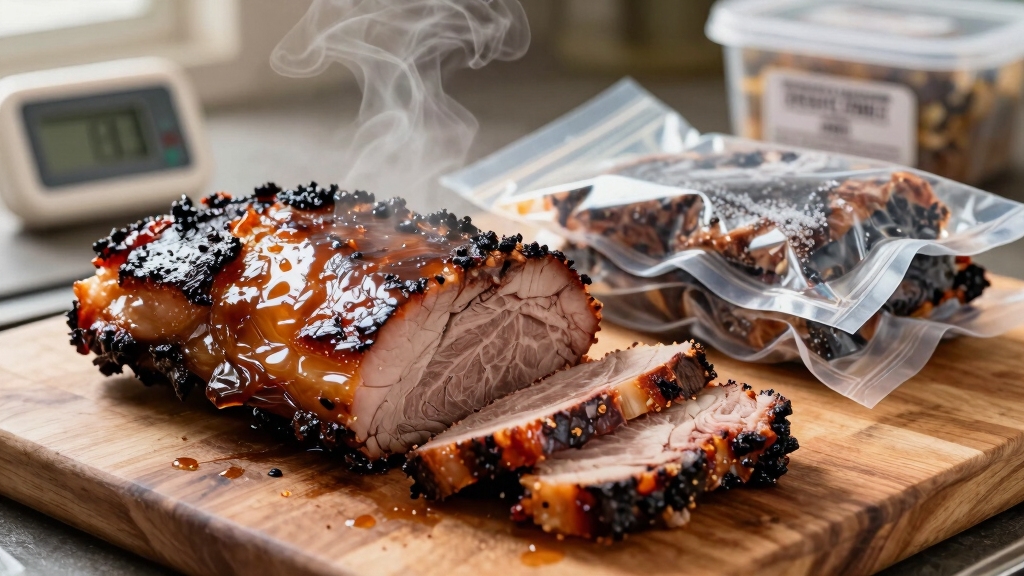
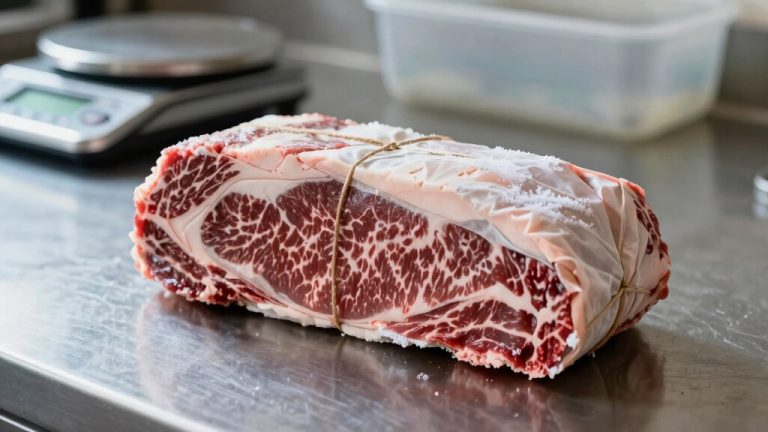
Freezing barbecue meat safely starts with proper preparation to preserve both flavor and texture.
You should dab the meat dry to reduce ice crystal formation, which can damage cell structure and degrade quality.
Freezing uncooked meat before the use-by date maximizes nutrient retention and taste.
If the meat is already defrosted, use it within 24 hours or cook it before refreezing to prevent bacterial growth.
Utilize airtight packaging to avoid freezer burn and oxidation, which lead to rancidity, especially in meat products.
Vacuum sealing extends shelf life up to a year, but typical freezer storage safely maintains barbecue meat quality for three months.
These measures collectively guarantee that when you thaw and cook your barbecue meat, it retains its intended juiciness and flavor profile.
For best results, always freeze the meat immediately after rapid cooling to 40°F or below to prevent bacterial growth and preserve quality. rapid cooling
How to Pack Your BBQ for Freezing?
Sure! Here’s a more conversational version of your text:
—
Alright, so if you want to freeze your barbecue the right way, you’ll need some airtight packaging. This is super important because it keeps air out and helps prevent that pesky freezer burn.
Now, a great tip is to portion your meat into single meals. It makes things so much easier later on!
Plus, if you flatten those packages, you’ll save space in the freezer and make sure everything freezes evenly.
Doing it this way not only keeps the texture nice but also extends the shelf life. It really helps reduce oxidation and moisture loss, so your BBQ stays delicious for longer!
Just remember to cool the meat to room temperature before packaging to avoid condensation and ice crystal formation, which can affect quality freezing preparation.
Airtight Packaging Techniques
Master airtight packaging to extend your BBQ’s freezer life and maintain its quality.
Begin by removing excess air, which prevents freezer burn and bacterial growth. Vacuum sealing is the most effective method, preserving meat up to one year by eliminating oxygen exposure.
If you lack a vacuum sealer, use heavy-duty zipper bags and press out as much air as possible. Ideally, replace it with a small amount of sauce or broth to maintain moisture.
Always dab meat dry before sealing to reduce ice crystal formation that damages texture. Use moisture-resistant materials like freezer-grade plastic or foil to block humidity.
Proper airtight packaging not only preserves nutrients but also prevents oxidation. This ensures your BBQ tastes fresh and safe after freezing.
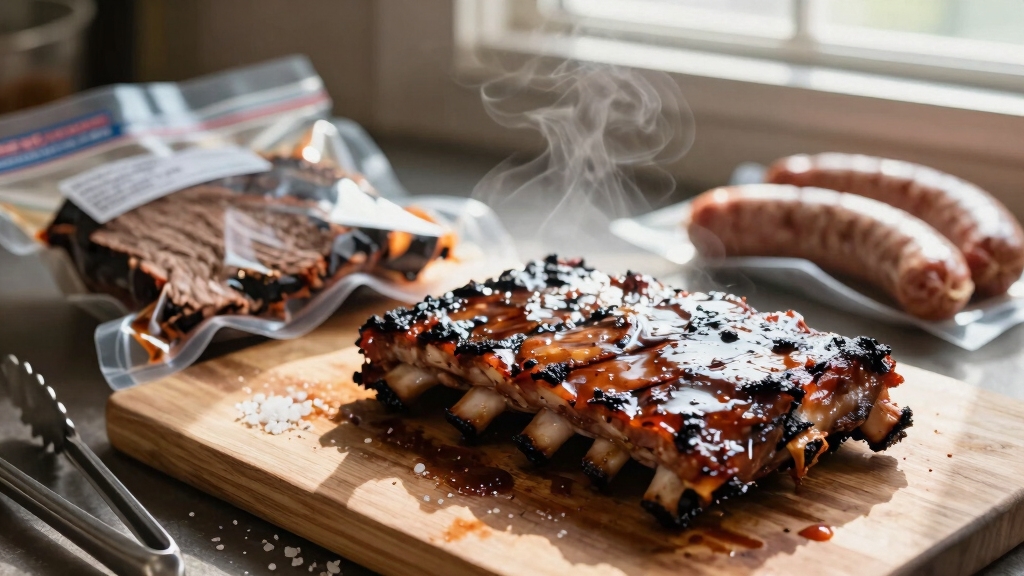
For best results, ensure the ribs are cooled to room temperature on a wire rack before packaging to prevent ice crystal formation and texture damage.
Portioning And Flattening
Divide your BBQ into single-serving portions before freezing to optimize storage efficiency and maintain quality. This approach prevents repeatedly thawing and refreezing large batches, which accelerates spoilage and nutrient loss.
Use airtight containers or vacuum-sealed bags to reduce oxygen exposure. Flatten each portion by pressing it evenly within the packaging. This enhances cold penetration, leading to faster, uniform freezing and minimizing ice crystal formation that damages texture.
Flattened packages also stack neatly, maximizing freezer space. For sauced BBQ, consider adding a thin broth layer to retain moisture and prevent drying. Label each portion with contents and freezing date for inventory control.
Research shows that these techniques preserve flavor and texture better than bulky, irregularly packed portions, enabling you to enjoy your BBQ at near-original quality after storage. Freeze your BBQ within 2 hours of cooking to maintain optimal freezer safety.
How Long You Can Freeze Different BBQ Meats?
Although freezing can preserve most barbecue meats for months, the exact duration depends on the type of meat and how well it’s stored.
Freezing preserves barbecue meats for varying lengths, depending on the meat type and storage quality.
Beef cuts like steak can last up to one year when vacuum-sealed, benefiting from their dense muscle fibers that resist freezer burn.
Meat products, including meat belly and sausages, maintain peak quality for about three months; beyond that, oxidation and rancidity risk increase greatly.
You should always use airtight packaging to prevent moisture loss and bacterial contamination.
Uncooked or cooked meats freeze best when portioned and flattened, ensuring rapid freezing and minimal ice crystal formation.
Keep in mind that improperly sealed or loosely wrapped BBQ meats deteriorate faster, reducing shelf life to just weeks.
Following these guidelines helps you freeze barbecue safely while preserving flavor and texture.
For best results, maintain a consistent freezer temperature at 0°F (-18°C) to prevent spoilage and inhibit bacterial growth.
How to Defrost BBQ Without Losing Flavor?
When you defrost barbecue, handling the process carefully helps preserve its flavor and texture. The most reliable method is thawing in the refrigerator, which keeps the meat at a safe, consistent temperature below 40°F.
This minimizes bacterial growth and moisture loss. Avoid thawing at room temperature, as it accelerates bacterial proliferation and degrades texture. For thinner cuts, grilling directly from frozen can help retain roasted notes without compromising safety.
Always keep the BBQ wrapped or sealed to prevent moisture escape and flavor dilution. Once thawed, consume within 24 hours to avoid quality decline.
Avoid refreezing thawed raw meat, as repeated freeze-thaw cycles break down muscle fibers, causing dryness and flavor loss. This approach guarantees your BBQ retains its intended juice and taste post-defrost.
For best results, ensure rapid freezing before storage to minimize ice crystal formation and preserve texture.
How to Reheat Frozen BBQ to Keep It Juicy?
After carefully defrosting your barbecue to preserve its flavor and texture, the next step is reheating it in a way that maintains moisture and juiciness.
Properly defrosted barbecue requires gentle reheating to keep it moist and flavorful.
Avoid microwaving, as it often dries meat unevenly. Instead, wrap your BBQ in foil with a splash of water or broth to create steam.
Then heat it slowly in a low-temperature oven (around 250°F). This method gently warms the meat, preventing moisture loss and preserving tenderness.
Alternatively, you can use the boil-in-bag technique for vacuum-sealed portions, immersing them in hot water for 15-20 minutes to evenly reheat without drying.
These evidence-based approaches minimize juice loss and maintain BBQ quality, ensuring your reheated meat stays flavorful and succulent.
For extended holding after reheating, wrapping ribs tightly in heavy-duty foil helps to lock in heat and moisture for optimal flavor retention.
How to Prevent Freezer Burn and Keep BBQ Flavorful?
To keep your BBQ tasting great and prevent freezer burn, it’s all about using the right packaging. You want something airtight that keeps air out and moisture in. Have you tried vacuum sealing? It works wonders! If you don’t have one, zipper bags can do the trick too—especially if you add a little sauce or broth. That extra liquid creates a nice barrier that helps keep everything juicy.
Also, here’s a handy tip: drying the meat before you wrap it up can really help. It reduces ice crystal formation, which is key to maintaining texture. So, before you seal it up, give it a little pat down. Trust me, your taste buds will thank you later! For best results, try to freeze quickly to limit ice crystal damage and maintain quality.
Airtight Packaging Techniques
Master airtight packaging to effectively prevent freezer burn and preserve the rich flavors of your barbecue. Start by vacuum sealing your BBQ whenever possible, as this method removes air and seals in moisture, extending freezer life up to a year.
If vacuum sealing isn’t an option, use high-quality zipper bags, ensuring you press out as much air as possible before sealing. Flattening packages promotes uniform freezing and reduces exposure to fluctuating temperatures.
Before packaging, dab excess moisture from the meat to limit ice crystal formation, which damages texture and taste. For added protection, consider wrapping meats in plastic wrap or foil prior to bagging.
These evidence-based techniques minimize oxidation and bacterial growth, maintaining nutrient quality and flavor integrity during freezing. Proper control of variables such as temperature, packaging, and timing is essential to preserve the nutritional value and safety of your barbecue during storage.
Moisture Retention Tips
Maintaining ideal moisture levels is crucial to preventing freezer burn and preserving the full flavor of your barbecue.
To achieve this, always dab excess surface moisture from cooked meat before freezing. Excess water promotes ice crystal formation that damages texture.
Use airtight vacuum sealing or zipper bags with added broth or sauce to displace air, reducing oxidation and moisture loss. Flatten packages for uniform freezing, which helps maintain cell integrity.
Avoid microwaving when reheating, as it dries the meat. Instead, use low-temperature ovens with sauce or simmer vacuum packs to retain juiciness.
Utilizing rapid freezing methods like SuperFrost (-32°C) also limits ice crystal growth.
Proper refrigeration and freezing practices can extend the quality of smoked meats up to 12 months when vacuum sealed, ensuring safety and flavor retention during storage of your barbecue smoked meats shelf life.
Frequently Asked Questions
Can You Refreeze BBQ Meat After Cooking It Twice?
You shouldn’t refreeze BBQ meat after cooking it twice because each freeze-thaw cycle increases bacterial risk and degrades quality.
Once cooked and thawed, consume or refrigerate within 24 hours. If you must freeze again, cook the meat thoroughly before freezing to kill bacteria.
However, repeated freezing causes moisture loss, tough texture, and flavor decline. Prioritize portioning meals to avoid multiple refreezing and maintain safety and taste.
Is It Safe to Freeze BBQ Sauce Separately From Meat?
Yes, you can safely freeze barbecue sauce separately from meat. Freezing sauce alone helps maintain its flavor and texture without contamination risks from meat.
Use airtight containers or zipper bags, removing excess air to prevent freezer burn. Portion the sauce to thaw only what you need.
When ready, thaw it gently in the refrigerator to preserve quality. This method guarantees better control over each component’s freshness and safety.
How Does Freezing Affect the Texture of Smoked BBQ Ribs?
Freezing smoked BBQ ribs can slightly alter their texture, making the meat a bit drier or firmer due to ice crystal formation damaging muscle fibers.
Studies show properly vacuum-sealed ribs maintain quality up to a year, minimizing this effect.
To preserve tenderness, dab ribs dry before freezing and reheat slowly with moisture, like in foil with broth.
This approach limits texture changes while keeping ribs flavorful and juicy.
Can You Freeze BBQ Sides Like Baked Beans or Coleslaw?
You can freeze baked beans, as their moisture and sauce help preserve texture and flavor well. Use airtight containers or vacuum seal to avoid freezer burn.
However, coleslaw doesn’t freeze well; its raw vegetables become watery and limp after thawing, ruining the crisp texture. If you must freeze coleslaw, remove creamy dressings first, freeze the veggies separately, and add dressing fresh after thawing to maintain quality.
What’s the Best Way to Thaw BBQ in a Hurry?
When time’s tight, haste makes waste, but you can thaw BBQ quickly by using cold water.
Seal the meat airtight and submerge it in cold water, changing water every 30 minutes for even thawing.
This method balances speed and safety, preventing bacterial growth.
Avoid microwaving, as it cooks unevenly and compromises texture.
Once thawed, cook immediately to maintain flavor and food safety.
This approach preserves quality without sacrificing time.
Seal in the Smoke: Keep Your Barbecue Flavor Alive
Freezing barbecue is like capturing summer’s warmth in a frosty jar. Preserving its smoky essence with care is essential. By packing your meat tightly and freezing it promptly, you lock in juiciness and flavor.
Avoid freezer burn by sealing air out, ensuring each bite tastes as rich as the moment it was grilled. With these precise steps, your barbecue remains a flavorful ember, ready to reignite at any time.