Is Charcoal Grill Bad for You? What You Should Know
Charcoal grilling can expose you to harmful smoke and chemicals like HCAs and PAHs, which form at high temperatures and may increase cancer risk.
Breathing charcoal smoke, especially indoors or in poor ventilation, can irritate your lungs and harm air quality.
However, occasional outdoor grilling with proper habits, like marinating meat, trimming fat, and avoiding heavy charring, can minimize risks.
Understanding these factors helps you enjoy grilling safely while preserving flavor and health.
Key Takeaways
- Charcoal grilling produces harmful carcinogens like HCAs and PAHs, especially with high heat and charring.
- Inhaling charcoal smoke can irritate lungs and cause respiratory issues, particularly in poorly ventilated spaces.
- Cooking meat at high temperatures and allowing fat to drip onto coals increases toxic compound formation.
- Outdoor grilling with good ventilation poses minimal health risks compared to indoor or enclosed-area grilling.
- Using marination, trimming fat, and indirect heat reduces harmful chemical formation and exposure during grilling.
Health Risks From Charcoal Grilling Smoke and Carcinogens

While charcoal grilling can add great flavor to your food, it also exposes you to certain health risks from smoke and carcinogens formed during cooking.
When you grill, harmful compounds like heterocyclic amines (HCAs) and polycyclic aromatic hydrocarbons (PAHs) can form, especially if you cook meat at very high heat or let it get heavily charred.
Additionally, charcoal smoke contains carbon monoxide and fine particulate matter that may irritate your lungs, particularly if you grill indoors or in poorly ventilated areas.
These risks depend on how often you grill, what you cook, and how you manage heat and smoke.
Charcoal can produce higher PAH levels with incomplete combustion, which increases potential health concerns.
How Charcoal Grilling Produces HCAs and PAHs in Meat?
Grilling meat over charcoal creates specific chemical reactions that lead to the formation of heterocyclic amines (HCAs) and polycyclic aromatic hydrocarbons (PAHs).
Charcoal grilling triggers chemical reactions forming heterocyclic amines (HCAs) and polycyclic aromatic hydrocarbons (PAHs).
HCAs form when amino acids and creatine in meat react at high temperatures, especially above 300°F.
PAHs develop when fat drips onto hot coals, creating smoke that deposits these compounds onto the meat’s surface.
Both HCAs and PAHs increase as cooking temperature rises and grilling time lengthens.
You’ll produce more HCAs with thicker cuts cooked longer, while flare-ups from fat create extra PAHs.
Understanding these processes helps you manage risks by adjusting grilling techniques.
For instance, pre-cooking and trimming fat reduce chemical formation.
While grilling over charcoal isn’t inherently harmful, knowing how HCAs and PAHs form lets you make safer choices when enjoying your barbecue.
Controlling airflow and oxygen levels during grilling can also influence the intensity of smoke and chemical formation, helping reduce HCAs and PAHs.
Why Eating Charred Meat Raises Cancer Concerns?
When you eat charred meat, you’re taking in something called heterocyclic amines, or HCAs for short. These compounds form when muscle meats are cooked at high temperatures, and research has linked them to DNA damage. Yikes, right?
But that’s not all. You also have to consider polycyclic aromatic hydrocarbons, or PAHs. These come from smoke and those annoying flare-ups that happen while grilling. They can settle on your food, which raises even more cancer concerns. Mesquite wood, for example, produces higher levels of PAHs during combustion compared to other smoking woods, increasing potential health risks if not properly controlled.
Formation Of HCAs
Because high heat triggers chemical reactions in meat, eating charred or heavily grilled meat raises concerns about heterocyclic amines (HCAs). HCAs form when amino acids and creatine in muscle meats react at temperatures above 300°F (150°C).
You should understand these key points:
- HCAs are linked to DNA damage, which can increase cancer risk according to laboratory studies.
- The amount of HCAs depends on cooking time, temperature, and meat type. Longer, hotter grilling creates more HCAs.
- Unlike HCAs, vegetables don’t form these compounds when grilled, making them a safer choice.
While HCAs pose a potential risk, moderate grilling with proper techniques can reduce their formation. This helps you enjoy grilled foods more safely without eliminating charcoal grilling altogether. It is also important to use a digital thermometer to monitor internal meat temperature and avoid excessive charring.
Impact Of PAHs
Although cooking meat over an open flame offers distinct flavors, it also exposes you to polycyclic aromatic hydrocarbons (PAHs), harmful compounds linked to cancer risk.
PAHs form when fat drips onto hot charcoal or flames, creating smoke that deposits these chemicals on your food, especially charred portions.
Research shows PAHs can damage DNA, increasing cancer risk over time. However, the level of risk depends on how often you grill, the cooking temperature, and how much charring occurs.
You can reduce PAH exposure by trimming fat, avoiding direct flame contact, and cooking at lower heat. Using marinades and pre-cooking meat also helps.
While PAHs raise valid concerns, practicing safer grilling habits lets you enjoy charcoal flavor with less health risk. Alternatively, using properly seasoned wood like oak for smoking can provide flavorful results with a reduced risk of harmful chemical exposure.
How Charcoal Smoke Affects Your Lungs and Indoor Air Quality?
When you grill with charcoal, the smoke releases carbon monoxide and fine particles. These can really irritate your lungs.
If you breathe this smoke often, especially in places with poor ventilation, it might up your respiratory risks.
That’s why having good airflow is so important! It helps keep indoor air quality safe while you’re grilling.
Using proper airflow management is essential to reduce smoke and maintain consistent heat during charcoal grilling.
Charcoal Smoke Composition
Understanding charcoal smoke composition is key to recognizing how it impacts your lungs and indoor air quality. When you burn charcoal, it releases a complex mix of substances that can affect your breathing environment.
Here are the main components you should know about:
- Carbon monoxide (CO): A colorless, odorless gas that can be harmful, especially in enclosed spaces with poor ventilation.
- Particulate matter (PM): Tiny particles that can irritate your respiratory system and reduce air quality.
- Polycyclic aromatic hydrocarbons (PAHs): Chemicals formed by incomplete combustion that may deposit on food and in the air.
Being aware of these pollutants helps you understand why proper ventilation and careful grilling practices matter to limit your exposure. Because charcoal combustion produces bold, rich smoke compounds, it can result in a more intense presence of these pollutants compared to other grilling methods.
Respiratory Health Risks
The pollutants released by charcoal smoke, like carbon monoxide and particulate matter, can directly impact your respiratory health and indoor air quality.
When you breathe in these fumes, your lungs may experience irritation, leading to coughing, wheezing, or shortness of breath.
Long-term exposure to charcoal smoke, especially in poorly ventilated spaces, might increase your risk of developing chronic respiratory conditions.
While occasional outdoor grilling poses minimal risk, using charcoal indoors or near enclosed areas raises harmful exposure markedly.
It’s important to recognize that even without heavy charring, combustion byproducts can affect your air quality.
Being mindful of how and where you grill helps protect your lungs from these hazards, balancing enjoyment with safety based on current scientific understanding.
Additionally, environmental factors such as humidity and smoke absorption can influence the intensity and impact of smoke on respiratory health.
Importance Of Ventilation
Although charcoal grilling outdoors is generally safe, poor ventilation can markedly increase your exposure to harmful smoke and gases like carbon monoxide.
When you grill in enclosed or poorly ventilated spaces, harmful combustion byproducts accumulate, posing real health risks. Here’s what you should keep in mind:
- Carbon monoxide can build up quickly indoors, leading to dizziness, headaches, or worse.
- Fine particulate matter from smoke irritates your lungs and may worsen respiratory conditions.
- Prolonged exposure to charcoal smoke indoors may contribute to long-term lung damage.
To protect yourself, always grill in open, well-ventilated areas. Avoid indoor charcoal grilling, and make sure wind or exhaust fans disperse smoke effectively.
Ventilation reduces harmful exposure and keeps your indoor air quality safe while you enjoy your cookout. Using devices without proper ventilation and safety features indoors can increase the risk of carbon monoxide poisoning and respiratory harm.
Grilling Habits That Increase Exposure to Harmful Chemicals
When you grill at very high temperatures or allow fat to drip onto the hot coals, your food can accumulate higher levels of harmful chemicals like HCAs and PAHs.
Grilling at high heat or letting fat drip onto coals increases harmful chemicals like HCAs and PAHs in your food.
These compounds form especially when meat is cooked over direct flames or charred heavily. Frequent flipping with piercing tools can also increase flare-ups, causing more PAHs to deposit on your food.
Cooking thick cuts for long periods near intense heat raises chemical formation, while trimming excess fat reduces flare-ups.
Grilling indoors or in poorly ventilated spaces increases your exposure to carbon monoxide and smoke, compounding risks.
To lower exposure, avoid very high heat, limit fat drippings, and handle food gently.
Adopting these habits helps reduce harmful chemical buildup without giving up charcoal grilling altogether.
Additionally, using woods with high resin content, such as pine wood, can produce toxic smoke and should be avoided for safer grilling.
What to Know About Grilling Vegetables and Fruits Safely?
Keeping an eye on how you grill meat is important, but you can also enjoy grilling vegetables and fruits with less worry about harmful compounds.
Unlike meat, vegetables and fruits don’t form heterocyclic amines (HCAs) during grilling. However, you should still be mindful of smoke exposure and charring.
To grill vegetables and fruits safely, consider these tips:
- Avoid direct contact with flames to prevent excessive charring and smoke absorption.
- Use a grill basket or foil to reduce smoke exposure and keep smaller pieces from falling through grates.
- Choose firmer vegetables and fruits that hold up well to heat, like bell peppers, zucchini, pineapple, and peaches.
Grilling produce offers a flavorful, nutrient-rich option with lower risks when done thoughtfully.
Simple Steps to Reduce Cancer-Causing Chemicals When Grilling
You can cut down on cancer-causing chemicals while grilling by adopting a few straightforward practices.
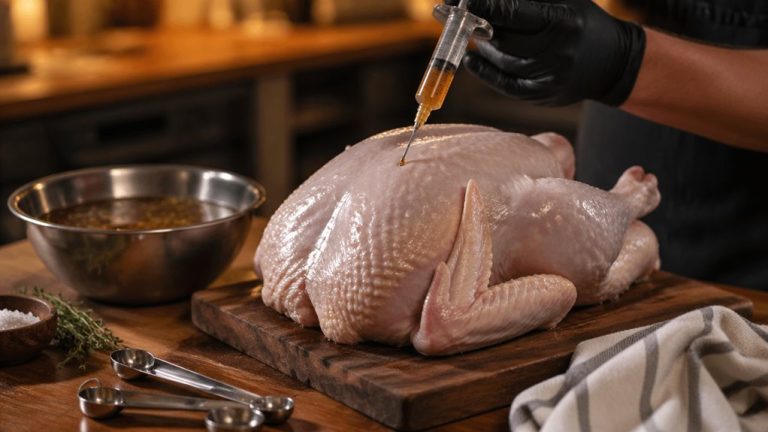
Start by marinating your meat; studies show this can reduce heterocyclic amine (HCA) formation markedly.
Marinating meat significantly reduces the formation of harmful heterocyclic amines during grilling.
Trim excess fat to prevent flare-ups that produce harmful polycyclic aromatic hydrocarbons (PAHs).
Pre-cooking larger cuts in the oven or microwave shortens grill time and exposure to high heat.
Use lower heat settings and flip food frequently to avoid charring and direct flame contact.
Opt for lean proteins and include plenty of vegetables, which don’t form HCAs during grilling.
These steps don’t eliminate risks but help minimize exposure to carcinogens formed by smoke and high-temperature cooking, making your grilling both enjoyable and safer.
How to Grill Safely Without Losing Charcoal Flavor?
Applying safer grilling practices doesn’t mean sacrificing the smoky, rich flavor that makes charcoal grilling so popular. You can enjoy that classic taste while minimizing health risks by following a few key steps:
- Use indirect heat by arranging coals to one side, allowing food to cook slower without heavy charring.
- Marinate proteins before grilling to reduce harmful compound formation and enhance flavor.
- Trim excess fat to prevent flare-ups that create carcinogenic smoke, but keep some fat for flavor and moisture.
When Charcoal Grilling Is Most Risky and How to Avoid It?
Although charcoal grilling offers delicious flavor, certain conditions significantly increase health risks that you should be aware of.
Cooking at very high heat, especially when fat drips onto coals, raises the formation of harmful compounds like HCAs and PAHs, linked to cancer.
Poor ventilation also increases exposure to carbon monoxide and smoke, which can irritate your lungs.
To minimize risks, avoid heavy charring, trim excess fat, and cook with lower heat.
Pre-cooking larger cuts and marinating meat help reduce harmful chemical formation.
Flip food frequently without piercing it to prevent flare-ups.
Opt for vegetables or lean proteins more often, as they produce fewer carcinogens.
Frequently Asked Questions
Can Charcoal Grills Be Used Safely in Apartments or Balconies?
You can use charcoal grills on apartments or balconies, but you need to be cautious.
Make sure the area is well-ventilated to avoid dangerous carbon monoxide buildup.
Avoid grilling indoors or in enclosed spaces.
Keep the grill away from flammable materials and never leave it unattended.
Using safer grilling practices, like trimming fat and avoiding heavy charring, reduces risks.
Check your building’s rules, as many prohibit charcoal grills for safety reasons.
What Types of Charcoal Are Best for Healthier Grilling?
You’ll want to choose natural lump charcoal or hardwood briquettes without additives for healthier grilling. These burn cleaner and produce less chemical residue than charcoal with fillers or lighter fluid.
Avoid charcoal with chemical binders or accelerants, as they release more harmful fumes. Using natural charcoal reduces smoke and harmful compounds, helping you grill more safely.
How Do Charcoal Grills Compare to Gas Grills in Health Risks?
Imagine you often grill burgers on charcoal, then switch to gas to avoid smoke.
Compared to charcoal, gas grills generally produce fewer harmful compounds like HCAs and PAHs since they burn cleaner and at more controlled temperatures.
However, both can form these chemicals if you char food heavily.
You’ll reduce health risks by managing heat and avoiding flare-ups on either grill, but gas tends to offer a slight edge in minimizing smoke-related exposure.
Are Electric Charcoal Starters Safer Than Lighter Fluid?
Yes, electric charcoal starters are generally safer than lighter fluid.
You won’t deal with flammable chemicals, reducing fire hazards and harmful fumes.
Electric starters heat coals evenly without adding chemical odors or tastes to your food.
Just be sure to use them outdoors and handle the device carefully to avoid burns.
They’re a cleaner, more controlled way to start your charcoal grill, making your grilling experience safer and more enjoyable.
Does Using Wood Chips With Charcoal Affect Health Risks?
Using wood chips with charcoal can increase health risks because the added smoke produces more polycyclic aromatic hydrocarbons (PAHs), which are linked to cancer.
However, if you use wood chips sparingly and guarantee good ventilation, you can minimize exposure.
Avoid heavy charring and flare-ups caused by dripping fat to reduce harmful compounds.
Balancing flavor and safety means controlling smoke and heat rather than eliminating wood chips altogether.
The Bottom Line on Charcoal Grilling and Health
So, you love that smoky charcoal flavor but worry about cancer risks? Don’t panic. Charcoal grilling isn’t a one-way ticket to doom.
Just remember, over-charred meat and inhaling smoke aren’t exactly health spa treatments. By tweaking your grilling habits and keeping things balanced, you can enjoy your cookout without turning it into a chemistry experiment.
After all, life’s too short not to savor the sizzle. Just maybe skip the blackened bits this time.