How to Smoke Whole Chicken: Juicy, Tender & Flavorful
To smoke a whole chicken, brine it for 4–12 hours, then dry the skin thoroughly for crispiness.
Maintain your smoker between 275°F and 325°F, placing the bird breast-side up with a probe in the thickest part.
Smoke until the breast hits 160–165°F. Then raise heat to 350–375°F to finish and crisp the skin.
Rest for 10–20 minutes before serving to keep it juicy. Keep following closely for tips on wood choice, rubs, and timing.
Key Takeaways
- Maintain smoker temperature between 275°F and 325°F, raising heat near the end to crisp skin without drying meat.
- Brine chicken with kosher salt, rinse, dry thoroughly, and apply rub under loosened skin for flavor and moisture retention.
- Position chicken breast-side up on the center rack and insert a probe thermometer in the thickest breast area avoiding bone.
- Smoke chicken for 2.5 to 3 hours at 275°F for a 4–5 pound bird, adjusting time if using different temperatures.
- Remove chicken at 160–165°F breast temp, then rest 10–20 minutes to allow carryover heat and juice redistribution.
Choose the Right Temperature for Smoking Whole Chicken

Selecting the right temperature is key to smoking a whole chicken that’s juicy and flavorful.
You’ll want to maintain your smoker between 275°F and 325°F for optimal results. Lower temperatures around 225°F extend cooking time and may soften the skin, which isn’t ideal if you want crispness.
A medium range of 250–275°F balances cooking speed and texture, making it a preferred choice. For quicker sessions, push your heat to 300–325°F, but watch closely to avoid drying out the meat.
Always use a reliable thermometer to monitor the internal temperature, aiming for a breast temperature of 165°F to guarantee safety and tenderness.
Adjusting temperature within these ranges lets you control both cook time and skin texture effectively.
When the breast temperature reaches 130–140°F, it’s recommended to raise the grill heat to 350–375°F to crisp the skin and complete cooking, ensuring the best texture and flavor for your smoked chicken. This step is often referred to as the finishing step in smoking technique.
Smoking Times by Chicken Weight
When it comes to smoking chicken, you’ll definitely want to tweak your cooking times based on the weight of the bird.
For those smaller chickens, around 4 pounds, you’re usually looking at about 2 to 3 hours at 275°F. But if you’ve got a larger bird, well, it’s going to need a bit more time.
And remember, the best way to ensure everything is cooked evenly is to keep an eye on the internal temperature instead of just watching the clock.
That way, you can be sure your chicken is perfectly smoked and ready to enjoy!
For best results, maintain a stable smoker temperature around 250°F and monitor the target internal temperatures in both the breast and thigh to guarantee doneness and juiciness.
Weight-Based Smoking Times
Adjusting your smoking time based on the chicken’s weight guarantees even cooking and ideal texture. Lighter chickens cook faster, while heavier birds need more time to reach that safe 165°F in the breast.
Use weight as a practical guide but always confirm doneness with a thermometer. Here’s a quick reference:
- 3–4 pounds: 2 to 2.5 hours at 275°F
- 4–5 pounds: 2.5 to 3 hours at 275°F
- 5–6 pounds: 3 to 3.5 hours at 275°F
Smoking at lower temps (225°F) extends time by 1 to 2 hours. Hotter smoking (300–325°F) reduces time by up to an hour. For best results, maintain consistent smoker temperature throughout the cooking process to ensure even doneness and optimal flavor.
Adjusting Time For Size
Because the size of your whole chicken directly affects cooking time, it’s important to tailor your smoking duration to the bird’s weight.
For a 4–5 pound chicken, plan for about 2 to 3 hours at 275°F. Smaller birds around 3–4 pounds will finish closer to 1.5 to 2.5 hours at higher temps of 300–325°F.
Larger birds, 5–6 pounds, require additional time, often pushing beyond 3 hours at moderate heat.
Use these times as a guideline, but always rely on your thermometer to check internal temperature.
Aim for 165°F in the breast for safety, factoring in carryover heat during resting. Adjust your smoking time accordingly to ensure thorough cooking without over-drying or undercooking the meat.
Maintaining consistent smoker temperature throughout the process is key to achieving juicy, evenly cooked chicken.
Picking the Best Wood for Mild Smoke
Selecting the right wood is essential when aiming for a mild smoke flavor that complements rather than overpowers the chicken. You want wood that lends subtle sweetness and gentle aroma, enhancing the meat’s natural taste without masking it.
Choosing the right wood ensures a mild, sweet smoke that enhances chicken’s natural flavor without overpowering it.
Here are the best woods to take into account:
- Apple: Provides a sweet, fruity smoke ideal for poultry.
- Cherry: Offers a light, slightly sweet smoke that adds color.
- Pecan: Delivers a mild, nutty flavor without overwhelming.
- Maple: Gives a subtle, sweet smoke perfect for delicate meats.
Avoid heavy woods like mesquite or hickory, which can impart strong, bitter flavors.
Choose one of these woods to keep your smoked chicken balanced, flavorful, and appealing, ensuring the smoke remains mild and inviting throughout your cook. Cherry wood, in particular, is beginner-friendly due to its moderate burn temperature and consistent cooking performance, making it ideal for achieving tender, juicy results.
Preparing Your Chicken: Brining and Drying Skin
Brining your chicken before smoking locks in moisture and enhances flavor, making a noticeable difference in the final result. Use a simple saltwater brine, about 1/4 cup kosher salt per quart of water, and soak the chicken for 4 to 12 hours in the refrigerator. This process helps the meat retain juiciness during smoking.
After brining, rinse the chicken thoroughly and pat it dry with paper towels. Drying the skin completely is vital; moisture on the surface prevents proper browning and crispness. You can air-dry the chicken in the fridge uncovered for an hour or more to improve skin texture.
Taking these steps guarantees a flavorful, juicy inside and a golden, crispy skin. This sets a solid foundation before you move on to applying rubs and smoking. For best results, maintain a steady smoking temperature around 225–250°F to ensure even cooking and moisture retention.
Applying Rubs for Smoking Whole Chicken
Once your chicken is properly brined and dried, it’s time to enhance its flavor with a well-applied rub.
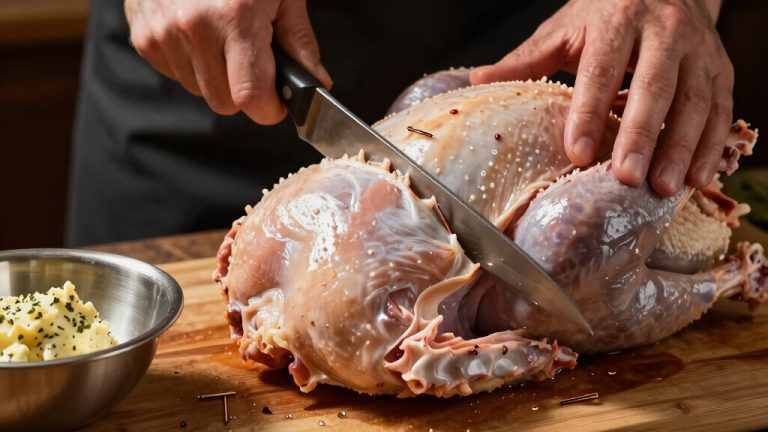
Start by loosening the skin gently to apply the rub underneath, ensuring every bite is flavorful. Then, coat the entire surface evenly to build a flavorful crust during smoking.
Keep these tips in mind when applying rubs:
Use a balance of salt, sugar, and spices for depth. Apply rub under and over the skin for even seasoning. Pat the rub gently to adhere without clumping. Avoid overloading with salt to prevent dryness. Let the rubbed chicken rest briefly to absorb flavors before smoking.
A careful rub application sets the foundation for a perfectly seasoned smoked chicken. Lightly coating the chicken with cooking spray or oil before applying the rub can help it adhere better and lock in juiciness.
Positioning Your Chicken and Monitoring Temperature
Although it might seem simple, positioning your chicken correctly in the smoker is essential for even cooking and peak flavor. Place the bird breast-side up in the center rack to guarantee uniform heat exposure.
Use a reliable probe thermometer positioned in the thickest part of the breast, avoiding bone contact, to monitor the internal temperature precisely.
| Smoker Temp (°F) | Estimated Cook Time | Target Internal Temp (°F) |
|---|---|---|
| 225 | 3–5 hours | Breast: 165 |
| 275 | 2–3 hours | Breast: 165 |
| 300–325 | 1.5–2.5 hours | Breast: 165 |
Keep the smoker steady within 275–325°F for efficient cooking. Adjust heat near the end to crisp skin if desired. Monitoring temperature is key; trust it over clock time. Remember to maintain proper combustion control by adjusting the air shutter and burner for a steady blue flame throughout the cook.
How to Tell When Your Chicken’s Done?
When smoking a whole chicken, you’ll know it’s done by measuring the internal temperature rather than relying on time alone.
Use a reliable meat thermometer and insert it into the thickest part of the breast without touching bone.
Always use a reliable meat thermometer in the thickest part of the breast, avoiding bone.
The breast should reach 165°F, while the thighs often benefit from 175–185°F for prime tenderness.
Don’t pull the bird based on clock time; temperature is your true indicator.
Remember, carryover heat will raise the temperature a few degrees during resting.
- Insert thermometer in the thickest breast area, avoiding bone
- Target 165°F for breast meat, 175–185°F for thighs
- Expect 2–3 hours at 275°F for a 4–5 pound bird
- Use temperature as your doneness guide, not cooking time
- Allow for carryover heat during resting before carving
For safety and best results, it’s recommended to pull breasts at 158–160°F to allow for a carryover temperature rise to the safe final temperature during resting.
Crisping Skin and Resting for Juicy Chicken
Achieving crispy skin on your smoked chicken starts with drying the skin thoroughly before cooking and then raising the smoker’s heat near the end of the process.
Begin by patting the chicken skin dry after brining or seasoning. During the last 15–20 minutes of smoking, increase the smoker temperature to 300–325°F to render fat and crisp the skin without drying out the meat.
Monitor internal temperatures closely, pulling the chicken once the breast hits 160–165°F to allow for carryover cooking. After removing it from the smoker, let the chicken rest for 10–20 minutes.
This resting period redistributes juices, ensuring moist, tender meat while the skin crisps further from residual heat. Following these steps guarantees both crispy skin and juicy chicken.
For best results, keep the chicken skin-side up during smoking to promote even moisture evaporation and crispiness.
Frequently Asked Questions
Can I Smoke a Frozen Whole Chicken Safely?
You shouldn’t smoke a frozen whole chicken safely because it won’t cook evenly, increasing food safety risks.
Always thaw the chicken completely before smoking to guarantee the internal temperature reaches 165°F in the breast and 175°F in the thigh.
Thawing also helps the seasoning and smoke penetrate better.
Use a reliable thermometer to monitor doneness, and never rely solely on time when smoking poultry.
How Do I Store Leftover Smoked Chicken Properly?
You should store leftover smoked chicken in airtight containers or wrap it tightly with foil or plastic wrap.
Refrigerate it within two hours of cooking to prevent bacterial growth.
Consume refrigerated leftovers within 3–4 days for best quality and safety.
For longer storage, freeze the chicken in freezer bags or vacuum-sealed packs.
Use it within 2–3 months.
Always reheat leftovers to 165°F before eating to guarantee safety.
What Side Dishes Pair Best With Smoked Whole Chicken?
For fantastic flavor fusion, favor fresh, flavorful sides like creamy coleslaw, crisp corn salad, or buttery baked beans.
You can complement smoky chicken with sautéed spinach, roasted root vegetables, or tangy tomato salsa.
Starchy staples like garlic mashed potatoes or grilled polenta provide perfect balance.
Pick sides that contrast textures and enhance smoky notes, ensuring every bite bursts with brightness and balance alongside your savory smoked chicken.
Can I Use a Charcoal Grill Instead of a Smoker?
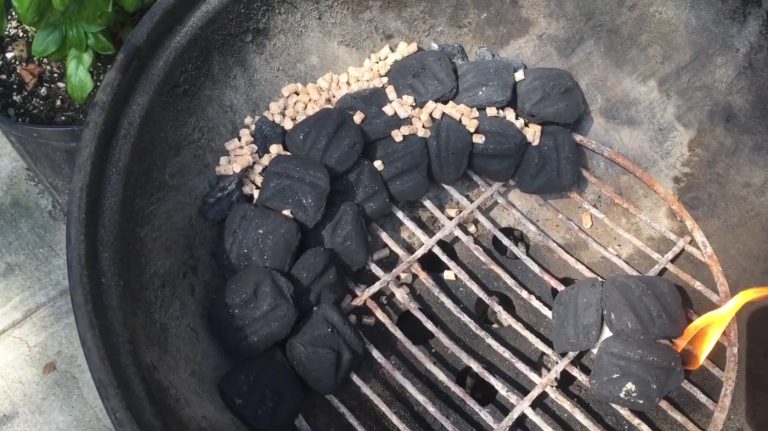
Yes, you can use a charcoal grill instead of a smoker by setting it up for indirect cooking.
Arrange coals on one side and place a drip pan on the other. Maintain a steady temperature around 275–325°F.
Add wood chunks for smoke flavor. Monitor the internal temperature carefully, aiming for 165°F in the breast.
This method mimics smoking and gives you flavorful, tender chicken with crispy skin.
How Do Different Chicken Breeds Affect Smoking Time and Flavor?
Think of different chicken breeds like varied instruments in an orchestra. They each bring unique notes to your smoke symphony.
Larger, denser breeds take longer to reach safe temperatures, so you’ll need more patience and steady heat.
Flavor varies, too; heritage breeds often have richer, more complex tastes, while commercial breeds are milder.
Adjust your smoking time by weight and expect subtle flavor shifts reflecting each breed’s distinct character.
The Bottom Line on Smoking Whole Chicken for Juicy Results
Smoking a whole chicken at 225°F for about 30 minutes per pound guarantees tender, juicy meat with perfectly smoked flavor.
Did you know smoking enhances meat’s flavor by infusing it with compounds that can reduce harmful substances?
By brining, applying rubs, and monitoring internal temperature carefully, you’ll get consistent results every time.
Don’t forget to crisp the skin at the end and let your chicken rest. This locks in moisture and delivers a truly delicious meal.