What to Mix With Deer Meat When Grinding: Expert Processing
When grinding deer meat, mix in beef or meat fat to boost juiciness, flavor, and tenderness. Venison is naturally lean, so adding 10–15% fat prevents dryness and helps patties hold together during cooking.
Beef fat blends smoothly, while meat fat adds subtle richness or smoky notes if you use meat ends. Trim away silver skin and glandular fat for better texture.
Keep your meat and fat chilled for an even grind and balanced mix. Learn how to fine-tune fat ratios and grinding techniques for perfect venison blends.
Key Takeaways
- Mix deer meat with beef fat for even moisture and smooth texture without overpowering venison’s flavor.
- Use meat fat, such as meat ends or meat butt, to add richness and subtle smoky or complex flavors.
- Combine lean venison cuts from neck, front, and back quarters with trimmed trimmings for balanced flavor and texture.
- Remove silver skin, sinew, and glandular fat pockets to avoid toughness and bitter tastes before grinding.
- Aim for 10–15% added fat for burgers and 20% or more for sausages to maintain juiciness and binding.
Why Adding Fat Improves Venison Grinding?

Frequently, adding fat when grinding venison markedly enhances the texture and flavor of the final product.
Venison is naturally lean, so incorporating fat improves juiciness and mouthfeel, preventing dryness and a crumbly texture.
You’ll notice better flavor development, as fat carries and amplifies taste, making each bite richer.
Fat also helps bind the meat, ensuring your patties or sausages hold together during cooking.
Without added fat, ground venison can cook up tough and dry, losing its appeal.
When you grind, aim for at least 10–15% fat for burgers and more for sausages to balance moisture and flavor.
This practical adjustment transforms lean deer meat into a versatile, palatable ingredient suitable for various recipes.
Adding fat not only improves texture but also enhances flavor intensity, making your venison dishes more robust and enjoyable.
Best Types of Fat to Mix With Deer Meat
Choosing the right type of fat to mix with deer meat plays a pivotal role in achieving the ideal texture and flavor balance. Beef fat is often preferred because it grinds evenly and blends seamlessly with venison, improving moisture retention without overpowering the taste.
meat fat, especially from the butt or meat ends, adds a subtle richness and can enhance flavor complexity. This makes it a popular choice for burgers and sausages. meat ends contribute smoky notes when mixed at about 10%, perfect for flavor layering.
If you want a leaner profile, meat trimmings provide fat with minimal flavor intrusion. Always chill your fat before grinding to guarantee clean cuts and even distribution throughout the venison. Selecting these fats thoughtfully helps you control juiciness and mouthfeel in your final product.
For best results, maintain a 60/40 meat-to-fat ratio to optimize flavor and texture in your ground mixture.
Balancing Fat Ratios for Burgers and Sausages
Once you’ve selected the right fat type, the next step is determining the proper ratio for your burgers or sausages. For burgers, aim for 10-15% fat to keep juiciness without overwhelming venison’s lean profile.
A common mix is 80% venison with 10% meat and 10% beef fat, balancing flavor and moisture. Sausages usually require more fat, around 20% or higher, to guarantee tenderness and binding.
You can mix 80% venison with 20% meat or beef fat, depending on your flavor preference. Precision matters: use a scale to measure fat and meat accurately.
Avoid under- or over-fatting, as either dries out or makes the mix greasy. Proper fat ratios optimize texture and taste, guaranteeing your ground venison dishes cook evenly and stay flavorful.
For best results, keep meat and equipment chilled before grinding to prevent smearing and ensure clean cuts.
Choosing Cuts and Trimmings for Venison Grinding
When you’re picking cuts for grinding venison, it’s a good idea to focus on the lean muscles. Think about the front and back quarters, the neck, and even the heart. These cuts really help create a balanced flavor and texture in your ground meat.
Before you start grinding, take a moment to trim away any silver skin and excess fat. This step is crucial because it ensures a smoother grind. Once that’s done, cube the meat into 1-inch pieces. This size is perfect for guaranteeing even grinding.
Don’t forget about the trimmings! Including bits from the ribs and other edible parts can really boost your yield. Plus, it allows you to make the most out of your venison without compromising on quality. Happy grinding! Proper trimming and preparation also help ensure the lean meat maintains moisture and flavor during cooking.
Best Venison Cuts
Selecting the right venison cuts and trimmings sets the foundation for a balanced, flavorful grind. Focus on lean, tender sections and flavorful trim for the best results. Avoid cuts with excessive silver skin or hard connective tissue, as they reduce texture quality.
Prioritize these parts:
Front quarter and neck meat: Offers rich flavor and moderate fat, ideal for grinding.
Backstraps and tenderloins: Lean, tender cuts that add smooth texture.
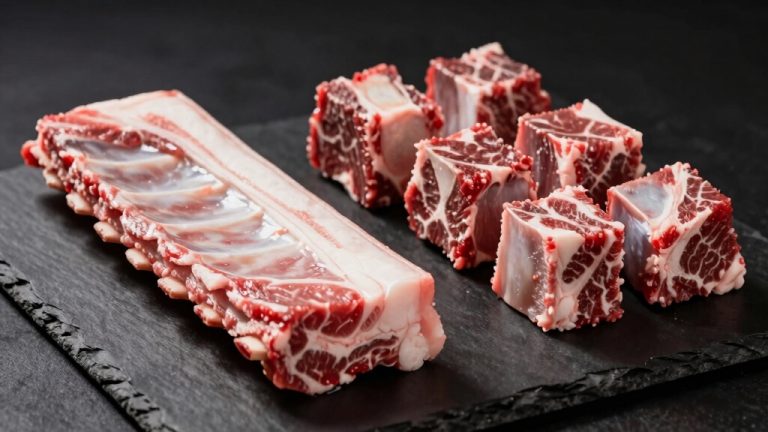
Heart and rib meat: Adds depth of flavor and moisture without excess fat.
Before grinding, trim silver skin and sinew carefully to prevent toughness. Keeping cuts uniform in size also guarantees an even grind.
This approach maximizes flavor and texture, giving you a superior venison grind perfect for burgers, sausages, or chili. For best results, chill the meat to 34–40°F before grinding to prevent smear and ensure a clean texture.
Trimmings To Include
Although you want to focus on quality cuts, including a variety of trimmings can enhance both flavor and texture in your venison grind. Use trim from the front and back quarters, neck, ribs, and heart, which add richness and depth without overwhelming the meat.
Avoid excessive silver skin and sinew, but don’t discard flavorful fat trimmings. Mixing in small amounts of beef or meat fat from meat ends or back fat balances leanness and juiciness. It’s best to separate and cube these trims before grinding for even distribution.
Incorporating diverse trimmings prevents dry, bland results and helps achieve the right mouthfeel in burgers or sausages. This practical approach guarantees you maximize your harvest while enhancing the final product’s taste and texture. For optimal tenderness and moisture retention, consider mechanical tenderizing techniques before grinding.
Preparing Meat Properly
Preparing your venison properly starts with choosing the right cuts and trimming away excess fat and silver skin to guarantee a clean, consistent grind. Focus on lean muscle trimmings from the front quarter, back quarter, neck, and ribs. Remove all silverskin to prevent toughness and discard excessive fat to avoid greasy texture unless adding fat separately.
Cube the meat into 1-inch pieces for easier grinding and better blade action.
Use heart and neck meat to enhance flavor depth in your grind. Package and reserve prime steaks, roasts, and backstraps before grinding. Wash and dry cuts thoroughly, keeping meat cold to maintain quality.
This method guarantees your ground venison is tender, flavorful, and ready for mixing with complementary fats or seasonings. Consider trimming glandular fat pockets near ribs to avoid bitter or glandular tastes that can affect the flavor of your ground meat.
Grinding Tips for Even Fat Distribution
To get that perfect grind, make sure to chill both your meat and fat until they’re icy in the center. This step is crucial because it helps ensure clean cuts and prevents any smearing.
Now, here’s a handy tip: start by grinding the fat first. This makes it easier to mix evenly with the venison when you add it in later. Trust me, this technique really helps keep the fat distributed consistently throughout your grind, giving you better texture and flavor in the end.
For optimal flavor and preservation, consider using lean cuts and trimming visible fat before grinding.
Chill Meat And Fat
Consistently chilling both meat and fat to an icy center before grinding guarantees even fat distribution throughout your venison mix. This step is vital because warm fat tends to smear, causing uneven texture and inconsistent flavor.
You want firm, cold ingredients for clean cuts and peak blending. Partially freezing the meat and fat improves grind quality and prevents clumping.
To make certain your venison mix is perfectly chilled:
- Cube the meat and fat into uniform, 1-inch pieces and freeze for 30-60 minutes.
- Chill your grinder parts in the freezer for at least 30 minutes before use.
- Keep the ground meat cold by placing bowls in an ice bath between grinding sessions.
These simple steps help maintain texture and consistency in your final product. Proper chilling also reduces the risk of microbial growth during grinding, ensuring safety and freshness.
Grind Fat First
Once your meat and fat are properly chilled, start by grinding the fat alone before adding the venison. Grinding fat first guarantees it breaks down evenly, which helps distribute it uniformly throughout the lean deer meat.
Use firm beef fat for the best consistency, as it grinds smoothly without clumping. Keep your grinder parts cold to prevent smearing and maintain texture.
After grinding the fat, mix it with your venison cubes, then run the combined meat through the grinder once or twice, depending on your desired texture.
This method prevents uneven fat pockets and delivers a balanced ratio, typically 10–20% fat, essential for juicy burgers or sausages. Following this sequence improves texture, flavor, and cooking performance in your ground venison mixtures.
For optimal safety and quality, ensure you freeze meat promptly after grinding and mixing to minimize bacterial growth and preserve freshness.
Grinding Pure Venison: When to Skip Added Fat
Although adding fat improves juiciness and texture, grinding pure venison works well when you want a lean, clean flavor and a healthier option. Skipping added fat preserves venison’s natural taste and suits recipes that benefit from low-fat meat, like Thai lettuce cups cooked in coconut oil. You won’t need to drain any excess fat after browning, making preparation simpler.
Consider grinding pure venison when you prefer a leaner, heart-healthy protein with zero added fats. The recipe calls for a distinct venison flavor without dilution. You want to avoid handling or sourcing extra fat trims.
Keep your venison well-chilled and grind carefully to maintain texture and prevent smearing. This approach keeps your meat profile pure and versatile.
Frequently Asked Questions
How Long Can Ground Venison Mixtures Be Safely Stored in the Freezer?
You can safely store ground venison mixtures in the freezer for up to 3 to 4 months.
To maintain quality, package the meat tightly in airtight containers or vacuum-sealed bags to prevent freezer burn.
Label the packages with the date to keep track.
When you’re ready to use it, thaw the meat in the refrigerator, not at room temperature, to guarantee safety and preserve flavor and texture.
What Spices Best Complement Venison and Added Fats?
Think of spices as the artist’s brush, painting rich flavors onto your venison canvas.
You’ll want to use garlic, rosemary, thyme, and black pepper to enhance the deer’s natural earthiness.
Add smoked paprika or cayenne for warmth, and a touch of juniper berries for a piney brightness that cuts through added fats.
These spices balance richness, turning your ground venison into a perfectly seasoned, mouthwatering masterpiece.
Can Game Meat Other Than Venison Be Mixed in Grinding?
Yes, you can mix other game meats like elk, moose, or wild boar with venison when grinding.
Combining them balances flavors and textures while enhancing fat content. Just remember to trim silver skin and excess connective tissue.
Adjust fat ratios accordingly, especially if the other game is leaner or fattier. Grinding meats together guarantees even distribution, creating a richer, more tender final product perfect for burgers, sausages, or meatloaf.
What Cooking Methods Best Suit Fattier Venison Blends?
When you cook fattier venison blends, think sizzling patties on a hot grill, juicy sausages frying in a pan, or rich meatballs braising gently in sauce.
These methods let the added fat render beautifully, keeping the meat moist and flavorful. Roasting and slow cooking also work well, allowing fat to melt gradually.
Avoid dry-heat methods like broiling, which can toughen the meat despite its fat content.
Are There Health Concerns With Mixing meat Fat in Venison?
You don’t face major health concerns mixing meat fat with venison if you handle and cook it properly.
Just make sure meat fat is fresh and stored correctly to avoid spoilage or bacterial growth.
Be mindful of added saturated fat, which can impact heart health if consumed excessively.
Moderation and balance with lean venison help maintain nutritional benefits while improving flavor and texture in your ground meat.
Perfect Ground Venison Starts With the Right Fat and Technique
When grinding deer meat, you want to add fat for juiciness. Choose the right fat for flavor and balance ratios for texture.
Pick quality cuts for consistency and grind carefully for even mixing. Sometimes, pure venison works best without added fat.
By following these steps, you’ll create ground venison that’s tender, flavorful, and perfect for burgers or sausages every time. Trust your process, trust your palate, and enjoy the results.