Why Are BBQ Flavoured Things So Bad? Ingredients & Flavor
You find BBQ-flavored products disappointing because they often skip real smoky complexity and rich Maillard browning.
They rely instead on flat, synthetic smoke and excessive sweetness that masks depth.
Overloaded smoke compounds bring bitterness, while missing Maillard reactions leave flavors artificial and dull.
Imbalanced aromas lack the interplay of savory, smoky, sweet, and charred notes that authentic BBQ delivers.
Understanding these shortcuts reveals why mass-produced BBQ flavors fall short and what authentic flavor truly involves.
Key Takeaways
- Artificial smoke flavorings lack the complex, layered aromas of real wood smoke, resulting in flat, harsh, and synthetic BBQ taste.
- Processed BBQ products often skip the Maillard reaction, missing the roasted, meaty depth essential for authentic flavor.
- Excessive sweetness in BBQ-flavored items masks savory and smoky notes, creating a cloying and one-dimensional profile.
- Overloaded or poorly controlled smoke introduces bitter creosote and acrid compounds, producing unpleasant burnt off-flavors.
- Rancid grease residue and char from incomplete combustion add stale, acrid, and harsh tastes that spoil BBQ flavor quality.
What Makes Smoke Balance Crucial in BBQ Flavor?

When you taste barbecue, the balance of smoke compounds plays a critical role in shaping its signature flavor. You rely on a precise blend of molecules like syringol and guaiacol to deliver that authentic smoky aroma you expect.
The delicate mix of syringol and guaiacol defines barbecue’s true smoky essence.
If the smoke is overloaded or poorly controlled, bitter creosote compounds can overshadow these nuances. This makes the flavor harsh and acrid instead of savory.
Incomplete combustion worsens this by introducing unpleasant, acrid smoke notes. You’ll also find that commercial smoke flavorings often lack depth.
They condense wood smoke into liquids that feel either flat or overpowering, missing the layered complexity real smoke offers. When smoke dominates without balance, the flavor becomes one-dimensional and fails to capture true barbecue’s richness.
Mesquite, with its high lignin content, produces intense, bold smoke that requires careful control to avoid bitterness and ensure a balanced flavor profile.
How Missing Maillard Reaction Weakens BBQ Flavor?
Balancing smoke compounds is just one piece of what makes barbecue flavor compelling. Another essential element often missing in BBQ-flavored products is the Maillard reaction.
This chemical process between amino acids and sugars creates complex, savory compounds that give barbecue its signature roasted, meaty depth. Without it, you’re left with flat, artificial flavors that imitate only a fraction of the real deal.
| Maillard Reaction Aspect | Real BBQ Flavor | BBQ-Flavored Products |
|---|---|---|
| Flavor Complexity | Rich, layered | Simplified, one-note |
| Aroma | Roasted, meaty | Sweet or smoky only |
| Mouthfeel | Satisfying crust | Powdery or syrupy |
| Chemical Compounds | Hundreds formed | Few imitated |
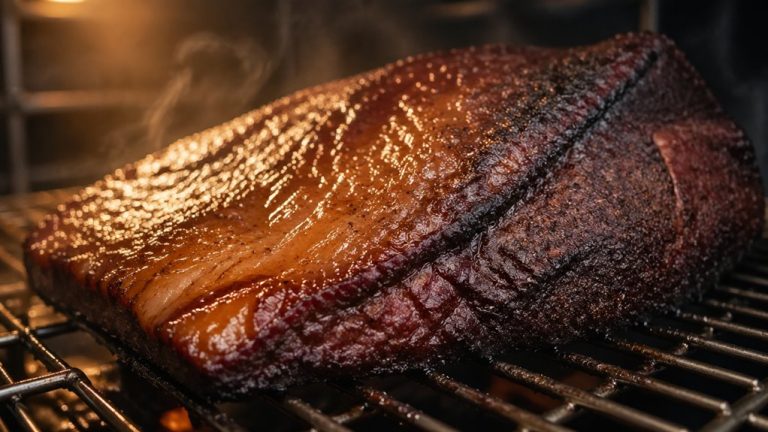
Missing this reaction weakens authenticity, leaving you with BBQ flavor that feels fake and dull. Achieving the Maillard crust through intense heat is key to developing the rich, layered flavors that charcoal grilling uniquely imparts.
Why Too Much Sweetness Spoils BBQ Flavor?
Although sweetness can enhance barbecue flavors, pushing it too far often overwhelms the profile and masks the savory, smoky complexity you expect.
When BBQ flavorings rely heavily on sugar-driven notes, they create a cloying impression that feels artificial rather than nuanced.
You end up tasting candy-coated smoke instead of the layered interplay of char, acid, and smoke that defines authentic barbecue.
Sweet compounds like maltol mimic caramel tones but can flatten the overall flavor, removing the contrast that makes BBQ interesting.
Instead of complementing smoke and Maillard richness, excess sweetness dominates, reducing depth and making the experience one-dimensional.
To appreciate real barbecue, you need that balance where sweetness supports but never overpowers the complex savory and smoky elements.
Achieving this balance often involves using apple cider vinegar to counterbalance sweetness and add tang, preserving the sauce’s depth and brightness.
What Causes Bitter and Burnt Notes in BBQ Flavor?
You know, those bitter and burnt notes in BBQ flavor usually come from overcooked smoke compounds like creosote.
When that happens, it can really overwhelm your palate and leave a harsh taste. Not exactly what you want when you’re craving some good BBQ, right?
Then there’s the issue of rancid grease residue.
That stuff can add some stale, unpleasant undertones that really throw off the balance of savoriness. It’s like a party crasher that nobody invited!
Oh, and let’s not forget about char and carbon flakes.
They can give your BBQ that dirty, acrid edge that just turns the flavor from something delicious to really off-putting. It’s amazing how quickly that can happen!
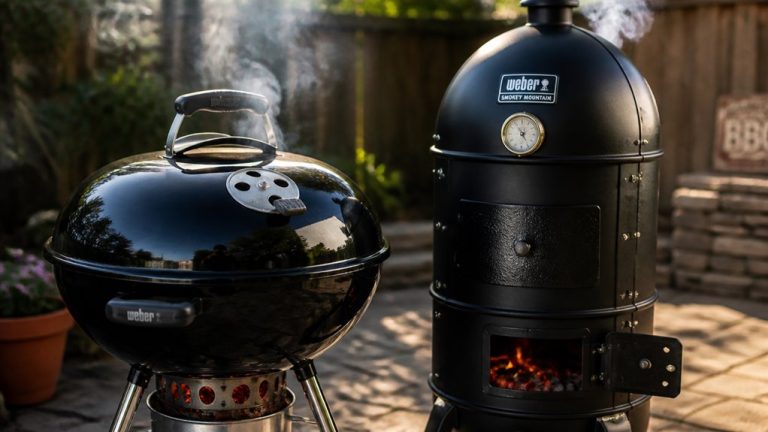
Controlling smoker temperature between 225°F and 250°F is key to avoiding these off-flavors and achieving a balanced, tasty BBQ.
Overcooked Smoke Compounds
When smoke compounds are overcooked or poorly controlled, they produce bitter and burnt notes that overpower the true barbecue flavor. You expect a delicate balance of syringol and guaiacol. These molecules create that rich, smoky aroma you crave.
Instead, heavy smoke load or incomplete combustion floods your palate with creosote and acrid compounds. This turns savory depth into harsh bitterness. Commercial smoke flavorings often condense wood smoke into concentrated liquids, but this process strips away complexity.
The result is a one-dimensional, intense smokiness that feels flat rather than layered. Relying solely on smoke compounds ignores the full chemistry of barbecue, where subtlety matters. Using properly seasoned oak wood can help maintain a balanced smoky flavor without bitterness.
Rancid Grease Residue
Because rancid grease residue often accumulates during prolonged or repeated cooking, it introduces bitter and burnt notes that undermine BBQ flavor.
When grease oxidizes and breaks down, it produces stale, unpleasant compounds that clash with the savory and smoky elements you expect.
This residue clings to cooking surfaces and seeps into the meat or seasoning, souring the taste with harsh, rancid undertones.
You mightn’t notice it immediately, but rancid fat dulls complexity and leaves an off-putting aftertaste.
Unlike the controlled Maillard reaction or balanced smoke, rancid grease disrupts harmony, turning what should be rich and layered into something flat and acrid.
To avoid this, real barbecue relies on fresh fats and proper rendering. Processed BBQ flavors often neglect this, resulting in bitterness that compromises authenticity.
Regularly cleaning interior surfaces and removing grease buildup with a plastic putty knife helps prevent rancid residue from developing and preserves authentic flavors.
Char and Carbon Flakes
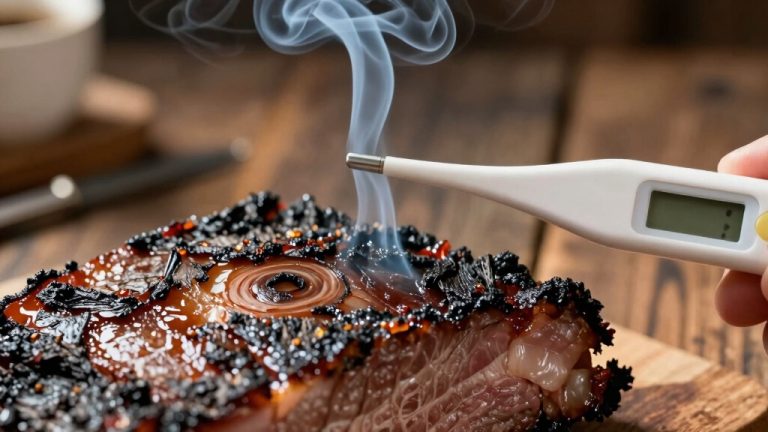
Rancid grease sets the stage for bitterness, but char and carbon flakes often deliver the sharpest burnt edge in BBQ flavor. When grilling, incomplete combustion leaves behind carbon residues that create a harsh, acrid taste.
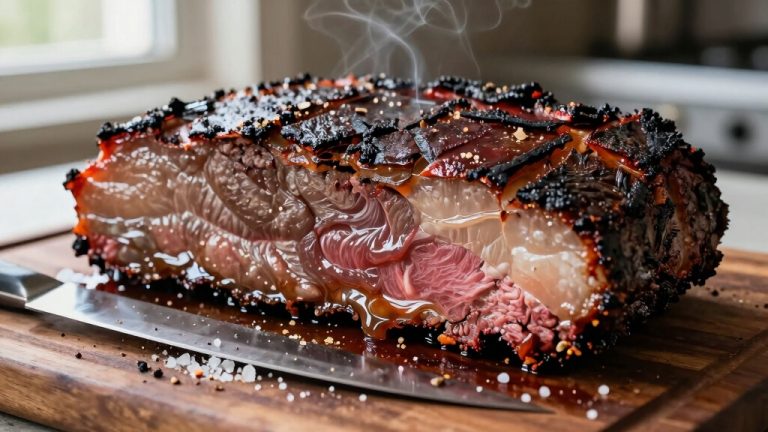
While a slight char adds authenticity, too much overwhelms the palate with bitterness. This burnt note comes from carbon buildup and residual creosote, which impart a dirty, unpleasant aftertaste.
In BBQ-flavored products, manufacturers struggle to mimic this balance, often tipping into excessive bitterness.
| Source | Effect on Flavor |
|---|---|
| Carbon Flakes | Harsh, burnt bitterness |
| Creosote Residue | Acrid, unpleasant aroma |
| Excess Char | Overpowering burnt notes |
You need to watch for these factors to avoid a BBQ flavor that feels off and bitter. The development of bark formation on meat surfaces creates a barrier that can trap these burnt flavors, intensifying the perception of bitterness if overdone.
Why Imbalanced Aroma Makes BBQ Taste Artificial?
You know how BBQ-flavored products can sometimes miss the mark? They often lack those rich, complex aroma layers that real barbecue brings to the table. Instead, the scent tends to feel flat and one-dimensional.
When synthetic smoke takes center stage, it can really overpower those more delicate notes. This makes the fragrance come off as harsh and, honestly, pretty artificial. It’s like a trick on your senses—no matter how hard you try, the flavor just never quite captures that authentic grilled meat experience. Real barbecue owes much of its depth to natural wood carbonized smoke, which contains cleaner, more complex flavor compounds.
Aroma Complexity Loss
When aromatic compounds in BBQ-flavored products aren’t properly balanced, the scent can quickly feel synthetic and harsh instead of inviting and complex. You notice this when smoke notes overpower or lack depth, leaving a flat, artificial aroma.
Real barbecue combines smoke, roast, and fat-derived aromas that interact dynamically, but processed flavors often miss this complexity. Here’s a breakdown of how aroma imbalance affects BBQ flavor:
| Aroma Element | Effect When Balanced | Effect When Imbalanced |
|---|---|---|
| Smoke | Layered, savory, warm | Harsh, one-dimensional |
| Roasted Maillard | Rich, meaty, complex | Missing, dull, artificial |
| Fat-derived Notes | Full-bodied, smooth | Thin, synthetic |
| Sweet Aromatics | Balanced, caramelized | Overpowering, cloying |
| Bitter Edges | Subtle, enhancing depth | Bitter, acrid, unpleasant |
This loss of nuanced aroma makes BBQ flavors feel artificial and disappointing. Using authentic wood types that provide balanced smoke profiles helps preserve the natural complexity in barbecue aromas.
Synthetic Smoke Overpower
The overpowering presence of synthetic smoke sharply undermines the authenticity of BBQ flavor, making it taste artificial rather than savory.
When smoke flavorings overload the profile, bitter compounds like creosote dominate, masking the subtle syringol and guaiacol that define real smoke.
You’ll notice this imbalance often comes from condensed liquid smoke, which lacks the layered complexity of actual wood smoke.
Incomplete combustion produces acrid, harsh notes instead of warmth.
This one-dimensional smoky aroma overwhelms your palate, leaving no room for the nuanced Maillard-driven richness or charred depth true barbecue offers.
As a result, what should be a harmonious blend of roasted, smoky, and savory notes turns flat and synthetic, reminding you more of chemical smoke than slow-cooked meat.
Using well-prepared fuel and avoiding chemical contaminants like lighter fluid is essential to achieve clean smoke and prevent off-flavors.
How Processed Foods Cut Corners on Real BBQ Flavor?
Although processed foods often bear the BBQ label, they cut corners by relying heavily on artificial smoke flavorings, sweeteners, and synthetic seasonings instead of authentic cooking chemistry.
When you taste these products, you miss the nuanced balance real BBQ achieves through complex reactions.
Here’s how processed foods shortcut real BBQ flavor:
- They overload smoke compounds, creating bitter, flat notes rather than layered smokiness.
- They skip true Maillard browning, losing roasted, meaty complexity.
- They push sweetness too far, making BBQ taste candy-coated instead of savory.
- They use simplified aroma blends, resulting in harsh, synthetic scents that don’t match fresh-grilled food.
These shortcuts strip away the depth and authenticity that make BBQ flavor truly satisfying.
What Does Authentic BBQ Flavor Really Taste Like?
You won’t find authentic BBQ flavor in simple smoke or sweetness alone. It’s a complex interplay of multiple elements working in harmony.
Authentic BBQ flavor emerges from a harmonious blend of complex elements, not just smoke or sweetness.
You experience a delicate balance of smoke molecules like syringol and guaiacol, which provide that classic smoky aroma without bitterness. The Maillard reaction adds a layer of savory, roasted complexity, creating the rich, meaty depth that artificial flavorings often miss.
Real BBQ balances smoky, sweet, acidic, and charred notes, avoiding overpowering sweetness that can taste artificial. You sense subtle bitterness from controlled char, enhancing depth without harshness.
Finally, the aroma melds fat, smoke, and roast compounds, delivering a full sensory experience. Authentic BBQ flavor is nuanced, layered, and rooted in true cooking chemistry, not just a one-dimensional taste.
Frequently Asked Questions
Can BBQ Flavorings Cause Allergic Reactions or Sensitivities?
Yes, BBQ flavorings can cause allergic reactions or sensitivities, especially if they contain common allergens like smoke flavor compounds, spices, or additives.
You might react to artificial smoke chemicals or sweeteners used to mimic real barbecue flavors.
Since these flavorings often contain complex mixtures, pinpointing the exact trigger can be tough.
If you notice irritation or symptoms after eating BBQ-flavored products, it’s wise to check ingredient labels and consult an allergist for tailored advice.
Do BBQ-Flavored Snacks Have Nutritional Differences From Real BBQ?
You’ll find BBQ-flavored snacks differ nutritionally from real BBQ mainly in processing and ingredients. They often contain added sugars, salts, artificial flavors, and preservatives, boosting calories and sodium beyond grilled meat.
Real BBQ offers protein and fats from meat, while snacks rely on starches or oils with little nutritional value. So, even if they mimic taste, these snacks lack the balanced nutrients and wholesome components found in authentic BBQ dishes.
How Does Packaging Affect the Taste of Bbq-Flavored Products?
You mightn’t realize packaging cuts down the aroma complexity of BBQ-flavored products by up to 40%.
That’s because packaging limits the volatile compounds you’d get from fresh grilling. The smoke, roasted fats, and Maillard notes lose their balance.
Plus, manufacturers add stronger, shelf-stable flavors that often taste artificial.
Are Natural Smoke Flavorings Healthier Than Artificial Ones?
You might think natural smoke flavorings are healthier, but it’s not that simple.
Both natural and artificial smoke compounds can contain harmful substances like creosote or polycyclic aromatic hydrocarbons if not carefully controlled.
Natural smoke undergoes incomplete combustion, creating bitter or toxic residues.
Artificial flavors aim for purity but rely on synthetic chemicals.
Why Do Some People Prefer Smoky BBQ Over Sweet BBQ Flavors?
You crave smoky BBQ because it dances on your palate like a deep, complex symphony.
Layers of char, wood, and Maillard richness speak to savory authenticity.
Sweet BBQ, by contrast, often feels like a sugar-coated echo, lacking that bold, smoky backbone.
Your preference leans toward nuanced depth, where smoke isn’t just flavor but a narrative of fire and wood.
This creates a satisfying, balanced experience beyond mere sweetness.
Why BBQ-Flavored Products Often Miss the Mark
You’ve probably noticed that BBQ-flavored products often miss the mark because they lack the delicate balance of smoke, sweetness, and char that real BBQ achieves.
It’s like trying to paint a masterpiece with only one color; something essential is always missing. Without the Maillard reaction’s depth or the authentic aroma, these imitations taste artificial and flat.
To truly savor BBQ, you need a harmony of elements that processed shortcuts just can’t replicate.