Butcher Paper vs Foil: Best Choice for Smoking Meat
You’ll want to choose butcher paper if you’re after a firm, dark bark with smoke flavor and balanced moisture. It breathes while keeping meat tender.
Foil traps all moisture, speeding cooking and keeping lean cuts juicy but softens the bark.
Butcher paper suits longer cooks and bark lovers, while foil is great when time’s tight or moisture’s key.
If you want to master when and how to wrap for perfect BBQ, there’s more to explore.
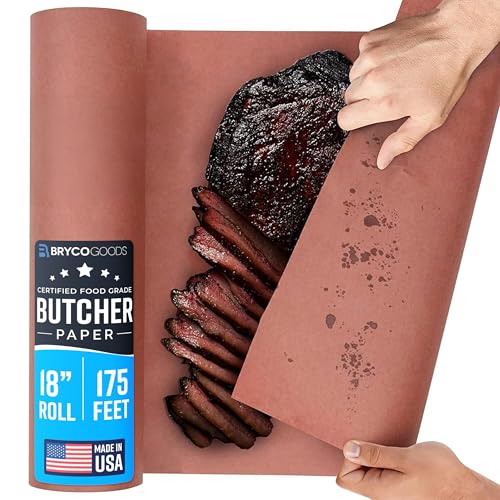
- Butchers Paper is ultra durable and strong; does a superior job trapping smoke while releasing steam
- Use our superior Pink Butcher Paper for serving, storing, cooking and smoking your choice of meat
- Uncoated and Unwaxed Butcher Paper: This paper won’t leave anything unwanted behind on your food
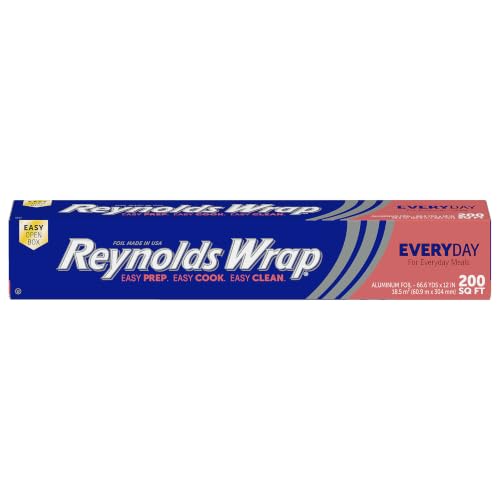
- 200 SQUARE FOOT ALUMINUM ROLL: This package contains 1 Reynolds wrap aluminum foil roll measuring…
- ALUMINUM FOIL: Backed by over 70 years of quality & strength, home cooks of all kinds trust Reynolds…
- LOCKS IN FLAVOR: Use this versatile kitchen foil to cook packet meals, tent roasted meats, cover…

Key Takeaways
- Butcher paper allows smoke penetration and breathability, preserving a firm, dark bark while retaining moisture.
- Foil traps nearly all moisture, speeding cooking and producing juicier but softer bark.
- Butcher paper is ideal for cuts like brisket when a classic bark and balanced moisture are desired.
- Foil is preferred for lean meats or when cooking time is limited to prevent dryness.
- Wrapping at stall temperatures (160–170°F) optimizes moisture retention and bark quality for both wraps.
Butcher Paper or Foil: Which Wrap Fits Your BBQ Style?
| Feature | Butcher Paper | Foil |
|---|---|---|
| Material | Uncoated, breathable paper | Non-porous aluminum |
| Breathability | High | None |
| Moisture Retention | Moderate | Excellent |
| Bark Quality | Firm, dark, and crispy | Softer and less defined |
| Smoke Penetration | Continues to absorb smoke | Blocks most smoke |
| Cooking Speed | Moderate | Faster |
| Best For | Brisket, meat shoulder | Ribs, pulled meat, lean cuts |
| Stall Performance | Helps push through the stall while preserving bark | Speeds through the stall more aggressively |
| Texture | Balanced moisture with crisp bark | Extra juicy with softer exterior |
| Heat Retention | Good | Excellent |
| Wrapping Ease | Requires careful folding | Quick and easy to seal |
| Flavor Preservation | Maintains natural smoky flavor | Locks in juices but reduces smoke exposure |
| Environmental Impact | Biodegradable | Less eco-friendly and non-biodegradable |
| Reusability | Single use | Typically single use |
| Best Choice for Long Cooks | Yes | Good when moisture is the priority |
| Best Choice for Fast Cooks | No | Yes |
| Main Advantage | Preserves bark while keeping meat tender | Maximizes moisture and shortens cooking time |
| Main Drawback | Doesn’t retain as much moisture as foil | Softens the bark and limits smoke penetration |
Butcher Paper vs Foil: Which Wrap Is Right for Your Meat?

When you’re deciding between butcher paper and foil for wrapping your meat, it boils down to the type of cut and the cooking goals you have in mind.
If you want a firm, dark bark with a slight breathability to avoid steaming, butcher paper is your go-to, especially for brisket. It lets the meat breathe while locking in enough moisture to keep it tender.
On the other hand, foil traps nearly all moisture, speeding up cooking and preventing dryness. This works well for meat cuts like ribs or pulled meat.
Foil is great when you need faster results or are worried about drying out leaner cuts. Ultimately, choosing between paper and foil means balancing bark quality, moisture retention, and cooking time based on your meat and needs.
Butcher paper’s porous nature allows smoke penetration while retaining moisture, which preserves the bark and enhances flavor during smoking.
How Butcher Paper and Foil Affect Bark and Moisture?
Although both butcher paper and foil serve to wrap your meat during cooking, they impact bark and moisture in distinctly different ways.
When you use butcher paper, it lets the meat breathe, preserving a dark, firm bark while preventing drying out. This balance keeps moisture at a level that enhances flavor without softening the crust.
On the other hand, foil traps nearly all moisture, causing steam that softens or even mushes the bark you worked hard to create. Foil also speeds up cooking by sealing in juices, but it can wash away bark’s texture if you’re not careful.
Butcher paper’s porous nature allows smoke to penetrate and moisture to escape, helping maintain the ideal bark texture while keeping the meat juicy.
Which Meats Benefit Most From Butcher Paper or Foil?
Because different meats respond uniquely to cooking methods, choosing between butcher paper and foil can markedly impact your final result. You’ll want to tailor your wrap choice based on the meat’s characteristics and desired texture.
- Brisket: Butcher paper shines here, preserving a firm, dark bark while allowing moisture to escape just enough for tender juiciness. Foil suits leaner briskets prone to drying out.
- Meat Shoulder: Butcher paper is ideal, balancing moisture retention and bark formation.
- Ribs: Foil works best, locking in moisture and speeding cooking without sacrificing tenderness.
- Pulled Meat: Foil’s moisture-trapping nature guarantees succulent, juicy results.
Matching your wrapping method to the meat guarantees you get the best texture and flavor every time. Wrapping also helps to overcome the stall temperature plateau, accelerating cooking and promoting even tenderness.
When to Use Butcher Paper or Foil for Your Cook?
Selecting the right wrap for your cook depends largely on your schedule, the desired bark quality, and how you want your meat to finish.
If you have the time, butcher paper is your best bet. It lets the meat breathe, creating a firm, dark bark while still locking in enough moisture for tenderness.
On the other hand, if you’re pressed for time or worried about drying out lean cuts, foil speeds up cooking by trapping moisture completely. This results in a softer bark but juicier meat.
For brisket, butcher paper shines when you want that classic bark. Foil suits meat and ribs where moisture retention is key.
Ultimately, your choice hinges on balancing bark texture, cooking speed, and moisture control to match your meat and timeline. Wrapping at the stall temperature range of 160–170°F is ideal to balance moisture retention and bark quality.
Wrapping Techniques for Butcher Paper and Foil
When wrapping your meat, starting with two sheets of butcher paper or foil that are four times the length of the cut guarantees you have enough coverage. Lay the second sheet overlapping the first by half its width, then place the meat lengthwise on top.
Follow these steps to wrap like a pro:
- Fold the paper or foil tightly around the meat, matching its shape closely to avoid air pockets.
- Use heavy-duty foil for durability and maximum heat retention when wrapping with foil.
- Choose uncoated, 18-inch pink butcher paper for peak breathability and bark formation.
- Seal edges securely to lock in moisture while allowing the right amount of airflow, especially with butcher paper.
Mastering these techniques secures perfect moisture balance and bark texture every time. Wrapping tightly after spritzing aids moisture retention during resting by preserving the surface moisture.
Frequently Asked Questions
Can Butcher Paper Be Reused for Multiple Cooks?
You generally shouldn’t reuse butcher paper for multiple cooks because it absorbs juices, fat, and smoke. This can lead to contamination and weaken the paper’s strength.
After one cook, it often becomes fragile and stained, reducing its effectiveness in wrapping meat tightly. For the best results and safety, it’s better to use fresh butcher paper each time.
This helps maintain proper moisture control, bark formation, and food safety during smoking or cooking.
Is Foil Safe to Use in Charcoal Smokers?
Yes, foil is safe to use in charcoal smokers as long as you avoid direct contact with flames. It can withstand high heat without burning.
Foil traps moisture and speeds up cooking, which is great for tender meats. Just remember to use heavy-duty foil to prevent tearing.
If you’re careful, foil helps keep your meat juicy and flavorful during those long, smoky sessions.
How Does Wrapping Affect Smoke Flavor Absorption?
Wrapping slows smoke flavor absorption because the barrier limits direct exposure to smoke particles.
When you wrap meat, especially in foil, you trap moisture and steam, which can mellow or even wash away some smoke flavors.
Using butcher paper allows more breathability, so your meat still absorbs smoke while cooking.
To maximize smoky taste, you might unwrap near the end or avoid wrapping too early, letting smoke work its magic longer.
Can Butcher Paper Be Used for Oven Roasting?
You can absolutely use butcher paper for oven roasting. It’s like wrapping your meat in a cozy, breathable cloak rather than a suit of armor.
It lets moisture escape just enough to keep the crust crisp while protecting the meat from drying out. Just avoid direct flames or temperatures above 380°F, or you risk charring the paper.
What Is the Environmental Impact of Foil Vs Butcher Paper?
You’ll find butcher paper has a smaller environmental footprint since it’s biodegradable and often made from renewable resources.
Foil comes from aluminum mining, which is energy-intensive and less eco-friendly.
Plus, foil isn’t biodegradable and can linger in landfills longer.
If you want to reduce waste and environmental impact, choosing butcher paper over foil is a smarter, greener option.
- Butchers Paper is ultra durable and strong; does a superior job trapping smoke while releasing steam
- Use our superior Pink Butcher Paper for serving, storing, cooking and smoking your choice of meat
- Uncoated and Unwaxed Butcher Paper: This paper won’t leave anything unwanted behind on your food
- 200 SQUARE FOOT ALUMINUM ROLL: This package contains 1 Reynolds wrap aluminum foil roll measuring…
- ALUMINUM FOIL: Backed by over 70 years of quality & strength, home cooks of all kinds trust Reynolds…
- LOCKS IN FLAVOR: Use this versatile kitchen foil to cook packet meals, tent roasted meats, cover…
Pick the Right Wrap for Every Smoking Session
Choosing between butcher paper and foil is like picking the right brush for a masterpiece. You want the perfect blend of moisture and bark.
If you’re chasing that tender, smoky finish without losing the crust, butcher paper’s your canvas.
When you need a tight seal to lock in juices fast, foil steps in as your trusty shield.
Master these wraps, and you’ll smoke like a pitmaster, turning every cook into a flavor legend.
Last update on 2026-09-17 / Affiliate links / Images from Amazon Product Advertising API