Offset Smoker Review: Features, Performance & Value
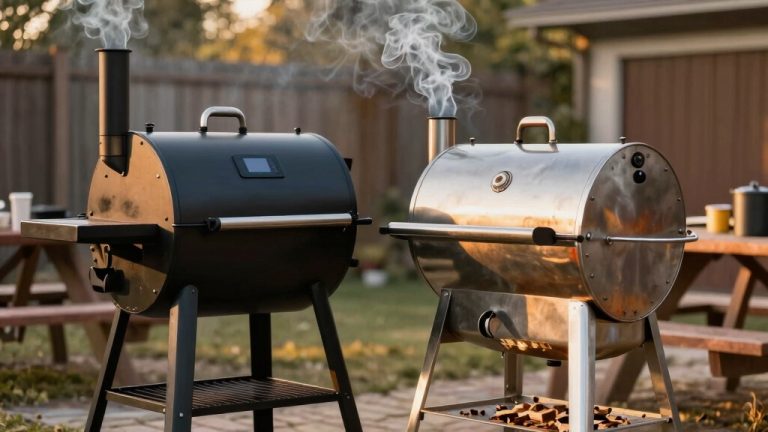
If you want an offset smoker that holds steady heat and reduces constant fueling, focus on models with thick, insulated fireboxes and heavy-gauge steel walls like the Lone Star Grillz or Char-Griller Grand Champ.
Precise airflow control via adjustable dampers and well-sized fireboxes guarantees even cooking and fuel efficiency.
Budget options need mods and more frequent fire tending but can still perform with care.
Understanding construction, airflow, and maintenance will help you master your smoker’s full potential.
Key Takeaways
- Thick, 12-gauge or heavier steel walls improve heat retention and reduce temperature fluctuations in offset smokers.
- Insulated fireboxes stabilize combustion heat, reduce fuel consumption, and require less frequent fueling.
- Proper damper adjustments and airflow control are essential for precise temperature and smoke management.
- Cooking chamber design with baffles and tuning plates ensures even heat distribution and minimizes hot spots.
- Budget models often need sealing and repainting, while premium smokers offer better insulation and consistent temperature control.
Choosing the Best Offset Smoker: Key Factors to Consider

When choosing the best offset smoker, you need to guarantee heat retention and cooking capacity to match your grilling goals.
Selecting the right offset smoker means ensuring optimal heat retention and cooking space for your grilling needs.
Look for thick steel walls, 12-gauge or heavier, that minimize heat loss, especially if you plan long smokes.
Consider total cooking area carefully: a model exceeding 2000 square inches can handle six briskets, ideal for larger gatherings.
Pay attention to the firebox size; it must be adequate to maintain consistent temperatures without excessive fueling.
Also, check for evenly distributed heat within the cooking chamber. Baffles and tuning plates help reduce hot spots and temperature swings.
You want a smoker that suits your style, whether it’s roasting, grilling, or low-and-slow smoking.
Balancing durability, size, and thermal efficiency guarantees you get consistent, flavorful results every time.
Offset smokers provide more direct airflow control for fine-tuning fire and achieving classic smoky bark.
Firebox Design and Its Impact on Offset Smoker Heat Retention and Fuel Use
You know, an insulated firebox really makes a difference when it comes to heat retention. It can seriously cut down on how much fuel you use.
By keeping those temperatures stable, you won’t have to worry about constantly feeding the fire.
The thicker, well-sealed steel walls trap heat like a champ, which means fewer temperature spikes. This is a game-changer!
Once you get a grip on these design factors, you can really optimize your offset smoker’s performance and save on fuel costs. It’s all about making the most of what you have!
However, keep in mind that offset smokers require active fire management to maintain consistent heat and smoke flow throughout your cook.
Firebox Insulation Benefits
Because the firebox is the heart of an offset smoker’s heat generation, insulating it dramatically improves heat retention and fuel efficiency.
When you add insulation, you create a thermal barrier that minimizes heat loss through conduction and radiation. This stabilizes internal temperatures even in windy or cold conditions.
Insulated fireboxes, like those on higher-end models, maintain consistent combustion heat, allowing you to rely less on constant fueling.
This not only conserves fuel but enhances the smoker’s responsiveness to damper adjustments, giving you precise temperature control.
The thicker, insulated walls absorb and radiate heat evenly, reducing hot spots and cold zones.
You’ll find your cooking chamber temperature steadier, making long smokes more predictable and less labor-intensive.
Insulation transforms your firebox into a heat-retaining powerhouse essential for efficient, controlled smoking.
It also supports maintaining stable temperatures within the ideal 225°F–275°F smoking range for optimal results.
Fuel Efficiency Factors
Although offset smokers share a common design principle, the specifics of firebox construction markedly influence fuel efficiency and heat retention.
When you choose a firebox made from thicker steel, like the 12-gauge steel in the Char-Griller Grand Champ or the ½-inch external firebox in Lone Star Grillz, you lock in heat better and reduce constant fueling.
Insulated fireboxes take this further by trapping heat within, stabilizing temperatures, and minimizing fuel waste.
The firebox size also matters; a well-sized chamber balances airflow and combustion, preventing over-fueling.
Features like baffles and tuning plates help distribute heat evenly, letting you maintain steady temps with less fuel.
If you want sustained, efficient cooking, prioritize solid firebox design. Its impact on fuel consumption and heat retention is profound and can’t be overlooked.
Additionally, spritzing edges more often on offset smokers can help manage surface moisture and bark development due to the higher airflow and faster drying conditions.
How to Control Temperature in Your Offset Smoker?
You know, mastering temperature control in your offset smoker is all about getting the hang of those dampers. By adjusting them just right, you can regulate the oxygen flow, which directly affects how intense your fire burns and how much heat you get. It’s kind of like finding that sweet spot for the perfect steak!
Managing the heat in your firebox is key, too. You want to balance how much fuel you’re adding with the airflow. This way, you can keep those temperatures steady without having to constantly mess with it. It’s all about finding that rhythm.
And don’t forget about optimizing airflow! Using tuning plates and smoke stacks helps ensure that heat is distributed evenly throughout your cooking chamber. This little trick makes a huge difference in how consistently your offset smoker performs. You’ll be turning out delicious meals in no time!
Remember, adjusting the bottom damper based on your elevation can significantly improve temperature stability and cooking results.
Using Dampers Effectively
Mastering damper use is essential for precise temperature control in your offset smoker. These adjustable vents regulate airflow and combustion intensity.
By skillfully managing both the intake and exhaust dampers, you directly influence oxygen flow, which fuels the fire and stabilizes heat levels. Open dampers increase airflow, boosting combustion, while closing them restricts oxygen, cooling the chamber.
Your goal is to achieve a delicate balance that keeps temperatures steady without starving or suffocating the fire.
Key damper control tips include:
- Adjust intake damper incrementally for fine combustion tuning
- Use exhaust damper to regulate smoke exit and airflow speed
- Monitor temperature changes closely after each adjustment
- Avoid fully closing dampers to prevent smoke buildup and fire stalling
- Combine damper settings with fire management strategies for consistent results
Master damper control, and your offset smoker will respond with flawless temperature stability. In cold weather conditions, it is especially important to adjust dampers carefully to counteract heat loss from cold winds and maintain consistent temperatures.
Managing Firebox Heat
Controlling the heat in your offset smoker’s firebox is essential for maintaining consistent cooking temperatures and achieving perfect smoke penetration.
You’ll want to balance fuel type, firebox size, and steel thickness to optimize heat retention and stability. Insulated fireboxes minimize temperature swings, while thicker steel delays heat loss.
Adding charcoal or wood in measured amounts prevents temperature spikes. Monitoring temperature frequently helps you adjust wood placement and fuel volume precisely.
| Firebox Type | Heat Retention | Fuel Management |
|---|---|---|
| Insulated | Excellent | Less frequent fueling |
| ½-inch Steel | Good | Moderate fueling |
| Thin Steel | Poor | Frequent fueling |
| Small Firebox | Lower volume, quicker changes | Small fuel amounts |
| Large Firebox | Stable, slower changes | Larger fuel loads |
Mastering these variables ensures your smoker runs smoothly and your meat cooks evenly.
Optimizing Airflow Control
Although managing fuel and firebox design lays the groundwork for stable heat, fine-tuning airflow control is key to maintaining precise temperatures in your offset smoker.
You’ll want to master damper adjustments and smoke stack positioning to regulate oxygen flow, directly influencing combustion rate. Use tuning plates and baffles strategically to even out temperature spikes.
Remember, small changes can yield significant results in heat stability.
Adjust intake dampers to control oxygen feeding the firebox.
Use the 5” adjustable smoke stack to vent excess heat and smoke.
Position tuning plates at measured intervals for consistent airflow.
Monitor baffle placement to distribute heat evenly across the chamber.
Avoid early use of the firebox grill as it restricts oxygen flow.
Master these techniques to achieve flawless temperature control.
Additionally, maintaining appropriate vent settings ensures optimal oxygen flow and helps prevent temperature fluctuations in the smoker.
Comparing Popular Offset Smoker Models by Size and Build
When choosing an offset smoker, you’ll find that size and build quality directly impact performance and cooking capacity.
The Lone Star Grillz offers a massive cooking area exceeding 2000 square inches with heavy ½-inch steel, perfect for feeding large crowds and retaining heat superbly.
In contrast, the Oklahoma Joe’s Highland balances affordability with a solid 619 square-inch chamber and heavy-gauge steel, though it requires sealing for windproofing.
The Char-Griller Grand Champ uses 12-gauge steel to improve heat retention over budget models, reducing fuel consumption while still being approachable for beginners.
Insulated firebox designs, like in the G3 model, enhance temperature stability and reduce fueling frequency despite smaller sizes.
For those seeking precise temperature management and consistent airflow, models with a digital fan and damper system provide enhanced control and ease during long cooks.
Budget vs. Premium Offset Smokers: Pros, Cons, and Which to Buy?
Budget smokers, like Oklahoma Joe’s Highland, offer affordability but often require sealing mods to prevent leaks and have less heat retention.
Premium options, such as Lone Star Grillz, deliver superior build quality, larger cooking areas, and excellent heat retention, albeit at a higher cost.
Consider these points when choosing:
Budget models need frequent fueling due to thinner steel.
Premium smokers provide even temperature distribution and durability.
Budget units often suffer from paint peeling and less reliable thermometers.
Larger premium smokers accommodate crowd feeding with stable heat.
Insulated fireboxes in premium smokers reduce fuel consumption considerably.
Your choice depends on balancing price against long-term performance and cooking needs.
Using materials with weather-resistant coatings can significantly improve smoker longevity and performance in rainy conditions.
Get the Most From Your Offset Smoker: Performance and Longevity Tips
To maximize your offset smoker’s performance and extend its lifespan, you need to master fire management and regular maintenance. Control airflow precisely using dampers and the adjustable smoke stack to maintain stable temperatures, ideally within 5-15°F variation.
Utilize tuning plates or baffles strategically to distribute heat evenly across the cooking chamber. Regularly clean ash and creosote buildup from the firebox and chimney to prevent blockages and corrosion.
Inspect seals and repaint exposed steel to avoid rust, especially on budget models prone to peeling. For fuel efficiency, use thicker steel smokers or those with insulated fireboxes, which retain heat better and reduce constant fueling.
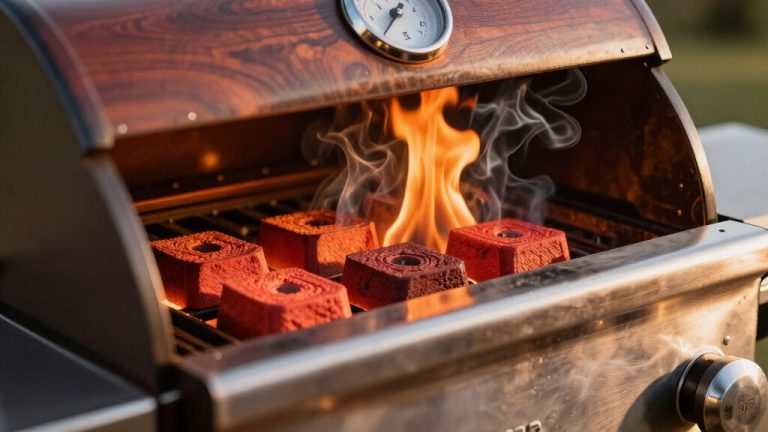
Season your smoker thoroughly before use and store it under cover to protect its finish. These steps guarantee peak smoke flavor, consistent cooking, and longevity. Using a bisquette system can also help maintain steady, clean smoke without manual feeding, enhancing flavor and ease of use.
Frequently Asked Questions
How Do I Clean My Offset Smoker After Each Use?
After each use, let your offset smoker cool slightly but stay warm.
Scrape grates and firebox walls with a stiff wire brush to remove residue.
Empty ash and unburned charcoal to prevent buildup.
Wipe down interior surfaces with a damp cloth, avoiding harsh chemicals.
Clean grease traps and vents to maintain airflow.
Regularly oil grates to prevent rust.
This routine preserves heat retention and flavor precision, ensuring peak smoker performance every time.
What Types of Wood Are Best for Smoking Meat?
Ever wondered which woods bring out the best flavor in your smoked meats?
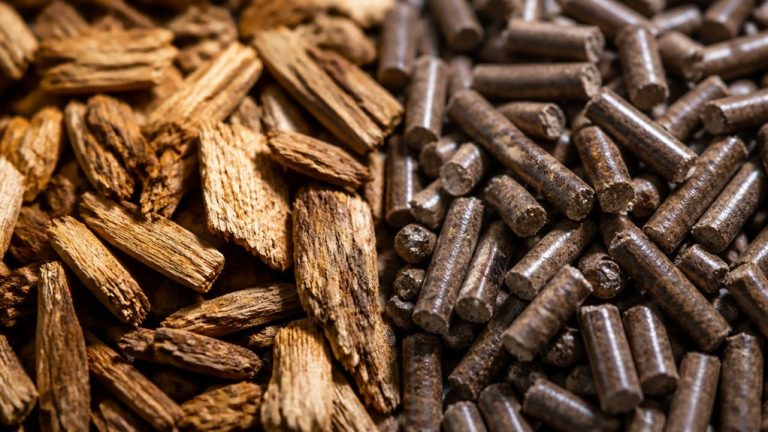
Hickory, mesquite, and oak are top choices for bold, smoky profiles, while fruitwoods like apple, cherry, and pecan add subtle sweetness and complexity.
You want hardwoods that burn clean and slowly, so avoid resinous softwoods.
Experiment with blends to balance intensity and aroma, enhancing your brisket, ribs, or poultry with precision and passion in every bite.
Can I Use My Offset Smoker in Cold or Windy Weather?
Yes, you can use your offset smoker in cold or windy weather, but you’ll need to manage heat retention carefully.
Insulated fireboxes and heavy-gauge steel models help maintain consistent temperatures despite the elements.
Use dampers and adjustable smoke stacks to regulate airflow and prevent temperature drops.
Also, sealing gaps prevents heat loss caused by wind.
Be prepared for longer fuel consumption and monitor your firebox closely to guarantee steady smoking in challenging conditions.
How Long Does It Take to Break in a New Offset Smoker?
Breaking in your new offset smoker typically takes about 2 to 3 hours of steady cooking at 225-250°F.
You’ll want to start by seasoning the metal, running a clean burn with a light coat of oil inside the chamber and firebox.
This process cures paint, seals seams, and burns off manufacturing residues.
Doing this patiently guarantees better heat retention, reduces leaks, and improves your smoker’s longevity and performance.
Are There Any Safety Tips for Using an Offset Smoker?
Imagine you’re tending a 24” x 60” Lone Star Grillz, managing a roaring firebox. Always wear heat-resistant gloves and keep a fire extinguisher nearby.
Never leave the smoker unattended, especially when adjusting dampers or adding fuel. Make certain proper ventilation to avoid carbon monoxide buildup.
Regularly inspect seals and hinges for leaks to maintain safe combustion. These steps prevent burns, fires, and toxic exposure, letting you focus on mastering your smoke flavors confidently.
Your Perfect Smoke Starts With the Right Choice
Choosing the right offset smoker is like tuning a finely crafted instrument. Each detail, from firebox design to temperature control, strikes a vital note in your barbecue symphony.
Whether you’re balancing budget constraints or craving premium features, mastering these elements fuels your smoker’s heart and extends its life.
With this knowledge, you’ll transform raw heat into perfect smoke. Every cookout becomes a passionate, mouthwatering performance that sings with flavor and precision.