Is Smoked Turkey Good for You: Nutrition, Benefits & Risks
You can enjoy smoked turkey as a tasty, high-protein option if you choose lean, skinless cuts and control your portions.
It retains important nutrients but often has added sodium and preservatives, which you’ll want to moderate to protect heart health.
Smoking adds flavor but may introduce compounds linked to health risks if consumed in large amounts.
Proper handling and reheating guarantee safety.
Keep these points in mind to make smoked turkey a smart part of your diet and learn how to select it wisely.
Key Takeaways
- Smoked turkey provides high-quality protein, B vitamins, selenium, and zinc, supporting muscle and overall health.
- It is lower in fat and calories when skinless, making it a heart-friendly lean meat option.
- Smoked turkey often contains added sodium and preservatives, increasing risks of high blood pressure and potential carcinogen exposure.
- Proper portion control and choosing skinless, minimally processed smoked turkey help manage fat, sodium, and preservative intake.
- Safe reheating and storage are essential to prevent foodborne illness and maintain smoked turkey’s quality and safety.
What Is Smoked Turkey and How Is It Made?

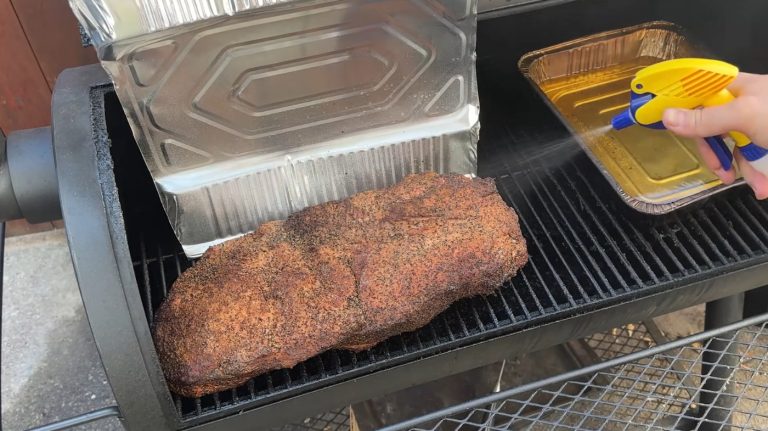
Smoked turkey involves curing or seasoning turkey meat before exposing it to smoke from burning wood or other materials, which imparts flavor and helps preserve it.
You’ll often see turkey either dry-rubbed or brined to enhance moisture and flavor prior to smoking. The smoking process uses low heat and smoke for several hours, allowing the meat to absorb complex aromas.
This method not only enriches taste but also slows bacterial growth, extending shelf life compared to fresh turkey. However, smoking can introduce compounds like polycyclic aromatic hydrocarbons (PAHs), which may carry health concerns when consumed excessively.
Still, when you enjoy smoked turkey in moderation and choose products without excessive additives, it offers a savory alternative to fresh turkey with a distinct taste and preservation benefits. Proper brining and controlled smoking temperatures are essential for maintaining moisture retention and ensuring a tender, flavorful result.
How Does Smoked Turkey Compare to Fresh Turkey Nutritionally?
While fresh turkey offers a clean, unprocessed source of lean protein, smoked turkey introduces added flavors and preservation benefits but comes with nutritional trade-offs you should consider.
Fresh turkey provides lean protein, while smoked turkey adds flavor and preservation with some nutritional compromises.
Fresh turkey is naturally low in fat and calories, especially without skin, and is rich in high-quality protein and essential B vitamins.
Smoked turkey, however, often contains added sodium and may include preservatives like nitrites, which can form carcinogenic compounds during smoking.
Nutritionally, smoked turkey retains much of the protein and micronutrients but can be higher in sodium and potentially saturated fat if skin or dark meat is included.
When choosing, prioritize fresh, skinless turkey for a leaner option and moderate smoked turkey intake to manage sodium exposure while enjoying its distinctive taste.
For reheating smoked turkey safely and maintaining its moisture, it is important to reheat it to at least 165°F internal temperature.
What Are the Health Benefits of Smoked Turkey?
Enjoying smoked turkey can offer several health benefits thanks to its rich nutrient profile. It’s a great source of high-quality protein, supporting muscle repair and satiety. You’ll also get essential B vitamins like B3, B6, and B12, which aid energy production and brain function.
Minerals like selenium and zinc help boost immunity and may reduce cancer risk. Plus, smoked turkey is generally low in fat, especially if you choose skinless cuts. This makes it heart-friendly compared to red meats. However, it is important to properly store and handle smoked turkey to avoid foodborne illness, as hot smoking reduces microbial load but does not guarantee indefinite safety.
| Nutrient | Benefit | Amount per 100g |
|---|---|---|
| Protein | Muscle growth, fullness | 27.1g |
| Vitamin B3 | Energy metabolism | 10.1mg (61% DV) |
| Selenium | Immune support, cancer risk | 17mcg |
| Zinc | Immunity, wound healing | 2.4mg |
| Low Fat | Heart health, weight control | 5.33g total fat |
How Does Smoking Affect Smoked Turkey’s Safety?
The nutritional benefits of smoked turkey are clear, but it’s also important to understand how the smoking process can impact its safety.
Smoking exposes turkey to smoke compounds, which can introduce potentially harmful substances like polycyclic aromatic hydrocarbons (PAHs) and nitrosamines.
These compounds form when nitrites or nitrates are used as preservatives during smoking and have been linked to cancer risks.
However, food safety standards regulate nitrite levels to minimize these risks.
Also, smoking helps preserve turkey by reducing bacterial growth, enhancing safety compared to fresh meat.
To keep smoked turkey safe, store it properly and consume it before the expiration date.
It is also essential to cure raw turkey before cold smoking to inhibit harmful bacteria such as Clostridium botulinum.
What Are the Health Risks of Smoked Turkey?
Hey there! Just a heads-up about smoked turkey. It’s delicious, but you might want to keep an eye on the sodium levels. They can be pretty high, which isn’t great for your blood pressure or heart health.
Also, during the smoking process, some not-so-great substances called carcinogens, like N-nitroso compounds, can form. If you’re eating smoked turkey often, that could potentially raise your cancer risk.
And don’t forget about the skin and certain cuts. They can pack in extra fat and calories, so it’s a good idea to watch your portions. Enjoy your meals, but a little moderation goes a long way!
Keep in mind that the smoking process can also cause a smoke ring formation, which affects the appearance but not the safety of the meat.
Sodium Content Concerns
When considering smoked turkey, it’s important to be aware that its sodium content can be markedly higher than that of fresh, unprocessed turkey. Sodium is often added during smoking to enhance flavor and preserve the meat, which notably increases the overall sodium level.
Consuming too much sodium can raise your blood pressure and increase your risk of heart disease and stroke. If you’re watching your sodium intake, it’s wise to limit smoked turkey portions or choose low-sodium alternatives.
While smoked turkey still provides high-quality protein and essential nutrients, balancing its intake with fresh options and a diet rich in fruits and vegetables helps manage sodium levels effectively. Being mindful of sodium content allows you to enjoy smoked turkey without compromising your heart health.
To ensure safe and flavorful results, it’s important to monitor the internal temperature of smoked poultry carefully during cooking.
Carcinogen Formation Risks
Although smoked turkey offers valuable nutrients, it can also expose you to carcinogens formed during the smoking process. When turkey is smoked, harmful compounds like polycyclic aromatic hydrocarbons (PAHs) and nitrosamines may develop.
These substances have been linked to increased cancer risk in research, especially when consumed frequently or in large amounts. While the occasional serving of smoked turkey is unlikely to pose significant harm, regularly eating smoked or processed meats can elevate your exposure to these carcinogens.
To reduce risk, consider limiting smoked turkey intake and opting for cooking methods like roasting or grilling that don’t involve smoke. Being mindful of portion size and frequency helps you enjoy turkey’s benefits while minimizing potential health risks from carcinogen formation.
Because mesquite smoke produces higher levels of polycyclic aromatic hydrocarbons than other woods, controlling smoke exposure and cooking conditions is especially important for health.
Fat And Calorie Increase
Many people don’t realize that smoking turkey can increase its fat and calorie content, especially if the skin remains on.
When you eat smoked turkey with skin, you consume about 190 calories and 7.4 grams of fat per 100 grams, compared to 164 calories and 5.3 grams of fat without skin.
This added fat can contribute to higher saturated fat intake, which may impact heart health if consumed excessively.
While turkey is generally lean and high in protein, keeping the skin on during smoking adds fat and calories, potentially undermining its benefits.
To manage your intake, choose skinless smoked turkey and watch portion sizes.
Balancing these factors helps you enjoy smoked turkey without unnecessary health risks.
For safe consumption, it is important to ensure the turkey is reheated to an internal temperature of 165°F (74°C) to prevent foodborne illness.
When Is Smoked Turkey a Healthy Choice?
Sure! Here’s a more conversational version of your text:
—
If you’re looking to make smoked turkey a healthy choice, you’re in luck! It’s packed with high-quality protein and essential B vitamins, which are great for your body.
Now, to keep it on the healthier side, try to go for low-sodium or minimally processed options. This way, you can avoid the extra salt and preservatives that can sometimes be a concern.
When reheating smoked turkey, following proper temperature guidelines ensures the meat stays juicy and safe to eat.
Nutrient Benefits of Turkey
Understanding the nutrient benefits of smoked turkey helps you make informed choices about including it in your diet.
Smoked turkey provides high-quality protein, supplying all nine essential amino acids needed for muscle growth and repair. Just two slices deliver about 24 grams of protein, along with significant amounts of B vitamins, including niacin (B3), B6, and B12, which support energy production and brain health.
It also contains important minerals like selenium and zinc that boost your immune system and antioxidant defenses. While smoked turkey contains moderate fat, choosing lean cuts without skin keeps calories and saturated fat low.
This makes it a healthier protein option compared to red meats. However, keep in mind that nutrient benefits depend on the cut and preparation, so consider these factors when including smoked turkey in your meals.
Choosing Low-Sodium Options
Selecting smoked turkey with low sodium content is essential for making it a genuinely healthy choice. High sodium levels in processed turkey can raise blood pressure and increase cardiovascular risk, undermining its nutritional benefits.
When you choose low-sodium smoked turkey, you still get high-quality protein and important B vitamins without excess salt. Look for labels specifying “low sodium” or “reduced sodium.” Check the nutrition facts for sodium amounts—aim for less than 140 mg per serving.
You can also rinse smoked turkey under water to reduce surface sodium. Balancing smoked turkey with fresh vegetables and whole grains further supports heart health. Proper storage practices can help maintain the quality and safety of smoked turkey once opened.
How Can You Pick and Enjoy Smoked Turkey Safely?
When choosing smoked turkey, focus on products labeled as skinless and minimally processed to reduce intake of added sodium and harmful nitrites.
Check nutrition labels for lower sodium content, aiming for options with less than 140 mg per serving.
Avoid varieties with added preservatives like sodium nitrite, which can form carcinogenic compounds during smoking.
Opt for white meat cuts, as they contain less fat and calories than dark meat or skin-on portions.
To enjoy smoked turkey safely, control your portion size, keeping servings moderate to limit saturated fat and sodium intake.
Pair it with fresh vegetables and whole grains to balance the meal.
Frequently Asked Questions
Can Smoked Turkey Be Part of a Weight Loss Diet?
Yes, you can include smoked turkey in a weight loss diet, but with caution.
It’s high in protein, which supports fullness and muscle maintenance, aiding weight loss.
However, smoked turkey often contains added sodium and preservatives, which you should limit.
Opt for lean, minimally processed versions, and watch portion sizes to manage fat and calorie intake.
Balancing it with fresh vegetables and whole grains will help keep your diet healthy and effective.
How Does Smoked Turkey Affect Blood Pressure Levels?
If you think smoked turkey will instantly fix your blood pressure, think again.
Smoked turkey often contains high sodium levels, which can raise blood pressure and strain your heart.
While turkey itself offers beneficial nutrients like potassium that support heart health, the smoking process and added salt can counteract those benefits.
To keep your blood pressure in check, choose low-sodium or skinless versions and limit processed smoked turkey intake.
What Are the Best Side Dishes to Serve With Smoked Turkey?
You’ll want to pair smoked turkey with nutrient-rich, low-sodium sides to balance flavors and support health.
Try roasted vegetables like Brussels sprouts or sweet potatoes, which provide fiber and vitamins.
A fresh green salad with a light vinaigrette offers antioxidants and hydration.
Whole grains such as quinoa or brown rice add complex carbs and minerals.
Avoid overly processed or salty sides to keep your meal heart-healthy and satisfying.
Is Smoked Turkey Suitable for People With Food Allergies?
If you’re allergic to common allergens like nuts or dairy, smoked turkey is usually safe since it’s just meat.
But watch out: processed smoked turkey can contain additives or preservatives that might trigger reactions.
Around 30% of processed meats have sodium nitrites, which some people may be sensitive to.
Always check labels carefully and consult your doctor if you have food allergies, especially to preservatives or additives in smoked products.
How Long Can Smoked Turkey Be Safely Stored in the Fridge?
You can safely store smoked turkey in the fridge for about 3 to 4 days.
Make sure it’s kept at or below 40°F (4°C) and sealed tightly to prevent contamination.
If you don’t plan to eat it within that time frame, freeze it to maintain quality and safety.
Always check for off smells or sliminess before consuming, as those signs indicate spoilage regardless of storage time.
The Smart Way to Enjoy Smoked Turkey
Smoked turkey can be a tasty, protein-rich option, but it comes with both benefits and risks. You get essential nutrients and flavor, yet should watch for added sodium and potential compounds from smoking.
If you choose smoked turkey wisely, opting for low-sodium varieties and consuming it in moderation, you can enjoy it as part of a balanced diet without compromising your health. Always prioritize quality and safety to make the best choice for you.