What Is Hickory Smoked BBQ: Taste, Aroma, and Cooking
Hickory smoked BBQ gives your meat a rich, earthy flavor with a bold, rich, smoky aroma that’s deeply enjoyable.
It’s perfect for barbecue meat shoulders, ribs, and beef brisket, adding a robust, sweet-smoky balance that traditional Southern smokehouses love.
Using hickory wood needs careful control to avoid overpowering bitterness, but when done right, it creates mouthwatering complexity.
If you want to master smoking methods, wood blends, and flavor pairings, you’re about to discover key insights.
Key Takeaways
- Hickory smoked BBQ uses wood from hickory trees to impart a rich, earthy flavor with a signature rich, smoky aroma.
- It offers a bold, savory smoke that balances sweet and smoky notes, enhancing meats and sauces without overpowering.
- Ideal for smoking smoked shoulder cuts, ribs, beef brisket, and poultry, as fatty and bold cuts absorb hickory smoke well.
- Smoking is done low-and-slow with indirect heat, adding hickory wood gradually for clean, thin blue smoke and steady flavor.
- Proper airflow and wood management prevent bitter flavors and ensure smooth, balanced smokiness without harsh, thick white smoke.
What Is Hickory Smoked BBQ and Why It’s Popular?

When you plunge into the world of barbecue, hickory smoked BBQ quickly stands out for its bold, savory character that’s hard to beat.
Hickory smoked BBQ uses wood from hickory trees to create a rich, earthy flavor that’s deeply rooted in classic American and Southern smokehouse traditions.
You’ll notice its signature rich, smoky aroma and robust smoke that’s stronger than fruitwoods but gentler than mesquite.
This smoky backbone adds a hearty depth that complements rich, fatty meats like smoked shoulder cuts and brisket perfectly.
Hickory’s popularity comes from its consistent heat and distinctive flavor, making it a go-to choice for pitmasters wanting that authentic BBQ taste.
Whether you’re smoking meats or adding smoky notes to sauces, hickory delivers a classic, unmistakable BBQ experience you’ll appreciate.
Unlike mesquite, hickory burns slower and at a moderate temperature, providing a more controlled cooking environment and a sweeter smoke profile.
What Hickory Smoke Brings to Your BBQ Flavor?
Flavor is the heart of any great barbecue, and hickory smoke brings a bold, savory punch that instantly elevates your BBQ to a new level.
Flavor defines great barbecue, and hickory smoke adds a bold, savory kick that transforms every bite.
When you use hickory, you get a rich, earthy aroma reminiscent of bacon, adding depth that’s both robust and slightly sweet.
This smoky profile creates a memorable taste experience that’s hard to match.
Here’s what hickory smoke brings to your BBQ flavor:
- Boldness – It delivers a strong, hearty smoke that stands out without overpowering.
- Complexity – The subtle sweetness balances the rich, savory notes.
- Authenticity – It evokes classic Southern barbecue traditions, giving your meat that unmistakable smoky character.
With hickory, your BBQ gains a distinctive flavor that’s both timeless and deeply enjoyable. Additionally, hickory’s steady burn characteristics make it ideal for long, slow smoking that enhances flavor depth.
Which Meats Work Best With Hickory Smoke?
Choosing the right meats to pair with hickory smoke can transform your barbecue into a rich, savory masterpiece. Hickory’s bold, rich, smoky flavor complements fattier cuts that can soak up its deep smokiness without becoming overpowering.
smoked shoulder cuts, ribs, and beef brisket shine under hickory smoke’s robust profile. Even chicken works well if you control the smoke intensity. However, delicate proteins like fish can be overwhelmed.
| Meat Type | Best Cuts | Why It Works |
|---|---|---|
| barbecue meat | Shoulder, Ribs | Fatty, absorbs smoke richly |
| Beef | Brisket, Chuck | Bold cuts match hickory’s strength |
| Poultry | Whole Chicken, Thighs | Mild smoke enhances without masking |
Choosing woods with a moderate burn rate like hickory helps maintain consistent cooking temperatures and smoke quality throughout your barbecue session.
Choose wisely, and your BBQ will sing with hickory’s classic, hearty flavor.
Smoking Methods Ideal for Hickory Wood
Pairing the right smoking method with hickory wood can elevate the bold flavors of your chosen meats.
Choosing the perfect smoking technique with hickory wood enhances the bold, rich flavors of your meats.
To get the most from hickory’s rich, robust smoke, consider these approaches:
1. Low-and-slow with indirect heat
Use offset smokers or ceramic grills to maintain steady, gentle heat. This allows the hickory smoke to infuse deeply without overpowering your meat.
2. Gradual wood addition
Add hickory chunks or splits incrementally during long cooks to sustain a clean, blue smoke. This enhances flavor without bitterness.
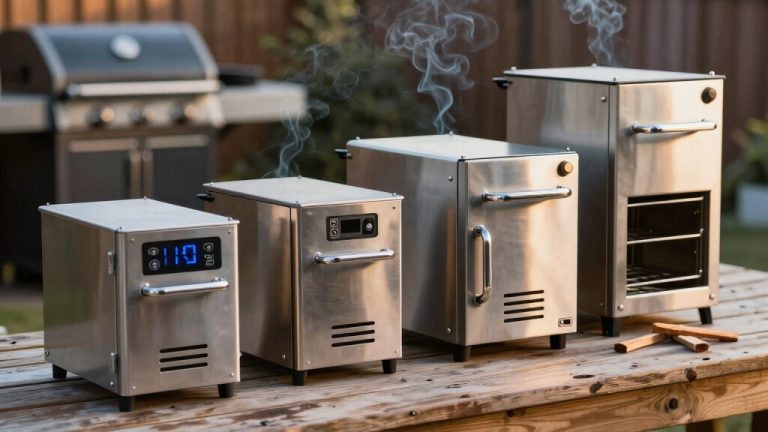
3. Pellet grills or smoker boxes
These offer precise control over airflow and smoke density. This helps you balance hickory’s strong profile with consistent temperature.
Oak wood, with its slow burn rate, can be blended with hickory to create a balanced and complex smoky flavor.
Controlling Hickory Smoke for Great BBQ
To really nail hickory smoked BBQ, you’ve got to keep an eye on that smoke intensity. It’s all about timing when you add the wood; you don’t want to overwhelm your meat with too much smoke.
Aim for that clean combustion! You’re looking for thin blue smoke instead of thick, white clouds. Trust me, that makes a world of difference in flavor.
When you get these elements right, your BBQ will have that bold, savory taste you crave—without any bitterness. Enjoy the process, and your efforts will definitely pay off!
Also, wearing heat-resistant welding gloves can enhance safety when handling hot wood and grill components during smoking.
Managing Smoke Intensity
Controlling the intensity of hickory smoke is essential for crafting barbecue that’s flavorful without being overpowering. You want that bold, rich, smoky aroma, but not a bitter, harsh bite.
To manage smoke intensity, focus on these key steps:
- Regulate airflow – Adjust vents to allow enough oxygen for clean, thin blue smoke, avoiding thick white clouds that signal over-smoking.
- Control wood quantity – Start with small amounts of hickory chunks or chips; add gradually if needed to maintain balance.
- Choose the right wood size – Larger chunks burn slower and produce steadier smoke; chips burn quickly and can spike intensity unexpectedly.
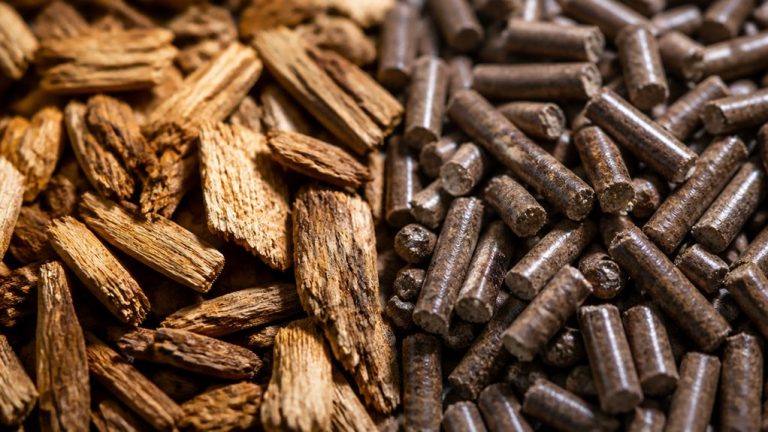
Mastering these tips helps you maintain that perfect, rich hickory flavor, turning your barbecue into a savory masterpiece. Using wood chips, however, requires attention to moisture and air control as they burn faster and produce more smoke and ash compared to pellets, which burn cleaner and hotter for steadier combustion. This difference in combustion efficiency affects how you manage smoke intensity in your barbecue.
Timing Wood Additions
Timing your wood additions carefully plays a pivotal role in achieving that perfect hickory smoke flavor without overwhelming your barbecue.
You want to add hickory wood in measured intervals, especially during the early stages of smoking when the meat absorbs the most flavor.
Start with small wood chunks or chips to create a steady, thin blue smoke. This signals a balanced smoke release.
Avoid dumping large amounts at once, which can cause thick, bitter smoke that masks the meat’s natural taste.
As your cook progresses, space out your additions to maintain a consistent smoke level without overpowering the meat.
For best results, consider blending hickory with maple wood to temper its intensity and add subtle sweetness.
Achieving Clean Combustion
Although hickory smoke adds bold flavor to your barbecue, you’ll want to make sure the combustion stays clean to avoid harsh or bitter notes.
Clean combustion produces thin blue smoke, which carries that rich, savory aroma without overpowering your meat. To achieve this, follow these steps:
- Use well-seasoned, dry hickory wood to prevent smoldering and thick smoke.
- Maintain proper airflow in your smoker; adjust vents to keep oxygen flowing and fuel burning efficiently.
- Add wood gradually to avoid choking the fire, which leads to incomplete combustion and bitter flavors.
Using butcher paper at the right time and temperature can help maintain moisture and enhance smoke flavor during the cooking process.
Common Mistakes When Smoking With Hickory?
You might be tempted to pile on the hickory wood for that stronger flavor, but hold on a second! Overdoing it can actually leave your meat tasting bitter and harsh. Not what you want, right?
Also, let’s talk about the quality of your smoke. It’s super important! Thin blue smoke? That’s a good sign—it means you’ve got a clean burn going on. But if you see thick white smoke, well, that’s a red flag.
Using the right amount of wood and choosing a milder option like Post Oak can help balance the smoke intensity and avoid overpowering your food.
Overuse Of Hickory Wood
Frequently, pitmasters new to hickory smoking make the mistake of using too much wood.
This can quickly overpower the meat with a bitter, harsh flavor. Hickory’s bold smoke is powerful, so a little goes a long way.
To avoid this pitfall, keep these tips in mind:
- Start with small amounts of hickory wood. Add more gradually if needed to prevent overwhelming the meat.
- Monitor your smoke color. Aim for thin blue smoke, not thick white clouds that signal heavy, bitter smoke.
- Balance hickory with milder woods like oak to soften the intensity and create a more nuanced flavor.
Using kiln-dried hickory chunks ensures consistent heat and a cleaner smoke that enhances flavor without bitterness.
Ignoring Smoke Quality
When smoking with hickory, paying close attention to smoke quality is essential to avoid ruining your BBQ’s flavor.
Thick, white smoke signals incomplete combustion, which can turn your meat bitter and harsh.
Instead, aim for thin, blue smoke that gently infuses your food with hickory’s bold, savory notes.
Neglecting this can overwhelm your BBQ, masking natural flavors.
| Smoke Quality | Effect on BBQ Flavor |
|---|---|
| Thin, Blue Smoke | Clean, rich, balanced flavor |
| Thick, White Smoke | Bitter, harsh, overpowering |
| No Smoke | Lacks smoky depth |
Keep your fire steady, adjust airflow, and add wood gradually.
This way, you’ll master hickory’s smoky charm without the common pitfalls.
Flavor Impact of Hickory Smoke on Sauces and Sides
Enhancing sauces and sides with hickory smoke adds a rich, savory depth that elevates the entire barbecue experience.
Adding hickory smoke to sauces and sides brings rich, savory depth that transforms every barbecue bite.
When you infuse classic accompaniments like baked beans, mac and cheese, or barbecue sauce with hickory smoke, you reveal layers of bold, earthy flavor reminiscent of smoked meats.
This smoky twist transforms ordinary sides into unforgettable complements. Here’s how hickory smoke impacts your sauces and sides:
- It adds a subtle sweetness balanced by a robust, rich, smoky aroma that deepens flavor complexity.
- Hickory smoke enhances the savory notes in sauces, giving them a hearty backbone without overwhelming the palate.
- It creates a warm, inviting aroma that makes traditional sides feel authentically Southern and comforting.
How to Blend Hickory With Other Woods for Balanced Smoke?
To achieve a perfectly balanced smoke flavor, blending hickory with milder woods like oak, cherry, or pecan is a smart move. Hickory gives you that bold, savory backbone, while these softer woods add subtle sweetness and complexity without overpowering your meat.
Start by mixing about 70% hickory with 30% of your chosen milder wood. This combo tempers hickory’s intensity, delivering a smoother, more nuanced smoke profile that complements barbecue meat, beef, or chicken beautifully.
For a fruitier touch, cherry wood brightens the flavor, while pecan offers a gentle nutty hint. Oak, a classic pairing, maintains a steady, clean smoke that won’t compete with hickory’s robust notes.
Experiment with ratios until you find your perfect harmony. Balanced smoke is all about enhancing, not overwhelming.
Frequently Asked Questions
How Long Does Hickory Smoke Flavor Last on Cooked Meat?
You’ll find hickory smoke flavor lingers on cooked meat for several days, usually around 3 to 5 days when stored properly in the fridge.
The bold, earthy taste gradually fades as the meat’s moisture evaporates and natural flavors mellow.
To keep that smoky richness longer, store your barbecue in airtight containers and reheat gently.
Can Hickory Smoke Cause Allergic Reactions?
About 1-2% of people with wood or smoke sensitivities might experience allergic reactions from hickory smoke.
You could face symptoms like sneezing, skin irritation, or asthma flare-ups if you’re sensitive.
Hickory smoke contains compounds that can trigger these responses, especially if you’re exposed for long periods or in enclosed spaces.
To stay safe, make sure to ensure proper ventilation and limit your exposure when smoking or enjoying hickory smoked foods.
Is Liquid Hickory Smoke as Authentic as Wood Smoke?
Liquid hickory smoke isn’t as authentic as real wood smoke because it’s a condensed, processed form of the smoke flavor.
You’ll get that smoky, rich, smoky taste quickly and conveniently, but it lacks the complex, evolving aroma and texture that slow smoking with actual hickory wood delivers.
If you want a truly rich, layered barbecue experience, using wood chunks or chips will always outperform liquid smoke’s simpler, one-dimensional profile.
What Is the Best Way to Store Hickory Wood for Smoking?
The best way to store hickory wood for smoking is to keep it dry and well-ventilated.
You’ll want to stack your wood off the ground, maybe on a pallet, and cover the top with a tarp while leaving the sides open to let air circulate.
This helps prevent mold and keeps the wood seasoned, so it burns cleanly and produces that bold, savory smoke flavor you’re after.
Does Hickory Smoke Affect the Nutritional Value of Meat?
Hickory smoke doesn’t markedly change the nutritional value of your meat. It doesn’t add calories and doesn’t reduce protein or fat content.
It mainly influences flavor and aroma, giving your BBQ a rich, smoky character. However, you should avoid heavy smoke exposure, as it can create harmful compounds on the meat’s surface.
To stay safe and flavorful, use clean, controlled smoke and moderate your smoking time carefully.
How to Use Hickory Wood for Rich, Balanced BBQ Flavor
If you’re worried hickory smoke might overpower your BBQ, don’t be.
When controlled well, it adds a rich, smoky sweetness that enhances rather than masks your meat’s natural flavors.
Hickory’s bold character pairs beautifully with barbecue meat, beef, and even sauces, creating a complex taste you’ll crave.
By mastering your smoking technique and blending woods thoughtfully, you’ll elevate your BBQ to a smoky masterpiece that’s anything but ordinary.
Give it a try—you won’t regret it!