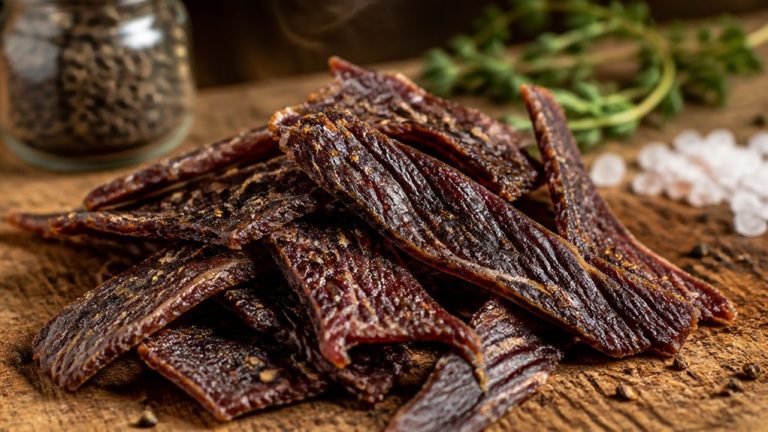
Ribs Big Green Egg Recipe: Easy Smoked BBQ Guide
Trim your ribs, slather on mustard, then rub in your favorite BBQ seasoning.
Fire up your Big Green Egg to 225–250°F with apple or cherry wood chunks for that sweet, smoky aroma.
Smoke ribs bone side down, spritz hourly with apple juice mix, then wrap in foil with honey to seal in juiciness.
Finish by saucing at 275°F for a sticky glaze.
Get ready, because mastering these steps opens the ultimate fall-off-the-bone ribs experience.
Key Takeaways
- Preheat Big Green Egg to 225–250°F with convEGGtor and add apple or cherry wood chunks for mild, sweet smoke flavor.
- Trim ribs, apply mustard binder, then evenly coat with BBQ rub; let sit 10–20 minutes before smoking bone side down.
- Smoke ribs 2–3 hours without opening lid; spritz hourly with apple juice, cider vinegar, hot sauce, and Worcestershire mix.
- Wrap ribs tightly in foil with apple juice and honey; cook wrapped at 230–250°F for about 2 hours to lock in moisture.
- Finish by saucing ribs and raising temperature to 275°F for 10–40 minutes, reapplying sauce every 10–15 minutes for caramelized glaze.
Ribs Big Green Egg Recipe Table
| Recipe Element | Details |
|---|---|
| Main Term | Ribs Big Green Egg Recipe |
| Recipe Type | BBQ / Smoked Ribs |
| Cuisine | American BBQ |
| Difficulty Level | Intermediate |
| Prep Time | 20–30 minutes |
| Smoking Time | 5–6 hours |
| Total Time | Approximately 6 hours |
| Main Protein | Meat ribs |
| Rib Types | Baby back ribs, spare ribs |
| Cooking Method | Indirect smoking |
| Cooking Temperature | 225–250°F |
| Final Glaze Temperature | 275°F |
| Wood Chunk Options | Apple, cherry, hickory, oak |
| Recommended Wood Flavor | Sweet and mild smoky flavor |
| Essential Equipment | Big Green Egg, convEGGtor, drip pan |
| Binder Used | Yellow mustard |
| Key Seasonings | BBQ dry rub |
| Spritz Ingredients | Apple juice, cider vinegar, Worcestershire, hot sauce |
| Wrapping Ingredients | Honey and apple juice |
| Foil Wrap Stage | About 2 hours |
| Saucing Time | 10–40 minutes |
| Texture Goal | Tender, juicy, fall-off-the-bone |
| Best Tenderness Test | Bend test and skewer test |
| Internal Temperature Goal | Around 200°F |
| Best Side Dishes | Coleslaw, baked beans, cornbread |
| Storage Method | Airtight container in refrigerator |
| Reheating Tip | Reheat wrapped in foil with apple juice at 250°F |
| Flavor Profile | Smoky, sweet, savory, sticky |
| Pro Tip | Avoid opening the lid frequently to maintain steady smoke and heat |
| Popular Cooking Method | 3-2-1 method for spare ribs |
| Best Serving Style | Freshly sliced with extra BBQ sauce |
Preparing Ribs for the Big Green Egg

Start by trimming off any excess fat and carefully removing the membrane from the bone side of your ribs. This helps the flavors penetrate better and guarantees a tender bite.
Trim excess fat and remove the membrane to ensure deeper flavor and tender, juicy ribs every time.
Once your ribs are prepped, slather a thin layer of yellow mustard all over both sides. Don’t worry, the mustard won’t overpower; it acts as a sticky binder for your dry rub.
Next, sprinkle your favorite BBQ rub evenly, pressing it gently into the meat so every inch is coated. This step is key for that deep, smoky flavor. Take your time here; it only takes 10 to 20 minutes.
Once coated, your ribs are ready to hit the Big Green Egg, perfectly prepped to soak up all that wonderful smoke. Before cooking, consider wrapping your ribs tightly in heavy-duty aluminum foil with added moisture to lock in flavor and tenderness.
Setting Up Your Big Green Egg for Indirect Smoking
Alright, let’s get started on setting up your Big Green Egg for some delicious indirect smoking! First things first: you’ll want to preheat your Egg to a nice steady temperature between 225 and 250°F. This range is perfect for getting that smoky goodness just right.
Once it’s warmed up, it’s time to set up your convEGGtor. This nifty accessory, along with a drip pan and stainless steel grid, creates a gentle heat barrier. This setup is key because it allows your ribs to cook low and slow, minimizing any flare-ups. Plus, it helps lock in all those amazing smoky flavors!
For best results, consider spritzing during cooking to maintain surface moisture and enhance flavor without disrupting the bark.
Preheating Temperature Range
While setting up your Big Green Egg for indirect smoking, you’ll want to preheat it to a steady range between 225°F and 250°F.
This sweet spot keeps your ribs tender and infused with smoky flavor without drying them out.
To nail this temperature range:
- Light your charcoal and add wood chunks only after the coals are glowing to avoid flare-ups.
- Adjust the bottom vent and top daisy wheel gradually, keeping the lid closed to stabilize heat.
- Use a reliable thermometer to monitor the temp. Consistency is key for those fall-off-the-bone ribs.
Stay patient; it might take 20-30 minutes to reach this range.
Once steady, you’re ready to start smoking with indirect heat, ensuring perfect, juicy ribs every time.
Maintaining this temperature range supports both bark formation and smoke ring visibility, enhancing flavor and presentation.
Setting Up Accessories
Get your Big Green Egg ready for indirect smoking by setting up the essential accessories that create the perfect cooking environment.
Start by placing the convEGGtor, a ceramic heat deflector, between the charcoal and cooking grate. This shields your ribs from direct flames, ensuring slow, even cooking.
Next, slide in a drip pan underneath the grate to catch flavorful drippings and keep your Egg clean.
Use the stainless steel cooking grid on top for sturdy support and easy cleanup.
Light your charcoal and tuck 3-4 chunks of apple or cherry wood into the glowing coals for that signature smoky aroma.
Close the lid and let the temperature stabilize between 225-250°F before adding your ribs.
With this setup, you’re set to smoke tender, mouthwatering ribs every time! The reverse flow design in smokers like the Lang BBQ ensures even heat distribution and enhanced smoke flavor, a principle you can emulate by maintaining consistent temperature and airflow in your Big Green Egg.
Choosing Wood Chunks for Smoking Ribs on the Big Green Egg
When you’re smoking ribs on your Big Green Egg, picking the right wood chunks is key to getting that perfect flavor. You definitely want to lean towards options like apple or cherry.
They give off a sweet, mild smoke that really enhances the meat without being too intense.
Oh, and don’t forget about the size of the chunks! Aim for something around 3-4 inches.
This size will help them burn steadily, ensuring they don’t overpower your ribs but still add that delicious smoky goodness.
Cherry wood also produces a deep reddish-mahogany color that makes your ribs look as good as they taste.
Best Wood Chunk Flavors
Few things influence the flavor of your ribs quite like the wood chunks you choose for smoking on your Big Green Egg. Picking the right wood can elevate your ribs from good to unforgettable.
Here are three top choices to try:
- Apple: Sweet and mild, apple wood adds a subtle fruity smoke that complements meat perfectly without overpowering it.
- Cherry: This wood delivers a slightly sweet, rich aroma with a hint of tartness, giving your ribs a beautiful color and deep flavor.
- Hickory: For a stronger, classic BBQ smoke, hickory brings a bold, savory punch that pairs well if you like that traditional smoky taste.
Try mixing apple and cherry chunks for a balanced, complex flavor that will make your ribs shine every time! Oak is also an excellent choice due to its medium smoky taste that provides a balanced flavor profile suitable for a variety of meats.
Wood Chunk Size Guide
Selecting the right size wood chunks can make a big difference in how your ribs absorb smoke flavor during cooking on the Big Green Egg. You want chunks roughly 1.5 to 3 inches wide, big enough to burn slow and steady without flaring up or turning to ash too quickly.
Smaller pieces burn fast and can overwhelm your ribs with harsh smoke. Huge chunks may smolder too long, giving a bitter taste. For ribs, picking wood chunks about the size of a golf ball or a bit larger works perfectly.
That way, you get a consistent, mellow smoke that infuses your meat evenly over the 3-4 hour smoke phase. Remember, quality and size together will help you nail that perfect smoky flavor every time. Using food-grade hardwood pellets or chunks appropriate for your desired smoke flavor ensures a safe and flavorful cooking experience.
Smoking Ribs: Temperature, Timing, and Spraying Tips
Although smoking ribs requires patience, nailing the right temperature and timing makes all the difference in achieving tender, flavorful meat.
Mastering temperature and timing is key to smoking ribs that are tender and full of flavor.
Start by keeping your Big Green Egg steady at 225-250°F for that perfect low-and-slow cook.
You’ll want to smoke the ribs bone side down directly on the grate for about 2-3 hours without lifting the lid. This seals in those smoky flavors.
Here’s a quick guide to keep you on track:
- Maintain 225-250°F for the first 3 hours of smoking.
- Spray the ribs every hour with a mix of apple juice, cider vinegar, hot sauce, and Worcestershire to keep them moist.
- Avoid opening the lid too often; it lets heat and smoke escape, slowing cooking.
Once the internal temperature of the ribs reaches between 150°F and 170°F, consider wrapping to lock in moisture and accelerate tenderness.
Stick to this, and you’re well on your way to ribs that fall off the bone.
Testing Rib Tenderness: Bend and Skewer Methods
You’ll often find that testing rib tenderness is the key to knowing when your ribs are perfectly cooked and ready to eat.
The bend test’s your go-to: pick up the ribs with tongs in the center and give them a gentle bounce. If they bend easily and the meat starts to crack but doesn’t fall apart, you’re golden. It shows the collagen has broken down just right.
Next up, the skewer method. Slide a thin skewer or toothpick between the bones. It should slide in with little resistance, signaling tender meat. If it feels too stiff, keep cooking a bit longer.
These simple tests keep you in control, so your Big Green Egg ribs come out juicy and tender every time.
Remember to aim for an internal temperature around 200°F for peak collagen breakdown and optimal tenderness.
Wrapping Ribs With Apple Juice and Honey for Tenderness
When you wrap your ribs in foil with apple juice and a drizzle of honey, you’re really setting yourself up for success. It locks in all that moisture, which is key for keeping the meat tender and juicy. Plus, the foil creates a nice steamy environment that does wonders.
And let’s not forget about the honey! That little drizzle adds a subtle sweetness that caramelizes beautifully as it cooks. Seriously, this step takes your ribs from just good to melt-in-your-mouth amazing. You won’t regret it!
To ensure a crispy crust, avoid over-moisturizing the surface before smoking to encourage bark formation.
Benefits Of Foil Wrapping
Because wrapping ribs in foil with apple juice and honey locks in moisture, it transforms your ribs into tender, juicy perfection.
When you wrap, you’re basically creating a mini steam chamber that keeps the ribs from drying out while cooking low and slow.
Here’s why foil wrapping is a game changer:
1. Moisture Retention
The apple juice and honey steam inside the foil, preventing your ribs from drying and keeping them luscious.
2. Tenderizing Effect
The trapped steam softens the meat fibers, making your ribs practically fall off the bone.
3. Even Cooking
Foil wrapping distributes heat evenly, so no part gets overcooked or tough.
This simple step elevates your Big Green Egg ribs from good to mouthwatering every time!
Enhancing Flavor With Honey
Locking in moisture with foil and apple juice sets the stage. Adding honey takes your ribs to a whole new level of flavor and tenderness.
When you wrap your ribs in foil, pour in a splash of apple juice and a drizzle of honey. This creates a steamy, sweet environment that breaks down the meat fibers, making every bite melt-in-your-mouth soft.
The honey caramelizes slightly during the cook, giving your ribs a subtle, sticky glaze that balances the smoky depth from the Big Green Egg.
Don’t be shy with the honey—just enough to enhance without overpowering. This combo keeps your ribs juicy and adds a gentle sweetness that complements the savory rub perfectly.
Trust me, this trick will make you never want to skip that wrap step again!
Cooking Wrapped Ribs: Time and Temperature Guidelines
Once your ribs have soaked up plenty of smoky goodness, you’ll want to wrap them tightly to lock in moisture and flavor.
Wrapping creates a steamy environment that tenderizes the meat and intensifies the taste.
Here’s how to nail the wrapped rib stage on your Big Green Egg:
- Wrap ribs in heavy-duty foil, adding a splash of apple juice and honey inside for sweetness and moisture.
- Place the ribs meat side down in the foil packet to keep juices locked in.
- Cook wrapped ribs at 230-250°F for about 2 hours to soften the meat until a skewer slides in easily.
Follow these time and temperature guidelines, and you’ll have fall-off-the-bone tender ribs ready for the final saucing step.
Applying BBQ Sauce During the Final Cook
Typically, you’ll want to unwrap your ribs and generously brush on your favorite BBQ sauce to kick off the final cook. This step amps up flavor and adds that glossy, sticky finish we all crave.
Crank the Big Green Egg temp to around 275°F to caramelize the sauce beautifully. Keep an eye on your ribs, reapplying sauce every 10-15 minutes to build layers of rich, tangy goodness without burning.
Use gentle strokes or a silicone brush for even coverage—no streaky patches here! This final saucing usually lasts between 10 to 40 minutes, depending on how thick and sticky you want your glaze.
When you see that perfect shine and a little tackiness, you’re ready to pull those ribs off and dig in.
Adjusting Cook Times for Baby Back and Spare Ribs
Because baby back ribs and spare ribs differ in size and fat content, you’ll want to tweak your cook times to get the best results.
Baby backs are leaner and smaller, so they cook faster. Spare ribs are meatier and need more time to break down that extra fat.
Here’s a quick guide to adjusting:
- Baby Back Ribs: Smoke for about 2 hours, wrap for 2 hours, then saucing for 1 hour (the 2-2-1 method).
- Spare Ribs: Go with 3 hours smoking, 2 hours wrapped, and 1 hour saucing (the 3-2-1 method).
- Always check tenderness with the bend test and skewer to fine-tune timing. Don’t rely on clocks alone!
This way, you’ll get juicy, tender ribs that fall off the bone every time.
Tips for Serving and Enjoying Your Smoked Ribs
Serving your smoked ribs right can make all the difference in enjoying the fruits of your labor.
Let your ribs rest for 10-15 minutes after cooking to lock in juices.
Slice between the bones with a sharp knife to keep each piece neat and easy to grab.
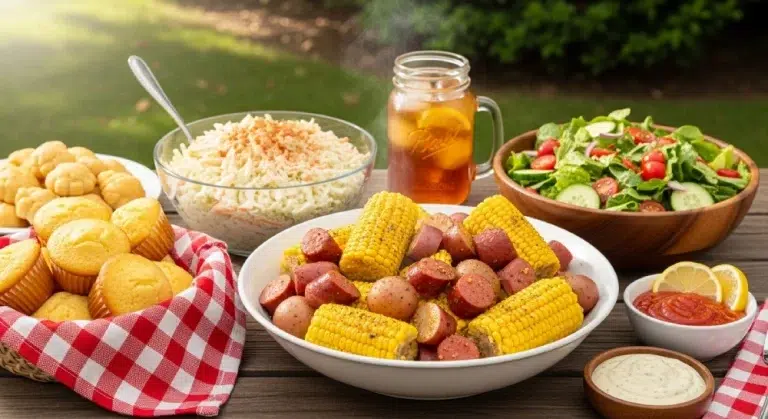
Serve with classic sides like coleslaw, baked beans, or cornbread to complement the smoky flavors.
Don’t forget some extra BBQ sauce on the side; some guests love an extra drizzle!
For a casual vibe, toss out plenty of napkins and maybe some wet wipes.
Finally, savor each bite slowly to appreciate that tender, smoky goodness you’ve created on your Big Green Egg.
Enjoy your feast; you’ve earned it!
Frequently Asked Questions
Can I Use Other Types of Wood Besides Apple or Cherry?
Absolutely, you can use other woods besides apple or cherry for smoking.
Hickory, mesquite, pecan, or oak all bring unique flavors to your ribs.
Hickory’s strong and smoky, mesquite’s bold and intense, pecan’s slightly sweet, and oak’s mild and versatile.
Just pick wood that matches your flavor vibe. Mixing woods can add complexity, too.
How Do I Store Leftover Smoked Ribs Properly?
You’ll want to let your leftover smoked ribs cool down to room temperature first.
Wrap them tightly in foil or plastic wrap to lock in moisture. Then pop them in an airtight container.
Store them in the fridge for up to 4 days. If you’re saving them longer, freeze the ribs wrapped well in a heavy-duty freezer bag for up to 3 months.
When reheating, go low and slow to keep that smoky goodness juicy and tender.
What’s the Best Way to Reheat Smoked Ribs Without Drying Them Out?
You might think reheating ribs means drying them out, but that’s not true if you do it right.
To keep them juicy, wrap your ribs tightly in foil with a splash of apple juice or broth.
Heat them in a 250°F oven for about 20-30 minutes.
This traps moisture and warms them gently, so you’ll get tender, flavorful ribs without that dreaded dryness.
Simple, tasty, and foolproof!
Can I Prepare Ribs in Advance and Smoke Them Later?
Yes, you can totally prep ribs ahead and smoke them later!
Just trim, mustard-bind, and rub them well, then wrap tightly and refrigerate or freeze.
When you’re ready, bring them to room temp before smoking.
This way, the flavors soak in, and you won’t rush the process.
It’s a great way to save time without sacrificing that smoky, tender goodness everyone loves.
Just remember to keep everything sealed tight!
What Side Dishes Pair Best With Big Green Egg Smoked Ribs?
Picture a plate piled high with smoky ribs, juices dripping as you reach for crisp coleslaw, its tangy crunch cutting through the richness.
You’ll love pairing that with buttery cornbread, creamy mac and cheese, or grilled corn dripping with melted butter.
Add some smoky baked beans and a fresh cucumber salad to balance flavors.
These sides bring out the best in your ribs, making every bite a finger-licking feast you won’t forget.
Master Big Green Egg Ribs Like a Backyard Pitmaster
Now that you’ve nailed smoking ribs on your Big Green Egg, imagine the joy when your friends bite into those tender, smoky beauties at your next backyard hangout.
Remember Jake, who turned his first try into a weekend tradition, impressing everyone with fall-off-the-bone ribs and mouthwatering sauce.
With these tips, you’re set to create your own legendary cookout moments. Smoke, sauce, and savor every juicy bite. Fire up that Egg and enjoy the delicious ride!