Butcher Paper Vs Parchment: Pros, Cons and Best Kitchen Uses
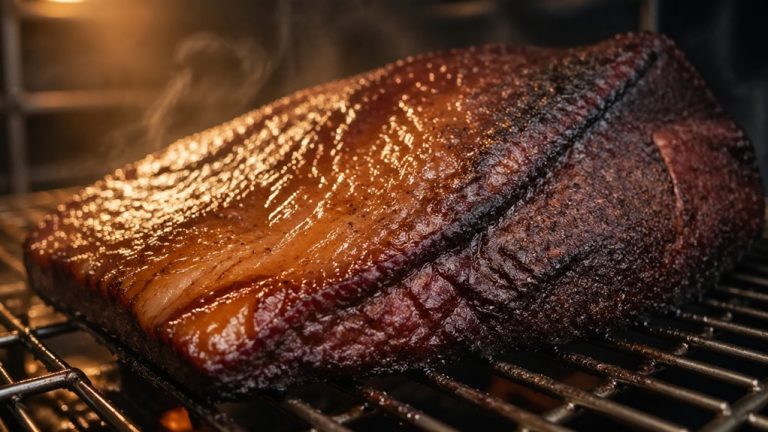
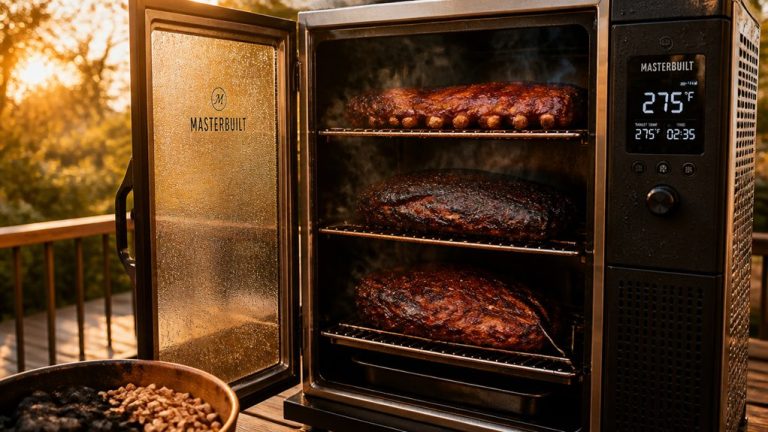
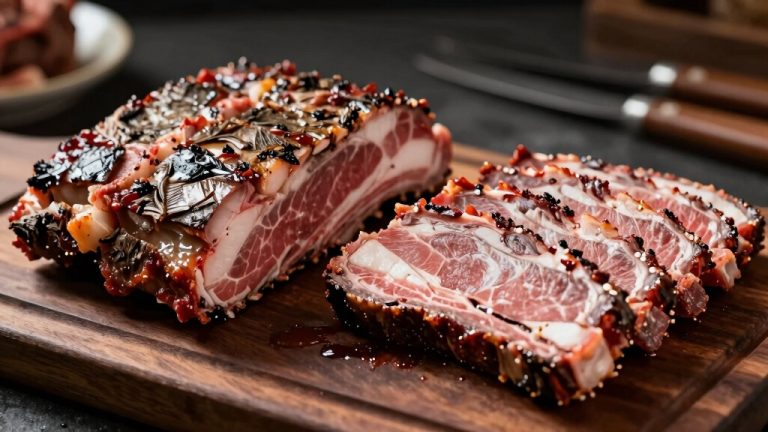
If you’re smoking meats, butcher paper’s porous, moisture-absorbing nature enhances bark formation and smoke flavor up to 500°F.
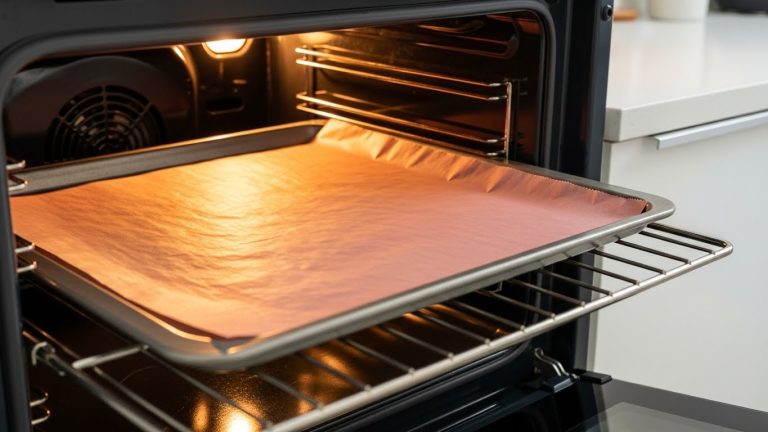
However, avoid direct flames to reduce fire risk. Parchment paper, coated with silicone, excels for baking and roasting with reliable non-stick performance up to 450°F.
It preserves juiciness and eases cleanup. Both have temperature limits and distinct cooking impacts, so choosing the right one matters depending on your technique and desired results.
Explore how their properties affect your culinary approach.
Key Takeaways
- Butcher paper is porous, breathable, and absorbs moisture, ideal for smoking meats and promoting bark formation.
- Parchment paper is silicone-coated, non-porous, and non-stick, perfect for baking, roasting, and en papillote cooking.
- Butcher paper tolerates temperatures above 500°F but risks ignition near open flames; parchment resists heat up to 450°F safely.
- Butcher paper enhances smoke flavor and durability for presentation, while parchment offers easy release and clean plating.
- Butcher paper is compostable, customizable, and durable; parchment is reusable but less recyclable due to silicone coating.
Butcher Paper & Parchment Paper Comparison Table
| Feature | Butcher Paper | Parchment Paper |
|---|---|---|
| Material | Uncoated kraft pulp | Cellulose paper coated with silicone |
| Surface Type | Porous and breathable | Non-porous and non-stick |
| Heat Resistance | Up to 500°F+ (avoid direct flames) | Up to 420–450°F |
| Moisture Behavior | Absorbs moisture, fat, and juices | Retains moisture and prevents sticking |
| Best Cooking Use | Smoking meats and wrapping barbecue | Baking, roasting, and en papillote cooking |
| Smoke Penetration | Allows smoke to pass through | Blocks smoke penetration |
| Bark Formation | Promotes bark formation in smoked meats | Does not help bark development |
| Reusability | Usually single-use | Can be reused several times |
| Cleanup | May stick and absorb grease | Easy cleanup due to non-stick coating |
| Eco-Friendliness | Often compostable and biodegradable | Limited recyclability due to silicone coating |
| Durability | Thick, strong, and tear-resistant | Thin but heat-resistant |
| Presentation | Good for wrapping meats and food packaging | Clean, elegant baking surface |
Butcher Paper or Parchment Paper: Which One Should You Use?

When deciding between butcher paper and parchment paper, consider the cooking method and desired outcome carefully.
If you want to smoke meat and develop a rich bark, butcher paper’s breathability allows smoke and heat to penetrate while absorbing moisture.
This enhances flavor and texture.
Conversely, parchment paper excels in baking and roasting due to its non-stick surface and heat resistance up to 450°F.
It prevents food from sticking and enables easy cleanup.
Butcher paper withstands higher temperatures but risks flammability near open flames, making it less suitable for direct baking.
Choose parchment for delicate tasks requiring non-stick and moderate heat.
Opt for butcher paper for smoking, wrapping, or presentation where breathability and durability matter.
Your selection should align with the cooking process and the specific benefits each paper offers.
However, it is important to ensure that butcher paper used is uncoated and FDA-approved to safely handle oven temperatures without releasing harmful fumes.
Materials and Physical Properties of Butcher and Parchment Paper
Choosing between butcher paper and parchment paper depends heavily on their distinct materials and physical properties, which directly impact their performance in cooking and food handling.
Selecting butcher or parchment paper hinges on their unique materials and cooking performance.
Butcher paper, made from uncoated, dense kraft pulp, is thicker, heavier, and porous, allowing air and smoke to pass through. It absorbs moisture and fat, promoting meat bark formation.
Parchment paper, derived from 100% virgin cellulose pulp coated with silicone, features a thinner, smoother, and non-porous surface that prevents food from sticking.
While butcher paper’s sizing agents enhance durability, parchment’s silicone coating guarantees a reliable non-stick quality.
Understanding these material differences clarifies why butcher paper suits wrapping and smoking, and parchment excels at non-stick baking applications.
Unlike parchment, butcher paper is breathable and absorbent, making it unsuitable for long-term moisture protection due to its lack of a moisture barrier.
Heat Resistance: How Much Temperature Can Each Paper Handle?
When it comes to cooking, knowing your materials is key. Parchment paper is a great option; it can handle oven temperatures up to 450°F. This makes it perfect for baking, and you can use it multiple times without worrying too much about fire risks.
Now, if you’re looking for something that can take a bit more heat, butcher paper might be the way to go. It can withstand temperatures up to 500°F. However, keep in mind that it becomes more flammable if exposed to open flames once you hit that 450°F mark.
For best results, avoid temperatures above 400°F and direct flames to prevent ignition or weakening of the butcher paper.
Maximum Oven Temperatures
Although both butcher paper and parchment paper are popular in culinary applications, they differ markedly in their maximum oven temperature tolerances. When choosing between them, you need to consider their heat resistance to prevent damage or fire hazards.
Parchment paper withstands 420-450°F, making it ideal for baking and roasting. Butcher paper tolerates temperatures above 500°F, suitable for smoking meats. Exceeding 450°F with butcher paper near open flames risks ignition. Parchment paper’s silicone coating provides a stable, non-stick surface at high heat.
Understanding these limits helps you select the right paper for your cooking method. This ensures safety and optimal outcomes without compromising the integrity of the paper or your food. Using butcher paper can also help preserve bark texture while retaining moisture during smoking.
Fire Safety Considerations
Because butcher paper can tolerate temperatures above 500°F, it suits smoking applications where higher heat and direct exposure to smoke are common. However, you should be cautious: butcher paper becomes flammable above 450°F when exposed to open flames, so avoid direct contact with fire.
In contrast, parchment paper withstands heat up to 420-450°F, making it safer for oven baking but unsuitable for high-heat smoking. Its silicone coating enhances heat resistance without igniting easily.
When selecting between these papers, consider your cooking method’s temperature range and flame exposure. Butcher paper’s porous structure allows heat and smoke penetration but increases fire risk near open flames.
Parchment paper’s non-porous surface limits temperature tolerance but reduces combustion chances. Understanding these thresholds helps you maintain fire safety while maximizing each paper’s functional benefits.
For best results when smoking, maintain steady temperature control and avoid rapid temperature changes to prevent hazards related to paper ignition and smoker damage, as outlined in proper application techniques.
Reusability and Durability
When selecting between butcher paper and parchment paper, understanding their reusability and durability under heat is essential for optimizing cooking performance.
Parchment paper, coated with silicone, withstands oven temperatures of 420-450°F and can be reused multiple times during baking. Its smooth, non-stick surface contributes to this reusability.
Butcher paper, thicker and porous, tolerates higher heat, up to 500+°F, making it ideal for smoking. However, it becomes flammable above 450°F with direct flames.
Parchment paper offers consistent heat resistance in baking and is reusable for several sessions.
Butcher paper’s durability suits prolonged smoking with heat penetration.
Its porosity aids moisture absorption but limits reusability.
Both papers degrade if exposed to temperatures beyond their thresholds, risking combustion or failure.
Choosing depends on your cooking method’s temperature and the desired paper lifespan.
For high-temperature applications, selecting materials with a high smoke point ensures safety and performance.
Best Uses: When to Use Butcher Paper and When to Use Parchment Paper?
Since butcher paper and parchment paper have distinct physical and chemical properties, choosing the right one depends heavily on your specific cooking or packaging needs.
Use butcher paper when you need durability and breathability, such as wrapping or presenting meats or smoking barbecue. Its porous nature allows smoke and air to penetrate, enhancing flavor and bark formation.
Butcher paper also withstands higher temperatures, making it suitable for smoking up to 500°F.
In contrast, choose parchment paper for baking, roasting, or cooking en papillote, where a non-stick, smooth, and heat-resistant surface is essential.
Parchment’s silicone coating prevents food from sticking and tolerates oven temperatures up to 450°F. It’s ideal when you want easy cleanup and consistent baking results, but it doesn’t support smoke penetration or moisture absorption like butcher paper.
Additionally, selecting the appropriate tray size and material can further optimize cooking performance and presentation, as tray depth and material affect heat distribution and durability.
How Moisture Absorption and Non-Stick Surfaces Affect Cooking Results?
When you use butcher paper, you’ll notice its moisture-absorbing quality really comes into play. It helps draw out fats and juices, which can enhance bark formation and promote smoke penetration during cooking.
Pretty nifty, right?
On the other hand, parchment paper has that silicone coating that gives it a reliable non-stick surface. This means your food won’t stick, making cleanup a breeze.
Butcher paper’s moisture escape ability also helps preserve a crispier bark compared to foil wrapping, balancing juiciness and texture during cooking.
Moisture Absorption Impact
Absorbing moisture during cooking markedly influences the texture and flavor development of your food, especially with materials like butcher paper.
Because butcher paper is porous and breathable, it absorbs fat and juices. This helps create a desirable bark on smoked meats by regulating surface moisture.
This moisture absorption improves smoke penetration and enhances flavor complexity.
In contrast, parchment paper’s non-porous, silicone-coated surface prevents moisture absorption. This maintains food juiciness without drying it out.
When choosing between them, consider:
- Butcher paper’s moisture absorption promotes crisp, flavorful crusts on smoked meats.
- Parchment paper retains moisture, preventing sticking and preserving tenderness.
- Moisture absorption affects cooking time by altering heat transfer efficiency.
- Material choice directly impacts final texture and flavor profile by controlling surface hydration.
Additionally, maintaining surface moisture through methods like spritzing during cooking can complement the use of butcher paper to enhance bark development and flavor.
Non-Stick Surface Benefits
You’ll often find that the non-stick surface of parchment paper plays a pivotal role in cooking by preventing food from adhering to the paper.
This guarantees easy release and cleanup.
This silicone coating creates a smooth, non-porous barrier that resists moisture, oils, and fats.
It minimizes sticking and preserves food texture.
In contrast, butcher paper’s porous nature absorbs moisture and fat, which can cause sticking and complicate cleanup, especially with delicate baked goods.
When you use parchment, you leverage its non-stick properties to maintain food integrity and streamline post-cooking maintenance.
This advantage is critical for tasks like baking or roasting, where surface adhesion alters appearance and taste.
Consequently, parchment paper’s non-stick surface enhances cooking precision and efficiency.
Butcher paper’s moisture absorption suits applications where breathability and smoke penetration are prioritized.
For optimal non-stick performance in cooking surfaces, it is essential to season them properly using high-smoke-point oils and gradual heating techniques.
Choosing the Right Paper for Cooking, Smoking, and Presentation
Although both butcher paper and parchment paper serve important roles in food preparation, selecting the right one depends on your specific cooking technique and presentation needs.
Butcher paper’s porous, breathable nature makes it ideal for smoking, allowing smoke penetration and moisture absorption to enhance meat bark.
Parchment paper’s non-stick, heat-resistant surface suits baking and roasting, preventing food adhesion and easing cleanup.
For presentation, butcher paper offers durability and customization options, while parchment guarantees a clean, elegant look.
Use butcher paper for smoking meats up to 500°F to enhance flavor and moisture control.
Choose parchment paper for baking at temperatures up to 450°F, guaranteeing non-stick performance.
Opt for butcher paper when wrapping or presenting meats to leverage its durability and printability.
Select parchment paper for en papillote cooking or clean plating.
Eco-Friendliness and Printing: Additional Differences Between Butcher and Parchment Paper
When considering eco-friendliness and printing capabilities, butcher paper and parchment paper differ markedly in their environmental impact and customization potential.
Butcher paper, especially unlined variants, is compostable and biodegradable, making it an eco-friendly choice. It supports printing with food-safe inks, allowing you to customize packaging and branding without compromising safety.
On the other hand, unbleached parchment paper is also compostable but coated with silicone, which limits its recyclability and printing options. Printing on parchment risks altering food quality and causing undesirable odors, restricting its use for branded packaging.
If you prioritize sustainability combined with versatile printing for marketing or presentation, butcher paper offers a clear advantage. Parchment’s eco-friendliness is somewhat offset by its coating and limited customization, making it less adaptable outside culinary uses.
Frequently Asked Questions
Can Butcher Paper Be Safely Used for Wrapping Fish?
Yes, you can safely use butcher paper to wrap fish.
Its porous, breathable nature allows moisture and air to pass through, which helps keep the fish fresh without trapping excess moisture that could cause spoilage.
Choose uncoated or food-safe resin-treated butcher paper to avoid contamination.
However, avoid high heat or direct flames, as butcher paper isn’t heat-resistant like parchment.
For short-term storage or transport, butcher paper works well for fish wrapping.
Is Parchment Paper Suitable for Freezing Foods?
Imagine you want to freeze leftover soup.
Parchment paper isn’t ideal because it’s thin and doesn’t seal tightly, allowing freezer burn and moisture loss.
While it’s oven-safe and non-stick, it lacks moisture resistance and durability for freezing.
Instead, you should use freezer-specific wraps or bags that prevent air exposure.
How Does Butcher Paper Affect Meat Aging Processes?
Butcher paper affects meat aging by allowing air and moisture exchange, which supports dry aging.
Its porous, breathable nature lets moisture evaporate, concentrating flavors and developing a desirable bark.
You’ll notice it absorbs excess fat and juices, preventing sogginess.
However, because it’s uncoated, it won’t trap moisture like plastic wrap.
This helps form a proper crust while protecting meat from contaminants during aging.
Can Parchment Paper Be Used for Grilling Directly on Flames?
You wouldn’t throw kindling into a roaring fire and expect it to last.
Similarly, parchment paper isn’t fit for direct flame grilling.
It withstands oven heat up to about 450°F but ignites quickly over open flames.
Using parchment directly on flames risks burning, smoke contamination, and food loss.
Instead, it’s best for indirect heat cooking or baking, where its non-stick, heat-resistant properties shine without catching fire.
What Are the Storage Recommendations for Unused Butcher Paper?
You should store unused butcher paper in a cool, dry place to maintain its durability and prevent moisture absorption.
Keep it rolled or flat, away from direct sunlight, which can degrade the paper and its sizing agents.
Avoid humid environments that encourage mold or weaken the paper’s strength.
Proper storage preserves its breathability and grease resistance, ensuring it performs well for wrapping or smoking applications when you need it next.
The Right Paper Can Transform Your Cooking Results
When deciding between butcher paper and parchment paper, ask yourself: do you need heat resistance or moisture control? Butcher paper excels in smoking and presentation with its breathability.
Parchment paper offers superior non-stick qualities and heat tolerance for baking. Choosing the right paper impacts cooking outcomes markedly, from texture to flavor retention.
So, which paper will best complement your culinary goals and elevate your dish’s success? Use evidence-based criteria to make the best choice.