Shoulder Tender Steak Recipe: Simple Pan-Seared Guide
Choose a bright, moderately marbled shoulder tender steak about 1 to 1.5 inches thick for the best flavor and tenderness. Trim excess fat and silver skin.
Marinate with acid and herbs to infuse taste without mushiness. Sear it hot for a caramelized crust.
Finish cooking to your preferred doneness using a probe thermometer. Rest it with warm herb butter to lock in juices.
Slice against the grain for max tenderness. Discover how to elevate every step for a truly mouthwatering steak dinner.
Key Takeaways
- Select a fresh, bright red shoulder tender steak about 1 to 1.5 inches thick with moderate marbling for optimal flavor and tenderness.
- Trim excess fat and silver skin, pat dry, season with salt, pepper, herbs, and rub in olive oil before cooking.
- Marinate 2 to 4 hours with acidic ingredients and seasonings to tenderize and infuse flavor without over-salting or mushiness.
- Sear steak on high heat 3-4 minutes per side, then finish cooking to 125–135°F internal temperature and rest 10-15 minutes.
- Serve medallions sliced against the grain, topped with warm herb butter, and pair with mashed potatoes and fresh vegetables.
Complete Shoulder Tender Steak Recipe Table
| Recipe Detail | Information |
|---|---|
| Main Term | Shoulder Tender Steak Recipe |
| Recipe Type | Main Course |
| Cuisine | American |
| Difficulty Level | Easy |
| Prep Time | 15 Minutes |
| Marinating Time | 2–4 Hours |
| Cook Time | 8–12 Minutes |
| Rest Time | 10–15 Minutes |
| Total Time | About 2 Hours 35 Minutes (Including Marinating) |
| Cooking Method | Pan-Seared & Finished in Oven or Grilled |
| Main Ingredient | Shoulder Tender Steak |
| Seasonings | Salt, Black Pepper, Garlic, Rosemary, Thyme, Olive Oil |
| Steak Thickness | 1–1½ Inches |
| Searing Time | 3–4 Minutes Per Side |
| Target Internal Temperature | 125–135°F (Medium-Rare to Medium) |
| Finishing Touch | Warm Herb Butter |
| Best Side Dishes | Mashed Potatoes, Roasted Vegetables, Green Salad, Crusty Bread |
| Storage | Refrigerate in an Airtight Container |
| Reheating | Warm Gently in a Skillet or Oven |
Choose the Best Shoulder Tender Steak

Start by selecting a bright, moderately marbled shoulder beef steak that’s between 1 and 1.5 inches thick. This thickness strikes the perfect balance for tenderness and even cooking.
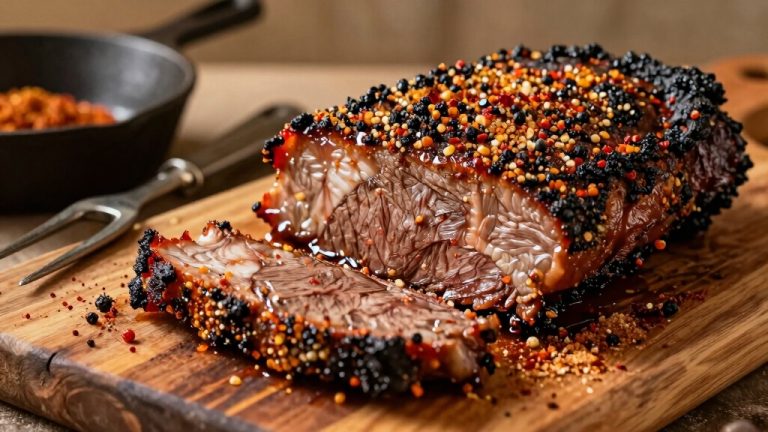
Look for beef with a fresh, vibrant red color that signals quality and freshness. You want moderate marbling—those thin streaks of white fat woven through the meat.
These streaks melt during cooking, enhancing juiciness and flavor without overwhelming the texture. Avoid steaks that appear dull or have large patches of fat or connective tissue, as these can lead to uneven cooking or toughness.
Choosing a steak cut from the shoulder, often called the “shoulder tender,” guarantees you’re picking a flavorful, affordable option with a tender bite when cooked properly.
Because the Teres Major muscle is minimally used, it has fine, delicate fibers that contribute significantly to the steak’s tenderness.
Trim and Prep Your Steak for Cooking
Once you’ve selected the perfect shoulder tender steak, it’s time to prepare it for cooking by trimming away any excess fat.
Use a sharp knife to carefully remove thick fat edges that could cause flare-ups or uneven cooking.
Next, pat the steak dry with paper towels; this removes surface moisture, ensuring your seasonings stick and the steak sears beautifully.
Avoid rinsing the meat, as that adds unwanted moisture.
Once dry, inspect for any silver skin or connective tissue that might toughen during cooking and trim those away.
Taking these steps guarantees a cleaner, more flavorful final dish.
Proper prep sets the stage for even heat distribution and a tender bite, making your shoulder tender steak truly shine when it hits the pan or grill.
For best results, consider using a temperature probe placement technique to monitor internal doneness accurately.
Marinate and Season for Maximum Flavor
To really amp up the flavor, you’ll want to start by marinating your shoulder tender steak. Use some acidic ingredients and seasonings, and let it soak for at least a couple of hours. This not only helps tenderize the meat but also infuses it with great flavor.
Once that’s done, it’s time to get generous with your seasoning. Grab a bold blend of salt, pepper, and some fresh herbs. Rubbing this mixture onto the steak will create a savory crust that locks in all that moisture. Trust me, this careful layering of flavors is what sets the stage for a perfectly seasoned, juicy steak every single time! For best results, consider applying salt first to draw moisture and enhance deeper seasoning through dry brining.
Marinating Tips
Although marinating requires some patience, it’s the key to releasing deep, complex flavors that penetrate your shoulder tender steak.
To get the most out of your marinade, start with these essentials:
1. Choose the right acidity
Ingredients like vinegar, citrus juice, or drink break down muscle fibers gently, enhancing tenderness without overpowering.
2. Timing matters
Marinate for 2 to 4 hours, or even overnight, to allow flavors to fully infuse without turning the meat mushy.
3. Even coverage
Use a resealable bag or shallow dish, turning the steak occasionally to soak every inch in the marinade.
Additionally, balancing the salt content in your marinade is crucial to avoid over-salting that can lead to toughness or uneven seasoning.
Seasoning Essentials
While marinating sets the foundation for flavor, seasoning your shoulder tender steak is what truly brings it to life. Start by patting the steak dry to make sure your seasoning sticks perfectly.
Rub in two tablespoons of olive oil to lock in moisture. Then, generously apply salt and freshly ground black pepper to both sides. You want a bold crust that seals in those juices.
Press fresh rosemary, thyme, and garlic onto the surface for an herbal punch that complements the beef’s richness. Don’t be shy; over-season to create that irresistible savory crust.
This careful balance of oil, salt, pepper, and herbs transforms your marinated steak into a flavor-packed masterpiece ready for searing or roasting. For optimal flavor and juiciness, consider proper cooking techniques such as searing over high heat and resting the meat after cooking.
Sear and Grill Your Steak Like a Pro
To sear your shoulder tender steak like a pro, you’ll want to kick things off with a hot, medium-high grill. This is key for developing that rich, caramelized crust we all love. Just a few minutes per side should do the trick!
Once you’ve got that beautiful sear, switch things up to indirect heat. Aim for around 350 to 400 degrees to finish cooking without burning the outside. This helps ensure you get even doneness throughout the steak. Trust me, mastering these settings is the secret to locking in flavor and juiciness every single time you grill!
For best results, always let your steak rest tented for 10–15 minutes after cooking to redistribute juices and enhance tenderness.
Optimal Searing Techniques
Mastering the art of searing transforms your shoulder tender steak into a masterpiece with a deeply caramelized crust and juicy interior.
To achieve this, start with a hot pan or grill over medium-high heat to lock in flavor quickly.
Dry your steak thoroughly and season boldly to enhance crust development. Here’s how to nail the sear:
- Sear the steak for 3 to 4 minutes per side without moving it. This creates the perfect Maillard reaction.
- Use a heavy pan or cast iron to maintain consistent heat, ensuring even browning.
- After searing, reduce heat or finish in the oven to cook through without burning the crust.
For added moisture and flavor, consider resting your steak after cooking to allow juices to redistribute, resulting in a juicier bite and enhanced meat tenderness.
Perfect Grill Settings
Ignite your grill to medium-high heat and prepare for a perfect balance between searing and slow cooking that locks in flavor and tenderness.
Start by placing your shoulder tender steak directly over the hottest part of the grill for 3 to 4 minutes per side, forming that irresistible caramelized crust.
Then, move the steak to indirect heat using only half the burners to gently finish cooking at 350 to 400 degrees.
This method lets the steak cook evenly, preserving juiciness while developing deep, smoky notes.
Use a meat thermometer to track progress, aiming for 125 to 135 degrees internal temperature depending on your preferred doneness.
For best results, monitor internal temperature closely and avoid overcooking to maintain juiciness and tenderness.
Use a Meat Thermometer to Nail Doneness
Grab a reliable meat thermometer to make certain your shoulder tender steak reaches the perfect level of doneness every time. This simple tool takes the guesswork out of cooking and guarantees consistent results with every cut.
Insert the thermometer into the thickest part of the steak, avoiding bone or fat, to get an accurate reading. Keep these target temperatures in mind to nail it precisely:
- Pull at 125°F for a juicy medium-rare finish, letting carryover heat do the rest.
- Aim for 130-135°F if you prefer medium, balancing tenderness and firmness.
- Remove at 145°F for medium-well to lock in juices without drying out.
Using a meat thermometer guarantees steak cooked exactly how you want it. No surprises, just perfect tenderness. Always remember that temperature as a reference is important, and probe-tender feel can help determine the ideal doneness beyond just the numbers.
Rest and Finish With Herb Butter
Once your steak reaches the ideal internal temperature, don’t rush to slice it just yet. Resting is essential. It lets juices redistribute, ensuring every bite stays tender and juicy.
Allow your steak to rest after cooking, letting juices settle for tender, juicy bites every time.
Loosely cover your steak with foil and let it sit for 5 to 10 minutes. Meanwhile, prepare herb butter at room temperature, blending garlic, rosemary, and a vibrant green herb like parsley.
As the steak rests, spoon this melting butter over the top, letting the warm, fragrant mixture seep into the meat. Repeat for about a minute to coat evenly, infusing layers of flavor.
This finishing touch not only enhances richness but adds a beautiful glossy sheen. The result? A perfectly rested steak bursting with herbaceous depth, ready to wow at the table.
To maximize tenderness and juiciness, ensure the steak rests at a warm temperature to allow juice redistribution and muscle fiber relaxation.
Slice and Serve Shoulder Tender Steak
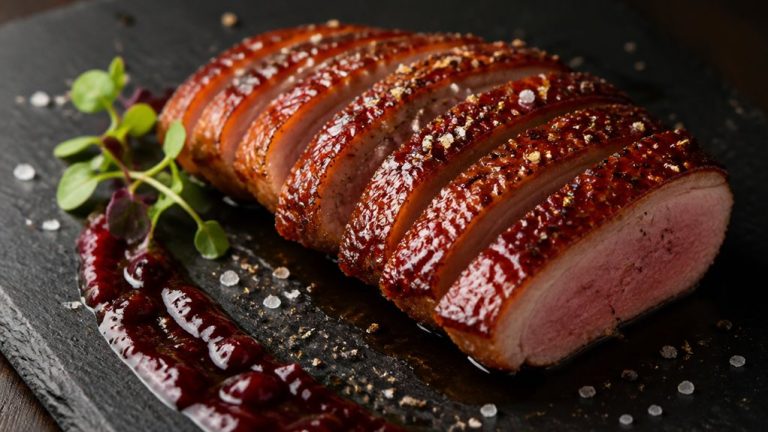
Carefully slice your shoulder tender steak into 1/3 to 1/4 inch thick medallions to showcase its juiciness and tender texture.
Cutting the meat at this thickness guarantees each bite is flavorful and easy to enjoy, maintaining the perfect balance between tenderness and bite.
As you slice, make sure your knife is sharp and cut against the grain to maximize tenderness.
To serve your steak perfectly, remember these key steps:
- Arrange the medallions on a warm plate to keep the meat inviting.
- Drizzle the collected pan juices or melted herb butter over the slices for extra moisture and richness.
- Garnish with fresh herbs to add color and aromatic appeal.
This way, you’ll present a steak that’s as visually appealing as it’s delicious.
Pair With the Best Side Dishes
Although the shoulder tender steak stands out on its own, pairing it with the right side dishes elevates the entire meal to something truly memorable.
You’ll want to balance the steak’s rich, herb-infused flavor with sides that complement without overpowering.
Creamy mashed potatoes or roasted baby potatoes add a comforting, buttery contrast.
For freshness, a crisp green salad with a tangy vinaigrette cuts through the richness nicely.
Grilled asparagus or sautéed green beans provide a vibrant, earthy note that enhances the steak’s savory profile.
Don’t forget a warm, crusty bread to soak up those luscious pan juices.
Frequently Asked Questions
Can Shoulder Tender Steak Be Cooked Sous Vide?
Yes, you can absolutely cook shoulder tender steak sous vide. You’ll get incredibly tender, evenly cooked meat by sealing it in a vacuum bag with seasonings and cooking it at a precise temperature, typically around 130°F for medium-rare, over 1 to 3 hours.
Afterward, just sear it quickly on high heat to develop a rich crust. This method locks in juices and flavors, giving you a perfectly tender and juicy steak every time.
How Long Can Marinated Steak Be Stored Safely?
Think of marinated steak as a ticking flavor clock. You’ve got about 2 days in the fridge before it starts losing its delicious edge and safety.
If you want to keep that mouthwatering magic longer, freeze it for up to 3 months. Just remember to store it in an airtight container or sealed bag to lock in freshness and prevent any unwanted freezer burn.
Always thaw it safely in the fridge before cooking.
What Are the Best Alternatives to Olive Oil for Rubbing?
You can use avocado oil, grapeseed oil, or coconut oil as excellent alternatives to olive oil for rubbing your steak.
These oils have high smoke points, making them perfect for searing. If you want a nutty flavor, try walnut or sesame oil, but use them sparingly.
For a buttery richness, melted ghee works wonders. Each option locks in moisture and enhances the crust while complementing your steak’s natural flavors beautifully.
Can Shoulder Tender Steak Be Frozen Before Cooking?
Yes, you can freeze shoulder tender steak before cooking. Just wrap it tightly in plastic wrap and place it in a freezer bag to prevent freezer burn.
When you’re ready, thaw it slowly in the fridge for 24 hours to maintain its texture and flavor. Avoid thawing at room temperature, as this can encourage bacteria growth.
Proper freezing and thawing guarantee your steak stays juicy and tender when cooked.
Is Shoulder Tender Steak Suitable for Slow Cooking Methods?
Yes, you can definitely slow cook shoulder tender steak. Its moderate marbling and connective tissue break down beautifully over low, slow heat, making the meat tender and flavorful.
Just be sure to trim excess fat first and add some broth or drink to keep it moist. Slow cooking lets the flavors meld deeply, perfect for a rich, succulent dish you’ll savor with every bite.
The Secret to Juicy, Flavorful Shoulder Tender Steak
You might think the perfect steak demands rare cuts and fancy techniques, but your shoulder tender steak proves otherwise. By choosing wisely, seasoning boldly, and mastering that sear, you unleash deep, rich flavors in a surprisingly tender bite.
As you rest and slice, the herb butter melting over your steak feels like a happy coincidence. Simple steps create extraordinary taste. Ready to impress? Your kitchen just became a steakhouse.