Polish Sausage vs Smoked Sausage: Which One Tastes Better?
When choosing between Polish sausage and smoked sausage, you’ll notice Polish sausage stands out with its bold garlic and marjoram seasoning and a coarser, juicier texture.
Smoked sausage, on the other hand, focuses on wood smoke flavor and preservation, with a wide range of regional variations in spices and smoking intensity.
The cultural heritage and preparation method shape their unique profiles, offering distinct taste experiences.
Explore further to uncover how these factors influence cooking styles and regional nuances.
Key Takeaways
- Polish sausage is a specific type of kielbasa with traditional garlic and marjoram seasoning, reflecting Polish cultural heritage.
- Smoked sausage is defined by the smoking process, not a fixed recipe or cultural origin.
- Polish sausage often uses a coarser grind and higher fat content for a tender, moist texture.
- Smoked sausages vary globally in smoke intensity, wood type, and seasoning based on regional traditions.
- Smoking preserves sausage and adds flavor, while Polish sausage seasoning emphasizes heritage spices over heavy smoke.
Polish Sausage or Smoked Sausage: Comparison Table
| Feature | Polish Sausage | Smoked Sausage |
|---|---|---|
| Definition | Traditional Polish-style kielbasa | Any sausage preserved and flavored through smoking |
| Origin | Poland | Various regions worldwide |
| Primary Flavor | Garlic, marjoram, and savory spices | Wood smoke with region-specific seasonings |
| Smoke Flavor | Light to moderate | Strong and prominent |
| Seasoning Profile | Garlic, marjoram, black pepper, paprika, cloves | Varies by recipe and region |
| Meat Texture | Coarse and juicy | Firm to moderately firm |
| Fat Content | Higher for tenderness and moisture | Varies by style |
| Color | Pale gray (fresh) or lightly smoked | Reddish-brown to mahogany |
| Preservation Method | Fresh or lightly smoked | Fully smoked for preservation |
| Cooking Methods | Boiling, grilling, pan-frying | Grilling, smoking, pan-frying |
| Cultural Identity | Traditional Polish cuisine | Defined by smoking method rather than origin |
| Flavor Complexity | Rich, savory, herb-forward | Smoky with diverse regional variations |
| Best For | Traditional Polish dishes and hearty meals | BBQ, sandwiches, casseroles, and grilling |
| Versatility | Best in classic European recipes | Suitable for a wide variety of cuisines |
| Main Advantage | Authentic seasoning and juicy texture | Rich smoky flavor and longer shelf life |
| Main Drawback | Less smoky than fully smoked sausages | Flavor varies widely depending on recipe |
Polish Sausage vs Kielbasa: What’s the Difference?
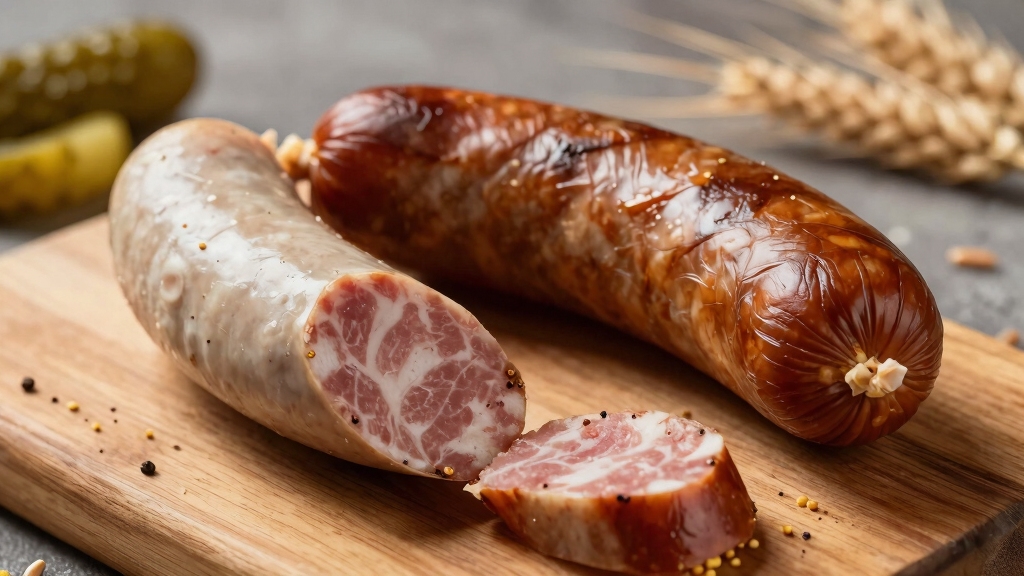
Although you might hear the terms Polish sausage and kielbasa used interchangeably, they don’t mean exactly the same thing.
Kielbasa is the Polish word for any kind of sausage, a broad category that includes various styles and recipes.
Polish sausage, however, refers more specifically to a type of kielbasa with distinct seasoning and cultural heritage.
When you encounter Polish sausage, expect a coarser grind, meat-based meat with bold garlic and marjoram flavors.
This sausage’s identity hinges on its traditional Polish roots and seasoning profile rather than just being smoked or prepared in a certain way.
In contrast, kielbasa encompasses a wider range of sausages, fresh or smoked, making Polish sausage a precise subset within the kielbasa family.
When serving these sausages at gatherings, consider using half trays to simplify portion control and accommodate varied menus.
How Smoked Sausage Differs From Polish Sausage?
When you compare smoked sausage to Polish sausage, you’ll notice that the key distinction lies in their basis of classification: smoked sausage is defined primarily by its preparation method involving exposure to wood smoke, while Polish sausage is identified by its specific cultural heritage and seasoning profile.
Smoked sausage varies globally in ingredients and flavors, unified only by the smoking process. Polish sausage, or kielbasa, carries traditional Polish spices like garlic and marjoram, creating a distinct savory-sweet taste.
Smoked sausage emphasizes wood smoke flavor and preservation technique. Polish sausage highlights cultural spice blends and regional recipes.
Texture and meat composition differ, with Polish sausage often coarser and fattier. Understanding these differences helps you appreciate each sausage’s unique identity. Maintaining a steady smoker temperature near 225°F for consistent cooking is crucial to achieving the ideal smoked sausage flavor and texture.
Cultural Roots of Polish and Smoked Sausages
Because Polish sausage, or kielbasa, springs directly from Poland’s rich culinary traditions, its cultural roots run deep and specific. They are tied to regional recipes and holiday celebrations that have been passed down through generations.
You’ll find kielbasa intimately linked to Polish festivals, where distinct spice blends and preparation methods reflect local identity. Smoked sausage, by contrast, represents a broader technique found worldwide and lacks a singular cultural origin. It embraces diverse regional variations like German bratwurst or Southern andouille.
Smoking, when done at the appropriate temperature range, enhances flavor and texture in sausages as well as other smoked meats.
| Aspect | Polish Sausage (Kielbasa) |
|---|---|
| Origin | Poland, tied to holidays and regions |
| Cultural Role | Celebratory, traditional dishes |
| Recipe Specificity | Fixed spice blends, garlic, marjoram |
| Smoked Sausage Roots | Global, technique-based, varied |
You’ll see how heritage shapes kielbasa’s distinct identity compared to the method-driven smoked sausage.
Key Ingredients That Define Polish Sausage and Kielbasa
Polish sausage, also known as kielbasa, really stands out thanks to its unique blend of ingredients. You’ll often find a coarse mix of meat, sometimes combined with beef or veal. This combination is key—it helps keep the meat juicy and packed with flavor.
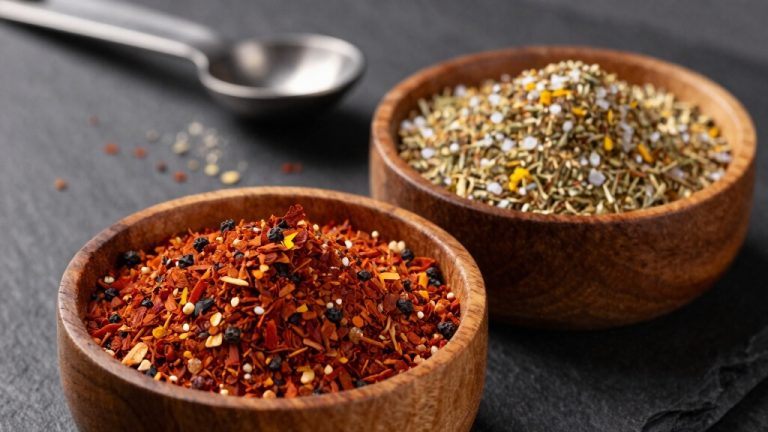
Now, let’s talk about the seasoning because that’s what truly makes kielbasa special. Bold garlic and marjoram take the lead, but the flavor doesn’t stop there. You’ll also find hints of black pepper, cloves, and paprika mixed in. Together, these ingredients create a rich, savory profile that really sets kielbasa apart from other smoked sausages, which might be a bit more simply spiced. So, if you’re in the mood for something with a bit more character, kielbasa is definitely the way to go! Additionally, maintaining proper fat content between 20–25% is essential for achieving the ideal tenderness and juiciness in sausages.
Traditional Meat Compositions
Although many sausages incorporate a variety of meats, Polish sausage and kielbasa traditionally rely on a specific combination that shapes their distinctive texture and flavor.
When you examine their meat compositions, you’ll notice a balanced mix designed to maintain juiciness and robustness. Typically, meat forms the core, sometimes complemented by beef or veal to add complexity.
The fat content remains relatively high, ensuring moistness during cooking. You can expect a coarser grind compared to other smoked sausages, contributing to a hearty bite.
Key traditional meat components include:
- Meat as the primary base for rich flavor and fat
- Occasional beef or veal additions for depth and texture
- Higher fat content to preserve juiciness and mouthfeel
This blend defines their classic, satisfying character. Achieving the right meat-to-fat ratio is crucial to balance flavor, texture, and cooking performance in these sausages.
Signature Seasoning Profiles
When exploring what truly sets Polish sausage and kielbasa apart, their signature seasoning profiles immediately stand out as defining elements.
You’ll notice bold garlic and marjoram form the backbone of their distinct flavor, lending a savory richness with subtle sweetness.
Black pepper, cloves, and paprika complement this blend, creating complexity beyond simple spice mixtures.
Unlike generic smoked sausages, which often emphasize the smoky aspect, kielbasa balances its robust, aromatic spices with a hint of sweetness that’s uniquely Polish.
This nuanced combination not only defines its cultural heritage but also enhances the meat’s natural juiciness and texture.
When you taste kielbasa, you’re experiencing a carefully crafted spice profile that’s deeply rooted in tradition and distinguishes it from broader smoked sausage varieties.
For those interested in smoking techniques, selecting the right smoker type can influence how these spices develop during cooking, especially when using a vertical smoker for consistent temperature control and fuel efficiency.
What Gives Polish Sausage Its Unique Flavor?
Polish sausage has a unique flavor that really stands out, and that’s all thanks to a special blend of seasonings that’s been passed down through generations.
You know, garlic plays a big role here, giving it that bold kick we love. And then there’s marjoram, which adds a nice earthy touch that balances everything out.
When you mix these spices with black pepper and cloves, it creates a flavor profile that’s both savory and just a tad sweet. That’s what makes Polish sausage different from other types. Each bite offers a complex and robust character that keeps you coming back for more! The use of coarse black pepper adds a distinctive sharp bite and texture that enhances the sausage’s flavor and mouthfeel.
Signature Seasoning Blend
Because the signature seasoning blend defines Polish sausage’s distinct identity, understanding its components is essential.
You’ll notice that it combines bold, aromatic spices creating a robust, savory profile with subtle sweetness and complexity. This blend distinguishes Polish sausage from other smoked varieties, which often emphasize smoky notes over intricate seasoning.
Key elements of the blend include:
Garlic and marjoram: The backbone, offering pungency and herbaceous warmth.
Black pepper and cloves: Adding sharpness and a hint of spice complexity.
Paprika: Contributing mild sweetness and a rich, earthy undertone.
This carefully balanced seasoning elevates the sausage’s flavor beyond mere smokiness, reflecting centuries of culinary tradition. It ensures that every bite is deeply flavorful and unmistakably Polish. Additionally, applying a light coating of yellow mustard or olive oil before seasoning can help the rub adhere and enhance smoke absorption, improving the overall flavor profile through better smoke adhesion.
Heritage Spice Traditions
Although many sausages rely mainly on smoking or simple seasoning, Polish sausage stands apart through its heritage spice traditions that shape its unique flavor profile.
You’ll notice this distinctiveness stems from carefully selected spices deeply rooted in Polish culinary history.
Beyond the common use of garlic and marjoram, Polish sausage incorporates black pepper, cloves, and paprika, creating a complex warmth and subtle sweetness.
These spices balance each other, preventing any single note from overwhelming the palate.
Unlike generic smoked sausages that lean heavily on smoky intensity, Polish sausage’s seasoning is deliberate, designed to enhance the meat’s natural richness.
When you savor it, you’re tasting centuries of tradition, where each spice reflects regional preferences and cultural identity.
This elevates Polish sausage well beyond a mere smoked meat product.
Its flavor profile contrasts with blends like Cajun seasoning, which emphasize a bolder, spicier, and saltier balance.
Garlic And Marjoram
Experience the hallmark of Polish sausage through the vibrant pairing of garlic and marjoram, the two spices that define its unmistakable flavor.
When you taste Polish sausage, the bold, pungent garlic immediately stands out, providing a savory depth that balances the meat’s richness.
Marjoram adds a subtle, aromatic sweetness that brightens the overall profile, setting it apart from other sausages.
This unique combination results from centuries of tradition, creating a complex yet harmonious taste you won’t find in typical smoked sausages.
Garlic delivers a robust, savory sharpness essential to Polish sausage.
Marjoram introduces a gentle herbal note, enhancing flavor complexity.
Together, they create a balanced profile with savory depth and fragrant sweetness.
You’ll recognize these spices as the core of Polish sausage’s distinctive character.
For authentic flavor and preservation, traditional Polish sausage recipes often include curing salt to maintain safety and enhance taste.
Why Smoking Is More Important for Smoked Sausage?
When you consider the defining qualities of smoked sausage, the smoking process emerges as the central element that shapes its identity.
Smoking isn’t just a preservation method; it infuses the sausage with complex, rich flavors and aromas you won’t find in fresh or boiled varieties like Polish sausage.
You’ll notice how controlled temperature and humidity during smoking transform the meat, creating a distinct taste profile that defines smoked sausage.
| Aspect | Polish Sausage | Smoked Sausage |
|---|---|---|
| Smoking Method | Optional, often fresh | Essential, uses wood smoke |
| Flavor Impact | Spices dominate | Smoke flavor dominates |
| Preservation | Short-term, refrigeration | Extended shelf life via smoking |
Smoking shapes smoked sausage’s character, making it indispensable to the final product.
Texture and Color Differences Between Polish and Smoked Sausages
Because the smoking process alters both the structure and appearance of the sausage, you’ll immediately notice differences in texture and color between Polish sausage and smoked sausage.
Polish sausage, especially when fresh, tends to have a tender, moist texture with a pale gray hue. In contrast, smoked sausage usually displays a firmer bite and a reddish-brown color from the wood smoke exposure.
These characteristics reflect not only the curing but also the meat grind and fat content. Polish sausage features a coarser grind, contributing to its softer mouthfeel.
Smoked sausage firmness varies, often denser due to prolonged smoking and drying. Color shifts from pale in fresh Polish sausage to rich amber or mahogany in smoked versions.
You’ll find these differences guide your sensory expectations before tasting.
Best Cooking Methods for Polish and Smoked Sausages
Mastering the best cooking methods for Polish and smoked sausages lets you reveal their unique textures and flavors.
For Polish sausage, especially fresh kielbasa, boiling is ideal. It preserves tenderness and releases savory garlic and marjoram notes without drying the meat. You can then finish it on the grill or in a skillet to add a subtle char and caramelization.
Smoked sausages, already firm and infused with wood smoke, thrive under direct grilling or pan-frying. This method crisps their casing and intensifies their smoky richness.
Avoid overcooking either type to retain juiciness. When using smoked sausages, low-and-slow heating works well to prevent toughness. Fresh Polish sausages benefit from a gentle simmer followed by brief high-heat searing.
This nuanced approach makes certain each sausage’s distinct flavor profile shines through.
Regional Smoked Sausage Varieties Compared to Polish Sausage
You know, when you dive into regional smoked sausages, it’s pretty fascinating how their flavor profiles really reflect local spices and ingredient choices. This gives them a unique twist that sets them apart from traditional Polish sausage.
For instance, Polish sausage tends to lean heavily on garlic and marjoram for its flavor. But then you have varieties like German bratwurst or Southern andouille, which mix in all sorts of unique seasonings and meats.
And let’s not forget about the smoking techniques! They really vary from region to region, and that impacts the texture and aroma of the sausages. It’s amazing how these differences can highlight each area’s culinary heritage. So, whether you’re a fan of that classic Polish taste or curious about trying something new, there’s a whole world of flavors out there waiting for you!
Regional Flavor Profiles
When exploring regional smoked sausage varieties alongside Polish sausage, you’ll notice distinct flavor profiles shaped by local ingredients and cultural influences. Polish sausage, or kielbasa, often boasts a bold garlic and marjoram blend, lending a savory yet slightly sweet complexity.
In contrast, regional smoked sausages reflect their origins more variably, with smoky intensity often dominating. For example, Southern andouille offers a spicy, peppery kick, while German bratwurst emphasizes mild herbs and a delicate smokiness. You’ll find these nuances directly tied to each region’s culinary traditions and available spices.
Polish sausage favors robust garlic and marjoram seasoning, creating a uniquely savory sweetness. Southern smoked sausages highlight heat and bold paprika or cayenne pepper notes. German varieties lean toward subtle herbal accents with balanced smoke intensity.
Ingredient Variations by Area
Regional flavor profiles not only shape the taste but also influence the core ingredients used in smoked sausages across different areas.
When you compare regional smoked sausages to Polish sausage, you notice distinct ingredient variations.
Polish sausage, or kielbasa, traditionally uses a high meat content with garlic, marjoram, and cloves, preserving its robust, slightly sweet character.
In contrast, Southern smoked sausages like andouille incorporate a spicier blend with cayenne and paprika, often combining meat with beef or even poultry for a bolder, more piquant flavor.
German bratwurst leans on veal and meat, seasoned with caraway and nutmeg, creating a milder, aromatic profile.
These regional differences in meat ratios and spice blends highlight how local tastes and available ingredients define each smoked sausage variety, setting them apart from the consistent Polish sausage recipe.
Traditional Smoking Techniques
Across different culinary traditions, traditional smoking techniques vary markedly. This shapes the distinct flavors and textures found in smoked sausages compared to Polish sausage.
When you explore regional smoked sausages, you’ll notice their smoking methods often use specific wood types and controlled conditions. This infuses unique smoky nuances.
Polish sausage, or kielbasa, typically undergoes a more subtle smoking process. This preserves its garlicky, marjoram-forward profile without overwhelming smoke.
You’ll find that smoking time, temperature, and humidity are carefully managed to balance flavor and texture.
Regional smoked sausages like German bratwurst use beech or oak wood for a robust smoke. Southern US andouille employs intense, long smoking for a spicy, smoky bite.
Polish kielbasa smoking is lighter, focusing on seasoning preservation rather than heavy smoke.
How to Choose Between Polish Sausage and Smoked Sausage for Your Meal?
Although both Polish sausage and smoked sausage offer rich, savory flavors, choosing between them depends largely on your desired taste profile and cooking method.
If you want a bold garlic and marjoram seasoning with a slightly sweet undertone, Polish sausage stands out. For a smoky, wood-infused flavor, smoked sausage is your go-to.
Consider texture too: Polish sausage tends to be coarser and juicier, while smoked sausage varies from firm to tender depending on origin.
| Factor | Polish Sausage | Smoked Sausage |
|---|---|---|
| Flavor | Robust garlic, marjoram, sweet | Dominant smoky notes |
| Texture | Coarse, juicy | Varies: firm to tender |
| Cooking Methods | Boiling, grilling | Grilling, skillet cooking |
Match your choice to the meal’s flavor intensity and preparation style.
Frequently Asked Questions
How Long Can Smoked Sausage Be Stored Safely?
You can store smoked sausage safely for about 1 to 2 weeks in the refrigerator if it’s unopened.
Once opened, use it within 3 to 7 days to maintain quality and safety.
For longer storage, freeze it for up to 1 to 2 months.
Always keep it wrapped tightly to prevent moisture loss and contamination.
Proper storage preserves flavor, texture, and the delicate smoky aroma that defines smoked sausage.
Are There Vegetarian Versions of Polish or Smoked Sausages?
Yes, you’ll find vegetarian versions of both Polish and smoked sausages becoming increasingly popular, with the plant-based sausage market growing over 20% annually.
These alternatives mimic traditional flavors using soy, pea protein, or seitan, combined with spices like garlic and marjoram to capture that classic taste.
While they lack the meat’s texture, clever seasoning and smoking techniques create satisfying, savory profiles.
This lets you enjoy familiar dishes without animal products.
What Are Common Accompaniments Served With Polish Sausage?
You’ll often find Polish sausage paired with sauerkraut, which balances its rich, garlicky flavors with tangy brightness.
Mustard, especially spicy or whole grain varieties, complements its savory profile perfectly.
Potatoes, whether mashed, boiled, or fried, serve as hearty sides.
Pickled vegetables add acidity and crunch, while rye bread or rolls help soak up juices.
These accompaniments highlight the sausage’s robust seasoning and satisfy diverse taste preferences.
How Does Fat Content Affect Sausage Juiciness and Cooking?
Fat content directly influences sausage juiciness and cooking outcome. When you cook sausages with higher fat, the fat melts and bastes the meat, keeping it moist and tender.
Low-fat sausages risk drying out, becoming tough and crumbly. You’ll notice richer flavor in fattier sausages too, as fat carries spices and aromas.
However, too much fat can cause flare-ups on the grill, so balancing fat is key for perfect texture and taste.
Everything You Need to Know About Polish Sausage and Smoked Sausage
So, you’re still undecided between Polish sausage and smoked sausage? It’s almost like choosing between a warm, comforting hug and a smoky, mysterious wink.
Both boast rich cultural roots, distinct flavors, and textures that tease your palate differently. But hey, why not let your taste buds play referee?
After all, in the world of sausages, picking a favorite is less about logic and more about delicious irony. Dig in and savor the debate!