Can You Freeze High Temp Cheese: Preserve Flavor & Texture
Yes, you can freeze high-temperature cheese safely if you control freezing conditions and packaging.
These cheeses, heat-treated above 50°C, have modified protein structures that tolerate freezing better than soft, fresh varieties.
Use vacuum sealing or tightly wrap with airtight materials to limit ice crystal damage and freezer burn.
Freeze promptly, thaw slowly in the refrigerator, and use within days to retain flavor and minimize texture loss.
To maximize quality and understand best practices, consider deeper examination of preparation and storage techniques.
Key Takeaways
- High-temperature cheeses undergo protein changes that make them firmer but prone to crumbly texture after freezing and thawing.
- Freezing suspends microbial growth but ice crystals disrupt texture, making thawed high-temp cheese less suitable for fresh use.
- Hard and semi-hard cheeses freeze better than soft, high-moisture varieties due to denser protein structures resisting ice damage.
- Vacuum sealing and flash freezing minimize ice crystal formation and preserve texture during frozen storage up to six months.
- Thaw high-temp cheese gradually in the refrigerator and use within 2–3 days, preferably in cooked dishes to mask texture changes.
What Is High-Temperature Cheese And How Is It Different?
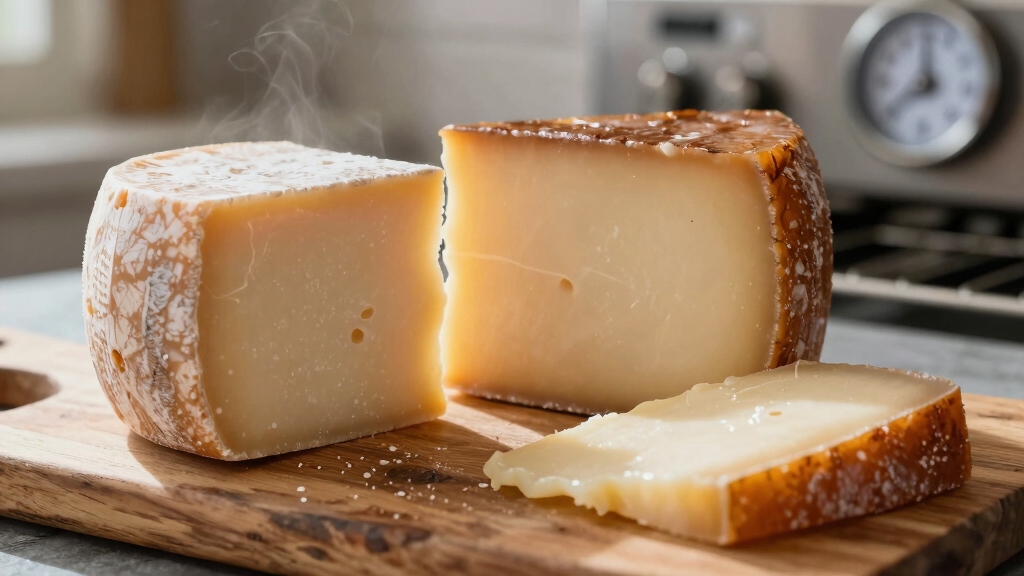
Although the term “high-temperature cheese” isn’t universally standardized, it generally refers to cheeses produced or processed at elevated temperatures to alter texture and flavor profiles.
When you handle high-temperature cheese, you’re dealing with products exposed to heat levels typically above 50°C during manufacturing or cooking stages.
This exposure induces protein denaturation and moisture reduction, affecting structural integrity and meltability.
Unlike traditional cheeses, which mature under controlled, cooler conditions, high-temp cheeses often develop firmer textures and intensified flavors due to Maillard reactions and partial whey protein coagulation.
You’ll notice these cheeses have modified protein matrices, influencing their behavior under thermal stress.
Understanding these distinctions is vital, as it impacts storage, handling, and suitability for freezing.
This sets them apart from low-temp cheeses in both functionality and sensory attributes.
When freezing or cooking with high-temp cheeses, selecting the appropriate wrapping material, such as butcher paper or parchment, can significantly affect moisture retention and texture preservation.
Can You Freeze High-Temperature Cheese Safely?
Sure! Here’s a more conversational version of the text:
You can definitely freeze high-temperature cheese safely, but there are some important steps to keep in mind.
First off, you’ll want to make sure you package it properly. Using vacuum-sealed bags or airtight containers is key.
The goal here is to minimize air exposure, which helps prevent that pesky moisture loss and freezer burn.
By sticking to these guidelines, you can ensure that your cheese stays fresh and maintains its quality for a longer time.
For best results, it’s important to store the cheese at or below 0°F (-18°C) to preserve its texture and flavor during freezing, which is a crucial part of freezing safety.
Freezing Safety Guidelines
When freezing high-temperature cheese, maintaining strict safety guidelines guarantees both quality and food safety.
You should freeze cheese at a consistent temperature below 0°F (-18°C) to inhibit bacterial growth and enzymatic activity.
Avoid temperature fluctuations, as they promote ice crystal formation, damaging the cheese’s protein matrix and texture.
Freeze cheese promptly after purchase or production to minimize microbial risks.
Use smaller portions to facilitate rapid freezing, reducing ice crystal size and preserving structure.
Always thaw frozen cheese in the refrigerator to prevent bacterial proliferation and maintain moisture balance.
Consume thawed cheese within two to three days to avoid spoilage.
Proper packaging and rapid freezing are essential to reduce ice crystal damage and preserve texture and flavor.
Packaging And Storage
In preserving high-temperature cheese through freezing, proper packaging plays a critical role in maintaining quality and safety.
You need airtight, moisture-resistant barriers to minimize ice crystal formation and prevent freezer burn, which degrade texture and flavor.
Vacuum sealing stands as the best method, removing air and extending shelf life up to six months.
If vacuum sealing isn’t available, wrap the cheese tightly in cling film and place it in an airtight container or freezer bag.
Key packaging and storage considerations include:
- Use small portions to guarantee rapid, even freezing and reduce ice crystal growth.
- Avoid temperature fluctuations by maintaining consistent freezer conditions.
- Label packages with freezing dates to track storage time and maximize quality.
Using a chamber vacuum sealer can provide true airtight seals that help prevent moisture loss and preserve cheese quality longer.
These steps will help you freeze high-temp cheese safely while preserving its structural integrity and flavor.
Which High-Temperature Cheeses Freeze Best?
Sorting through high-temperature cheeses to find those that freeze best requires understanding their moisture content and structural resilience.
Hard and semi-hard varieties like cheddar, mozzarella, and Monterey Jack outperform soft cheeses due to their lower moisture and denser protein matrices.
These characteristics better withstand ice crystal formation during freezing.
These cheeses maintain flavor integrity and experience less structural degradation, though slight crumbliness may occur.
Soft, high-moisture cheeses are more susceptible to texture loss and separation upon thawing.
You’ll get optimal results freezing cheeses with firm textures, as their compact networks limit water mobility and ice damage.
Focus on cheeses designed for cooking applications post-freezing, since textural changes impact fresh consumption more.
Prioritize hard and semi-hard cheeses if you want to freeze high-temperature cheeses without compromising functionality and flavor.
Similar to selecting the right fish substitute for cooking, matching cheese type to intended culinary use ensures the best preservation of texture and flavor.
How To Freeze High-Temperature Cheese For Best Results
Choosing the right high-temperature cheese is only part of the process; preserving its quality during freezing demands meticulous preparation. To minimize structural damage and maintain texture, you need to control exposure to air and rapid temperature changes.
Preserving cheese quality during freezing requires careful control of air exposure and temperature changes.
Here’s how you can optimize freezing:
Wrap cheese tightly in cling film, removing as much air as possible. Then place it in an airtight container or vacuum-seal for maximal protection.
Slice cheese into smaller portions and flash freeze on parchment-lined trays to prevent clumping and promote rapid freezing.
Maintain consistent freezer temperatures and avoid freeze-thaw cycles to limit ice crystal formation that disrupts protein matrices.
Use airtight containers and leave adequate headspace to accommodate expansion and prevent freezer damage.
How Long Can High-Temperature Cheese Stay Frozen?
You can freeze high-temperature cheese safely for up to six months. However, if you want to enjoy the best texture and flavor, it’s a good idea to use it within two to three months.
To keep your cheese in top shape, make sure to maintain consistent low temperatures and avoid those pesky freeze-thaw cycles. They can really affect quality!
Oh, and just a heads-up: hard and semi-hard varieties tend to handle freezing better. So, sticking to those timelines is pretty important if you want the best results.
For optimal preservation, ensure the cheese is wrapped tightly in vacuum-sealed packaging to minimize air exposure and prevent freezer burn.
Maximum Freezing Duration
A high-temperature cheese can remain frozen safely for up to six months when stored correctly under vacuum-sealed conditions. Beyond this period, quality deterioration accelerates due to ice crystal growth disrupting the protein matrix.
To maximize longevity, consider these critical factors:
Maintain consistent freezer temperatures below -18°C (0°F) to minimize structural damage. Use vacuum sealing to eliminate air exposure, limiting oxidation and freezer burn. Freeze cheese in smaller portions for faster freezing rates, reducing ice crystal size.
Storing cheese longer than six months increases risks of texture degradation, off-flavors, and moisture loss. While freezing extends the shelf life beyond refrigeration, adhering to these parameters guarantees you preserve cheese integrity. This allows it to retain peak culinary functionality upon thawing.
Optimal Storage Timeline
Although freezing high-temperature cheese can effectively prolong its shelf life, understanding the best storage timeline is essential to maintain quality.
You should aim to keep frozen cheese no longer than 2–3 months for peak flavor and texture. While freezing can extend usability up to 6 months, extended storage increases the risk of ice crystal damage that compromises structural integrity.
Rapid freezing of small portions further preserves quality by minimizing ice crystal growth. Avoid temperature fluctuations to reduce texture degradation. Using airtight containers or vacuum-sealed bags can help lock in moisture and prevent exposure to air during freezing, preserving cheese quality.
| Storage Duration | Quality Impact | Recommended Action |
|---|---|---|
| 0–2 months | Minimal impact | Ideal for best texture |
| 2–3 months | Slight texture loss | Use promptly |
| 3–6 months | Noticeable changes | Acceptable for cooking |
| >6 months | Significant degradation | Discard or repurpose |
Shelf Life Recommendations
When storing high-temperature cheese in the freezer, maintaining quality hinges on adhering to recommended shelf life guidelines. Freezing can extend shelf life markedly, but improper duration risks textural degradation.
You should aim for these limits to balance preservation and quality:
Use frozen cheese within 2–3 months for peak flavor and texture retention. Maximum safe freezer storage is up to 6 months, beyond which quality deteriorates.
Avoid temperature fluctuations during storage to minimize ice crystal formation and protein network disruption. Proper packaging in airtight, freezer-safe containers helps prevent freezer burn and maintain texture and flavor.
What Happens To High-Temperature Cheese Texture After Freezing?
Since water inside high-temperature cheese forms ice crystals during freezing, you’ll notice significant changes in its texture after thawing.
Freezing causes ice crystals in high-temperature cheese, leading to noticeable texture changes once thawed.
These ice crystals disrupt the cheese’s protein matrix, causing structural breakdown. As a result, the cheese often becomes crumbly, grainy, or mealy, losing its original firmness and cohesiveness.
Hard and semi-hard cheeses tolerate this disruption better than soft varieties, which tend to become excessively fragile due to their higher moisture content.
The texture degradation occurs because the ice crystals expand and puncture protein bonds, altering the cheese’s microstructure.
Although the overall flavor remains intact, the altered texture limits its suitability for fresh consumption.
You should anticipate these changes and plan to use frozen high-temperature cheese primarily in cooking applications, where texture shifts have less impact on the final dish’s quality.
Freezing suspends microbial growth and enzymatic reactions, making it a useful method to extend the usability of perishable foods like cheese while preserving quality retention.
How To Thaw Frozen High-Temperature Cheese Properly?
To preserve the moisture and structural integrity of frozen high-temperature cheese, thaw it gradually in the refrigerator over 24 to 48 hours.
This slow thawing minimizes moisture loss and limits protein network disruption caused by rapid temperature shifts.
Avoid thawing at room temperature if you want to maintain optimal texture.
Keep these key points in mind during thawing:
Maintain consistent refrigerator temperature (34–38°F) to reduce ice crystal melting stress.
Keep cheese sealed or wrapped to prevent condensation absorption and microbial contamination.
Use thawed cheese within two to three days to avoid quality degradation.
Following these steps guarantees the cheese retains its flavor and structural qualities, preparing it effectively for subsequent cooking or processing without accelerated spoilage or texture breakdown.
Cooking Tips For Using Frozen High-Temperature Cheese
Make the most of frozen high-temperature cheese by focusing on cooking methods that accommodate its altered texture.
Since freezing disrupts the protein matrix, expect increased crumbliness and graininess.
Use the cheese primarily in cooked dishes like casseroles, sauces, or baked recipes where melting masks texture changes.
Shredded frozen cheese integrates better due to uniform melting and easier dispersion.
Avoid recipes requiring fresh, smooth cheese consistency.
When incorporating, ensure the cheese is fully thawed to promote even heat distribution and prevent uneven melting.
Combine frozen cheese with complementary ingredients that add moisture or fat to counterbalance dryness.
Monitor cooking temperatures to avoid overcooking, which exacerbates textural degradation.
Common Mistakes When Freezing High-Temperature Cheese?
Freezing high-temperature cheese comes with specific pitfalls that can compromise texture and flavor if you overlook essential handling steps. You might unintentionally damage the cheese by:
Freezing cheese too slowly, which promotes large ice crystal formation and disrupts protein structures. Exposing cheese to air during freezing, causing dehydration and freezer burn that degrade texture. Repeated freeze-thaw cycles that accelerate moisture loss and increase crumbliness.
Avoid these errors by maintaining rapid freezing at consistent low temperatures and minimizing air exposure. Understanding these technical factors is vital because improper freezing alters cheese’s molecular matrix, leading to graininess and diminished creaminess. If you neglect these details, you risk ending up with frozen cheese that’s less suitable for direct consumption or cooking. This undermines your efforts to extend shelf life effectively.
Best Packaging For Freezing High-Temperature Cheese
When it comes to freezing high-temperature cheese, you really want to focus on airtight packaging. This helps keep out air and moisture, which can mess with the cheese’s quality.
The best way to do this? Vacuum sealing! It’s super effective because it significantly cuts down on ice crystal formation, helping to maintain that perfect texture.
But hey, if you don’t have a vacuum sealer handy, no worries! You can still keep your cheese in great shape. Just wrap it tightly in cling film and then pop it into an airtight container. That’ll do the trick just fine!
Vacuum Sealing Benefits
When you vacuum seal high-temperature cheese, you lock out air and moisture that accelerate spoilage and freezer burn.
This method creates an ideal environment to maintain cheese integrity during freezing by minimizing oxidative and dehydration effects.
Vacuum sealing markedly slows enzymatic and microbial activity, preserving texture and flavor longer than conventional packaging.
Key benefits include:
- Reduced ice crystal formation: Prevents protein network disruption, preserving cheese structure.
- Extended freezer shelf life: Maintains quality for up to six months by limiting exposure to air.
- Improved freeze-thaw stability: Minimizes moisture loss and texture degradation upon thawing.
Airtight Wrapping Methods
Ensuring airtight wrapping plays a critical role in preserving high-temperature cheese quality during freezing by preventing moisture loss and limiting exposure to air.
You should start by tightly wrapping the cheese in cling film, ensuring minimal air remains. Next, place the wrapped cheese into an airtight container or heavy-duty freezer bag, removing excess air to reduce oxidation risks.
For best results, consider flash freezing slices on parchment paper before packaging to prevent clumping and allow rapid temperature reduction, limiting ice crystal formation.
Avoid loose wraps or porous materials, as they enable freezer burn and accelerate textural degradation. While vacuum sealing is superior, properly executed airtight wrapping with multi-layer barriers effectively maintains cheese integrity.
This method extends freezer shelf life and preserves flavor and texture for up to six months.
Frequently Asked Questions
Can Freezing High-Temperature Cheese Affect Its Nutritional Value?
Freezing high-temperature cheese minimally affects its nutritional value, so you won’t lose significant nutrients.
While ice crystal formation can alter texture and protein structure, key components like fats, proteins, vitamins, and minerals remain stable.
However, slight moisture loss during thawing may concentrate nutrients marginally.
To maintain peak nutritional integrity, use proper vacuum sealing and avoid freeze-thaw cycles, which could otherwise accelerate degradation and reduce overall quality.
Does Freezing Alter the Flavor Profile of High-Temperature Cheese?
Freezing high-temp cheese is like pressing pause on a symphony. Its flavor profile remains mostly intact but with subtle shifts.
You’ll notice a slight dulling of sharpness and complexity due to ice crystals disrupting fat and protein matrices. While the core taste endures, delicate notes may fade, making it less vibrant.
Proper vacuum sealing and rapid freezing help you preserve flavor, minimizing these alterations and ensuring your cheese sings true when thawed.
Is It Safe to Refreeze Thawed High-Temperature Cheese?
You shouldn’t refreeze thawed high-temperature cheese because it increases ice crystal formation. This further disrupts the protein matrix and degrades texture.
Each freeze-thaw cycle accelerates moisture loss, causing crumbliness and graininess. For safety and quality, thaw only what you’ll use promptly, ideally within two to three days.
Repeated freezing also risks bacterial growth due to variable temperatures. So avoid refreezing to maintain structural integrity and minimize microbial hazards.
Can Frozen High-Temperature Cheese Be Grated or Sliced Easily?
You can grate frozen high-temperature cheese, but slicing it may prove difficult. Freezing alters the cheese’s protein structure, making it more crumbly and less cohesive.
Shredding works best when the cheese is still partially firm but thawed slightly to avoid excessive crumbling. Slicing requires fully thawed cheese to reduce breakage and uneven cuts.
For best results, freeze cheese in small blocks and thaw gradually to maintain better texture and workability.
What Are the Best Freezer Storage Temperatures for High-Temperature Cheese?
You should store high-temperature cheese at a consistent freezer temperature of -18°C (0°F) or below to maintain quality and minimize ice crystal formation.
Rapid freezing at these temperatures reduces structural damage and preserves texture.
Avoid temperature fluctuations, as cycling causes recrystallization and accelerates protein network disruption.
For best results, use vacuum-sealed packaging and keep the freezer stable to protect the cheese’s integrity during extended storage periods.
From Freezer to Flavor: Mastering High-Temp Cheese Storage
Freezing high-temperature cheese isn’t just possible; it’s a practical way to extend its lifespan without sacrificing quality.
By choosing varieties like halloumi or paneer and wrapping them airtight, you lock in freshness as tightly as a vault secures treasures.
Just remember to thaw slowly and use them soon after. With careful handling, frozen high-temp cheese can perform nearly as well as fresh, making it a valuable tool in your culinary arsenal.