Can You Freeze Beef Sticks: Keep Them Fresh Longer
Yes, you can freeze beef sticks effectively by lowering the temperature below bacterial activity thresholds, which preserves safety and nutritional value.
Use airtight, freezer-safe packaging like vacuum-sealed bags or resealable freezer bags to minimize oxidation, moisture loss, and freezer burn.
Vacuum sealing extends storage up to two years but may alter texture. Freezer bags maintain better original texture for shorter durations.
Proper thawing is critical to preserving taste and quality. Understanding these details further optimizes your beef stick storage strategy.
Key Takeaways
- Yes, beef sticks can be frozen to extend shelf life and preserve safety by halting microbial growth and enzymatic activity.
- Freezing may cause minor texture changes due to ice crystal formation and moisture loss upon thawing.
- Use airtight, freezer-safe packaging or vacuum sealing to prevent freezer burn and reduce flavor and texture changes.
- Vacuum sealing extends storage up to two years, while standard freezer bags maintain quality for about six months.
- Thaw beef sticks slowly in the refrigerator to preserve texture, flavor, and safety, consuming within 3–4 days after thawing.
Can You Freeze Beef Sticks? How Freezing Works?

Although freezing may alter certain qualities of beef sticks, you can effectively freeze them to extend their shelf life.
Freezing halts microbial growth and oxidation by lowering the temperature below the threshold where enzymatic and bacterial activity occur.
Freezing stops microbial growth and oxidation by reducing temperature below levels that support enzymatic and bacterial activity.
This process preserves the nutritional value and safety of beef sticks, allowing you to store bulk purchases for future use.
When beef sticks freeze, water inside forms ice crystals, which can slightly affect texture but doesn’t compromise edibility.
The key is to freeze them promptly in airtight conditions to minimize exposure to air and moisture.
By controlling these variables, you prevent spoilage and maintain quality during storage.
Consequently, freezing serves as a reliable preservation method that balances shelf life extension with manageable changes in sensory properties.
Vacuum sealing beef sticks before freezing is recommended to prevent freezer burn and preserve texture and flavor.
Best Containers for Freezing Beef Sticks
Choose freezer-safe, airtight containers to effectively preserve beef sticks during freezing. These containers minimize air exposure, preventing oxidation and freezer burn that degrade quality.
Resealable plastic freezer bags remain the most reliable option due to their flexibility and efficient air removal. Alternatives like thoroughly cleaned tupperware or mason jars provide airtight environments but may trap residual air if not sealed properly.
Avoid containers that aren’t specifically rated for freezer use, as they risk cracking or allowing moisture ingress. While vacuum-sealed bags extend storage life, they can compress the meat, altering texture.
Prioritize containers that allow you to expel as much air as possible to maintain nutritional value and flavor. Proper container selection directly influences shelf life and sensory attributes during frozen storage. Using a chamber vacuum sealer can provide true airtight seals and prevent moisture loss for optimal preservation.
Vacuum Sealing vs. Freezer Bags: Which Is Better?
Comparing vacuum sealing and freezer bags for storing beef sticks requires analyzing their impact on preservation, texture, and shelf life.
Vacuum sealing removes almost all air, minimizing oxidation and extending storage up to two years. However, the compression can alter texture by squeezing fats and flavors, potentially diminishing snacking quality.
Vacuum sealing cuts air exposure, greatly extending shelf life but may change texture and flavor.
In contrast, freezer bags provide airtight protection but retain slight air pockets, which can lead to minor freezer burn over extended periods. They preserve color, texture, and flavor effectively for shorter durations, typically up to six months.
You’ll benefit from vacuum sealing if long-term storage is your priority and texture changes are acceptable. If maintaining original texture and flavor is critical, freezer bags offer a balanced solution with reliable protection and minimal impact on beef stick quality.
Using a vacuum sealer with pulse functions can help control the vacuum strength to better preserve delicate textures like those in beef sticks.
How Long Can You Keep Beef Sticks Frozen?
When you freeze beef sticks properly in airtight, freezer-safe containers or vacuum-sealed bags, you can preserve their quality for varying lengths depending on the method used.
Using standard freezer bags, beef sticks maintain peak quality for up to six months, as these prevent microbial growth and oxidation adequately.
Vacuum-sealed bags extend this duration markedly, allowing storage for up to two years by removing excess air and minimizing freezer burn.
However, vacuum sealing may compress the product, potentially affecting texture.
Regardless of the method, maintaining a consistent freezer temperature below 0°F (-18°C) is critical to halting deterioration.
Beyond these timeframes, while safety is generally not compromised, you may notice subtle declines in flavor and texture due to prolonged freezing.
Therefore, adhering to recommended periods guarantees maximum quality retention.
Proper sealing and timely freezing are essential for preserving moisture and flavor during storage.
How to Thaw Beef Sticks Safely and Maintain Flavor?
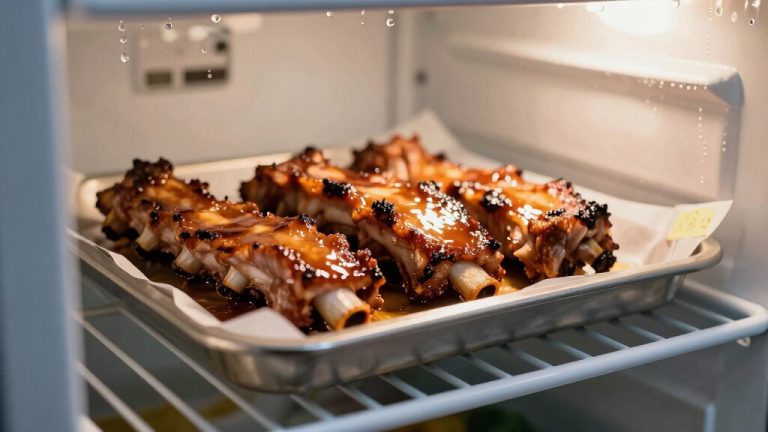
To safely thaw beef sticks, it’s best to do it slowly in the refrigerator. This method helps avoid condensation, which can mess with the texture and flavor of the meat.
Try to steer clear of thawing at room temperature. Doing so can lead to moisture buildup, and that can create an environment for harmful bacteria to grow.
For best results, store thawed sticks at or below 40°F to preserve texture and flavor and prevent spoilage.
Refrigerator Thawing Benefits
Although thawing beef sticks might seem straightforward, using the refrigerator method guarantees safety and preserves flavor by preventing condensation and unwanted moisture buildup.
This slow, controlled thawing limits microbial growth and maintains texture integrity, avoiding the sogginess caused by rapid temperature changes. You’ll notice beef sticks retain their original taste and firmness when thawed this way.
Freezing and thawing at consistent temperatures below 40°F is critical to inhibiting bacterial growth and preserving food safety.
| Benefit | Explanation |
|---|---|
| Safety | Keeps beef sticks under 40°F, inhibiting bacteria growth |
| Flavor Preservation | Prevents moisture accumulation, maintaining original taste |
| Texture Maintenance | Avoids mushiness by thawing evenly and gradually |
| Convenience | Allows planning ahead with predictable thawing time |
| Extended Freshness | Supports consuming thawed sticks within days without quality loss |
Use refrigerator thawing to ensure peak quality and safety in beef sticks.
Avoid Room Temperature
Following refrigerator thawing guidelines, it’s important to understand why avoiding room temperature thawing preserves the safety and flavor of beef sticks.
Thawing at room temperature promotes condensation on the surface, creating a moist environment conducive to microbial growth and oxidation.
This accelerates spoilage and compromises texture and flavor integrity.
Additionally, fluctuating temperatures during ambient thawing can cause partial warming, leading to uneven thawing and potential bacterial proliferation in warmer zones.
By contrast, refrigerator thawing maintains a constant, low temperature that minimizes moisture accumulation and microbial risks, preserving the beef sticks’ original texture and taste.
To guarantee optimal safety and flavor retention, avoid leaving frozen beef sticks on countertops or in warm environments.
Instead, plan thawing in advance, using controlled refrigeration for a slow, uniform process that safeguards quality.
Always ensure that thawed beef sticks are consumed within 3–4 days in the refrigerator to minimize the risk of foodborne illness.
How Freezing Affects Beef Stick Texture and Taste?
Freezing impacts beef stick texture and taste by altering moisture distribution and fat consistency within the meat matrix. When you freeze beef sticks, ice crystals form, disrupting cell structure and causing slight moisture loss upon thawing.
This can lead to a firmer, sometimes drier texture. Fat components may solidify unevenly, affecting flavor release and mouthfeel. However, proper packaging minimizes these changes.
Consider these effects:
- Ice crystal formation causes minor structural damage.
- Moisture migration may result in textural firmness.
- Fat solidification alters flavor perception.
- Airtight sealing reduces oxidation and flavor loss.
Vacuum sealing before freezing extends quality by preventing freezer burn and preserving texture during long-term storage, according to refrigerator and freezer guidelines.
Frequently Asked Questions
Can Freezing Beef Sticks Kill Bacteria Already Present?
Freezing beef sticks doesn’t kill bacteria already present; it only halts their growth by lowering temperatures below microbial activity thresholds.
You can rely on freezing to preserve safety temporarily, but bacteria remain viable and can reactivate once thawed.
To guarantee safety, you need to cook or handle beef sticks properly before freezing.
Freezing acts as a preservation method, not a sterilization process, so it won’t eliminate existing pathogens.
Is It Safe to Refreeze Thawed Beef Sticks?
You shouldn’t refreeze thawed beef sticks if they’ve been left out at room temperature, as bacteria multiply rapidly above 40°F.
However, if you thaw them in the refrigerator and keep them below 40°F, refreezing is generally safe but may degrade texture and flavor.
Studies show refrigeration-thawed meats retain safety but lose quality after refreezing.
Always prioritize proper thawing to minimize microbial risks and maintain product integrity.
Do Homemade Beef Sticks Freeze as Well as Store-Bought Ones?
Yes, homemade beef sticks freeze comparably to store-bought ones if you follow proper procedures.
You should package them in airtight, freezer-safe containers or vacuum-seal to prevent oxidation and freezer burn.
Homemade sticks might vary slightly in moisture and fat content, which can affect texture post-thawing.
But with correct sealing and slow thawing in the fridge, you’ll maintain safety, flavor, and texture quality effectively for several months.
Can Freezing Affect the Nutritional Content of Beef Sticks?
Just like a Renaissance scholar might analyze ancient texts, you should know freezing beef sticks doesn’t materially degrade their nutritional content.
The freezing process halts microbial activity and oxidation, preserving vitamins, proteins, and fats effectively.
While minor nutrient loss can occur during thawing, it’s minimal.
Are There Any Health Risks From Freezer-Burned Beef Sticks?
You won’t face direct health risks from freezer-burned beef sticks since freezer burn is a quality issue, not a food safety hazard.
However, the affected areas undergo dehydration and oxidation, which degrade texture, flavor, and nutritional value.
Consuming freezer-burned beef sticks is safe but unpleasant.
To avoid this, remove air thoroughly and store in airtight containers to maintain quality and reduce oxidation.
This will ensure your beef sticks remain enjoyable and nutritionally intact.
Simple Freezing Tips to Protect Beef Stick Flavor
Freezing beef sticks isn’t just possible; it’s practical, preserving their flavor and safety when done right.
By choosing vacuum sealing over simple freezer bags, you reduce freezer burn and maintain texture. This extends shelf life up to six months.
Remember to thaw slowly in the fridge to keep taste intact. So, why leave quality to chance when a few smart steps can lock in freshness? Freezing beef sticks transforms convenience into culinary confidence.