What Is Mesquite Flavor: Wild Smoke Becomes Culinary Control
You’ll find mesquite flavor intense and earthy, with a complex smoky profile marked by spicy, clove-like, and cumin herbal notes.
This bold taste stems from mesquite’s high lignin content, which rapidly breaks down during combustion, releasing savory aromatics like guaiacol and syringol.
Mesquite burns hotter and faster than many woods, producing thick, dark bark and a distinct smoke ring. Its strong flavor pairs well with robust meats, but precise use is key to avoid bitterness.
Exploring its characteristics reveals why it’s prized in Southwestern smoking.
Key Takeaways
- Mesquite flavor is intense, earthy, and savory with pungent, smoky, and slightly sweet undertones.
- It features complex notes of spiciness, clove-like nuances, and a subtle cumin-like herbal kick.
- The flavor is robust and assertive, stronger and more distinct than other smoking woods like hickory.
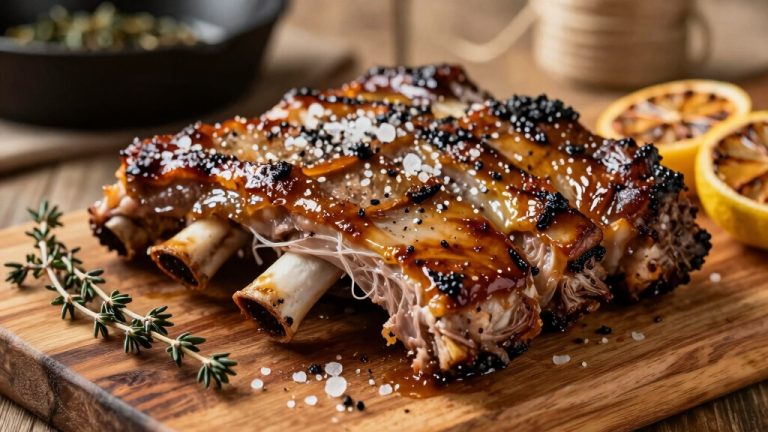
- Mesquite smoke imparts a thick, dark bark and rapid flavor development on grilled or smoked foods.
- Overuse can cause bitterness due to high lignin content, so careful temperature and quantity control is essential.
What Is Mesquite Flavor And Why Is It Unique?

Although mesquite flavor is often associated with traditional Southwestern barbecue, its uniqueness lies in its intense, earthy, and savory smoke profile characterized by pungent notes and a complex blend of sweetness, spiciness, and a cumin-like herbal kick.
When you use mesquite, you experience a flavor stronger than hickory, due to its high lignin content of 64%, which generates smoky aromatics like guaiacol and syringol.
This chemical composition contributes to the bold, distinctive profile that sets mesquite apart. You’ll notice mesquite’s slightly sweeter and more delicate nuances in certain pairings, but overall, it delivers a robust, assertive taste.
Its intensity makes it ideal for complementing rich meats, offering a powerful, identifiable flavor that stands out in the smoking wood spectrum.
Mesquite’s tendency to burn hotter and faster requires careful temperature control to avoid overpowering bitterness and to optimize flavor development.
How Mesquite Wood Creates Bold Smoke?
Mesquite wood generates bold smoke by burning hot and fast due to its exceptionally high lignin content of 64%. This is markedly greater than that of other common smoking woods like hickory.
This elevated lignin level facilitates rapid thermal decomposition, producing abundant smoky aromatics such as guaiacol and syringol that contribute to mesquite’s intense, earthy flavor.
As you burn mesquite, the combustion releases higher concentrations of polycyclic aromatic hydrocarbons (PAHs), intensifying smoke density and flavor complexity.
The fast-burning nature results in thick, dark bark formation on meats and a pronounced smoke ring via nitric oxide and carbon monoxide reactions.
This combination of chemical and physical smoke characteristics creates mesquite’s distinctive boldness, making it uniquely suited for robust barbecue applications where intense smoke flavor is desired.
Compared to mesquite, oak wood provides a more balanced and milder smoke flavor with a slow burn rate ideal for longer smoking sessions.
Why Mesquite Burns Hotter And Faster?

Because of its exceptionally high lignin content, measuring around 64%, this wood ignites rapidly and burns with intense heat. Lignin, a complex organic polymer, decomposes at high temperatures, producing volatile aromatic compounds like guaiacol and syringol that fuel combustion and generate dense smoke.
This accelerated breakdown causes mesquite to combust faster than woods with lower lignin percentages, such as hickory, which contains about 18%. The rapid combustion increases flame temperature, resulting in hotter and more vigorous burning.
Consequently, mesquite produces abundant smoke quickly, but you must manage airflow carefully to avoid excessive flare-ups.
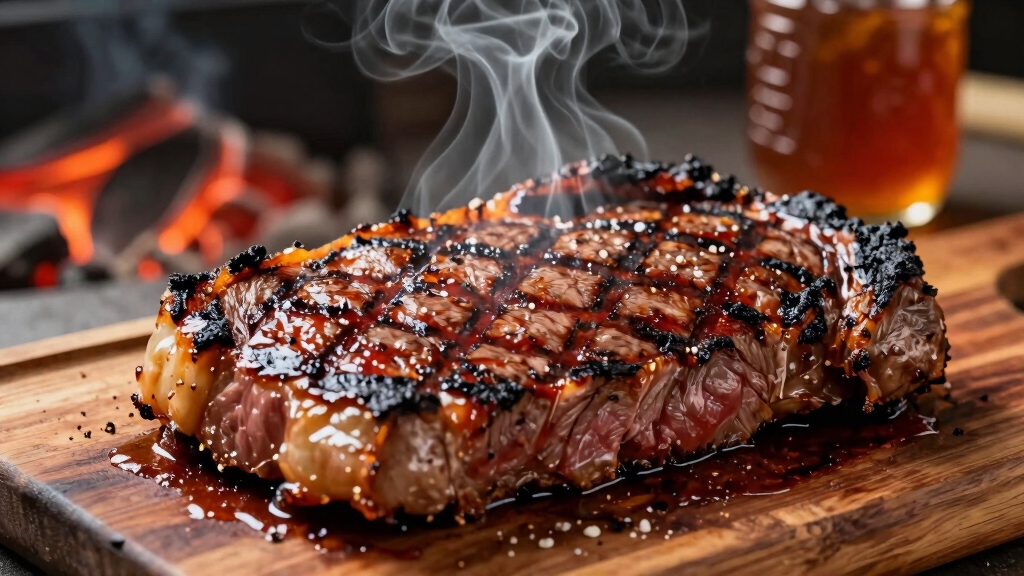
Additionally, the intense heat facilitates the rapid formation of a thick, dark bark on meat, enhancing flavor development. This fast, hot burn characteristic makes mesquite ideal for grilling and quick-smoking applications.
Unlike softwoods such as pine, which produce resinous smoke and toxic compounds, mesquite’s composition ensures cleaner combustion and a more desirable smoke profile, making it a preferred choice for smoking hardwoods.
Key Mesquite Flavor Notes: Earthy, Spicy, And Sweet
The intense heat and rapid combustion of mesquite wood directly influence its distinctive flavor profile. As you work with mesquite, you’ll notice its smoke delivers a bold, earthy base, underpinned by a rich lignin content of 64%.
This lignin breaks down to produce smoky aromatics like guaiacol and syringol, which give mesquite its deep, savory character. Alongside earthiness, mesquite smoke carries spicy, clove-like nuances and a subtle cumin-like herbal kick, adding complexity.
You’ll also detect faint sweet undertones, slightly candy-like, which balance the intensity. This combination of earthy, spicy, and sweet notes makes mesquite’s flavor more powerful and distinct compared to other woods, such as hickory.
Understanding these key flavor components helps you manipulate mesquite’s profile for peak culinary applications without overpowering your dishes. When using mesquite pellets, it’s important to choose food-grade hardwood pellets to ensure safety and consistent flavor.
Best Foods To Pair With Mesquite Smoke

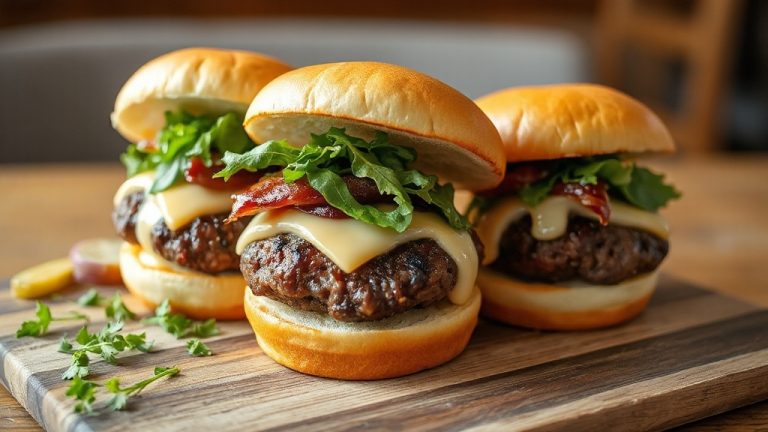
Mesquite smoke really shines when paired with hearty proteins. Think about beef brisket, steak, lamb, and even game meats. The intense, earthy notes of mesquite complement those rich flavors beautifully. It’s like they were meant to go together!
But it’s not just about meat. Mesquite also enhances quick-cooking vegetables and certain nuts. This means you can add a layered complexity to your dishes without overwhelming them.
So, when you’re choosing what to cook, keep in mind that balancing mesquite’s bold smokiness with textures and flavors that can hold their own makes for a winning combination. Cuts like beef plate ribs are especially well-suited to mesquite smoking due to their rich marbling and tenderness.
Ideal Meat Pairings
Release bold flavors by pairing mesquite smoke with robust meats that can stand up to its intense, earthy profile. Beef brisket and steak are prime candidates, as their dense muscle fibers and fat content absorb and balance mesquite’s strong lignin-derived aromatics like guaiacol and syringol.
Lamb and game meats also complement mesquite’s spicy, cumin-like herbal notes without being overwhelmed. Duck and dark poultry work well, given their richer, fattier textures, which harmonize with the smoke’s intensity.
Avoid delicate proteins like mild poultry or light cuts, as mesquite’s high heat and pungent profile can overpower them, causing bitterness. For peak results, use mesquite with meats that benefit from quick, high-temperature cooking to develop a thick, flavorful bark while maintaining internal moisture.
This guarantees a balanced, savory finish characteristic of quality Texas-style barbecue. For best flavor integration, maintain the smoker temperature within the 200–250°F range to optimize smoke absorption and cooking efficiency.
Suitable Vegetables And Nuts
While mesquite smoke pairs best with robust meats, certain vegetables and nuts also benefit from its intense, earthy profile. You should choose vegetables that can withstand mesquite’s high heat and bold flavor without becoming bitter or losing their texture.
Root vegetables and quick-cooking options with natural sugars complement mesquite’s slight sweetness. Nuts absorb the smoke’s pungency well, enhancing their inherent oils and adding a deep, savory dimension.
Consider these for smoking or grilling with mesquite:
- Sweet potatoes: Their natural sugars caramelize, balancing mesquite’s intensity.
- Bell peppers: Quick-cooking and slightly sweet, they hold smoke well.
- Pine nuts: Their oily texture captures mesquite’s earthiness effectively.
- Asparagus: Resilient to fast, hot burns, retaining crispness and smoky notes.
When using mesquite, manage smoke intensity and duration carefully to avoid bitterness and ensure the flavors complement the food.
Using Mesquite Pods And Flour For Seasoning
Incorporating mesquite pods and flour into your seasoning arsenal enhances dishes with a distinctive smoky depth and subtle sweetness.
Mesquite pods, ground into flour, offer intense earthy and savory notes combined with a cumin-like herbal kick, thanks to their high lignin content.
When used as a dry rub or mixed into sauces, mesquite flour imparts smoky aromatics such as guaiacol and syringol, elevating flavor complexity. Its low glycemic index also stabilizes blood sugar, providing a functional benefit.
You can sprinkle mesquite flour directly onto meats or vegetables before cooking, or integrate it into marinades for gradual infusion. Precision in quantity is essential to avoid bitterness, as excessive use overwhelms milder flavors.
For optimal flavor extraction, maintaining a consistent temperature during cooking is key to releasing the full aromatic profile of mesquite flour, similar to the importance of temperature control in smoking garlic.
Mesquite Vs. Hickory And Alder: What’s Different?
When you compare mesquite to hickory and alder, you’ll really notice that mesquite has a flavor that’s way more intense and earthy. It’s got this pungent, spicy kick that really stands out. If you’re looking for something bold, mesquite is definitely the way to go!
Now, let’s talk about how it burns. Mesquite burns hotter and faster because of its high lignin content. This means it produces a ton of smoke and gives off a stronger smoky aroma compared to the milder alder or the sweeter like hickory.
So, if you want that robust smokiness in your food, mesquite is your best bet. Understanding these differences is super helpful when you’re trying to pick the right wood. It can really make or break your cooking experience, especially when it comes to achieving the flavor profile you’re after.
So, whether you’re grilling, smoking, or barbecuing, knowing what each wood brings to the table can help elevate your dishes!
Keep in mind that in cold weather, the heat loss caused by mesquite’s hotter burn requires careful temperature management to maintain consistent smoking results.
Flavor Intensity Comparison
Because mesquite contains a markedly higher lignin content (64% compared to hickory’s 18% and alder’s even lower levels), it delivers a far more intense and earthy smoke profile.
You’ll notice mesquite’s smoke is bolder and more pungent, with deeper savory and spicy undertones. Hickory offers a sweeter aroma, while alder remains mild and delicate.
This intensity difference arises from the greater production of smoky aromatics like guaiacol and syringol in mesquite due to lignin breakdown.
- Mesquite’s flavor is the strongest among common smoking woods.
- Hickory provides a moderately intense, sweeter smoke.
- Alder delivers a subtle, gentle smokiness suitable for delicate foods.
- Overuse of mesquite risks bitterness, unlike its milder counterparts.
Understanding these contrasts helps you select the right wood for your desired flavor impact.
For optimal bark development when using mesquite, maintain a steady smoker temperature between 225°F and 250°F to prevent burning its intense smoke flavor while enhancing crust formation.
Burning Characteristics Differences
Understanding the differences in smoke intensity naturally leads to examining how each wood burns, as combustion characteristics directly affect flavor delivery and cooking performance.
Mesquite burns hotter and faster than both hickory and alder due to its high lignin content (64%), producing abundant, intense smoke. This rapid combustion generates more polycyclic aromatic hydrocarbons (PAHs) at 1250 µg/kg, nearly double hickory’s 688 µg/kg, intensifying flavor but increasing bitterness risk.
Hickory burns slower with moderate heat and sweeter smoke, while alder offers a mild, cooler burn yielding subtle smoke. Mesquite’s combustion also forms a prominent smoke ring on meats through elevated nitric oxide and carbon monoxide release. It rapidly builds thick, dark bark.
In contrast, alder and hickory provide gentler, more controlled cooking conditions, making mesquite ideal for quick, bold flavor applications.
Tips To Balance Mesquite Smoke And Avoid Bitterness
Although mesquite smoke delivers a bold and intense flavor, you need to carefully control the amount and duration of exposure to prevent bitterness from developing. Its high lignin content causes rapid combustion and intense heat, which can quickly lead to over-smoking. To balance mesquite smoke effectively, focus on regulating airflow and timing.
Use cured mesquite wood or bisquettes to moderate smoke intensity and achieve controlled flavor release. Limit smoke exposure time, especially with delicate proteins, to avoid overpowering bitterness. Combine mesquite with milder woods like alder or fruitwoods to soften harsh smoke notes without losing complexity.
Monitor fire temperature closely; maintain moderate heat to prevent excessive lignin breakdown that produces bitter phenolics. These steps help you harness mesquite’s unique flavor without compromising your dish’s palatability.
Where Mesquite Smoking Is Most Popular?
Mesquite smoking frequently dominates barbecue traditions in the Southwestern United States, particularly in Texas, where the wood is most abundant. Its intense, fast-burning properties suit the region’s preference for bold, smoky flavors in beef and game.
You’ll also find mesquite popular in northern Mexico and parts of Argentina, where local cuisines emphasize robust smoke profiles. The wood’s high lignin content delivers a distinctive, pungent aroma that shapes regional barbecue styles.
| Region | Popular Foods | Smoking Characteristics |
|---|---|---|
| Texas, USA | Beef brisket, steak | Intense, fast-burning, smoky |
| Northern Mexico | Lamb, game, seafood | Bold, earthy, pungent |
| Argentina | Beef, game | Strong, aromatic, thick bark |
| Southwestern USA | Red meats, quick-cook veggies | High heat, rapid smoke production |
Frequently Asked Questions
How Does Mesquite Smoke Affect the Nutritional Value of Food?
Mesquite smoke can alter your food’s nutritional profile by introducing polycyclic aromatic hydrocarbons (PAHs), which form during intense combustion. These compounds may pose health risks if consumed excessively.
However, mesquite’s high lignin content also produces antioxidants that can have beneficial effects.
You should balance cooking time and smoke exposure to minimize harmful PAHs while preserving nutrients, especially when smoking meats or vegetables with mesquite’s intense flavor.
Can Mesquite Wood Be Used for Indoor Smoking Safely?
Using mesquite wood for indoor smoking isn’t your walk in the park; it’s risky due to its hot, fast burn and heavy smoke production.
Its high lignin content creates intense smoke and more PAHs, which can accumulate dangerously indoors without proper ventilation.
If you want to try, you’ll need specialized, well-ventilated smokers with efficient exhaust systems to avoid health hazards and smoke buildup inside your home.
What Is the Environmental Impact of Harvesting Mesquite Wood?
You should know that harvesting mesquite wood can impact local ecosystems by removing native trees that provide habitat and prevent soil erosion.
However, because mesquite is abundant and often considered invasive in some regions, responsible harvesting can help control its spread and promote biodiversity.
Sustainable practices, like selective cutting and replanting, minimize negative effects. Overharvesting risks reducing soil stability and disrupting wildlife, so you must balance usage with conservation efforts.
How Long Does Mesquite Smoke Flavor Last on Cooked Meat?
Mesquite smoke flavor can last on cooked meat anywhere from several hours up to a day, depending on factors like meat type, cooking duration, and smoke exposure intensity.
Because mesquite burns hot and fast, it imparts a strong, earthy flavor that penetrates deeply but may fade faster than milder woods.
To prolong the flavor, you can wrap the meat after smoking or store it properly; otherwise, the bold notes gradually diminish over 12 to 24 hours.
Are There Health Concerns Related to PAHS in Mesquite Smoke?
Think of PAHs in mesquite smoke as tiny embers that can spark health risks.
Yes, you should be cautious. Mesquite produces PAHs at 1250 µg/kg, nearly double hickory’s 688 µg/kg, due to its high lignin content.
These compounds are potentially carcinogenic when inhaled or ingested in large amounts.
To minimize risk, avoid excessive smoke exposure, use well-ventilated areas, and control cooking time and temperature carefully.
Cooking with Mesquite: Precision Creates Perfection
Mesquite flavor dances like a bold wildfire across your palate, delivering earthy, spicy, and sweet notes with intense heat. Its unique combustion profile burns hotter and faster, demanding precise control to avoid bitterness.
When you master mesquite’s powerful essence through wood, pods, or flour, you unleash a smoky symphony perfect for robust meats and bold dishes. Understanding its distinct profile compared to hickory or alder guarantees your culinary creations strike the ideal balance every time.