What Does Tenting With Foil Mean: The Secret to Moist Meat
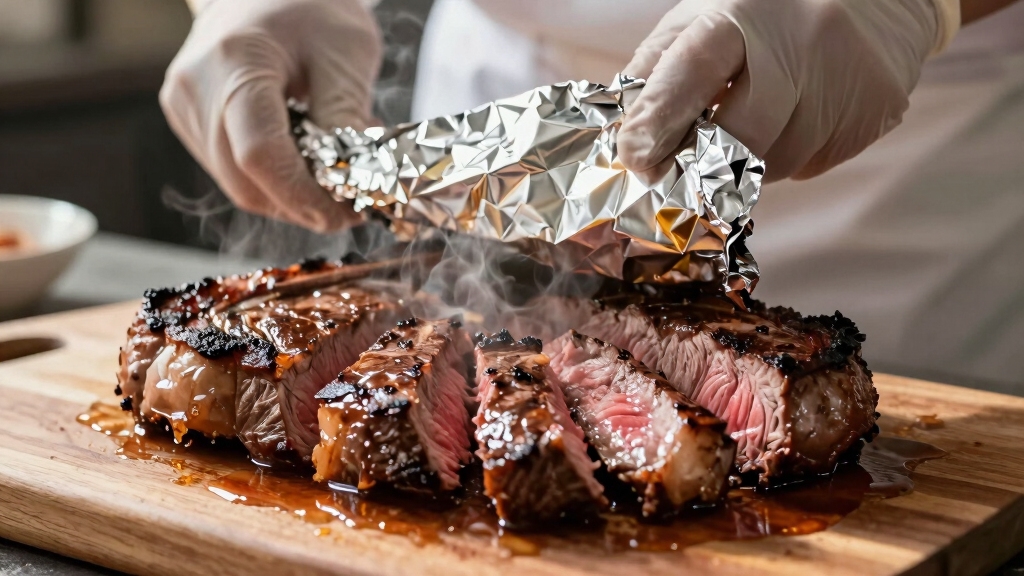
Tenting with foil means loosely draping aluminum foil over your food to create a raised dome without sealing it tight.
This lets steam circulate, trapping moisture to keep meat juicy and tender while preventing over-browning and sogginess.
Unlike wrapping, tenting maintains an air gap so steam can escape and heat distributes evenly.
You’ll also avoid crushing delicate textures or drying the surface. Keep going to discover the best techniques, timing, and common mistakes to perfect tenting.
Key Takeaways
- Tenting with foil means loosely draping aluminum foil over food, creating a raised dome with air space above the surface.
- It allows steam to circulate while preventing direct foil contact, retaining moisture to keep meat juicy without sogginess.
- Tenting partially shields food from direct heat, preventing over-browning and preserving texture during cooking.
- Unlike wrapping, tenting does not tightly seal moisture and heat, allowing steam to escape and balanced cooking.
- Proper tenting involves a loose dome shape with crimped edges that secure foil without airtight sealing to maintain airflow.
What Is Tenting With Foil?

Tenting with foil involves loosely draping aluminum foil over food to create a raised dome shape that allows steam to circulate.
Tenting with foil means gently covering food to form a dome that lets steam move freely.
You don’t seal the foil tightly; instead, you leave space between the food and foil, preventing direct contact.
This air gap forms a protective barrier that influences heat distribution, ensuring more even cooking.
Unlike wrapping, tenting maintains an open space allowing moisture to escape gradually while protecting the food’s surface from burning or over-browning.
You typically crimp the foil edges around the pan to hold the tent shape without compressing the food.
This method especially suits roasting meats or baking items where you want to balance heat exposure and protect delicate toppings, ensuring your dish cooks evenly without trapping excessive moisture.
Aluminum foil is fireproof and an excellent heat conductor, making it ideal for high-heat cooking and moisture retention.
Why Tenting With Foil Keeps Food Juicy?
Tenting with foil is a great trick for keeping your food nice and juicy. When you do this, you create a little protective barrier that traps moisture. This means your food won’t dry out while it’s cooking, which is a win in anyone’s book!
Plus, that loose cover helps with heat distribution. It ensures that every part of your dish cooks evenly, so you don’t end up with overcooked edges. By managing steam and heat this way, you really do keep your meals juicy and tender throughout the cooking process. It’s a simple step that makes a big difference!
For best results, wrapping food tightly in heavy-duty foil after resting helps lock in juiciness and flavor while avoiding sogginess from condensation inside the foil, a key part of proper foil wrapping techniques.
Moisture Retention Benefits
Retaining moisture during cooking is key to juicy, flavorful food. Loosely covering dishes with foil helps you achieve this balance. Tenting creates a protective barrier that traps steam, preventing excessive moisture loss while allowing some evaporation. This keeps your food tender without becoming soggy or dry.
The foil dome also avoids direct contact, reducing moisture escape and protecting surface texture.
| Benefit | How It Works | Result |
|---|---|---|
| Steam retention | Traps evaporated moisture | Juicier interior |
| Prevents drying | Limits direct heat exposure | Maintains tenderness |
| Allows evaporation | Loosely covers, not sealed tight | Avoids sogginess |
| Protects surface | No foil contact on food | Preserves crust and texture |
To maximize moisture retention and temperature stability during holding, it’s important to wrap tightly at 155°F–170°F with foil to lock in juices and create a tenderizing steam environment, as recommended for optimal moisture preservation.
Balanced Heat Distribution
Create a gentle foil dome over your dish to make certain heat spreads evenly across its surface. This tenting technique prevents direct heat from concentrating on any one spot, allowing the food to cook uniformly.
By maintaining an air gap between the foil and your dish, the heat circulates gently. This helps avoid overcooking or drying out the exterior while the interior remains juicy.
Balanced heat distribution benefits you by:
- Shielding delicate surfaces from intense, direct heat.
- Promoting even cooking through controlled steam circulation.
- Preventing hotspots that cause uneven textures or burnt edges.
When you tent with foil, you manage temperature and moisture simultaneously. This ensures your meal stays tender and flavorful throughout the cooking process. Loosely tenting with foil also helps retain heat while allowing steam to escape, preventing moisture buildup that could cause sogginess or texture loss.
When to Use Foil Tents for Tenting?
If you want to keep your roast juicy without over-browning the surface, foil tents are an ideal solution.
Use them when roasting large meats like turkey or brisket, especially midway through cooking, to protect the exterior while allowing heat to penetrate evenly.
Foil tents also work well during resting periods to retain meat juices.
When baking items such as cookies or pastries, tents help prevent over-browning and protect delicate toppings.
Additionally, if you’re steam-tenderizing meats in a baking tin, covering loosely with foil maintains moisture without trapping excess steam.
Remember, foil tents are best when you need partial coverage that balances moisture retention and controlled browning, rather than a tight seal.
Employ foil tents anytime you want to avoid burning while ensuring even cooking.
For extended resting, wrapping brisket in foil combined with insulation in a preheated cooler helps maintain safe temperatures and moisture retention.
How to Tent Food Properly?
When tenting food properly, start by choosing heavy-duty aluminum foil to guarantee the tent holds its dome shape without collapsing.
Drape the foil loosely over the food or dish, ensuring it doesn’t touch the surface to allow steam circulation.
Crimp the foil edges around the pan to secure the tent, but avoid tight sealing to maintain airflow and prevent trapping moisture.
Cut the foil larger than the pan so you can fold seams to prevent gaps.
Here are key steps to follow:
Use foil large enough to fold over edges easily.
Create a raised dome shape to allow steam to circulate freely.
Secure edges loosely to keep the tent stable without sealing airtight.
This method balances moisture retention and even heat distribution for perfect results.
Avoid over-moisturizing surfaces before cooking to prevent trapping excess moisture under the tent, which can affect crust formation.
Common Tenting Mistakes to Avoid
When you’re tenting with foil, one thing to keep in mind isn’t to seal it too tightly. If you do, it traps steam, which can really mess with the cooking process. Instead, make sure to leave some space for air to circulate around the food—this helps it cook evenly.
Oh, and don’t forget to pay attention to the timing guidelines! Following them closely will help you avoid overcooking or underbrowning your dish. It’s all about getting that perfect balance!
Over-Tight Foil Sealing
Although foil tenting is designed to create a loose dome over food, sealing the foil too tightly defeats its purpose by restricting steam circulation.
When you crimp the foil edges too firmly or press it down onto the food, you block the necessary airflow that balances moisture and heat.
This can cause uneven cooking, soggy textures, or burnt spots.
To avoid over-tight foil sealing, keep these points in mind:
Loosely drape the foil to maintain an air gap for steam to escape and circulate.
Crimp only the edges around the pan without pressing the foil against the food surface.
Use heavy-duty foil that holds shape without needing tight sealing.
Proper tenting guarantees your dish cooks evenly and retains moisture without trapping excess steam.
Unlike foil, butcher paper allows moisture to escape, preventing soggy textures while keeping the meat juicy.
Insufficient Air Space
If you don’t leave enough air space between the foil and the food, steam won’t circulate properly under the tent. This limits moisture retention and hinders even heat distribution, defeating the purpose of tenting.
When the foil is too close or pressed against the food, it traps excessive moisture and prevents gentle evaporation. This causes sogginess or uneven cooking.
To avoid this, create a loose dome-like shape with foil that maintains a clear gap above the food surface. Use heavy-duty foil to better hold this shape without collapsing.
Also, avoid tight crimping around edges that can restrict airflow. By ensuring sufficient air space, you allow steam to move freely. This preserves juiciness and promotes balanced cooking without over-saturation or burning.
Additionally, using heavy-duty aluminum foil wide enough for a double wrap helps maintain the tent’s structure and prevents leaks that could disrupt cooking.
Ignoring Timing Guidelines
Failing to follow proper timing guidelines can undermine the benefits of tenting with foil. If you leave the foil on too long, steam can accumulate excessively, causing sogginess or uneven cooking.
Conversely, removing the foil too early may lead to over-browning or drying of the food’s surface. To get it right, pay close attention to cooking stages and adjust tenting duration accordingly.
Common timing mistakes include:
Keeping foil on throughout the entire cooking process, preventing proper browning.
Removing foil too soon, losing moisture retention benefits.
Ignoring manufacturer or recipe instructions for tenting intervals.
Understanding how spritzing timing affects moisture and bark development can also help optimize overall cooking results.
Timing Tips for Tenting and Removing Foil
When tenting with foil, you’ll want to time it so the foil stays on long enough to retain moisture and prevent over-browning but is removed early enough to allow the food’s surface to finish browning properly.
Typically, tent the food midway through cooking or once the exterior reaches a desired color. Remove the foil about 10–15 minutes before the end to expose the surface to direct heat, allowing it to crisp or brown evenly.
Keep an eye on the process and avoid leaving the foil on too long, which can cause sogginess or lack of color development.
When removing the foil, use caution to avoid steam burns. Proper timing guarantees balanced moisture retention and ideal browning for the best texture and flavor.
This careful timing helps maintain the bark preservation by preventing the foil from softening the crust excessively.
How Tenting Differs From Wrapping?
Although both tenting and wrapping use aluminum foil, they serve distinct purposes in cooking and require different techniques.
When you tent, you loosely drape foil over food, creating an air space that allows steam to circulate and prevents direct contact.
Wrapping, however, involves tightly sealing the food to trap moisture and heat fully. This difference affects how your food cooks and browns.
Here’s how tenting differs from wrapping:
Steam circulation: Tenting lets steam escape for even cooking; wrapping traps moisture tightly.
Air space: Tenting maintains a gap to avoid foil touching food; wrapping presses foil against it.
Browning control: Tenting allows partial exposure to prevent over-browning; wrapping seals completely, which can cause sogginess.
Understanding these distinctions helps you achieve the perfect texture and flavor.
Frequently Asked Questions
Can Tenting With Foil Be Reused for Multiple Cooking Sessions?
You generally shouldn’t reuse aluminum foil for tenting multiple cooking sessions.
While it’s tempting to save foil, repeated exposure to heat can weaken it, causing tears or loss of shape.
This compromises its ability to protect and circulate steam properly.
For best results, use fresh heavy-duty foil each time to maintain proper tenting structure and food quality.
Reusing foil risks uneven cooking and potential contamination from leftover residues.
Is Tenting Effective for Reheating Leftovers?
Yes, tenting with foil is effective for reheating leftovers. It helps retain moisture while allowing steam circulation, preventing your food from drying out.
You’ll avoid overcooking or burning the top, keeping textures balanced. Just loosely cover your dish with foil, leaving space for steam to escape, and heat evenly.
Remember to monitor reheating time to maintain juiciness without sogginess or toughness.
Does Tenting With Foil Affect the Flavor of Food?
Tenting with foil doesn’t markedly affect your food’s flavor. It mainly preserves moisture and guarantees even cooking without causing off-flavors.
Since the foil doesn’t tightly seal the food, it prevents steam buildup that could make flavors soggy or diluted. Instead, it helps maintain your food’s natural taste while protecting delicate surfaces from burning.
Just be sure not to let the foil touch the food directly to avoid any metallic taste.
Can Tenting With Foil Be Used in Slow Cookers or Microwaves?
You generally shouldn’t use aluminum foil for tenting inside slow cookers or microwaves.
Slow cookers work best with their lids on to trap moisture, so tenting isn’t necessary.
Microwaves can cause foil to spark and damage the appliance or food. Instead, use microwave-safe covers or lids designed for slow cookers.
If you want to tent food, it’s safer and more effective to do so in conventional ovens where foil tenting controls heat and moisture properly.
What Alternatives Exist for Foil Tenting if Allergic to Aluminum?
Think of alternatives to foil tenting like a gentle umbrella shielding your food. You can use parchment paper loosely draped for moisture retention and steam flow.
Silicone baking mats work well too, offering flexibility without direct contact. Even a clean kitchen towel can provide a breathable cover during resting.
These options keep your food protected and evenly cooked without triggering your aluminum allergy. Just make sure they’re loosely placed for proper ventilation.
Cook Smarter with the Perfect Foil Tent Technique
Now that you know how to tent with foil, you can keep your food juicy and perfectly cooked, just like a chef in a 1950s diner.
Tenting isn’t just wrapping; it’s about gently covering to trap heat and moisture without steaming or sogginess.
Avoid common mistakes, time it right, and your meals will stay tender and delicious. So next time you cook, tent confidently and enjoy the juicy results every time!