Smoked Beef Back Ribs Recipe: Easy Step-by-Step BBQ Guide
Start by removing the back membrane for even cooking. Then slather mustard as a binder before applying a bold coffee and ancho chile rub.
Smoke the ribs low and slow at 225–275°F, using woods like pecan or oak. After three hours, wrap tightly with apple juice and BBQ sauce.
Continue cooking until tender at around 202°F. Let them rest before slicing and saucing. Follow these tips to release tender, flavorful smoked ribs and perfect your technique.
Key Takeaways
- Remove the back membrane from beef ribs and apply yellow mustard as a binder before seasoning with a coffee and ancho chile rub.
- Preheat smoker to 225°F–275°F, using pecan, oak, mesquite, or hickory wood for rich, smoky flavor and maintain indirect heat.
- Smoke ribs bone side down for 3 hours, spritzing with apple juice or cider vinegar to keep moist and monitor internal temperature.
- Wrap ribs in butcher paper or foil around 170°F, baste with apple juice, honey, and BBQ sauce, then cook until 202°F for tenderness.
- Rest wrapped ribs 10–30 minutes, then slice between bones and apply BBQ sauce lightly before serving.
Recipe Table About Smoked Beef Back Ribs
| Main Term | Key Action | Details |
|---|---|---|
| Beef back ribs | Prepare | Remove membrane from back using knife + paper towel |
| Yellow mustard | Binder | Coat ribs evenly so rub sticks and bark forms |
| Coffee rub | Seasoning | Espresso powder + ancho chile + brown sugar + salt + pepper |
| Olive oil | Moisture layer | Light brush after rub application |
| Smoker setup | Temperature | Maintain 225°F–275°F |
| Wood choice | Smoke flavor | Pecan, oak, hickory, mesquite |
| First smoke stage | Cook time | Smoke bone-side down for 3 hours |
| Spritzing | Moisture control | Use apple juice or cider vinegar |
| Wrapping | Tenderizing | Wrap in butcher paper or foil at 170°F |
| Wrap liquid | Flavor boost | Apple juice + honey + BBQ sauce |
| Final cook | Doneness | Continue until internal temp reaches 202°F–203°F |
| Doneness check | Texture test | Meat should flex and pull back from bones |
| Resting | Juice retention | Rest wrapped for 10–30 minutes |
| Slicing | Serving | Cut between bones |
| BBQ sauce | Finish | Apply lightly before serving |
Preparing Beef Back Ribs With Mustard Binder

Start by removing the back membrane from your beef back ribs using a knife and a paper towel for grip. This guarantees better smoke penetration and tenderness.
Grip the membrane with the towel after loosening one edge with the knife, then peel it off completely. Next, slather the ribs evenly with yellow mustard; this acts as a binder, helping the rub adhere and forming a flavorful crust during smoking.
Make sure every surface is coated but not overloaded. The mustard also adds moisture and enhances the rub’s absorption. After applying mustard, you’re ready to move on to seasoning with your chosen rub.
This preparation step makes certain your ribs cook evenly, retain juiciness, and develop a delicious bark that complements the smoky flavors. Additionally, mustard’s antioxidant properties help preserve moisture and prevent lipid oxidation during cooking, enhancing overall flavor and texture.
Making the Coffee & Ancho Chile Rub for Back Ribs
Combine espresso powder and ancho chile powder to create a bold, smoky base for your rub. Add brown sugar to balance bitterness with sweetness, then incorporate kosher salt and freshly ground black pepper to enhance flavor complexity.
Mix these ingredients thoroughly to ensure even seasoning. This rub will complement the beef’s richness while adding depth and a subtle heat.
Before applying, pat your ribs dry and slather with yellow mustard, which acts as a binder to help the rub adhere. Generously coat all sides with the coffee and ancho chile rub, pressing it into the meat for maximum absorption.
Finish by brushing a light layer of olive oil over the ribs to lock in moisture and intensify the rub’s flavor during smoking. For best results, dry the ribs uncovered in the refrigerator for 1–2 hours to form a pellicle, which helps the rub and smoke adhere better.
Setting Up Your Smoker for Back Ribs
When setting up your smoker for beef back ribs, aim for a consistent temperature between 225°F and 275°F, depending on the wood you choose and your preferred smoke intensity.
Preheat your smoker accordingly; 235°F is ideal for pecan or oak, while mesquite or hickory calls for a lower range near 225°F.
Arrange your smoker for indirect heat to avoid flare-ups and uneven cooking.
Make certain proper airflow by adjusting vents for steady combustion.
Use a reliable thermometer to monitor internal smoker temperature closely.
Place a water pan inside to maintain moisture during the smoke.
Prepare your wood chunks or chips ahead, selecting post oak, hickory, or mesquite for robust flavors.
This precise setup ensures even, flavorful cooking throughout the ribs.
For best results, coat ribs with yellow mustard as a binder to help the rub adhere evenly and enhance flavor penetration.
Smoking Back Ribs: Timing, Temp & Wood Choices
Although choosing the right temperature is crucial, smoking beef back ribs also demands careful timing and wood selection to achieve the ideal flavor and tenderness.
Maintain your smoker between 225°F and 275°F.
235-250°F works well for pecan or oak, while mesquite and hickory require lower temps around 225°F.
Smoke the ribs bone side down for three hours, aiming for an internal temperature near 165°F before wrapping.
Use post oak, hickory, mesquite, or pecan wood to complement the beef’s richness.
Each imparts distinct smoky notes.
Avoid rushing; slow smoking develops tenderness and flavor complexity.
Spritz with apple juice or cider vinegar to maintain moisture during the first three hours.
Controlling these variables guarantees your ribs achieve that perfect balance of smoky depth and juicy tenderness.
For safety and optimal texture, always verify the internal temperature using a digital thermometer to ensure the ribs reach the recommended doneness.
Wrapping Back Ribs for Moisture and Tenderness
Since maintaining moisture is key to tender beef back ribs, wrapping them during the smoking process is essential. Wrapping locks in steam, enhancing tenderness while preventing drying.
Here’s how to do it effectively:
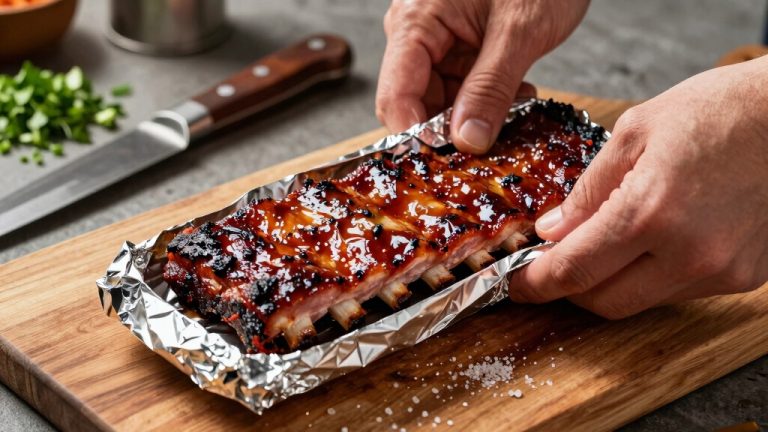
Wrap ribs tightly in butcher paper after about 3 hours of smoking. Alternatively, use heavy-duty aluminum foil once internal temp reaches 170°F.
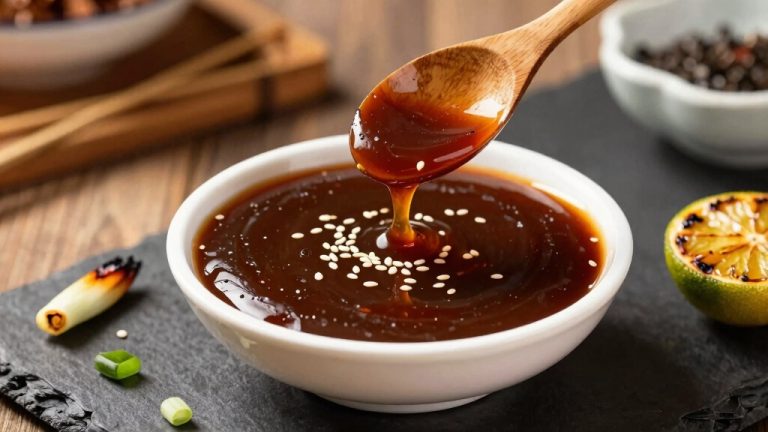
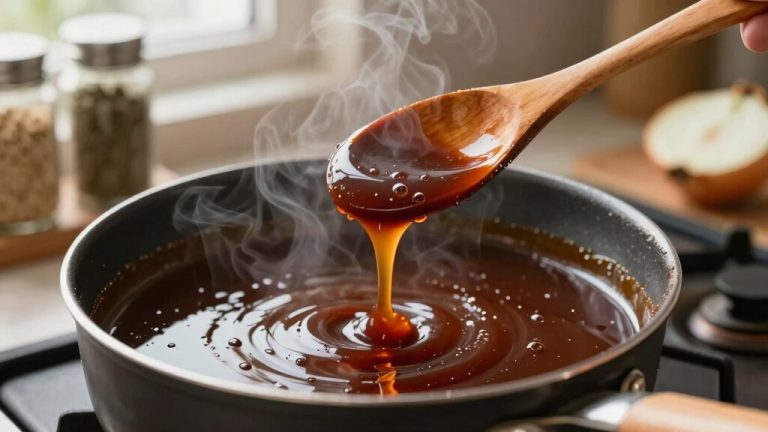
Before wrapping, baste ribs with a mix of apple juice, honey, and BBQ sauce to boost moisture and flavor. Seal the wrap well to trap juices and create a braising effect.
Continue cooking until internal temperature hits about 202°F, ensuring the meat becomes tender and juicy. Wrapping at the ideal internal temperature creates a steamy environment that accelerates collagen breakdown for optimal tenderness.
Checking Doneness of Back Ribs: Temperature and Texture
After wrapping and continuing to cook your beef back ribs, the next step is to accurately check for doneness by monitoring both temperature and texture.
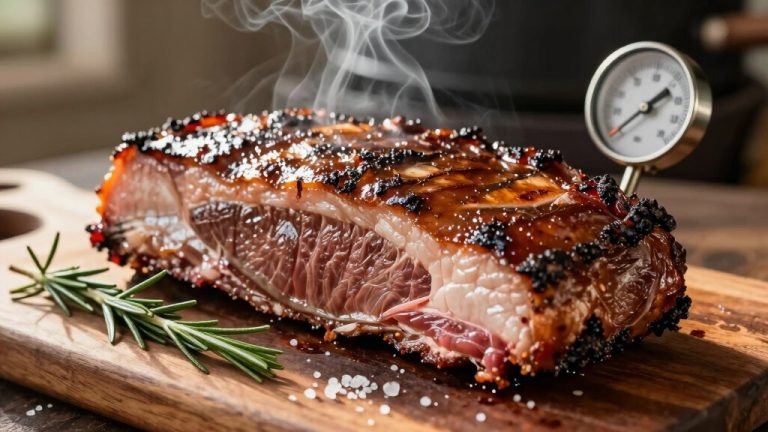
Use a reliable meat thermometer to measure the internal temperature in the intercostal muscle between the bones. Aim for a range of 200°F to 210°F; this guarantees the collagen has broken down, making the meat tender.
In addition to temperature, test texture by gently pulling the ribs. If the meat flexes and pulls back from the bones slightly, it’s a good sign of readiness.
Avoid relying solely on time; the ribs’ feel and internal heat are your best indicators. Once your ribs reach this balance of temperature and tenderness, they’re perfectly cooked and ready for the next step.
For best results, allow the ribs to rest wrapped in foil for at least 10 minutes after cooking to help redistribute juices and maximize flavor.
Resting, Saucing, and Serving Your Ribs
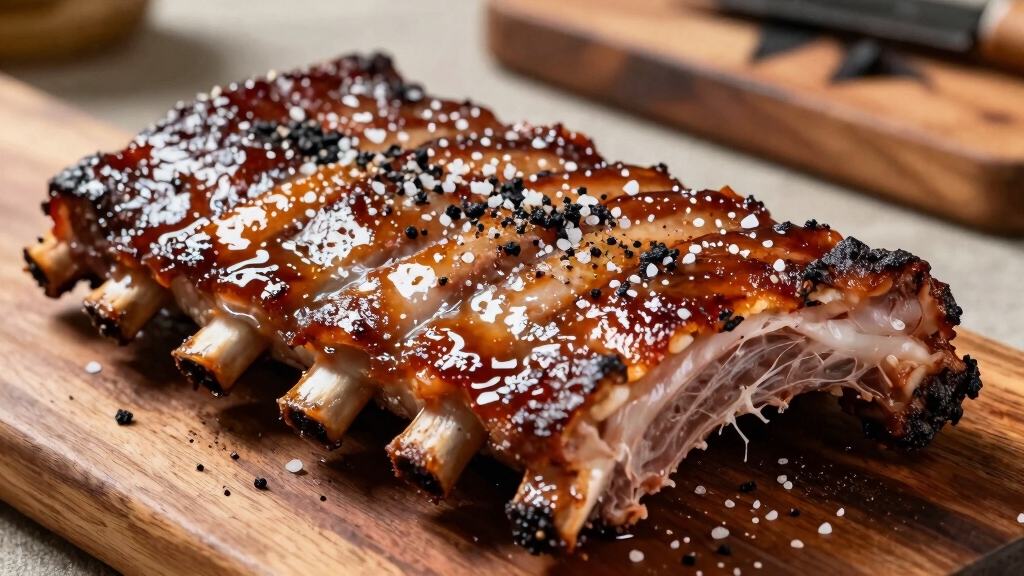
Once your beef back ribs reach the ideal internal temperature and tenderness, let them rest for at least 30 minutes. This allows the juices to redistribute evenly. This step guarantees maximum moisture and flavor in every bite.
When ready, unwrap carefully and apply your BBQ sauce sparingly. This maintains texture without overpowering the rub.
To serve your ribs perfectly:
- Slice between the bones for clean portions.
- Offer additional BBQ sauce on the side.
- Present with classic sides like coleslaw or baked beans.
- Use sharp knives to cut through tender meat effortlessly.
- Encourage guests to enjoy ribs warm for the best taste.
Following these steps highlights your careful smoking and preparation. It delivers a memorable smoked beef back ribs experience. For best results, keep your ribs wrapped tightly in heavy-duty foil during resting to lock in juiciness and flavor.
Frequently Asked Questions
Can I Use Other Types of Ribs Besides Beef Back Ribs?
Yes, you can use other types of ribs like meat spare ribs or baby back ribs. Each type has different fat content and cooking times, so you’ll need to adjust smoking temperature and duration accordingly.
For example, meat ribs usually cook faster and benefit from a lower, slower smoke to become tender. Just apply similar seasoning and wrapping techniques, but monitor internal temperature closely to guarantee perfect doneness for whichever ribs you choose.
How Long Can Smoked Ribs Be Stored Safely in the Refrigerator?
You can safely store smoked ribs in the refrigerator for 3 to 4 days.
Make sure you wrap them tightly in foil or place them in an airtight container to preserve moisture and prevent contamination.
When reheating, heat them to an internal temperature of 165°F to kill any bacteria.
If you want to keep them longer, freezing is a better option. They can last up to 2 to 3 months without losing quality.
What Is the Best Way to Reheat Leftover Smoked Beef Ribs?
The best way to reheat leftover smoked beef ribs is to wrap them tightly in foil with a splash of beef broth or apple juice to retain moisture.
Heat them in a preheated oven at 250°F for about 20-30 minutes until warmed through.
This method prevents drying and preserves tenderness better than microwaving.
Avoid high heat or direct flame, as they can toughen the meat and diminish that smoky flavor you love.
Can I Make the Coffee Ancho Rub Ahead and Store It?
Yes, you can make the coffee ancho rub ahead and store it.
Mix all dry ingredients thoroughly and keep the rub in an airtight container, like a glass jar or sealed plastic bag.
Store it in a cool, dark place, such as your pantry, for up to 3 months.
This allows the flavors to meld and stay fresh.
Just shake or stir the rub before applying to guarantee even seasoning.
Is It Necessary to Remove the Membrane Before Cooking?
Yes, you should remove the membrane before cooking. Leaving it on blocks smoke and seasoning from penetrating the meat, resulting in less flavorful ribs.
The membrane is tough and chewy, so removing it improves tenderness and bite. Use a knife to lift one edge, then grab it with a paper towel for grip, pulling it off in one piece.
This step ensures your ribs absorb rubs and smoke evenly for better taste and texture.
Tender Results Start with Patience and Precision
Now that you’ve mastered smoking beef back ribs, imagine this: the USDA states that properly smoked ribs reach an internal temp of 203°F for that perfect tender texture.
By following each step from mustard binder to resting, you guarantee juicy, flavorful ribs every time.
Remember, patience and precision turn tough cuts into melt-in-your-mouth delights. Keep your smoker steady, wrap well, and let those ribs rest before serving for the best results.