Is Tri Tip Steak Good: Nutrition, Taste & Cooking Tips
You’ll find tri tip steak is a lean yet flavorful cut with balanced marbling that delivers a bold, beefy taste and tender texture.
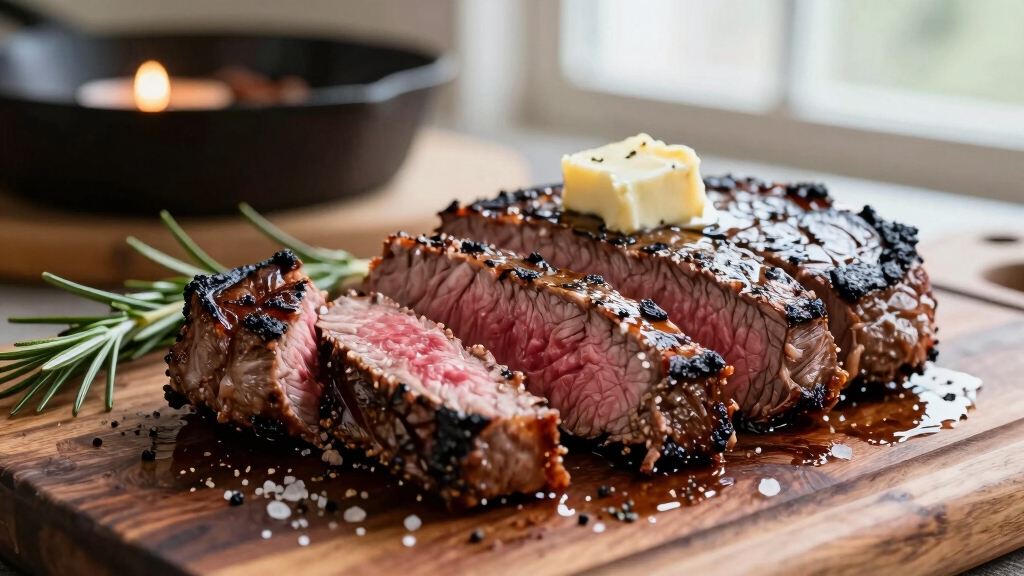
It cooks well on the grill or in the oven, developing a savory crust while retaining juiciness when properly rested.
Its high protein and rich micronutrients, along with keto-friendly fat content, make it a smart choice for many diets.
Exploring how cooking methods and trim levels affect nutrition and flavor will deepen your appreciation.
Key Takeaways
- Tri-tip steak has a bold, beefy flavor with balanced marbling, making it flavorful and juicy when cooked properly.
- It is more tender than flank or skirt steak but firmer than ribeye, ideal for grilling or roasting.
- Cooking methods like grilling or pan-searing develop a delicious crust and retain juiciness, enhancing taste.
- Tri-tip is relatively lean yet has enough fat for good flavor, fitting well into keto and low-carb diets.
- Its moderate size and nutritional profile offer a satisfying, protein-rich option for many meal preferences.
What Is Tri Tip Steak and Where Does It Come From?
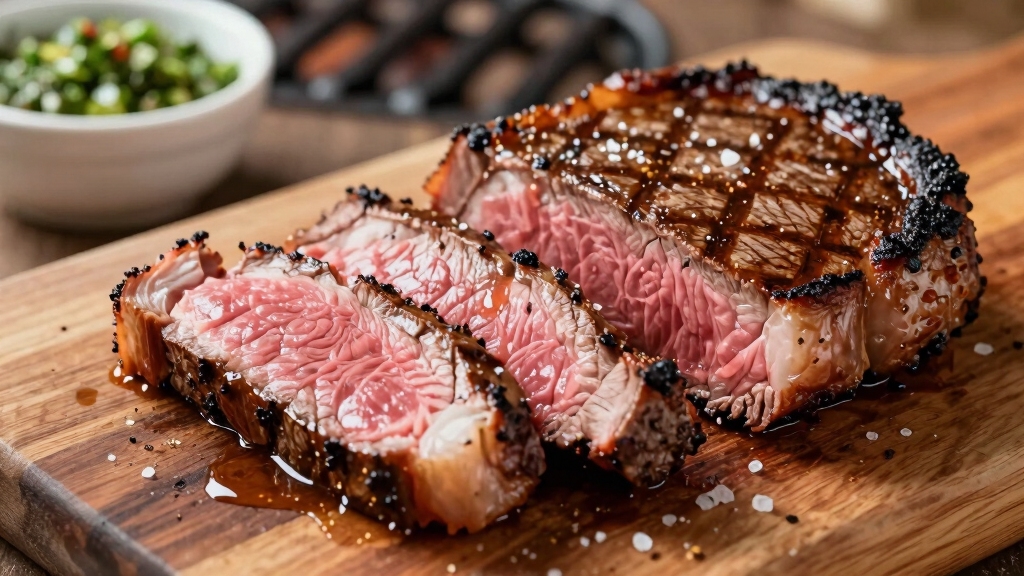
If you’ve ever wondered what sets tri-tip steak apart, it’s time to dig into its origin and characteristics.
Tri-tip is a triangular cut from the bottom sirloin subprimal, located near the rear of the cow. Its unique shape gives the steak its name, and its muscle structure offers a balance of tenderness and rich flavor.
You’ll notice it’s relatively lean but with enough marbling to remain juicy when cooked properly.
Originating in California, tri-tip gained regional popularity before spreading nationwide. Its size usually ranges from 1.5 to 2.5 pounds, making it ideal for grilling or roasting.
Understanding its source helps you appreciate why it offers a distinctive texture and why it’s prized for both affordability and taste.
Proper seasoning with a well-balanced dry rub recipe enhances the flavor and develops a delicious crust when cooked.
How Does Tri Tip Steak Taste and Cook Compared to Other Cuts?
Tri-tip steak often delivers a bold, beefy flavor that stands out compared to many other cuts, thanks to its balanced marbling and muscle structure.
You’ll notice it’s more tender than flank or skirt steak but has a firmer chew than ribeye. This makes it perfect for grilling or roasting.
Cooking tri-tip requires careful attention to avoid toughness, typically involving medium-rare doneness and resting to retain juices.
Compared to sirloin or brisket, tri-tip offers a richer taste with moderate fat, enhancing flavor without overwhelming richness.
While tri-tip is known for its distinct texture, cuts like the beef shoulder steak from the Teres Major muscle provide a tenderloin-like tenderness due to their fine muscle fibers and low connective tissue.
| Cut Type | Flavor Profile | Cooking Style |
|---|---|---|
| Tri-tip | Bold, beefy, balanced | Grilled, roasted |
| Ribeye | Rich, fatty, buttery | Pan-seared, grilled |
| Sirloin | Lean, mild, slightly sweet | Grilled, broiled |
| Brisket | Deep, smoky, fatty | Slow-cooked, smoked |
Calories and Fat in a Typical Tri Tip Steak Serving
When you dig into a typical 3-ounce serving of tri tip steak, you’ll find it packs around 148 calories. Not too bad, right?
Along with that, you’re looking at about 8 grams of total fat, which includes 3 grams of saturated fat.
What’s interesting is that most of the fat in tri tip is monounsaturated. This type of fat not only boosts the flavor but also adds a nice texture to the meat.
Calorie Content Overview
Although calorie content varies with portion size and preparation, a typical serving of tri-tip steak offers a substantial amount of energy primarily derived from fat and protein.
For example, a 3-ounce portion contains about 148 calories, with 8 grams of total fat and 17.5 grams of protein. This balance guarantees you get a dense source of energy without carbohydrates or sugars, making it ideal for low-carb diets.
Larger servings like a 12-ounce cut can provide close to 600 calories, with fat contributing nearly half the caloric content. The steak’s fat content varies with trimming and cooking methods, directly impacting calorie density.
Understanding these values helps you make informed dietary choices, whether you prioritize protein intake or manage calorie consumption. Additionally, the fat content influences both the flavor richness and nutritional profile of the steak, which is important when balancing taste and health goals.
Fat Composition Details
Understanding the calorie content naturally leads to examining the fat composition, as fat substantially influences the energy density and nutritional profile of a tri-tip steak. A typical 3oz serving contains 8g total fat, including 3g saturated fat, contributing materially to its 148-calorie count.
You’ll find monounsaturated fats (4.5g) predominate, beneficial for heart health, while polyunsaturated fats remain minimal (0.37g). Fat content varies with portion size and trimming, directly impacting calories and nutritional balance.
Selecting cuts with the right fat distribution is key to balancing flavor and avoiding greasiness.
| Serving Size | Total Fat (g) | Saturated Fat (g) |
|---|---|---|
| 3oz | 8 | 3 |
| 4oz trimmed | 10.1 | 3.8 |
| 12oz | 32 | 12 |
This table helps you gauge fat intake and manage your dietary goals effectively.
Nutritional Benefits of Tri Tip Steak
Tri tip steak is a real gem when it comes to nutrition! You’ll love that it packs about 21 grams of protein per 100 grams. That’s fantastic for supporting muscle maintenance and repair.
But it doesn’t stop there! This cut also brings along essential micronutrients like zinc, vitamin B12, and selenium. These are super important for your immune system and metabolism, keeping you feeling your best.
Oh, and if you’re following a low-carb diet, you’ll be glad to know that tri tip has a keto-friendly fat profile. It features a nice balance of monounsaturated fats and keeps carbs to a minimum. Perfect for those who are watching their carb intake!
Like brisket, tri tip benefits from a balance of tenderness and flavor, making it versatile for various cooking methods.
High Protein Content
Discover how tri-tip steak stands out as a powerful protein source that supports muscle maintenance and overall health. With 21g of protein per 100g raw, it delivers a substantial amino acid profile essential for muscle repair and growth.
Whether you’re an athlete or just aiming for balanced nutrition, tri-tip provides high-quality protein without added carbohydrates.
| Serving Size | Protein Content |
|---|---|
| 3 oz (85g) | 17.5g |
| 12 oz (340g) | 70g |
| 1 lb (454g) cooked | 95g (approx.) |
This protein density helps you meet daily requirements efficiently while supporting metabolic functions, muscle synthesis, and satiety. Tri-tip’s lean yet flavorful nature makes it a smart choice for protein-centric diets.
Essential Micronutrient Supply
Although tri-tip steak is often praised for its protein content, it also delivers a rich array of essential micronutrients that contribute markedly to your overall health.
Each 3-ounce serving provides substantial zinc (3.1mg, 30% DV), critical for immune function and wound healing. You’ll also get 6mg of niacin (40% DV), supporting metabolism and skin health, alongside vitamin B12, indispensable for nerve function and red blood cell formation.
Additionally, tri-tip offers iron (1.3mg, 8% DV), phosphorus (156mg, 10% DV), and selenium (22mcg, 40% DV), which support oxygen transport, bone strength, and antioxidant defense.
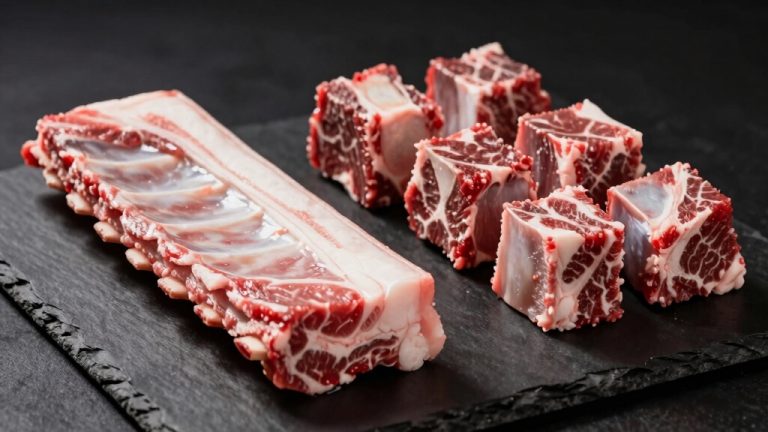
Potassium and magnesium, present in modest amounts, help maintain fluid balance and muscle function. By including tri-tip steak in your diet, you tap into a nutrient-dense source that goes beyond just protein, enhancing your micronutrient intake effectively. Compared to other cuts like beef plate ribs, tri-tip provides a leaner option with a favorable protein-to-fat ratio.
Keto-Friendly Fat Profile
Tri-tip steak boasts a fat profile that aligns exceptionally well with ketogenic dietary principles, making it a smart choice if you’re aiming to maintain ketosis.
Its rich fat content includes a significant portion of monounsaturated fats, which support heart health and provide sustained energy without spiking insulin.
The steak contains zero carbohydrates, reinforcing its keto compatibility. When you choose tri-tip, you’re also getting a balanced fat-to-protein ratio that helps preserve muscle mass while fueling fat metabolism.
Consider these keto-friendly qualities:
- Approximately 32g total fat in a 12oz serving, with 4.5g monounsaturated fat per 3oz
- Zero grams of carbohydrates and sugars
- High protein content (70g per 12oz) supports muscle maintenance
- Moderate saturated fat (3g per 3oz), fitting within ketogenic dietary limits
This makes tri-tip a nutrient-dense, keto-compatible protein source. Additionally, trimming external and internal fat deposits can improve oxidative stability and reduce rancid flavors, enhancing the overall quality of your tri-tip steak oxidative stability.
Which Vitamins and Minerals Are in Tri Tip Steak?
You get a wealth of essential vitamins and minerals when you include this cut of beef in your meals. Tri tip steak delivers 40% of your daily niacin needs and supplies 30% of zinc per 3-ounce serving, both vital for energy metabolism and immune function.
You also receive a solid dose of vitamin B12, supporting nerve health and red blood cell production. Iron content at 8% of the daily value helps transport oxygen efficiently, while vitamin B6 (33% DV) plays a key role in amino acid metabolism.
Alongside phosphorus (10% DV) and selenium (40% DV), tri tip aids bone health and antioxidant defense. Additionally, it provides potassium and magnesium, which contribute to muscle function and electrolyte balance, making it nutritionally robust beyond just protein.
Is Tri Tip Steak Good for High-Protein Diets?
When focusing on high-protein diets, tri tip steak stands out as an excellent choice due to its impressive protein density. Each 3-ounce serving delivers about 17.5 grams of protein, supporting muscle maintenance and repair efficiently.
Beyond quantity, the protein quality is high, providing essential amino acids your body needs. Additionally, tri tip’s nutrient profile complements its protein content, offering crucial minerals and vitamins.
Consider these key points:
A 12-ounce serving packs roughly 70 grams of protein, ideal for muscle growth. It contains zero carbohydrates, keeping your macronutrient focus on protein and fats.
The steak provides zinc and vitamin B12, supporting immunity and energy metabolism. Moderate fat content ensures sustained energy without excess calories.
This makes tri tip steak a smart, nutrient-rich option for high-protein diets. For optimal flavor and juiciness, choosing cuts with moderate marbling like brisket is recommended for similar high-protein meals with rich taste and moisture retention, as seen in brisket burger preparation.
How Does Tri Tip Steak Fit Into Keto and Low-Carb Plans?
Keto and low-carb diets thrive on foods that deliver high fat and protein while minimizing carbohydrates, making tri tip steak an ideal candidate.
Tri tip steak perfectly fits keto and low-carb diets with its high fat and protein, low carb profile.
With nearly zero carbs per serving and a robust protein content of up to 70 grams in a 12-ounce portion, it supports muscle maintenance and satiety effectively.
Its fat profile includes 32 grams of fat with a good portion of monounsaturated fats, aligning well with keto’s macronutrient goals.
Additionally, tri tip steak provides essential micronutrients like zinc, vitamin B12, and selenium, which bolster immunity and metabolic functions on restrictive diets.
The low sodium and zero sugar content further complement keto and low-carb plans.
When you choose tri tip, you get a nutrient-dense, satisfying cut that helps maintain ketosis without sacrificing flavor or nutrition.
Because tri tip is a leaner cut, it requires careful temperature control to avoid dryness and maximize tenderness.
How Cooking Methods Affect Tri Tip Steak’s Flavor and Nutrition?
The way you cook your tri tip steak really changes its flavor. For instance, grilling gives it that delicious smoky char, while searing creates a nice caramelized crust. Isn’t it amazing how different techniques can bring out unique tastes?
But it’s not just about flavor. The cooking method you pick also impacts the nutrients in your steak. High heat can sometimes reduce certain vitamins, but don’t worry—it usually preserves the protein and minerals quite well. Smoking at moderate temperatures, like 300°F smoking, can enhance flavor while maintaining juiciness and tenderness.
Flavor Changes With Cooking
Although tri-tip steak boasts a naturally robust flavor, the cooking method you choose profoundly influences both its taste and nutritional profile. Grilling imparts a smoky char that enhances the meat’s savory depth. Roasting delivers a tender, evenly cooked texture with subtle caramelization.
Pan-searing locks in juices, producing a crispy crust and intensified umami notes. Slow cooking breaks down connective tissue, resulting in a buttery mouthfeel but a milder flavor profile.
Grilling elevates Maillard reactions, boosting complexity. Roasting preserves juiciness and balances fat rendering. Pan-searing creates a caramelized exterior without drying. Slow cooking softens texture, diminishing boldness but increasing tenderness.
Understanding these nuances helps you tailor flavor and nutrition to your preference.
Nutrient Retention By Method
When you choose how to cook tri-tip steak, you directly influence its flavor and the retention of key nutrients like protein, vitamins, and minerals.
For example, grilling or broiling quickly sears the meat, preserving more protein and water-soluble vitamins such as B12 and niacin.
In contrast, slow roasting or braising can cause greater nutrient loss due to prolonged heat exposure and moisture loss. This reduces vitamin content but concentrates minerals like zinc and iron.
Pan-searing retains most macronutrients while enhancing flavor through the Maillard reaction. However, excessive high heat risks oxidizing fats and degrading heat-sensitive vitamins.
To maximize nutrition without sacrificing taste, balance cooking time and temperature. Opting for moderate heat and shorter durations helps maintain tri-tip’s rich protein profile and micronutrient density.
Key Health Factors: Cholesterol, Sodium, and Fat in Tri Tip Steak
Considering the impact of cholesterol, sodium, and fat in tri tip steak is essential for anyone monitoring their cardiovascular health or overall dietary intake.
A 3oz serving contains 58mg of cholesterol (19% DV) and 43mg of sodium (2% DV), relatively moderate amounts that fit within most dietary guidelines.
Fat content, at 8g total with 3g saturated fat, contributes appreciably to the calorie count, influencing heart health considerations.
Understanding these factors helps you balance enjoyment with nutrition.
Key health factors include:
- Moderate cholesterol supports controlled intake for heart health.
- Low sodium aids in managing blood pressure.
- Total fat includes healthy monounsaturated fats (4.5g per 3oz).
- Saturated fat remains moderate, important for lipid profiles.
Tri tip steak offers a nuanced balance of nutrients worth mindful consumption.
Choosing the Right Tri Tip Steak for Your Nutrition and Flavor Preferences
Balancing cholesterol, sodium, and fat content plays a significant role in how you select a tri tip steak that suits both your nutritional goals and flavor preferences.
You’ll want to weigh calories against protein and fat levels, considering trimmed options for leaner cuts or choice grades for richer flavor. Here’s a quick guide:
| Serving Size | Calories | Fat (g) | Protein (g) |
|---|---|---|---|
| 3oz raw choice | 174 | 10 | 21 |
| 4oz trimmed roast | 186 | Less fat | Moderate |
| 5oz USDA choice | 215 | 10.1 | 29 |
| 12oz restaurant | 588 | 32 | 70 |
Choose based on your preference for lean, moderate, or indulgent flavor profiles while maintaining your nutritional targets.
Frequently Asked Questions
How Should Tri Tip Steak Be Stored for Maximum Freshness?
You should store tri tip steak in the coldest part of your refrigerator, ideally below 40°F, wrapped tightly in butcher paper or vacuum-sealed to minimize air exposure.
If you plan to keep it longer than 3-5 days, freeze it in an airtight container or heavy-duty freezer bag.
Thaw it slowly in the fridge to preserve texture and flavor.
Proper storage keeps the steak fresh, maintains its rich nutrients, and prevents spoilage.
What Are the Best Side Dishes to Pair With Tri Tip Steak?
You know what they say: variety is the spice of life. To complement tri tip steak’s rich, beefy flavor, pair it with roasted garlic mashed potatoes for creamy texture and caramelized sweetness.
Grilled asparagus or sautéed mushrooms add earthy, savory notes that balance the meat’s fat content. A fresh arugula salad with lemon vinaigrette cuts through richness.
A chimichurri sauce offers a zesty, herbal contrast that brightens every bite.
Can Tri Tip Steak Be Frozen and Still Retain Quality?
Yes, you can freeze tri-tip steak and still keep its quality if you do it right. Wrap it tightly in plastic wrap, then foil or vacuum seal to prevent freezer burn.
Freeze it raw or cooked, but remember, raw freezes better for texture. Thaw it slowly in the fridge to maintain juiciness and flavor.
Proper freezing preserves its rich protein and nutrient profile without sacrificing taste or tenderness.
How Long Does Tri Tip Steak Typically Take to Rest After Cooking?
Like waiting for a masterpiece to settle, you should let your tri-tip steak rest for about 10 to 15 minutes after cooking.
This pause allows the juices to redistribute evenly, ensuring every bite is tender and flavorful.
During this time, the internal temperature stabilizes, preventing dry edges.
Cover it loosely with foil to keep warmth without steaming.
Patience here transforms your steak from good to unforgettable.
Are There Any Recommended Marinades to Enhance Tri Tip Flavor?
You’ll want to try marinades that balance acidity and umami to enhance tri-tip’s rich flavor.
A classic mix includes soy sauce, garlic, olive oil, and a splash of vinegar or lime juice to tenderize and add brightness.
Adding fresh herbs like rosemary or thyme complements its beefy taste.
Marinate for at least 4 hours or overnight to let those flavors deeply penetrate.
This ensures juicy, savory results every time.
Making the Most of Tri Tip Steak in a Balanced Diet
When you’re choosing tri tip steak, you’re inviting a flavorful journey that balances richness with nutrition.
It’s not just a cut of meat; it’s a thoughtful companion for your meals, offering a nuanced taste and a respectable profile of vitamins and minerals.
While it carries its share of indulgence, mindful preparation and portioning allow you to enjoy its savory character without tipping the scales unfavorably. This makes it a worthy addition to your culinary repertoire.