Is Beef Shoulder Steak Tender? The Truth About This Cut
You’ll find beef shoulder steak tender because it contains the teres major muscle, known for its fine fibers and low connective tissue.
This small, boneless cut rivals tenderloin in softness yet offers richer beef flavor with less fat than ribeye.
Cooking it with high heat to medium-rare and slicing against the grain preserves its juicy texture.
If you want to master preparation and uncover sourcing tips, keep exploring how to get the best from this underrated steak.
Key Takeaways
- Beef shoulder steak, specifically the teres major muscle, is very tender, ranking seventh in tenderness among beef muscles.
- The shoulder steak is lean, boneless, with fine muscle fibers and minimal connective tissue, similar in texture to tenderloin.
- Proper cooking methods like high-heat searing or reverse searing at medium-rare (135°F) preserve its tenderness and juiciness.
- Resting the steak after cooking and slicing thinly against the grain enhances tenderness and eating quality.
- Compared to ribeye, shoulder steak is leaner but offers robust beef flavor with tenderness close to tenderloin.
What Makes Beef Shoulder Steak So Tender?

When you look into what makes beef shoulder steak so tender, you’ll find it largely comes down to the specific muscle it’s cut from: the Teres Major.
The secret to beef shoulder steak’s tenderness lies in the Teres Major muscle.
This muscle, located near the shoulder blade within the chuck primal, experiences minimal use during the animal’s movement, which directly contributes to its exceptional tenderness.
Its fine muscle fibers and low connective tissue content allow the steak to achieve a texture comparable to the beef tenderloin.
The Teres Major’s small size and boneless nature also facilitate even cooking, preventing toughness.
Because it’s one of only three tender muscles derived from the shoulder clod, beef shoulder steak stands out among shoulder cuts.
Its unique anatomical positioning and muscle function are key factors underpinning its delicate, melt-in-your-mouth quality.
Additionally, the shoulder clod is known for being leaner and firmer with dense muscles separated by connective tissue, which influences the steak’s texture and cooking methods.
Why the Teres Major Muscle Is Key to Tenderness?
Anchored near the shoulder blade, the Teres Major muscle plays a crucial role in delivering exceptional tenderness to beef shoulder steak.
This muscle experiences minimal workload compared to other shoulder muscles, resulting in fine, delicate fibers that contribute to its remarkable softness.
Ranked as the seventh most tender beef muscle by the University of Nebraska, it rivals the tenderness of the prized beef tenderloin.
You’ll find it as a small, boneless cut, sometimes called the shoulder tender or petite tender, known for its lean profile and rich flavor.
Its limited connective tissue and low fat content guarantee a melt-in-your-mouth texture when cooked properly.
Understanding the Teres Major’s anatomy helps you appreciate why it offers a premium eating experience despite originating from the typically tougher chuck primal.
Like short ribs, which come from the chuck primal, the Teres Major benefits from slow cooking techniques to maximize tenderness and flavor.
How to Identify Tender Beef Shoulder Steak Cuts at the Butcher?
To pick out tender beef shoulder steak cuts at the butcher, focus on identifying the Teres Major muscle, often labeled as shoulder tender, petite tender, or mock tender.
This boneless cut comes from the chuck primal near the shoulder blade. When selecting, look for these key indicators:
- Firm, fine-grained texture with minimal connective tissue
- Uniform, deep red color without excessive marbling
- Small, elongated shape typical of Teres Major Major or Minor
- Clearly labeled as shoulder tender, petite tender, or mock tender
- Absence of bones, as this cut is usually boneless
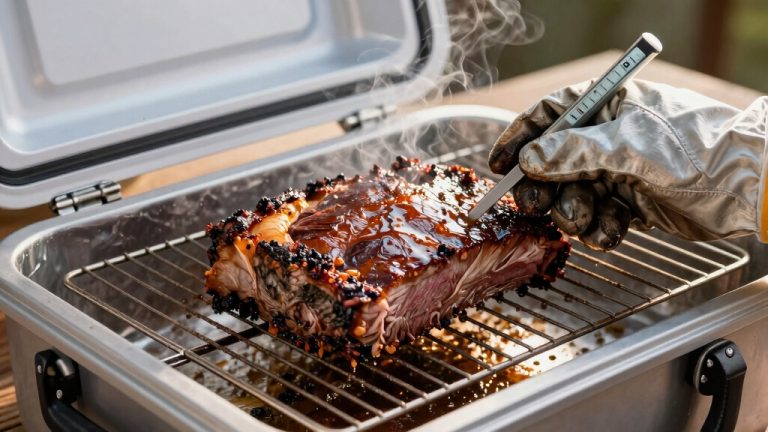
Proper handling and probe insertion technique can help accurately monitor tenderness when cooking this cut.
Why People Often Mistake Shoulder Steak for Tough Cuts?
You might think shoulder steak is tough since it comes from the chuck primal, which is known for those heavily used muscles. But here’s the thing: cuts like the Teres Major hardly get worked out at all. They end up being super tender, even though they’re in that same area.
Slow cooking benefits include tenderizing tough cuts by breaking down collagen into gelatin, which improves texture and juiciness, making shoulder steak much more enjoyable when prepared properly with slow cooking techniques.
Muscle Usage Misconceptions
Although shoulder cuts are often associated with toughness due to heavy muscle use, the beef shoulder steak defies this assumption because it comes from a minimally worked muscle.
You might mistakenly think all shoulder steaks are tough, but this cut, specifically the teres major muscle, is an exception. Its limited activity means less connective tissue and more tenderness.
When evaluating the shoulder steak, consider these points:
- Derived from a small, underutilized muscle near the shoulder blade
- Contains less collagen compared to other shoulder muscles
- Comparable tenderness to premium cuts like beef tenderloin
- Often mislabeled, leading to confusion about texture
- Muscle fiber structure promotes a melt-in-your-mouth experience
Cut Location Confusion
Because the beef shoulder steak originates from the chuck primal near the shoulder blade, a region typically associated with tougher cuts, many assume it shares the same texture.
However, this cut, often called the Teres Major or shoulder tender, differs markedly. Unlike heavily worked muscles in the shoulder, the Teres Major is a small, minimally used muscle, resulting in exceptional tenderness comparable to tenderloin.
People often confuse it with tougher chuck cuts due to its location, overlooking its fine texture and lean profile. Understanding precise cut identification helps you avoid this misjudgment.
Recognizing that this boneless, petite tender is distinct from other shoulder muscles allows you to appreciate its unique tenderness and flavor, dispelling the misconception that all shoulder-derived steaks are inherently tough.
Proper cooking techniques, such as seasoning and controlled heating, can enhance the tenderness and flavor of shoulder cuts by building a protective and flavorful surface through gradual warming.
What Flavor to Expect From Tender Beef Shoulder Steak?

When savoring tender beef shoulder steak, expect a rich, beefy flavor that stands out despite its low fat content.
This cut delivers a satisfying taste profile combining juiciness with lean meat qualities, making it a flavorful yet health-conscious choice.
You’ll notice its natural beef essence enhanced by simple seasoning like salt and pepper, without overwhelming fattiness.
Key flavor characteristics include:
- Pronounced beefy notes with minimal greasiness
- Juicy mouthfeel despite lean composition
- Balanced richness akin to filet mignon but more affordable
- Subtle sweetness due to minimal connective tissue
- Versatility in complementing herbs and spices without losing core flavor
This steak offers a nuanced beef experience that’s both tender and flavorful, ideal for those seeking depth without excess fat. Proper cooking at controlled temperatures helps maintain tenderness and juiciness, as explained in temperature control techniques.
Best Cooking Methods to Keep Shoulder Steak Tender
If you want to keep your shoulder steak nice and tender, high-heat methods are your best bet! Think grilling, broiling, or pan-searing—these techniques help you develop a flavorful crust in no time.
When you’re cooking, aim for an internal temperature of 135°F for that perfect medium-rare doneness. This way, you’ll really preserve the juiciness and texture of the meat.
And don’t forget this important step: after cooking, let the steak rest for a bit. This helps the juices redistribute.
When you’re ready to serve, make sure to slice against the grain. This little trick maximizes tenderness and makes your steak even more enjoyable!
Using a cast iron skillet for searing can enhance flavor development and help retain the steak’s juices.
High-Heat Cooking Techniques
Mastering high-heat cooking techniques releases the exceptional tenderness of beef shoulder steak by rapidly searing the exterior while preserving its juicy interior.
To optimize tenderness, you need precise temperature control and timing. Employ these methods to enhance flavor and texture effectively:
Grill over direct high heat for a quick sear and caramelized crust.
Broil close to the heat source, flipping once to avoid overcooking.
Pan-sear in a hot skillet with minimal oil, developing a crisp exterior.
Use the reverse-sear method: slow-cook indirectly before finishing with a hot sear.
Always rest the steak post-cooking to allow juices to redistribute.
Each technique emphasizes rapid Maillard reaction without prolonged heat exposure, preventing toughness while maintaining the shoulder steak’s characteristic juiciness.
For the best results, consider reverse sear technique that combines slow cooking and high-heat finishing to achieve even doneness and a flavorful crust.
Optimal Internal Temperature
Following high-heat cooking methods, monitoring the internal temperature becomes the key factor in preserving the shoulder steak’s tenderness.
Aim for an internal temperature of 135°F (57°C) to achieve medium-rare doneness, which maximizes juiciness and tenderness without overcooking the lean Teres Major muscle.
Use a reliable meat thermometer inserted into the thickest part to guarantee precision.
Cooking beyond 140°F risks drying out the steak due to its low fat content.
For indirect grilling, bring the steak to around 125°F before finishing with a high-heat sear. This locks in moisture and develops a flavorful crust.
Resting the steak briefly at temperatures above 140°F helps retain moisture and enhances tenderness.
Resting And Slicing Methods
Although cooking shoulder steak to the right temperature is essential, letting it rest properly after cooking is equally important to maintain its tenderness.
Resting allows juices to redistribute, preventing loss when slicing. To maximize tenderness, follow these key methods:
Rest steak loosely tented with foil for 5–10 minutes post-cooking.
Use a sharp knife to slice against the grain, shortening muscle fibers.
Cut into thin slices, about ¼ inch thick, enhancing tenderness perception.
Avoid pressing the meat while resting to retain internal moisture.
Serve immediately after slicing to preserve juiciness and texture.
For best results, keep the steak warm and allow muscle fibers to relax during resting periods to enhance juiciness and flavor.
Seasoning and Prep Tips for Tender Beef Shoulder Steak
Enhance the natural tenderness and rich beef flavor of shoulder steak by seasoning it simply with kosher salt and freshly ground black pepper.
These basic seasonings penetrate the lean muscle without overpowering its delicate profile.
You can add minced garlic or fresh herbs like rosemary and thyme to complement the beef’s natural taste, but avoid heavy marinades that mask its flavor.
Before cooking, bring the steak to room temperature for even heat distribution.
Use a meat thermometer to monitor doneness precisely, targeting 135°F for medium-rare to maintain peak tenderness.
Pat the meat dry to promote a crisp crust during searing.
Rest the steak after cooking to allow juices to redistribute, ensuring a juicy, tender bite.
Proper seasoning and preparation are key to maximizing this cut’s exceptional tenderness.
How Slicing Against the Grain Improves Tenderness?
You know how when you look at a shoulder steak, you can see those muscle fibers running in distinct, parallel lines?
Well, those lines actually play a big role in how tender the steak is when you eat it.
So, here’s the trick: if you slice against the grain, you’re shortening those fibers.
This makes each bite way easier to chew.
It’s a simple technique, but mastering it really enhances how tender the beef shoulder steak feels in your mouth.
Give it a try next time you’re cooking one up!
You’ll definitely notice the difference.
Muscle Fiber Orientation
How does slicing against the grain improve the tenderness of beef shoulder steak? The muscle fibers in this cut run in a distinct, linear pattern.
When you slice against these fibers, you shorten the muscle strands, making each bite easier to chew. Understanding muscle fiber orientation is essential to maximizing tenderness.
Key points to bear in mind:
Muscle fibers are long, parallel bundles. Cutting perpendicular shortens fibers.
Shorter fibers reduce chew resistance. Against-the-grain slicing disrupts connective tissue alignment.
Enhances perceived tenderness without altering cooking.
Cutting Techniques Impact
Understanding muscle fiber orientation sets the foundation for mastering cutting techniques that improve tenderness.
When you slice beef shoulder steak against the grain, you’re effectively shortening the muscle fibers, which reduces the effort needed to chew.
This method disrupts the long, tough fibers, turning a potentially coarse texture into a tender bite.
Given the Teres Major’s fine, consistent grain, precise perpendicular cuts maximize its natural tenderness.
Avoid cutting with the grain, as this leaves fibers intact, increasing chew resistance.
Use a sharp knife for clean, decisive cuts to prevent tearing and moisture loss.
Whether serving medium-rare or well-done, slicing against the grain guarantees each portion retains juiciness and tenderness.
This enhances your overall dining experience with this lean yet flavorful shoulder cut.
How Beef Shoulder Steak Compares to Tenderloin and Ribeye?
When comparing beef shoulder steak to tenderloin and ribeye, you’ll find that shoulder steak, particularly the teres major cut, delivers tenderness nearly on par with tenderloin.
Beef shoulder steak, especially teres major, offers tenderness almost matching tenderloin’s renowned softness.
It offers a richer beef flavor and leaner profile than ribeye. The teres major ranks seventh in tenderness among beef muscles, making it exceptionally soft despite originating from the shoulder.
Unlike ribeye, it contains less marbling but compensates with a robust, beefy taste. Here’s how it stacks up:
- Tenderness close to tenderloin’s melt-in-mouth quality
- Leaner than ribeye, reducing saturated fat intake
- Stronger beef flavor than mild tenderloin
- Smaller, boneless cut ideal for precise cooking
- Versatile in high-heat methods preserving juiciness
This makes beef shoulder steak a compelling alternative for those seeking balance between tenderness, flavor, and health.
Where to Find Affordable, Tender Beef Shoulder Steak?
For those seeking affordable, tender beef shoulder steak, exploring local butcher shops and specialty meat markets often yields the best quality cuts like the teres major at competitive prices.
These sources provide fresher options and knowledgeable staff who can guide you to the most tender shoulder cuts. Additionally, some online meat retailers specialize in shoulder clod cuts, offering reliable sourcing and portion control.
| Source Type | Advantages |
|---|---|
| Local Butcher Shops | Freshness, expert advice |
| Specialty Meat Markets | Unique cuts, competitive pricing |
| Online Retailers | Convenience, variety |
Frequently Asked Questions
Can Beef Shoulder Steak Be Used in Slow-Cooker Recipes?
Yes, you can use beef shoulder steak in slow-cooker recipes, but choose cuts with more connective tissue like chuck shoulder for best results.
The slow cooking breaks down collagen, making the meat tender and flavorful.
However, the more tender Teres Major cuts are better suited for quick, high-heat methods.
For slow cooking, make sure the steak is cut into chunks and cook low and slow to maximize tenderness and flavor development.
How Long Can Cooked Shoulder Steak Be Safely Refrigerated?
Congrats, you’ve cooked that shoulder steak masterpiece. Now don’t treat it like a science experiment!
You can safely refrigerate cooked shoulder steak for 3 to 4 days at or below 40°F (4°C).
Keep it in an airtight container or wrapped tightly to prevent contamination and moisture loss.
If you want to savor it longer, freeze it within two hours of cooking.
Always reheat thoroughly to at least 165°F (74°C) before enjoying.
Is Shoulder Steak Suitable for Making Beef Jerky?
Yes, shoulder steak is suitable for making beef jerky due to its moderate fat content and flavorful profile.
You should trim excess fat to prevent spoilage during drying. Slice the meat thinly against the grain for ideal texture and marinate it to enhance tenderness and flavor.
Its lean nature and beefy taste make it a good candidate for jerky, balancing chewiness with rich flavor when properly prepared and dehydrated.
Are There Any Common Allergens in Shoulder Steak Marinades?
You might think every shoulder steak marinade hides a minefield of allergens, but that’s not always true.
Common allergens like soy, gluten (from soy sauce), dairy, or mustard can show up depending on the recipe.
If you’re sensitive, always scrutinize ingredient lists or prepare your own marinade using allergen-free components.
Precision matters: enzyme-rich pineapple or acidic vinegar often appear, but those rarely trigger allergies.
Beef Shoulder Steak Tenderness That Rivals Tenderloin
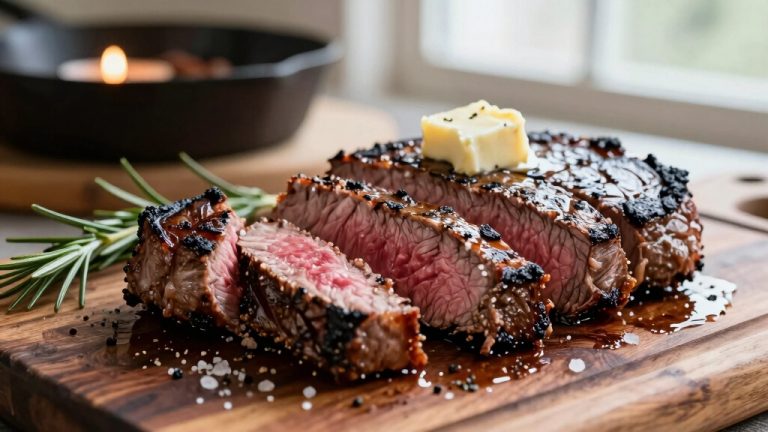
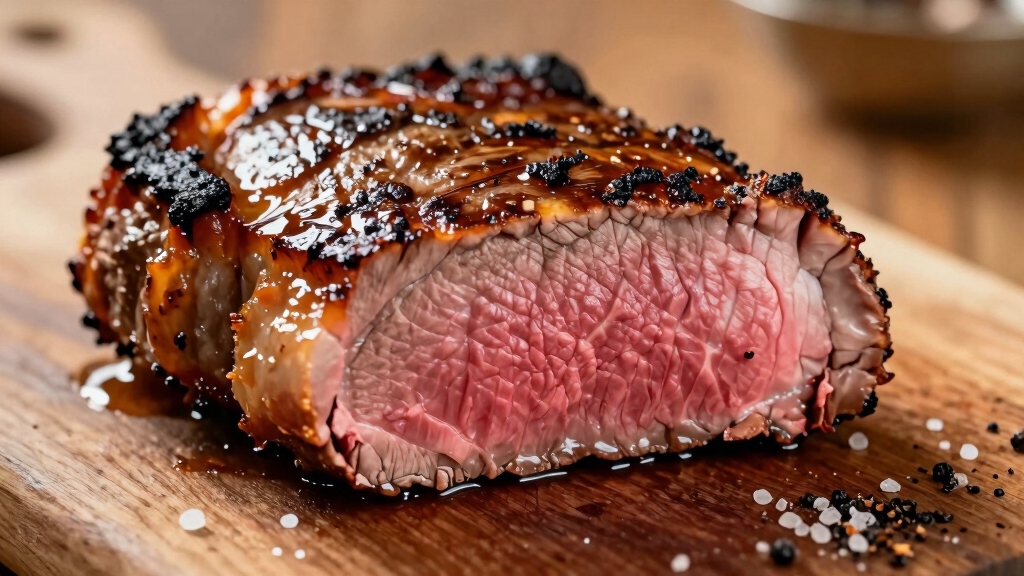
When you slice into a perfectly cooked beef shoulder steak, the tender fibers of the teres major muscle reveal a buttery texture that rivals pricier cuts.
Knowing how to identify and prepare this cut guarantees each bite bursts with rich, beefy flavor without toughness.
By seasoning thoughtfully and slicing against the grain, you transform this affordable steak into a melt-in-your-mouth experience.
This proves that tenderness isn’t just about the cut, but how you handle it.