Is Beef Brisket Healthy: What You Need to Know Before Eating
You get a nutrient-rich boost from beef brisket, packed with protein, vitamin B12, zinc, selenium, and essential amino acids that support your immunity and energy.
However, brisket also contains significant saturated fat and calories, especially when cooked, which you should monitor to maintain heart health.
Choosing lean cuts and controlling portions can help you enjoy its benefits without excess risks.
If you want a deeper look at how brisket’s nutrition and cooking impact your health, keep exploring.
Key Takeaways
- Beef brisket is nutrient-dense, providing high protein, vitamin B12, zinc, selenium, and essential amino acids supporting muscle and immune health.
- Cooking concentrates brisket’s protein and fat, offering about 281 calories and 8 g saturated fat per 3-oz serving.
- Monounsaturated fats in brisket contribute cardiovascular benefits, but saturated fat and cholesterol levels may raise heart disease risk if consumed excessively.
- Brisket contains no fiber or carbohydrates, so it should be balanced with vegetables and whole grains for digestive and blood sugar health.
- Choosing lean cuts, trimming fat, limiting portion sizes, and avoiding high-sodium preparations help reduce health risks associated with brisket consumption.
Key Nutrients That Make Beef Brisket Healthy

Although beef brisket is often recognized for its rich flavor, it also packs several key nutrients that contribute to its health benefits.
Beef brisket is prized not just for flavor but also for its valuable nutrients and health benefits.
You get about 20.7 grams of protein and 7.4 grams of fat per 100 grams of raw lean brisket, making it a solid protein source. It delivers more than 50% of your daily vitamin B12 needs, plus significant amounts of niacin and vitamin B6, which support energy metabolism.
You’ll also find important minerals like zinc (182% DV), selenium (148% DV), iron (91% DV), phosphorus (75% DV), and potassium (20% DV). The brisket provides beneficial fatty acids, including monounsaturated fats.
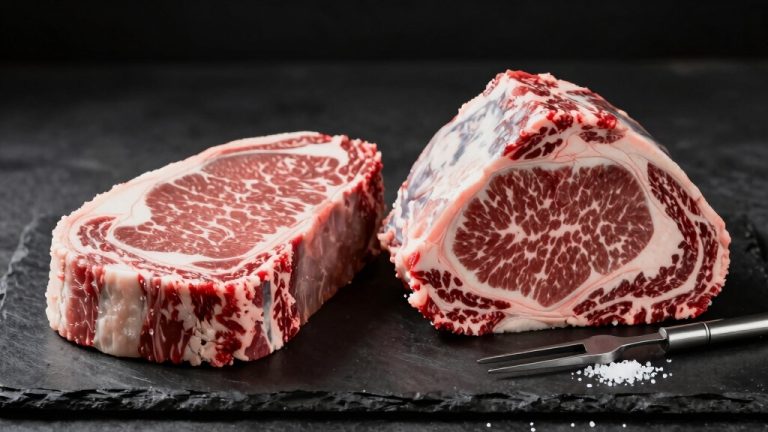
Keep in mind it contains saturated fat and cholesterol, so portion control is key. Overall, brisket offers a nutrient-dense option if you balance it within your diet. Choosing a brisket with good marbling enhances both flavor and juiciness, which can complement its nutrient profile.
How Brisket Boosts Your Immunity and Energy?
Boost your immune system and energy levels by including beef brisket in your meals. This nutrient-dense cut delivers key compounds that support your body’s defenses and vitality.
You benefit from:
- Zinc (45% DV per 3oz cooked): Enhances immune cell function and wound healing.
- Vitamin B12 (>50% DV per 100g raw): Crucial for red blood cell production and energy metabolism.
- Selenium (148% DV per 100g raw): Acts as a powerful antioxidant, protecting cells from damage.
- Complete amino acids like leucine (241% DV): Support muscle repair and energy generation.
These elements work synergistically to keep your immune system robust and sustain your energy throughout the day.
Including brisket in your diet guarantees you receive a balanced supply of essential nutrients critical for immunity and metabolic health. Proper storage in airtight containers helps preserve the nutritional quality of beef products.
How Cooking Changes Brisket’s Nutrition?
When you cook brisket, its nutritional profile shifts markedly due to changes in moisture content and fat rendering.
Cooking reduces water weight, concentrating protein, fat, and calories per serving. For example, a 3-ounce cooked brisket offers about 281 calories, higher than raw portions by weight.
Cooking brisket concentrates protein, fat, and calories by reducing water weight, making servings more calorie-dense.
Fat content changes as some fat melts away, but the proportion of saturated fat remains significant at 8 grams per serving.
Meanwhile, heat preserves most vitamins like B12 and niacin, though some water-soluble vitamins may slightly decrease.
Minerals such as zinc, selenium, and iron stay largely stable, maintaining brisket’s role in supporting immunity and oxygen transport.
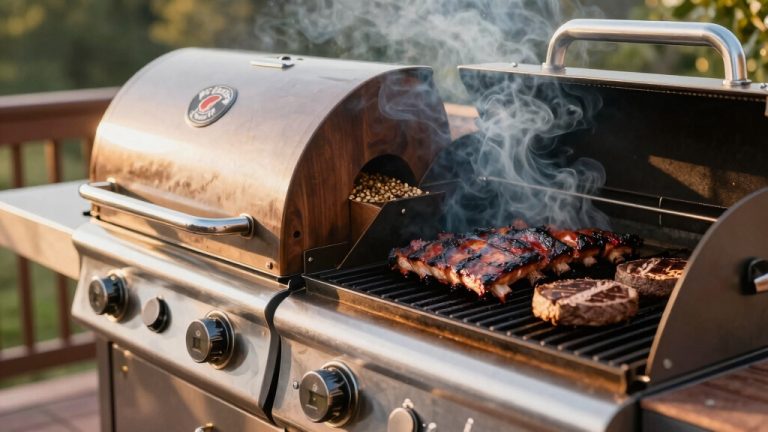
Cooking methods like braising or smoking can also influence sodium levels and overall fat content, altering brisket’s final nutritional impact.
Achieving the ideal internal temperature between 195–203°F during cooking not only affects tenderness but can also influence moisture retention and nutrient concentration.
Why Brisket’s Fat Content Should Matter to You?
Understanding how cooking alters brisket’s nutrition helps highlight an important factor: its fat content. Fat contributes greatly to brisket’s calorie load and impacts heart health. When you eat brisket, you’re consuming a mix of saturated, monounsaturated, and polyunsaturated fats, each influencing your body differently.
Consider these points about brisket’s fat content:
Saturated fat is relatively high, about 7.3g per 100g raw lean brisket, which can affect cholesterol levels. Monounsaturated fats offer cardiovascular benefits and make up 10-20% of brisket’s fat. Total fat varies with preparation; lean cuts have less fat than braised or smoked brisket.
Fat content affects calorie density, with cooked brisket reaching 68% of calories from fat per 3oz serving. Knowing this helps you make informed choices regarding portion sizes and cooking methods. Choosing between brisket grades like Prime, Choice, and Select can help align fat content with your health goals and cooking preferences.
Health Risks and Nutritional Pitfalls When Eating Beef Brisket
Although beef brisket offers valuable nutrients, it also carries health risks primarily due to its high saturated fat and cholesterol content.
Consuming brisket frequently or in large portions can raise your LDL cholesterol, increasing your risk of heart disease.
A 3-ounce cooked serving contains about 8 grams of saturated fat and 79 mg of cholesterol, which contributes markedly to daily limits.
Additionally, smoked or heavily seasoned brisket can have elevated sodium, potentially leading to hypertension.
Since brisket lacks fiber and contains zero carbohydrates, it doesn’t support digestive health or blood sugar regulation.
To minimize these pitfalls, choose lean cuts, trim excess fat, and limit portion sizes.
Balancing brisket intake with plenty of vegetables and whole grains helps mitigate associated health risks while enjoying its nutritional benefits.
It is also important to note that brisket’s higher fat content includes monounsaturated fats that may improve HDL cholesterol, especially when grass-fed.
Frequently Asked Questions
How Does Brisket Compare Nutritionally to Other Beef Cuts?
Brisket has more fat and calories than lean cuts like sirloin but provides similar protein levels.
It’s richer in saturated fat and cholesterol compared to leaner cuts but offers excellent micronutrients like zinc, selenium, and B vitamins.
If you want more flavor with nutrient density, brisket’s a solid choice, but it’s less lean than cuts like tenderloin or eye of round.
Preparation methods also affect its fat content markedly.
Can Brisket Be Part of a Weight Loss Diet?
If you’re aiming to shed pounds, brisket can fit your weight loss diet, but you’ll want to watch portions and preparation.
It’s high in protein, which helps keep you full, but also has a notable amount of saturated fat and calories, especially if it’s braised or smoked.
Choosing lean cuts and controlling added fats will help. Pairing brisket with low-carb veggies can keep your meal balanced and satisfying while supporting your goals.
What Are the Best Spices for Seasoning Brisket Healthily?
You’ll want to use spices like garlic powder, paprika, black pepper, and cumin for a flavorful, healthy brisket seasoning.
These add antioxidants and anti-inflammatory benefits without extra calories or sodium.
Fresh herbs like rosemary and thyme boost flavor while supporting digestion and immunity.
Avoid excessive salt or sugar-heavy rubs to keep it heart-friendly.
Combining these spices helps you enjoy brisket with a balanced, nutrient-rich profile.
Is Brisket Safe for People With Heart Conditions?
You should be cautious with brisket if you have heart conditions since a 3oz cooked serving contains about 8g of saturated fat, which is 40% of the daily value.
High saturated fat intake can raise cholesterol and impact heart health. However, brisket also provides beneficial nutrients like zinc and B vitamins.
If you enjoy it, opt for lean cuts and limit portion size while balancing with heart-healthy foods. Discussing with your doctor is also recommended.
How Long Can Cooked Brisket Be Stored Safely?
You can safely store cooked brisket in the refrigerator for 3 to 4 days.
Make sure to keep it in an airtight container or tightly wrapped to maintain freshness.
If you want to store it longer, freeze the brisket, and it’ll remain safe for up to 2 to 3 months.
Always reheat to an internal temperature of 165°F (74°C) before eating to guarantee safety and quality.
Savor the Power of Brisket—The Healthy Way
When you choose beef brisket wisely, it becomes a powerhouse fueling your immunity and energy. Keep in mind, cooking methods shape its nutritional value, while fat content plays a pivotal role in your health.
Like a double-edged sword, brisket offers both benefits and risks, so balance is key. By understanding these factors, you can savor brisket without compromising your well-being, making each bite a smart and satisfying choice.