How to Smoke Roast Beef? Tips for Tender, Juicy Results
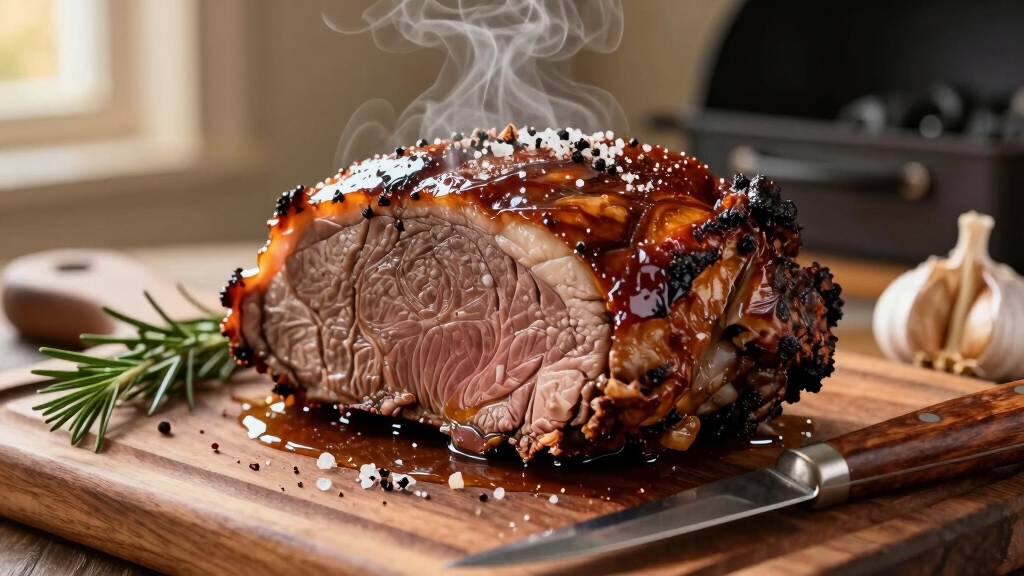
To smoke roast beef, start by selecting a well-marbled cut like brisket or chuck. Then pat it dry and season generously with a balanced rub including kosher salt, pepper, and herbs.
Bring the meat to room temperature before placing it in a preheated smoker set between 225–250°F. Use seasoned hardwoods like oak or hickory for clean smoke.
Monitor internal temperature closely and consider spritzing after the bark forms to maintain moisture. Wrapping helps retain juices and speed cooking.
Master these steps and your roast will be tender and flavorful; more tips will guide you through every stage for perfect results.
Key Takeaways
- Choose a well-marbled cut like brisket or chuck for tender, flavorful smoked roast beef with rich connective tissue breakdown.
- Preheat smoker to 225–250°F and maintain steady temperature for even cooking and optimal collagen rendering.
- Season roast with oil, Dijon mustard, and a dry rub of salt, pepper, brown sugar, herbs, cumin, and coriander for balanced flavor.
- Smoke roast until internal temperature reaches 195–205°F for tender shredded or sliced beef, then rest loosely tented 15–30 minutes.
- Use seasoned hardwoods like oak or hickory for clean, aromatic smoke that complements beef without overpowering its natural taste.
Choose the Best Cut of Beef for Smoking
Selecting the right cut of beef is essential to mastering smoked roast beef, as it directly influences texture, flavor, and cooking time.
Focus on larger primal cuts like brisket or chuck, rich in connective tissue and marbling, which break down during long, low-and-slow smoking to keep meat moist and tender. The ideal target internal temperature for brisket after smoking is 205°F, ensuring perfect tenderness. Maintaining a consistent smoker temperature between 225°F and 250°F is crucial for achieving this level of tenderness through proper collagen breakdown.
Brisket, with its intact fat cap, offers excellent self-basting and a distinctive bark, ideal for sliced or burnt ends.
Chuck roast provides a budget-friendly option, perfect for shredded beef due to its higher fat and shorter smoke time. Wrapping techniques can be used to shorten overall cooking duration and help retain moisture during smoking.
If you prefer leaner cuts for sliced roast beef, top round, sirloin, or tri-tip deliver robust flavor but require careful temperature control to avoid dryness.
Always consider cut size, fat content, and your intended serving style when choosing your beef. Using a brisket smoke time calculator can help plan your smoking session for best results.
Prepare and Season Your Roast Beef for Maximum Flavor
Once you’ve chosen the ideal cut of beef, the next step is to prepare and season your roast to maximize flavor. Start by brushing the roast evenly with olive oil, which helps the seasoning stick and forms a better bark.
Next, apply a thin layer of Dijon mustard as a secondary binder. Mix your dry rub—kosher salt, black pepper, brown sugar, herbs, and crushed cumin and coriander—for balanced flavor. Generously coat all surfaces, including edges. It is best to bring the roast to room temperature before cooking for even heat distribution. Patting the meat dry before applying the rub helps create a pellicle that improves rub adhesion.
Refrigerate the seasoned roast for at least one hour to allow flavors to penetrate.
| Step | Purpose |
|---|---|
| Olive Oil | Binds seasoning, enhances bark |
| Dijon Mustard | Secondary binder, flavor boost |
| Dry Rub Mix | Adds depth and complexity |
| Refrigeration Time | Infuses flavors uniformly |
Rest Your Meat Before Smoking: How Long and Why?
Allowing your roast beef to rest before smoking plays an essential role in achieving even cooking and consistent temperature throughout the meat.
Let your refrigerated roast sit at room temperature for 20–30 minutes to reduce the temperature gap between the surface and core, avoiding a cold center that delays cooking. This short rest also helps the meat start cooking more evenly by minimizing temperature shock. Keeping the meat at a safe temperature during this phase is important to prevent bacterial growth, which is why it’s advisable to keep this rest under 40 minutes.
Keep this rest under 40 minutes to minimize food-safety risks. This tempering step isn’t mandatory but helps control cook time and smoke penetration predictability.
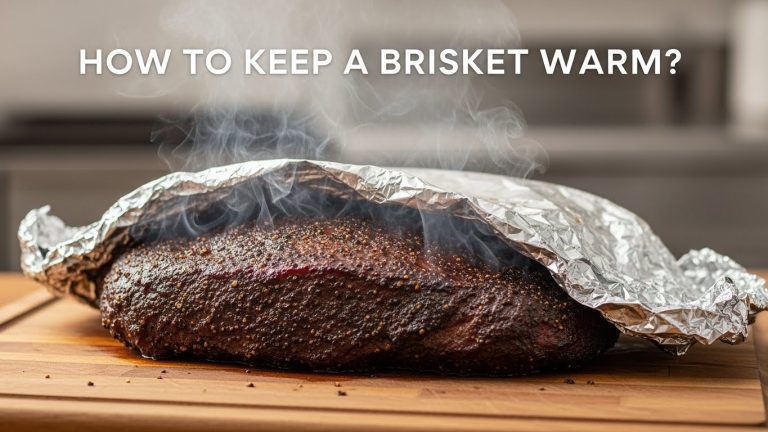
After smoking, resting the meat is equally important to redistribute juices, complete carryover cooking, and rehydrate gelatin for better tenderness and flavor. Resting also allows the carry-over cooking to finish gently, so the meat reaches the perfect doneness. Wrapping the meat loosely in foil during this period helps retain moisture and allows flavor to develop fully.
For medium roasts, rest 15–30 minutes loosely tented with foil, letting internal temperature rise 5–10°F.
These resting phases guarantee juicier, more evenly cooked roast beef every time. Extended resting beyond this time can enhance tenderness and flavor through moisture redistribution.
Set Up Your Smoker for Low-and-Slow Cooking
When you’re getting ready to smoke some meat, the first thing you want to do is set your smoker to a nice, steady temperature. Aim for somewhere between 225 and 275°F; that’s the sweet spot for traditional low-and-slow roasting. To help regulate this temperature and maintain humidity, it’s a good idea to place a drip pan filled with warm water inside your smoker. Using a water pan also helps with temperature stability during cold weather conditions.
Now, when it comes to choosing your hardwood chunks, take your time with it. You don’t want to just dump a bunch in all at once. Instead, add them gradually along the fire. This way, you’ll produce clean, consistent smoke that won’t overpower the flavor of your beef.
And don’t forget about managing the airflow and how you lay out your fuel. This is super important to keep that heat stable throughout the long cooking process. For example, arranging your briquettes in a 45-degree angled “snake” helps maintain snake combustion and steady heat. Trust me, it makes a world of difference!
Ideal Temperature Range
Although achieving the perfect smoked roast beef depends on many factors, setting your smoker within the ideal low-and-slow temperature range is essential for consistent results.
Aim for 225–250°F (107–121°C) to balance smoke exposure and cooking time effectively. Lower temps around 210–225°F (99–107°C) extend smoking for tender chuck roasts, while higher temps up to 275°F (135°C) speed cooking without sacrificing quality.
Follow these key points:
- Preheat your smoker to hold a stable 225–250°F before adding beef. Proper preheating also helps to start the seasoning process that prepares your smoker’s surfaces.
- Control airflow and fuel carefully to maintain steady heat and prevent bitter smoke.
- Limit lid openings to avoid temperature drops; spritz quickly every 45–60 minutes to keep moisture.
Using a digital thermometer with probes in the meat and smoker helps monitor internal and ambient temperatures accurately for best results.
Consistent temperature control guarantees even cooking and a tender, flavorful roast.
Wood Selection Tips
Maintaining a steady temperature sets the stage for great smoke flavor, but selecting the right wood shapes the character of your roast beef.
Choose seasoned hardwoods like oak, hickory, or pecan for a clean, long-lasting burn that complements beef’s richness. Red Oak, in particular, burns hotter and longer than softwoods, producing intense aromatic smoke that enhances beef flavor. Oak’s slow burn rate provides a steady release of smoke and heat, ideal for long smoking sessions.
Avoid softwoods such as pine or fir, which release acrid, sooty smoke.
For versatile flavor, blend oak with cherry or pecan to add mild fruitiness and nutty sweetness without overpowering the meat.
Use larger wood chunks or logs in your smoker to sustain a stable coal bed for low-and-slow cooking, reducing frequent refueling.
Make certain your wood is dry and free of bark or mold to prevent off-flavors.
Following these tips helps you craft a balanced, flavorful smoke profile tailored to your beef cut.
Maintaining Consistent Heat
Consistently holding your smoker’s temperature within the ideal low-and-slow range, typically between 225°F and 275°F (107°C to 135°C), is vital for achieving tender, flavorful roast beef with a well-developed bark. Recent best practices suggest focusing on the 250–275°F range as optimal for steady, efficient cooking, especially in pellet-style smokers. Regular maintenance, including cleaning and preventing rust, helps ensure your smoker performs reliably throughout the cooking process.
Focus on stability over exact numbers, allowing ±10–15°F fluctuations. Use a grate-level probe for accurate readings instead of lid thermometers.
To maintain consistent heat:
- Adjust only the intake vents in small increments; keep exhaust vents mostly open for airflow.
- Set up a controlled fuel layout like the Minion method to guarantee steady, long-lasting heat.
- Avoid frequent lid openings to prevent temperature swings and oxygen surges.
Patience is key. Wait 15–25 minutes after adjustments to see their effect before tweaking again.
Choose the Best Wood for Smoked Roast Beef
Select the right wood species to enhance the bold flavors of your smoked roast beef, as the type of wood you choose directly influences the taste and aroma of your final dish.
Opt for hardwoods like red oak, hickory, or mesquite. Red oak offers a balanced, medium-strong smoke that complements beef without overpowering it. It also burns steadily, providing consistent smoking that helps maintain flavor. Hickory, with its moderate hardness and steady burn, is ideal for long, slow smoking that enhances flavor depth and complexity.
For subtle sweetness and color, blend fruitwoods such as cherry or apple with your hardwood choice. Use large chunks or logs for steady, long-lasting smoke during extended roasting times.
Moderate your wood quantity to maintain consistent smoke without bitterness, ensuring your roast beef develops a rich, smoky complexity. Proper ventilation and smoke control are essential to avoid overpowering your meat with harsh flavors.
Maintain Smoker Temperature and Smoke Levels Throughout Cooking
Hey there! So, when you’re smoking your meats, it’s super important to keep an eye on that temperature. Aim to check your smoker’s temp every 20 to 30 minutes. You want to stay in that sweet spot between 225 and 250°F. Maintaining an even, consistent fire in the firebox is key for best temperature control.
Now, when it comes to adjusting the intake vents, take it slow. Make small adjustments and then give it about 10 to 15 minutes before making any more changes. This way, you won’t accidentally overshoot your target temp.
Oh, and don’t forget about the smoke! You’re aiming for that thin blue smoke. To achieve that, keep a small, active fire going. This will help you avoid those bitter flavors that can ruin your delicious meal. Happy smoking!
Monitor Temperature Consistently
Monitoring temperature throughout the smoking process is essential to achieving a perfectly cooked roast beef. Use reliable tools like dual-probe digital thermometers to track both the smoker chamber and roast’s internal temperature accurately.
Position the pit probe at grate level to reflect true cooking conditions, avoiding misleading readings from the lid or walls. Limit opening the smoker lid to prevent heat and smoke loss, grouping tasks to minimize disruptions. Additionally, adjusting the smoker’s air vents helps maintain a steady temperature without frequently opening the lid. It is also important to protect your smoker from moisture, as rainwater can cause temperature fluctuations that affect cooking consistency.
Always rely on thermometer readings instead of visual checks for doneness and temperature adjustments. To maintain consistent cooking conditions:
- Keep the smoker temperature steady between 225–250°F for even, low-and-slow cooking.
- Use instant-read thermometers to verify internal doneness quickly.
- Document temperature trends to refine future cooks and improve control.
Stay vigilant and precise to secure moist, tender roast beef every time.
Adjust Vents Gradually
Although it might be tempting to make large vent adjustments when temperatures fluctuate, making gradual changes to your smoker’s vents guarantees steadier control over both heat and smoke levels.
Adjust your intake vent in small increments of around 5–10%, waiting 10–15 minutes after each tweak to let the temperature stabilize before changing again. Using proper airflow management helps balance temperature and burn efficiency, especially when adapting to different fuel types.
Remember that the bottom vent functions as a crude regulator when up to temperature, so focus your larger adjustments there.
Close the intake slightly to slow combustion if the temperature rises, or open it incrementally to boost heat if it falls.
Keep the exhaust vent mostly open to maintain a clean draft; use it only for fine-tuning after intake adjustments.
Avoid rapid, frequent vent movements, as they cause temperature swings and longer recovery times.
Tailor your vent strategy to your smoker’s design and weather conditions, remembering that gradual adjustments prevent overshoot and keep your roast cooking evenly.
Control Smoke Intensity
Maintain a steady smoker temperature between 225°F and 250°F to produce clean, balanced smoke that enhances your roast beef’s flavor without overpowering it.
Temperatures above 275°F cause harsh, thick smoke, while below 200°F leads to smoldering and creosote buildup. To control smoke intensity effectively:
- Use grate-level or dual-probe digital thermometers to monitor pit and internal meat temps precisely.
- Add small, seasoned hardwood chunks frequently to maintain gentle, thin blue smoke; avoid large wood dumps.
- Ensure clean combustion by promoting airflow, organizing the firebed, and removing ash periodically.
When and How to Spritz Your Smoked Roast Beef?
Once the exterior of your roast beef has developed a firm bark, usually after 2 to 3 hours at low-and-slow temperatures, you can begin spritzing to enhance moisture and flavor. Spritzing helps make meat more tender by creating a moisture layer, prevents rub and spice drying out, and supports creating visually appealing, flavorful dishes.
Use a fine-mist spray bottle to apply about 10 light sprays evenly across all exposed surfaces, including edges, avoiding visible pooling.
Spritz every 30 to 60 minutes but limit to 1–3 total applications to prevent softening the bark or extending cook time.
Open the smoker lid briefly to minimize heat loss.
Start spritzing only after the bark is set and surface is dry, ensuring smoke flavor adheres well.
Choose liquids like apple cider vinegar or apple juice to add moisture and intensify smoke absorption without washing off seasoning or disrupting browning. Proper liquid choice balances acidity, moisture, and flavor, avoiding over-sugar or thick liquids that can burn best practices.
Wrap Your Roast to Lock in Moisture and Speed Cooking
When you wrap your roast beef during smoking, you lock in moisture and accelerate the cooking process by creating a humid, insulated environment around the meat. This traps steam and juices, producing a gentle braise that boosts tenderness and speeds through the stall. Wrapping also helps prevent the meat from drying out during long cooks by creating a steamy, humid environment.
Wrapping roast beef traps moisture and steam, creating a tender, accelerated cooking environment that helps push through the stall.
Choose your wrap carefully: foil seals tightly for maximum moisture and faster cooking but can soften bark if applied too early. Butcher paper lets some evaporation maintain bark texture. A foil-covered pan mimics direct wrapping but uses more smoker space.
To wrap effectively:
- Wrap tightly with double layers to prevent leaks and steam loss.
- Wait until the bark is firm and the internal temperature hits the stall zone (150–170°F).
- After wrapping, increase temperature moderately to finish cooking without drying the meat.
Check Internal Temperature for Perfect Doneness
When it comes to cooking your roast, having a reliable meat thermometer is key. You really want to keep tabs on that internal temperature to make sure it’s just right for your tastes. So, aim for those specific targets based on how you like your meat cooked.
Now, when you’re inserting the thermometer, make sure to poke it into the thickest part of the roast. Just a heads up: steer clear of any fat and bone, as they can mess with the readings.
Investing in a quality thermometer like a remote model from ThermoWorks or Maverick can make this process much easier and more accurate.
Once you’ve got that probe in place, check out a temperature guide to see when it’s time to either pull it off the heat or let it rest. Trust me, this kind of careful monitoring is what guarantees your smoked roast beef hits that perfect doneness every single time!
Ideal Temperature Targets
Although achieving the perfect smoked roast beef relies on more than just timing, monitoring the internal temperature is essential to hitting your desired doneness precisely.
Different cuts and textures require specific target temps to nail the ideal result.
- For rare to medium-rare roasts like top round or ribeye, pull at 120–135°F (49–57°C), anticipating a 5–10°F carryover rise during resting.
- Aim for 140–145°F (60–63°C) for medium slices with less pink, especially on ribeye or prime rib.
- For chuck-style pot roast tenderness, smoke to 195–210°F (91–99°C) to achieve shreddable, ultra-tender meat. The beefiest flavor is often found in cuts from the shoulder, such as chuck, which benefits from longer cooking times to render collagen and fat properly.
Always adjust your pull temperature based on cut and final texture, considering carryover cooking to avoid over- or undercooking.
Using A Meat Thermometer
Monitoring the internal temperature of your roast beef accurately relies on selecting and using the right meat thermometer.
Choose a leave-in probe thermometer to monitor continuously without opening the smoker. Alternatively, use an instant-read digital thermometer for quick spot checks.
Insert the probe into the thickest part of the roast, avoiding bone and large fat pockets to prevent skewed readings. Angle the probe toward the center of mass for irregular shapes. Remember that the core temperature will continue to rise by 6 to 8 degrees during resting, so plan accordingly.
| Thermometer Type | Best Use |
|---|---|
| Leave-in Probe | Continuous monitoring |
| Instant-read Digital | Quick spot checks |
| Analog Dial | Less precise, slower response |
| Oven-Rated Probe | Suitable if rated for smoker use |
Check temperature 30–60 minutes before estimated finish. Open the smoker briefly to minimize heat loss.
Temperature And Doneness Guide
When aiming for the perfect roast beef doneness, checking the internal temperature is essential to achieving your desired level of cook.
Use a reliable meat thermometer to monitor the temperature accurately as it guides you beyond guesswork. Remember, carryover cooking raises the internal temperature 5-10°F after removal from heat, so factor this into your target temperature. Smoked roast beef often benefits from a low-and-slow cooking approach to ensure even doneness and juiciness throughout.
Follow these key temperature guidelines:
- Rare: Pull top round or beef tenderloin at 120°-125°F; medium-rare at 130°-135°F.
- Medium: Aim for 145°F internal temperature.
- Well-done cuts like chuck roast require 195°-200°F for peak tenderness.
Rest your roast for at least 15 minutes to redistribute juices and complete the cooking process for perfect results every time.
Rest, Slice, and Serve Your Smoked Roast Beef With Sauces
Allowing your smoked roast beef to rest properly is essential for locking in juices and achieving ideal tenderness. This is especially important when smoking tougher cuts like chuck roast, which benefit greatly from resting and moisture retention.
Resting smoked roast beef is key to juicy, tender results.
Remove the roast from the smoker slightly below your target doneness to allow carryover cooking during the rest—about 25–60 minutes depending on size. Loosely cover it with foil or butcher paper to retain heat without steaming the bark. Resting near 145°F (63°C) helps redistribute moisture and relax muscle fibers.
When slicing, use a sharp, long-blade knife and cut against the grain for tender, easy-to-chew slices.
Serve immediately while warm, ideally above 140°F (60°C). Enhance flavor by spooning beef jus or pan juices over the slices.
For leftovers, reheat gently in foil at 300°F (150°C) to preserve moisture and smoke flavor without drying.
Frequently Asked Questions
Can I Smoke Roast Beef Using an Electric Smoker Instead of Charcoal or Wood?
Yes, you can smoke roast beef using an electric smoker.
Just preheat it to 225-250°F for consistent temperature control.
Add your preferred smoking chips like hickory or cherry to infuse flavor.
Use a meat probe to monitor internal temperature accurately, and place a water pan inside to maintain moisture.
This method guarantees even cooking and effective smoke absorption without the hassle of charcoal or wood.
How Do Weather Conditions Affect My Smoking Time and Temperature?
Humidity can slow your smoking time drastically, sometimes doubling it. In cold or windy weather, you’ll need to raise your smoker’s temperature to compensate for heat loss and extended cooking times.
Rain and moisture in the air also slow cooking noticeably, so keep your smoker dry and monitor temps closely. Conversely, hot, dry conditions speed things up, so watch your roast carefully to avoid overcooking and consider lowering your smoker temp.
Is It Necessary to Inject Marinade Into the Roast Before Smoking?
You don’t have to inject marinade into your roast before smoking, but it can help.
Injection adds moisture and flavor deep inside, especially for large, lean cuts that dry out during long, low-and-slow cooks.
If your roast is well-marbled and you control temperature well, surface seasoning alone often suffices.
Consider your cut’s size and leanness. Inject if you want extra juiciness and consistent flavor, but it’s not strictly necessary.
Can I Reuse Leftover Smoked Beef Fat or Drippings?
You can reuse leftover smoked beef fat or drippings, but you should handle them with care to maintain quality and safety.
Separate the solid fat from gelatinous juices, strain to remove burnt bits, and store in clean, airtight containers refrigerated below 40°F or frozen.
Reheat to at least 165°F before use to reduce risks. Avoid repeated reheating cycles to prevent off-flavors and oxidation. Portioning before freezing helps you do this efficiently.
What Side Dishes Pair Best With Smoked Roast Beef?
You’ll want sides that balance and complement smoky roast beef.
Creamy garlic mashed potatoes or cheesy dauphinois add richness and soak up juices.
Brighten your plate with a crisp green salad or tangy coleslaw to cut through fat.
Roasted root vegetables or honey-glazed carrots bring sweetness and depth.
For comfort, serve baked beans or cornbread to soak up smoky flavors.
These choices create a harmonious, flavorful meal every time.
Serve Your Smoked Roast Beef Like a Pro
You’ve mastered the art of slow-smoking roast beef, transforming a simple cut into a tender, smoky masterpiece.
While waiting patiently as the smoker works its magic, remember that rushing ruins texture and flavor. Resting before and after smoking creates a juicy contrast to the crisp, smoky crust you achieve.
By following each step carefully, you’ll serve slices bursting with bold flavor and perfect doneness. This is proof that patience and precision turn ordinary roast beef into extraordinary.