How to Smoke Chicken Breast: Perfectly Every Time
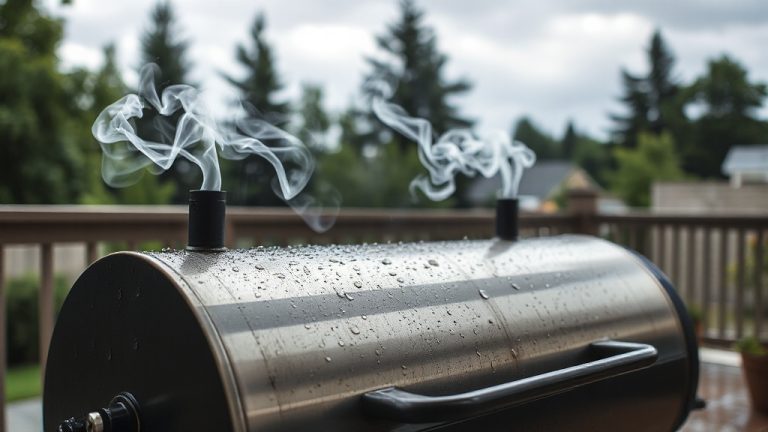
To smoke chicken breast, preheat your smoker to 225°F and maintain steady heat between 225–250°F.
Lightly oil and season boneless breasts with a dry rub. Smoke them on the grate until they reach 120–125°F.
Next, wrap them in buttered butcher paper and continue smoking at 250°F until they hit 160°F.
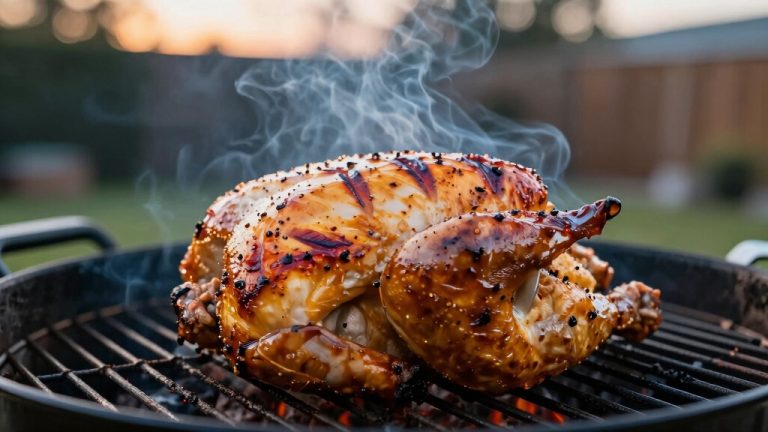
Let the chicken rest to lock in juices before serving. Follow these steps for tender, flavorful results and explore tips for perfect smoking technique.
Key Takeaways
- Preheat smoker to 225–250°F using fruitwoods like apple or cherry for mild smoke flavor.
- Season boneless, skinless chicken breasts with dry rub and let rest refrigerated for at least 30 minutes.
- Smoke chicken breasts at 225°F until internal temperature reaches 120–125°F, avoiding frequent smoker openings.
- Wrap breasts in butcher paper with butter, then continue smoking at 250°F until internal temperature hits 160°F.
- Rest smoked chicken tented in foil for 10 minutes to reach 165°F internally and retain moisture before serving.
Simple Smoked Chicken Breast Cooking Chart
| Main Term | Details |
|---|---|
| Recipe Name | How to Smoke Chicken Breast |
| Prep Time | 10–15 minutes |
| Resting (Seasoning) Time | 30 minutes (minimum) |
| Cook Time | 70–90 minutes total |
| Smoker Temperature | 225–250°F |
| Wood Type | Apple, Cherry, Pecan, Orange (fruitwoods) |
| Meat Type | Boneless, Skinless Chicken Breasts |
| Seasoning | Salt, Pepper, Garlic Powder, Paprika (Dry Rub) |
| Oil Used | Olive, Vegetable, or Canola Oil |
| Initial Smoking Temp Goal | 120–125°F internal |
| Wrapping Method | Butcher Paper + Unsalted Butter |
| Final Smoking Temp | 250°F |
| Final Internal Temp Before Rest | 160°F |
| Resting Time | 10 minutes (tent with foil) |
| Final Safe Internal Temp | 165°F |
| Best For | Juicy, Tender, Smoky Chicken Breast |
| Storage | Refrigerate 3–4 days, Freeze 2–3 months |
Preheat and Set Up Your Smoker

Before you start smoking your chicken breast, make sure to preheat your smoker to a steady 225°F.
Maintaining this temperature range between 225 and 250°F is vital for even cooking and optimal smoke absorption.
Select fruitwoods like pecan, apple, cherry, or orange to add a mild, complementary flavor without overpowering the chicken.
Before placing your chicken, grease the smoker grates lightly. This prevents sticking and ensures easy removal.
Arrange your heat source for indirect cooking so the chicken cooks gently and evenly without direct flames.
Monitor your smoker’s temperature carefully throughout the process, adjusting vents or fuel to keep it steady.
Proper setup at this stage lays the groundwork for tender, flavorful smoked chicken breasts.
Activate high smoke mode if available to intensify the smoky flavor and enhance the overall taste.
Prepare and Season Boneless Chicken Breasts
Start by selecting boneless, skinless chicken breasts, trimming any excess fat, and patting them dry with a paper towel to guarantee the seasoning adheres properly.
Next, lightly coat each breast with olive, vegetable, or canola oil to create a tacky surface that helps the rub stick evenly.
Apply your seasoning rub thoroughly on all sides, ensuring full coverage for consistent flavor.
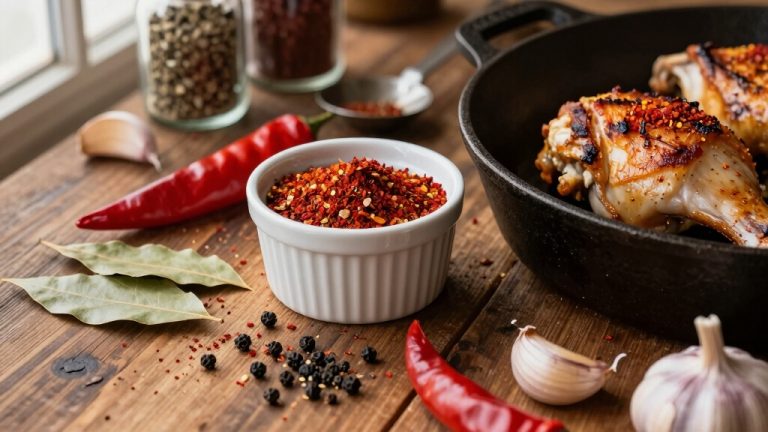
Use a balanced blend of salt, pepper, garlic powder, and paprika or your preferred spices.
After seasoning, let the chicken rest in the refrigerator for at least 30 minutes or up to several hours.
This resting period allows the flavors to penetrate the meat and improves the overall taste once smoked.
Proper preparation sets the foundation for a juicy, flavorful smoked chicken breast.
For best results, avoid wet marinades and opt for dry seasoning techniques to prevent sogginess and enhance flavor penetration.
Smoke Chicken Breast Slowly to 120-125°F Internal Temperature
Smoking the chicken breast slowly at a controlled temperature around 225°F guarantees even cooking and maximum flavor absorption.
Place the seasoned breasts directly on the preheated smoker grates, maintaining steady heat between 225-250°F. Use a leave-in thermometer to monitor internal temperature closely, aiming for 120-125°F before proceeding.
This step usually takes about 45-60 minutes, depending on breast size and smoker consistency. Smoking at this pace allows smoke to penetrate deeply, enhancing taste without drying the meat.
Avoid opening the smoker frequently, as temperature fluctuations can extend cooking time. Once the internal temperature reaches 120-125°F, your chicken breast is ready for the next phase.
This slow, precise method secures juicy, flavorful results while preparing the meat for finishing.
For best results, maintain a stable temperature by adjusting the burner and air shutter to ensure a steady blue flame throughout the smoking process.
Wrap Chicken in Butcher Paper With Butter and Finish Smoking
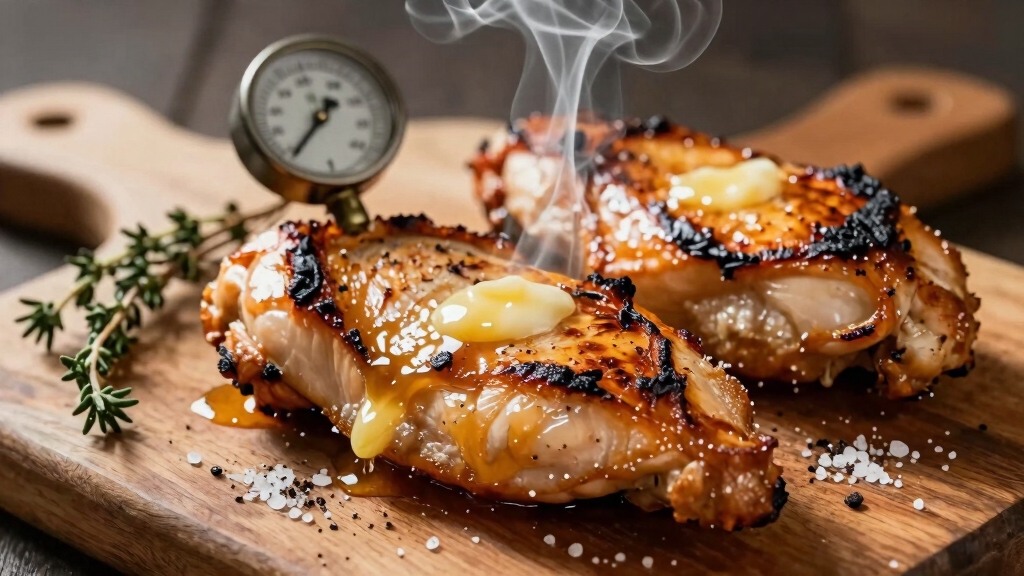
Once your chicken breasts reach an internal temperature of 120-125°F, wrap them tightly in butcher paper with thin pads of unsalted butter placed on top.
This technique locks in moisture and enhances flavor as the butter melts during the finish.
Then, return the wrapped chicken to the smoker set at 250°F. Continue smoking for 25-30 minutes until the internal temperature reaches 160°F.
Remember these key steps:
- Place buttered side up on the chicken breasts before wrapping to maximize basting.
- Wrap the butcher paper snugly but avoid compressing the meat.
- Monitor internal temperature with a leave-in probe to prevent overcooking.
This method guarantees juicy, tender chicken while preserving the smoky profile without risking mushiness.
Ensure you avoid temperatures above 400°F and direct flames to maintain the butcher paper’s integrity during cooking, as its heat resistance and durability are crucial for safe smoking.
Rest and Serve Your Smoked Chicken Breast
After removing the chicken breasts from the smoker at 160°F, let them rest tented loosely with foil for about 10 minutes. This resting period allows the juices to redistribute, ensuring moist and tender meat while the internal temperature rises to a safe 165°F.
Avoid removing the foil too early, as it helps retain heat without causing sogginess. When ready to serve, slice or shred the chicken as preferred. Serve immediately to enjoy the peak texture and flavor.
You can pair it with BBQ sauces like Kansas City or Teriyaki for enhanced taste. If not serving hot, cool the chicken quickly and refrigerate. Proper resting and serving techniques preserve the smoky flavor and juiciness you worked hard to achieve during the smoking process.
For optimal results, resting also allows moisture redistribution which enhances tenderness and flavor.
Frequently Asked Questions
Can I Smoke Chicken Thighs Instead of Breasts Using This Method?
Yes, you can smoke chicken thighs using this method, but expect some differences. Thighs have more fat and connective tissue, so smoke them at 225-250°F like breasts.
Allow extra time to reach an internal temperature of 175°F for tenderness. You might skip wrapping or adjust it since thighs stay juicier.
Use a leave-in thermometer to monitor temperature closely, and rest them after smoking for best flavor and texture.
What Is the Best Way to Store Leftover Smoked Chicken Breast?
The best way to store leftover smoked chicken breast is to cool it quickly.
Then place it in an airtight container or wrap it tightly with plastic wrap or foil.
Refrigerate within two hours of smoking to keep it safe.
It’ll stay good for 3-4 days in the fridge.
For longer storage, freeze the chicken in a sealed bag or container.
Use it within 2-3 months for the best flavor and texture.
How Do I Adjust Smoking Time for Frozen Chicken Breasts?
Don’t put the cart before the horse. Always thaw frozen chicken breasts before smoking.
Smoking from frozen drastically extends cooking time and risks uneven cooking.
Thaw them safely in the fridge 24 hours ahead.
Once thawed, follow your usual smoking method.
If you must smoke partially frozen, add at least 50% more time and monitor internal temperature closely to reach 160°F before wrapping and 165°F after resting for safety.
Can I Add Wood Chips During the Wrapping Phase for Extra Smoke?
You shouldn’t add wood chips during the wrapping phase because wrapped chicken traps moisture, limiting smoke penetration.
The purpose of wrapping at 120-125°F is to finish cooking with indirect heat and maintain juiciness, not to absorb more smoke.
Instead, focus on getting a strong smoke flavor during the initial unwrapped smoking stage at 225°F.
Adding chips later won’t enhance flavor and could create sogginess or bitterness.
What Seasoning Rubs Work Best for Smoked Chicken Breast?
Seasoning rubs are the secret handshake to smoked chicken breast’s flavor.
You’ll want blends with garlic powder, smoked paprika, onion powder, salt, pepper, and a touch of brown sugar to balance heat and sweetness.
For a kick, add cayenne or chili powder.
Herbs like thyme or rosemary work well, too.
Mix these well and apply evenly to get that perfect, savory crust that locks in smoky goodness every time.
Wrap, Rest, and Revel in the Results
Now that you know how to smoke chicken breast perfectly, imagine impressing friends at your next barbecue.
Like Sarah, who transformed simple chicken breasts into tender, flavorful bites by following these steps: slow smoking to 125°F, wrapping in buttered butcher paper, and resting before serving.
With practice, you’ll master this method, delivering juicy, smoky chicken every time. So fire up your smoker, season well, and enjoy the delicious results you’ve earned.