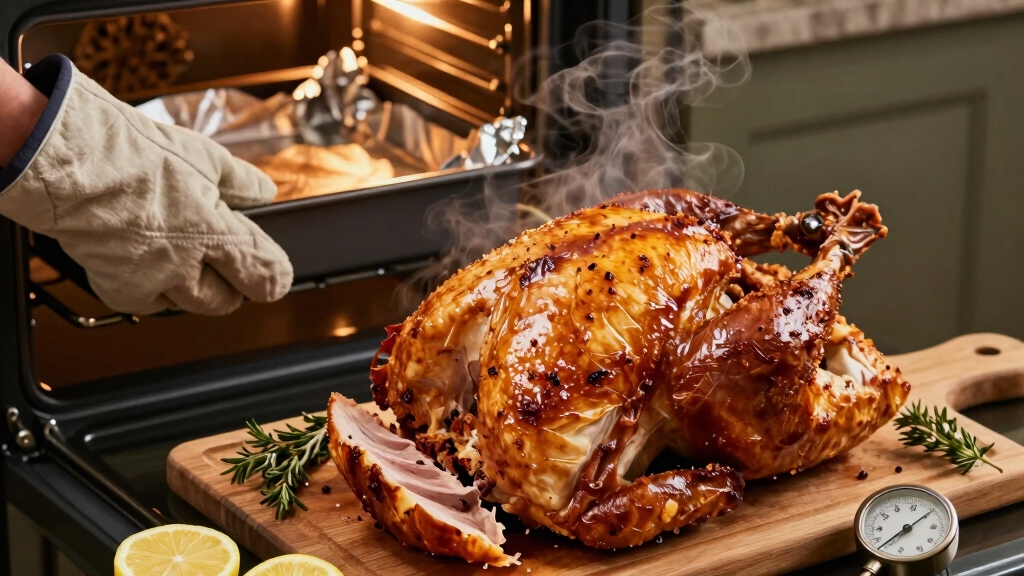
How to Reheat a Fried Turkey: Leftover, But Never Lackluster
To reheat your fried turkey without drying it out, start by thawing it safely in the fridge for 24–48 hours. Then, wrap it in foil with a bit of chicken broth to lock in moisture.
Heat at 300–350°F, removing the foil in the last 15–30 minutes to crisp the skin. Use a meat thermometer to guarantee the internal temperature hits at least 165°F.
Want to nail the perfect juicy, crispy turkey every time?
Key Takeaways
- Thaw fried turkey in the refrigerator 24–48 hours, keeping it sealed to prevent contamination and retain moisture.
- Reheat at 325°F covered with foil to preserve juiciness, removing foil in the last 15–30 minutes to crisp the skin.
- Add ½ cup chicken broth or water to the pan to maintain humidity during reheating and prevent dryness.
- Use a meat thermometer to ensure the internal temperature reaches at least 165°F for safe consumption.
- Rest the turkey about 2 hours at room temperature after thawing and briefly after reheating before serving.
How to Thaw Fried Turkey Safely?

Before you start reheating your fried turkey, you need to thaw it safely to preserve its flavor and texture.
The best way is refrigerator thawing, which takes 24 to 48 hours depending on size.
Keep the turkey sealed in its plastic bag to catch any juices and avoid cross-contamination.
If you’re short on time, try the cold water submersion method: immerse the turkey in cold water, changing it every 30 minutes.
This method takes about 30 minutes per pound.
Once thawed, let the turkey rest at room temperature for about two hours before reheating.
This resting period helps even out the temperature, ensuring the meat heats uniformly and retains juiciness.
Always prioritize safe thawing to avoid spoilage and maintain that delicious fried turkey taste.
For the safest results, cook the turkey immediately after using cold water thawing to prevent bacterial growth.
How to Reheat Fried Turkey Without Drying It?
Frequently, the biggest challenge when reheating fried turkey is keeping the meat juicy while restoring the crispy skin. To avoid drying out your turkey, you need to balance moisture retention with gentle reheating techniques.
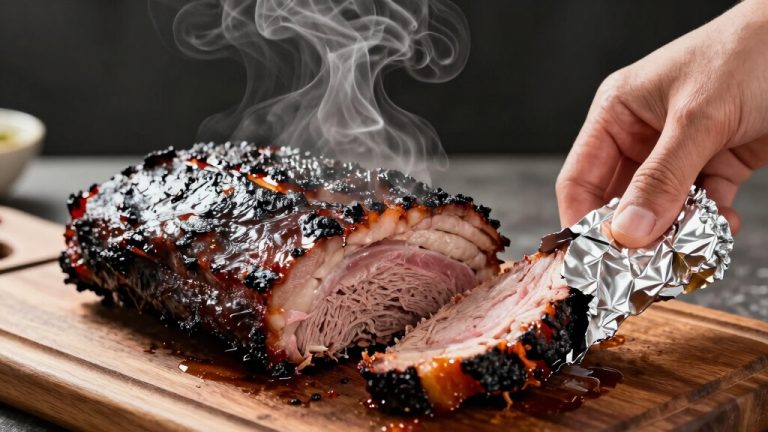
Start by wrapping the turkey in foil to trap steam and prevent moisture loss. Adding a shallow layer of chicken broth or water to the pan helps maintain humidity inside the foil. Finally, remove the foil briefly towards the end to let the skin crisp up without overcooking the meat.
- Wrap turkey in foil to lock in juices
- Add ½ cup chicken broth or water to pan
- Uncover turkey near the end for crisp skin
With these steps, you’ll enjoy tender, juicy meat and perfectly crisp skin every time. To ensure food safety, reheat the turkey until it reaches an internal temperature of at least 165°F to prevent undercooking.
Which Oven Temperatures Work Best for Reheating Fried Turkey?
When reheating fried turkey, choosing the right oven temperature is essential to preserve moisture and restore crispiness. A standard setting of 350°F works well for most, heating the turkey evenly within 60-75 minutes.
If you want a gentler approach, 200°F covered with foil takes about 45 minutes to an hour and helps retain juiciness. Starting at 325°F uncovered can kickstart heating, but be ready to cover with foil to lock in moisture.
For skin re-crisping without drying the meat, 300°F is a smart choice. Keep in mind that ovens vary, so monitor the turkey’s internal temperature, aiming for at least 160°F to ensure safety. Adjust temperatures slightly if your oven runs hot or cool to get perfect results every time.
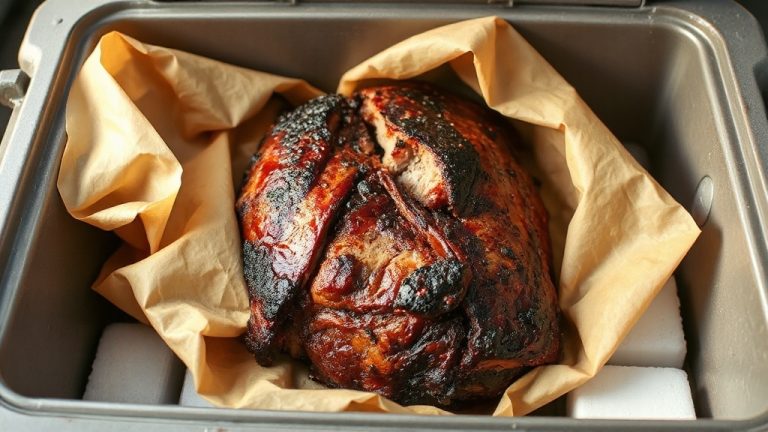
To maintain moisture and temperature stability during reheating, using proper wrapping and insulation techniques similar to those recommended for resting brisket can be very effective for turkey as well, such as wrapping in foil and insulating with towels to create a warm environment.
How to Achieve Crispy Skin When Reheating Fried Turkey?
Achieving crispy skin on your reheated fried turkey requires a careful balance between moisture retention and heat exposure.
To keep the skin crisp without drying out the meat, you’ll want to manage your reheating process thoughtfully. Start by reheating the turkey wrapped in foil at a moderate temperature to preserve juices.
Then finish with direct heat to crisp the skin perfectly. Here’s how to nail that crispy skin:
- Remove the foil during the last 15-30 minutes and switch to the broiler setting.
- Position the turkey uncovered so the heat directly reaches the skin.
- Use a 300°F oven temperature to gently crisp skin while avoiding dryness.
- This method guarantees your turkey tastes freshly fried with irresistibly crunchy skin.
Using an oven method with preheating and careful timing helps ensure even heating and crispiness.
How to Check Internal Temperature When Reheating Fried Turkey?
Accurately checking the internal temperature is essential to guarantee your reheated fried turkey is both safe and juicy.
Properly checking internal temperature ensures your reheated fried turkey is safe to eat and stays juicy.
Use a reliable meat thermometer and insert it next to the thigh bone for the most accurate reading. Aim for a minimum internal temperature of 160°F to assure safety, though some recommend 165°F for reheated poultry.
Avoid guessing; temperature variation between ovens can affect cooking times. Check the turkey during the last 10-15 minutes of reheating to prevent overcooking.
If the reading is below the target, continue heating, then recheck every 5 minutes. Once the right temperature is reached, let the turkey rest briefly to allow juices to redistribute. This step guarantees your turkey remains moist, flavorful, and safe to serve.
For the most precise results, insert the probe tip into the thickest part of the meat, avoiding fat pockets and bones, to ensure an accurate internal temperature reading.
Frequently Asked Questions
Can Fried Turkey Be Reheated in a Microwave Safely?
You can reheat fried turkey in a microwave, but it’s not the best method for keeping the skin crispy or the meat juicy.
Microwaves heat unevenly, which might leave cold spots and dry out the turkey. If you must, cover the turkey loosely, heat in short intervals, and check the internal temperature reaches 165°F for safety.
For better results, reheating in the oven helps maintain texture and flavor.
Is It Necessary to Baste Fried Turkey During Reheating?
No, you don’t need to baste fried turkey during reheating if you use the right techniques.
Wrapping the turkey in foil and adding a bit of chicken broth or water to the pan keeps it moist without extra effort. Basting can be messy and unnecessary since the foil traps steam.
Instead, focus on maintaining moisture and monitoring internal temperature to make certain juicy, flavorful results without drying out the meat.
How Long Can Reheated Fried Turkey Be Stored in the Fridge?
You can’t keep reheated fried turkey in the fridge forever. It’s not a time capsule!
Ideally, store it for no more than 3 to 4 days to avoid any risk of foodborne illness.
Make sure you refrigerate it within two hours after reheating, tightly wrapped or in an airtight container.
This keeps your turkey juicy and safe, letting you enjoy leftovers without worry or weird flavors creeping in.
Can Leftovers Be Frozen Again After Reheating Fried Turkey?
You shouldn’t refreeze leftovers after reheating fried turkey because it can affect quality and increase food safety risks.
Each time you cool, reheat, and freeze, the turkey loses moisture and texture, making it less enjoyable. Plus, bacteria can grow during temperature changes.
Instead, store any uneaten reheated turkey in the fridge and consume it within 3-4 days to make certain it stays safe and tasty.
What Side Dishes Pair Best With Reheated Fried Turkey?
Imagine a plate with golden, crispy reheated turkey surrounded by vibrant sides like creamy mashed potatoes, tangy cranberry sauce, and buttery green beans.
You’ll want classic comfort foods, roasted sweet potatoes with cinnamon, savory stuffing with herbs, and a fresh garden salad to balance rich flavors.
These sides complement the turkey’s texture and warmth, creating a comforting, satisfying meal that delights your taste buds and brings festive joy to your table.
Bring Back the Crunch: The Secret to Perfectly Reheated Fried Turkey
Reheating fried turkey doesn’t have to be a tough nut to crack. By thawing it safely, using the right oven temperature, and keeping moisture in mind, you’ll avoid drying out that juicy meat.
Don’t forget to crisp up the skin for that perfect bite and always check the internal temperature to keep things safe. Follow these tips, and you’ll enjoy leftovers that taste just as good as the first round!