How to Keep Ribs Warm: Lock in Flavor, Serve with Pride
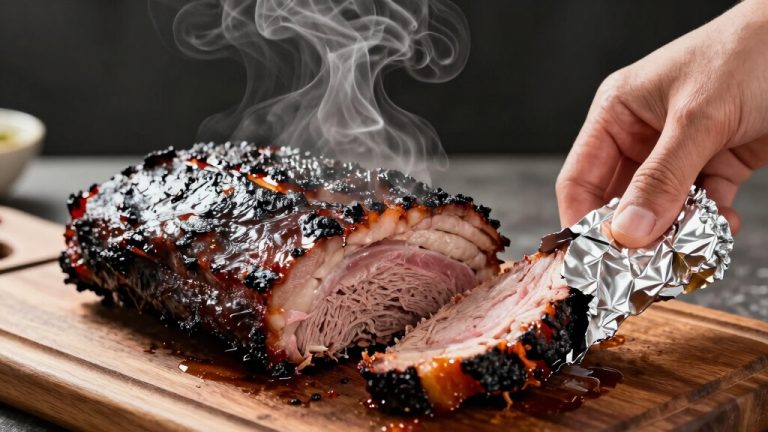
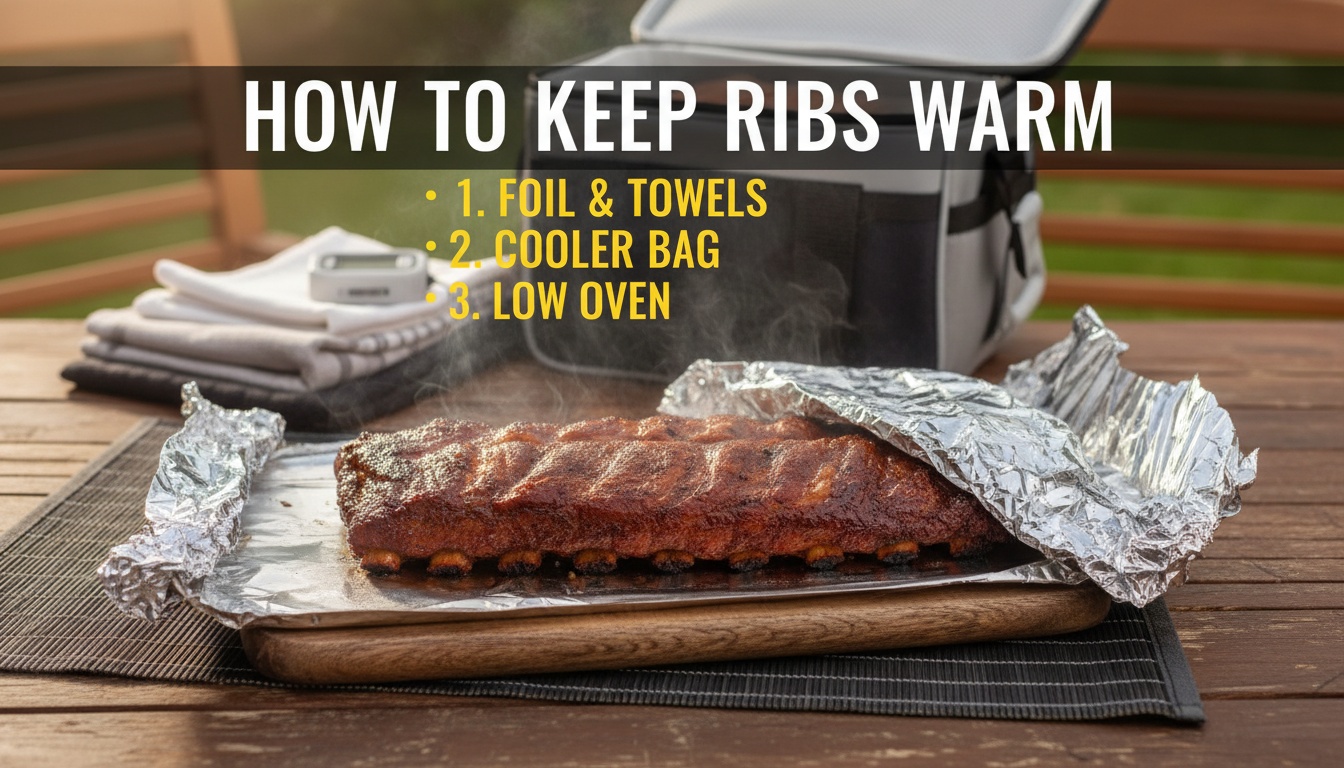
To keep ribs warm and juicy, first rest them uncovered for 5–10 minutes to let juices settle. Then wrap them tightly in heavy-duty foil to trap heat and moisture.
For hours-long holding, use a preheated cooler lined with hot towels or a low-temperature oven set between 170°F and 250°F, maintaining internal temps above 140°F for safety.
Avoid microwaves to prevent drying. Keep an eye on temperature to preserve tenderness and flavor. Discover more tips for perfect ribs ahead.
Key Takeaways
- Wrap ribs tightly in heavy-duty aluminum foil to trap heat and retain moisture effectively.
- Use a preheated cooler with hot towels (faux-Cambro method) to keep ribs above 140°F for several hours.
- Rest ribs uncovered for 5–10 minutes after cooking before wrapping to prevent condensation and soggy bark.
- Hold ribs in a low-temperature oven (170–250°F) with a water pan to maintain warmth and moisture.
- Monitor internal temperature regularly using a digital probe to ensure ribs stay above 140°F and safe to eat.
How to Wrap Ribs in Foil for Maximum Heat Retention?
To lock in heat effectively, start by wrapping your ribs tightly in heavy-duty aluminum foil.
Begin by securely wrapping ribs in heavy-duty foil to trap heat and keep them warm.
Make sure you cover every part of the meat with no gaps or loose areas to minimize heat loss.
For longer heat retention, double-wrap the ribs with a second layer of foil, creating extra insulation.
This technique alone keeps ribs warm for about 30 minutes, making it ideal for short-term holding.
If you plan to hold ribs longer, combine single foil wrapping with placement in a hot box or insulated container to extend warmth up to two hours.
Avoid loose, commercial food service films here, as they don’t provide the tight seal necessary for effective heat retention.
Mastering tight foil wrapping lays the foundation for keeping ribs hot and juicy before serving.
For even better results, consider wrapping ribs in foil combined with insulated containers to slow heat loss and maintain moisture.
Why Resting Ribs Before Holding Makes a Difference?
Although it might be tempting to wrap your ribs immediately after smoking, letting them rest uncovered for 5-10 minutes markedly improves texture and flavor.
This resting period allows carry-over cooking to finish gently, distributing heat evenly through the meat. It also lets the juices settle, preventing them from escaping when you wrap the ribs, which keeps the meat moist.
By stabilizing internal temperature and flavors before wrapping, you avoid soggy bark and enhance bite quality. Additionally, resting helps reduce condensation inside the foil, which can otherwise cause steaming rather than maintaining that desirable smoky crust.
Taking this brief pause assures your ribs retain their juiciness and flavor complexity throughout the holding process, making your final serving more enjoyable and tender. Wrapping after resting also helps push the cook through the stall temperature range, ensuring even tenderness and moisture retention.
Keep Your Ribs Warm for Hours Using a Cooler

Once your ribs have rested and are wrapped tightly in foil, maintaining their warmth for several hours becomes your next priority.
To do this effectively, preheat a cooler by filling it with hot water, then drain it completely.
Line the cooler’s bottom with hot, damp towels or heated bricks wrapped in foil to create an insulated environment.
Place your foil-wrapped ribs inside, cover with more hot towels, and seal the cooler lid tightly.
This faux-Cambro method keeps ribs above 140°F, preserving both temperature and food safety for up to six hours.
Using a digital thermometer through the cooler lid helps you monitor heat without opening it, preventing heat loss.
This technique guarantees your ribs stay juicy and warm until serving time.
For extended holding, adding a secondary layer of insulation such as extra towels or a secondary wrap around the foil helps maintain stable temperatures longer.
How to Hold Ribs Warm Safely in a Low-Temp Oven?
If you want to keep your ribs warm without drying them out, the best way to do it’s in a low-temp oven. Aim for a temperature between 170°F and 250°F. This range will help maintain the heat while keeping the meat juicy.
Now, here’s a tip: wrap those ribs tightly in some heavy-duty foil. This is key because it locks in moisture and prevents the ribs from cooking any further.
Just make sure to keep an eye on the oven temperature. You want it to stay consistent. And remember, it’s best to hold the ribs for no longer than four hours. This way, you can ensure they stay delicious and safe to eat!
To prevent any moisture loss during holding, consider placing a water pan inside the oven to maintain humidity.
Oven Temperature Settings
When you set your oven between 170°F and 250°F, you create a controlled environment that keeps ribs warm without cooking them further.
This low-temp range prevents drying while maintaining safe holding temperatures above 140°F. Always preheat your oven to stabilize heat before placing foil-wrapped ribs inside.
| Oven Temperature | Holding Time |
|---|---|
| 170°F | Up to 4 hours |
| 200°F | 3 to 5 hours |
| 250°F | 2 to 4 hours (max) |
Keep the ribs tightly wrapped in heavy-duty foil to retain moisture. Avoid higher temperatures as they risk drying out your ribs.
Consistent oven temperature guarantees quality and food safety during holding, making this method reliable for extended warm-holding periods. Using proper wrapping techniques and insulation helps maintain moisture and flavor during holding.
Wrapping Techniques
By tightly wrapping your ribs in heavy-duty aluminum foil, you lock in moisture and heat, essential for safe and effective holding in a low-temperature oven.
Make sure the foil is wrapped snugly around the ribs to prevent steam from escaping, which keeps the meat tender and juicy.
For longer holding, consider double-wrapping the ribs to enhance insulation and reduce heat loss.
Place the wrapped ribs on a baking sheet to avoid direct contact with oven surfaces, preserving even heat distribution.
Keep the oven temperature steady between 170°F and 250°F to maintain safety without overcooking.
Avoid loose wrapping or plastic films, as they don’t retain heat as effectively.
This method safely holds your ribs warm for several hours while preserving texture and flavor.
Maintaining internal temperatures above 140°F during holding is critical to ensure food safety and preserve meat quality.
Timing And Monitoring
Although maintaining a steady low temperature is essential, closely monitoring the ribs’ internal temperature guarantees they stay safe and juicy during holding.
Set your oven between 170-250°F, then use a digital thermometer to keep the ribs above 140°F, preventing bacterial growth. Preheat the oven to avoid temperature dips that cause drying.
| Task | Temperature Range | Monitoring Frequency |
|---|---|---|
| Oven Setting | 170-250°F | Continuous |
| Safe Holding Temp | Above 140°F | Every 30 minutes |
| Maximum Hold Time | Up to 4+ hours | Check periodically |
Checking often makes certain you catch temperature drops early, preserving moisture and flavor. Use a probe thermometer for real-time data without opening the oven, maintaining steady heat and perfect ribs.
Holding ribs at or above 140°F helps minimize bacterial growth risks during extended warm holding.
Best Ways to Reheat Ribs Without Drying Them Out
To keep ribs moist and flavorful during reheating, you’ll want to avoid high heat and rapid cooking methods that cause drying.
Avoid high heat and quick methods to keep ribs moist and flavorful when reheating.
Start by bringing your ribs to room temperature for even warming. Wrap them tightly in heavy-duty aluminum foil to lock in moisture.
Reheat in a preheated oven set between 250°F and 275°F until the internal temperature reaches about 140°F. This low, steady heat prevents drying while thoroughly warming the meat.
Avoid microwaves as they heat unevenly and dry ribs out. Alternatively, use a toaster oven or air fryer set to low heat, keeping ribs wrapped.
For best results, use a wire rack during oven reheating to improve airflow and maintain moisture balance.
Professional and DIY Methods to Keep Ribs Warm

Keeping ribs warm without sacrificing their texture and flavor calls for reliable methods you can trust, whether you’re a professional pitmaster or a home cook.
For short-term warmth, wrap ribs tightly in heavy-duty foil; double-wrapping extends heat retention.
Professionals often use heat lamps or commercial holding ovens with humidity control to preserve quality during extended holds.
At home, you can mimic this by preheating a cooler with hot water, then placing foil-wrapped ribs inside with hot, damp towels. This keeps ribs above 140°F for hours.
Alternatively, a low-temperature oven set between 170-250°F holds ribs safely without drying them out.
You might also use crock pots on low with BBQ sauce for added moisture.
These methods guarantee your ribs stay juicy and flavorful until serving.
To maintain consistent temperature and moisture during holding, using a water pan can help stabilize the environment and keep ribs tender.
Plan Your Cooking and Holding Schedule for Perfect Ribs
When you plan your cooking and holding schedule carefully, you make sure ribs reach the table at their peak texture and flavor.
Start by timing your cook to finish 4-5 hours before serving, allowing for proper resting and holding. Rest ribs uncovered for 5-10 minutes after smoking to stabilize flavors, then wrap tightly in foil to retain heat.
Use low-temperature ovens or preheated coolers to hold ribs safely above 140°F without drying them out. If you anticipate long holding, consider double foil wrapping or the faux-Cambro method with heated towels for extended warmth.
Avoid last-minute cooking; instead, bring ribs to room temperature before reheating to make certain of even warming and preserve moisture. Thoughtful scheduling eliminates rushed reheating and guarantees tender, juicy ribs at mealtime.
For consistent results, consider using a leave-in temperature probe to monitor internal heat during holding and ensure food safety.
Frequently Asked Questions
Can I Keep Ribs Warm Using a Slow Cooker or Crock Pot?
Yes, you can keep ribs warm using a slow cooker or crock pot.
Set it to the low setting and add a bit of BBQ sauce mixture to maintain moisture and flavor.
This method gently holds ribs at a safe temperature without drying them out, making it great for extended holding.
Just avoid high heat to prevent overcooking or drying the meat while keeping it ready to serve.
What Temperature Should Ribs Be Held at to Avoid Food Safety Risks?
You should hold ribs at a temperature above 140°F to avoid food safety risks.
Keeping ribs at or above this temperature prevents bacterial growth and guarantees they remain safe to eat during extended holding.
Use a digital thermometer to monitor the temperature consistently, especially if you’re using insulated coolers or warm ovens.
Holding ribs between 140°F and 170°F balances safety with preserving moisture and texture effectively.
How Do Heat Lamps Compare to Other Rib-Holding Methods?
Heat lamps provide consistent radiant heat, making them effective for holding ribs at serving temperature.
Compared to foil wrapping or cooler-based methods, heat lamps maintain warmth without wrapping but risk drying out meat if used too long.
Unlike ovens or insulated coolers, they offer quick access but less precise temperature control.
You’ll want to monitor ribs closely under heat lamps to prevent moisture loss while keeping them ready to serve.
Is It Safe to Wrap Ribs in Plastic Wrap for Holding?
You shouldn’t wrap ribs in plastic wrap for holding because it doesn’t retain heat properly and isn’t heat-safe.
Instead, use heavy-duty aluminum foil, which preserves temperature and moisture better.
Plastic wrap is more suited for short-term storage in the fridge, not warm holding.
For safe, effective heat retention, foil-wrapping combined with a warm box or oven set between 170-250°F works best, keeping ribs above 140°F to guarantee food safety.
What Are the Signs Ribs Have Been Held Too Long and Are Unsafe?
Did you know ribs held above 140°F can stay safe only for about 4 hours?
If your ribs have a sour smell, slimy texture, or odd discoloration, they’ve been held too long and are unsafe to eat.
Also, if the internal temperature drops below 140°F for extended periods, bacteria can multiply rapidly.
Trust your senses and temperature checks to avoid foodborne illness. Don’t take risks with ribs past their safe holding window.
Pro Tips for Perfectly Held & Reheated Ribs
Keeping your ribs warm doesn’t have to be a challenge. By wrapping them tightly in foil, letting them rest, or using a cooler or low-temp oven, you’ll lock in juiciness and flavor.
Reheating carefully guarantees they stay tender, avoiding the dry spell most dread. Plan your cooking and holding times like a pro, and you’ll have ribs so good they’ll disappear in the blink of an eye.
Keep these tips handy for perfect results every time.