How to Cook Deer Ribs: Perfect Venison Every Time
To cook deer ribs, first trim excess fat and cut into manageable sections.
Apply a dry rub with salt, pepper, and your favorite spices, then marinate briefly to tenderize.
You can slow-braise ribs covered in flavorful liquid at 300°F for 3–5 hours or use a pressure cooker at high pressure for 30 minutes.
Finish by smoking, grilling, or broiling to develop a savory crust and enhance flavor.
Keep going to discover all the techniques for perfect venison ribs.
Key Takeaways
- Remove backstraps and tenderloins, then cut ribs into 3–4 rib chunks, trimming excess fat and glandular pockets for better flavor.
- Apply a dry rub of salt, pepper, and BBQ spices before marinating ribs 30 minutes to 3 hours in acidic or saltwater brine.
- Slow cook ribs covered in a flavorful liquid at 300°F for 3–5 hours or use a crockpot on low for 5–6 hours until fork tender.
- For faster cooking, pressure cook ribs with broth for 30 minutes at high pressure, then naturally release to retain moisture.
- Finish by smoking at low heat for 1–2 hours, then grill or broil with light sauce for caramelized crust and enhanced flavor.
How To Prepare Deer Ribs For Cooking?
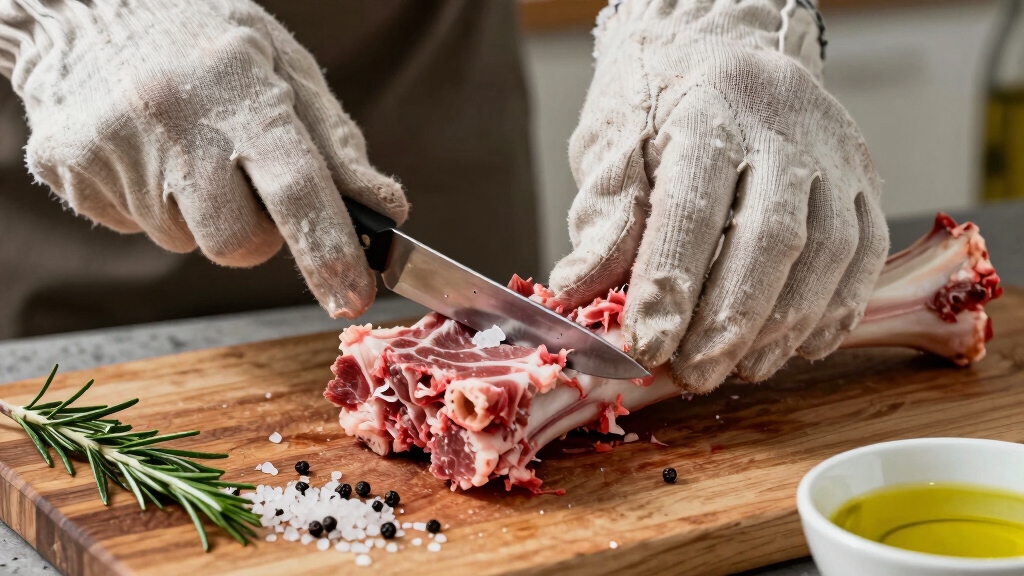
Start by carefully cutting the ribs from the deer after removing the backstraps and tenderloins.
Slice the top of the ribs parallel to the spine and the bottom parallel to remove the sternum cleanly.
Next, split each rack vertically in half, creating two large racks per side, four total.
For crockpot cooking, cut the racks perpendicular to the bones into 3-4 rib chunks that fit comfortably.
Trim thick chunks of fat, but avoid removing all fat, as some adds flavor and moisture.
Make sure you remove excess fat between bones to prevent puffing during cooking.
By following these precise steps, you’ll have well-prepared deer ribs that cook evenly and maintain texture.
This makes the next steps in cooking straightforward and effective.
It is also recommended to remove glandular fat pockets near the ribs to avoid any bitter or glandular tastes that can affect flavor.
Seasonings, Marinades, And Sauces For Deer Ribs
To bring out the rich flavor of deer ribs, you’ll want to layer your seasoning, marinades, and sauces thoughtfully. Start with a solid dry rub—salt, pepper, and your favorite BBQ rub applied liberally on both sides builds a flavorful bark.
Next, marinate the ribs for 30 minutes to 3 hours. Consider soaking them in saltwater mixed with milk or buttermilk to tenderize and add subtle richness.
Finally, finish with a sauce that complements but doesn’t overpower the meat. Here’s what to try:
- A jjajang BBQ sauce combining Worcestershire, gochujang, and jjajang paste for depth.
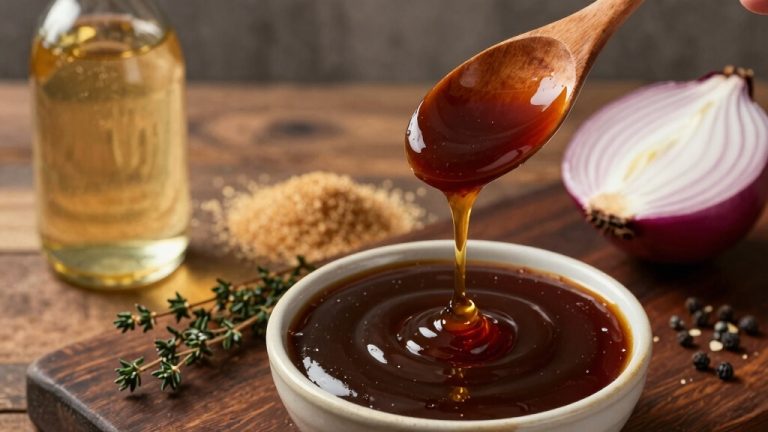
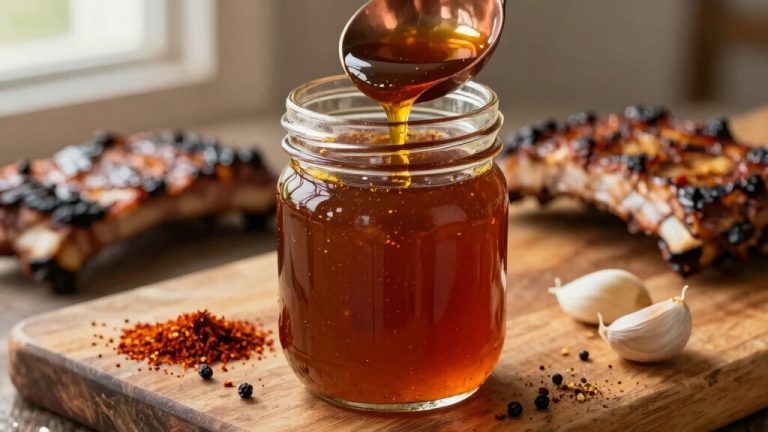
- A honey-based BBQ sauce brushed lightly with Frank’s RedHot for balanced heat.
- A mop sauce blending apple cider vinegar, apple juice, and spicy mustard for moisture and tang.
This approach highlights the gamey taste while enhancing tenderness and complexity. Using a spritzing technique during cooking can help maintain surface moisture and improve bark development for juicier ribs.
Slow Braising And Crockpot Methods For Tender Deer Ribs
Mastering slow braising and using a crockpot releases incredibly tender deer ribs by breaking down tough connective tissues through gentle, consistent heat.
Slow braising and crockpot cooking tenderize deer ribs by gently breaking down tough connective tissues.
Start by cutting ribs into 3-4 rib chunks to fit your crockpot or braising pan. Season thoroughly with salt, pepper, and your preferred dry rub.
For braising, sear ribs briefly under a broiler for color, then cover with flavorful stock and cook at 300°F for 3-5 hours until fork tender.
Alternatively, place ribs in the crockpot on low, adding apple cider vinegar, apple juice, Worcestershire sauce, and mustard.
Cook covered for 5-6 hours, ensuring ribs remain moist but intact. Avoid high heat or uncovered cooking to prevent drying.
Both methods yield moist, flavorful ribs ideal for finishing on the grill or broiler.
To maximize moisture retention and tenderness, allow the ribs to rest wrapped tightly and insulated for a short period after cooking to facilitate moisture redistribution.
Pressure Cooker Techniques For Quick Deer Rib Braising
While slow braising and crockpot methods provide tender results, pressure cooking offers a faster alternative without sacrificing flavor or texture.
Using a pressure cooker, you can braise deer ribs in about 30 minutes, achieving fork-tender meat with deep flavor infusion.
Follow these steps for best results:
- Season ribs liberally with salt, pepper, and your favorite dry rub. Sear briefly for color.
- Add broth or water to the cooker, covering ribs partially. Lock the lid and bring to full pressure.
- Cook at high pressure for 30 minutes, then allow a natural pressure release to keep ribs moist.
This technique breaks down connective tissue quickly, preserving tenderness while concentrating flavors efficiently. For best safety and quality, ensure any frozen ribs are thawed properly in the refrigerator at 34–40°F before cooking.
Finishing Deer Ribs With Smoking, Grilling, And Broiling
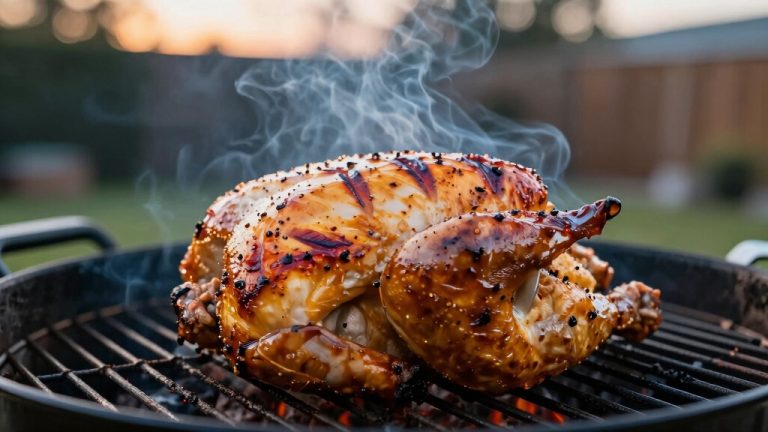
To finish your deer ribs perfectly, you’ll want to start by smoking them at a low heat for about 1 to 2 hours. This is where the magic happens—smoking allows the bones to loosen up, which makes for tender, flavorful meat.
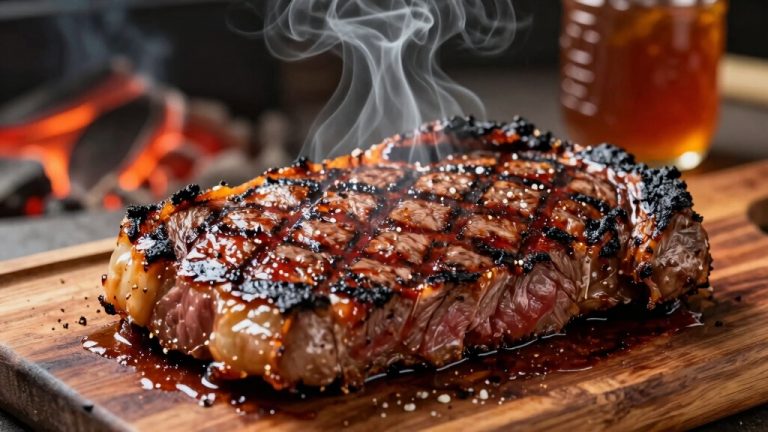
Once you’ve smoked them, it’s time to take it up a notch with some direct heat grilling. This step is all about caramelizing the exterior and creating that delicious, rich crust that everyone loves. Trust me, you don’t want to skip this part!
Finally, to really bring everything together, pop those ribs under the broiler for about 10 minutes. Just give them a light coating of your favorite sauce before broiling to add an extra layer of flavor and finish off the texture. You’ll be amazed at how good they turn out!
For best results, maintain a steady smoker temperature around 225°F to ensure even cooking and optimal smoke flavor infusion.
Low Heat Smoking
When finishing deer ribs, low heat smoking enhances tenderness and infuses deep smoky flavors that complement the meat’s natural richness.
To achieve the best results, follow these steps:
- Preheat your smoker to 225-250°F. This range allows the ribs to cook slowly and absorb smoke without drying out.
- Use hardwoods like hickory or fruitwoods such as apple for a balanced, savory smoke flavor that pairs well with venison.
- Smoke the ribs for 1.5 to 2 hours, maintaining consistent temperature and moisture by occasionally spritzing with apple juice or a vinegar-based mop.
This gentle smoking process softens connective tissue and develops a smoky bark, making your deer ribs tender and flavorful without overpowering their natural taste. For a versatile and steady smoke, consider adding oak wood to your smoking mix, as it provides a medium smoky taste that enhances meat flavor without overwhelming it.
Direct Heat Grilling
Grill your deer ribs over direct heat to quickly caramelize sauces and develop a flavorful crust that enhances the meat’s natural richness.
After braising or slow cooking, place the ribs directly above hot coals or gas flames.
Maintain a medium-high temperature to avoid burning, about 400°F is ideal.
Turn the ribs frequently, allowing each side 2-3 minutes to develop an even char.
Brush with your favorite sauce sparingly during the last few minutes to prevent burning while intensifying flavor.
This technique seals in moisture and adds a smoky, caramelized texture.
Keep a close eye on the ribs to prevent flare-ups caused by dripping fat.
Once the crust is firm and glossy, remove ribs promptly to rest before serving.
This ensures juicy, tender results with a satisfyingly crisp finish.
For optimal tenderness and moisture retention, consider wrapping the ribs during cooking to manage the stall temperature and accelerate the process.
Broiling With Sauce
After finishing your deer ribs over direct heat, applying a sauce under the broiler intensifies flavor while creating a glossy, caramelized crust.
Broiling with sauce is a quick method to add a finishing touch that balances savory and sweet notes.
To broil your ribs effectively:
- Brush a thin layer of your chosen sauce evenly on both sides to prevent burning.
- Place the ribs on a broiler pan about 4-6 inches from the heat source.
- Broil for 3-5 minutes per side, watching closely to avoid charring.
This technique enhances flavor complexity and texture, giving your deer ribs a professional finish.
Use a honey-based or jjajang BBQ sauce for best results, applying lightly to preserve the rub’s bark underneath.
For optimal bark retention, avoid applying overly sugary or watery sauces before broiling to prevent sticky, uneven crust.
Tips And Tricks To Boost Deer Rib Flavor And Tenderness
If you want to take your deer ribs to the next level in terms of flavor and tenderness, you might want to start with a good marinade. Just let them soak in a saltwater solution or buttermilk for anywhere between 30 minutes to 3 hours. This not only helps to lock in moisture but also adds some great taste to the meat.
After marinating, it’s time to think about cooking methods. Slow braising is your best friend here. Whether you choose the oven or a crockpot, cooking at low temperatures will really help break down that connective tissue without drying out the meat.
Trust me, these steps will ensure your ribs come out juicy and packed with deep, rich flavors that everyone will love! Using a brining process can similarly enhance moisture retention and flavor penetration in the meat.
Optimal Marinating Techniques
While marinating isn’t mandatory, it markedly enhances the flavor and tenderness of deer ribs by allowing seasonings to penetrate the meat and break down tough fibers.
To optimize your marinade:
- Choose the right base: Use acidic liquids like buttermilk or milk, which gently tenderize while adding subtle flavor. Saltwater brines also help retain moisture.
- Timing matters: Marinate ribs in the refrigerator for 30 minutes up to 3 hours. Longer times risk mushy texture; shorter times mightn’t fully tenderize.
- Apply the rub first: Season ribs with salt, pepper, and your favorite dry rub before marinating. This guarantees a flavorful bark and better seasoning absorption.
Including saltwater brines in your marinade can also help retain moisture and improve juiciness in slow-cooked meats.
Stick to these steps to boost flavor while maintaining a pleasant, tender bite in your deer ribs.
Effective Braising Methods
Marinating sets a strong foundation, but braising takes your deer ribs to the next level by breaking down tough connective tissues and infusing deep flavor.
Start by searing the ribs under a broiler for 2-3 minutes per side to develop color. Then cover them in a flavorful liquid, such as stock, apple cider vinegar mixture, or root beer, and braise at 300°F for 3-5 hours until fork tender.
Alternatively, use a crockpot on low for 5-6 hours or pressure cook at full pressure for 30 minutes to speed the process. Keep the ribs covered to retain moisture.
Layering butter, caramelized onions, and garlic during slow cooking enhances richness. These methods guarantee tenderness while preserving the rub’s bark and intensifying the natural venison flavors for a perfectly balanced dish.
Frequently Asked Questions
Can You Freeze Deer Ribs Before or After Cooking?
You can freeze deer ribs both before and after cooking.
If freezing raw ribs, wrap them tightly in plastic wrap and aluminum foil or vacuum-seal to prevent freezer burn.
Cooked ribs should cool completely, then wrap and freeze similarly.
Label with dates to monitor freshness.
When ready, thaw in the refrigerator for 24 hours before cooking or reheating.
Freezing preserves flavor and texture but avoid long storage to maintain quality.
How Long Can Cooked Deer Ribs Be Safely Stored?
Imagine you cooked a batch of deer ribs for a weekend barbecue.
You can safely store those cooked ribs in the refrigerator for 3 to 4 days.
If you want to keep them longer, freeze them in airtight containers or vacuum-sealed bags.
They’ll last up to 3 months without losing quality.
Always cool ribs quickly before refrigerating and reheat thoroughly to avoid any foodborne risks.
What Side Dishes Pair Best With Deer Ribs?
You’ll want sides that balance deer ribs’ rich, gamey flavor. Go for smoky baked beans, creamy coleslaw, or roasted root vegetables to add earthiness.
Cornbread or garlic mashed potatoes bring comforting textures. A bright salad with citrus or vinegar-based dressing cuts through the fat beautifully.
Pickled vegetables or tangy BBQ sauce also complement ribs well. These choices enhance your meal without overpowering the delicate venison taste.
Are Deer Ribs Safe for Children and Pregnant Women?
You can serve deer ribs to children and pregnant women, but you need to make certain they’re fully cooked to avoid harmful bacteria or parasites.
Slow-cooking until fork-tender and reaching a safe internal temperature is essential. Trim excess fat to enhance digestibility.
Avoid undercooked or smoked ribs that might carry risks. When properly prepared, deer ribs offer a nutritious option, but always prioritize thorough cooking and hygiene for their safety.
How to Tell if Deer Ribs Are Fully Cooked?
You’ll know deer ribs are fully cooked when the meat easily pulls away from the bone, which usually takes 3-5 hours braising at 300°F or 5-6 hours on low in a crockpot.
Studies show slow cooking at low temperatures breaks down tough connective tissue, making ribs tender.
Use a fork to test tenderness; if it slides in smoothly and the ribs aren’t rubbery, they’re done and safe to eat.
Impress with Every Bite: Your Guide to Venison Ribs
Cooking deer ribs can be incredibly rewarding, especially knowing venison contains up to 40% less fat than beef. This makes it a leaner, healthier choice.
By properly preparing, seasoning, and using slow braising or pressure cooking, you’ll achieve tender, flavorful ribs every time.
Don’t forget to finish with smoking or grilling to enhance taste. With these techniques, you’ll impress yourself and your guests while enjoying a nutritious, delicious meal.