How to Cook Beef Back Ribs: Easy Step-by-Step Guide
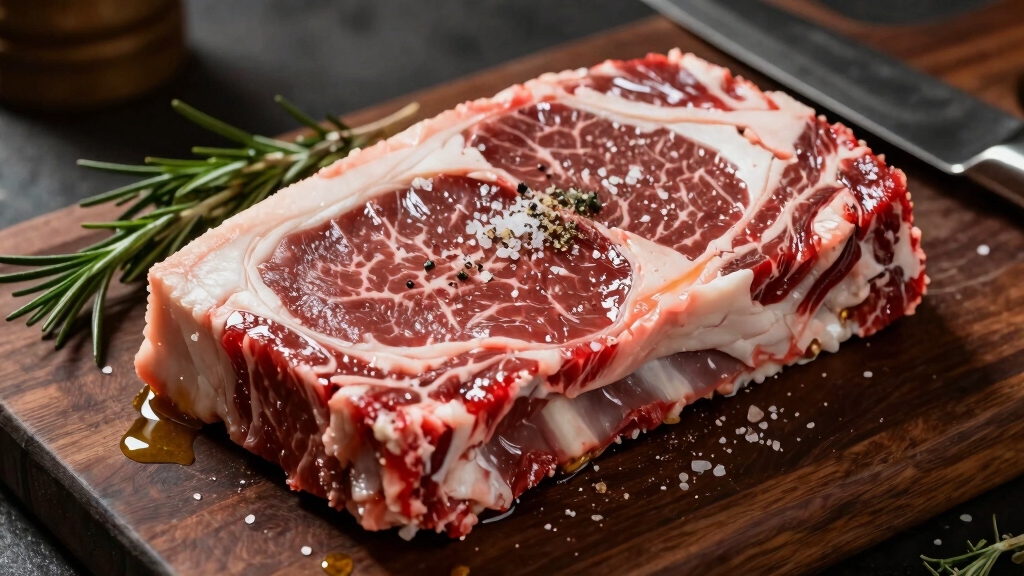
To cook beef back ribs, start by trimming excess fat and coating them with yellow mustard or olive oil so your rub sticks well.
Apply a flavorful rub with smoked paprika, garlic, and pepper, then let the ribs rest at room temperature.
Choose your method: smoke low and slow at 225°F for up to 6 hours for tender, smoky ribs; grill indirectly at 250°F for quicker results with a char; or oven-bake at 275°F wrapped in foil.
Each method guarantees juicy, tender ribs. Keep going to master seasoning and precise timing for perfect results.
Key Takeaways
- Season beef back ribs with a mustard-based rub containing smoked paprika, garlic powder, salt, and pepper for enhanced flavor and adhesion.
- Choose a cooking method: smoking (225°F–250°F), indirect grilling (250°F), oven baking (275°F), or braising (325°F) based on time and desired tenderness.
- Cook low and slow to break down collagen, wrapping ribs in foil during the final hour to retain moisture and ensure tenderness.
- Finish ribs by unwrapping, applying sauce, and caramelizing under high heat (broiler or grill) for 3–15 minutes to develop a flavorful crust.
- Let ribs rest for 10 minutes after cooking to redistribute juices and achieve melt-in-the-mouth tenderness before slicing.
How to Choose the Best Cooking Method for Beef Back Ribs?

Selecting the best cooking method for beef back ribs depends on your available time, desired flavor profile, and kitchen setup.
Choosing the perfect beef back ribs method hinges on your time, taste, and kitchen tools.
If you want smoky depth and have several hours, smoking at 225°F with wood chips is ideal.
For faster results with a grilled char, indirect grilling at 250°F works well, adding a final high-heat glaze.
When you prefer convenience and consistent results, oven-baking at 275°F offers tender ribs with easy temperature control.
If you crave rich, fall-off-the-bone tenderness and a hearty sauce, braising at 325°F in a Dutch oven is your best choice.
Consider your equipment and patience level to select the method that suits your taste and schedule, ensuring peak tenderness and flavor every time.
Maintaining a steady smoker temperature between 225°F and 250°F is key to developing a flavorful crust if you choose smoking as your method.
How to Season Beef Back Ribs for Maximum Flavor?
Alright, let’s kick things off by mixing up some essential spices. You’ll want to grab smoked paprika, garlic powder, onion powder, salt, and black pepper. Combine these to create a balanced rub that’s bursting with flavor.
Now, before you get to the fun part of applying the rub, take a moment to coat your beef back ribs with either olive oil or mustard. This little step helps the rub stick better and lets those delicious flavors really penetrate the meat.
And here’s a pro tip: for the best results, let those seasoned ribs marinate for at least 15 minutes, or if you have the time, even up to 2 hours. This will really enhance the flavor absorption and make your ribs even tastier! Enjoy the process!
To maximize flavor penetration and crust development, be sure to pat your ribs dry and apply the rub firmly for better adhesion before cooking.
Essential Spice Ingredients
When you want to bring out the best flavors in beef back ribs, a well-balanced spice rub is key. Start with smoked paprika, garlic powder, onion powder, salt, and black pepper as your base.
These create depth and a savory foundation. Add cumin and dry mustard for earthiness and subtle heat. To elevate complexity, include coriander, cayenne, or allspice sparingly, balancing heat and aroma.
For a touch of sweetness, dark brown sugar or chili powder works well. Before applying, lightly coat the ribs with olive oil or Worcestershire sauce to help the rub adhere evenly.
Rub the spices thoroughly on both sides, ensuring full coverage. This blend will penetrate the meat during slow cooking, maximizing flavor without overpowering the natural beef taste. Using a dry rub with minimal sugar helps enhance beefy notes without burning, especially important for back ribs.
Marinating Techniques
Mastering marinating techniques releases deeper flavor and tenderness in beef back ribs.
Start by coating the ribs with a thin layer of olive oil or yellow mustard; this helps the spice rub adhere evenly.
Use a well-balanced dry rub combining smoked paprika, garlic powder, onion powder, salt, pepper, and complementary spices like cumin or dry mustard.
Apply the rub generously on both sides, massaging it into the meat.
Let the ribs marinate for at least 1–2 hours in the refrigerator, or if short on time, allow 15 minutes for the rub to adhere properly.
This marinating step not only seasons the meat thoroughly but also enhances moisture retention during slow cooking.
This ensures your ribs come out flavorful and tender every time.
For an added layer of flavor and moisture, consider using a spritzing technique during cooking to keep the surface hydrated and enhance bark development.
How to Grill Beef Back Ribs Step-by-Step?
Alright, let’s get started with grilling those beef back ribs! First things first, you’ll want to trim off any excess fat. This helps the ribs cook evenly and prevents them from becoming too greasy.
Once that’s done, it’s time to slather on a well-balanced spice rub. You can really make it your own here—just make sure it has a good mix of flavors!
Now, let’s talk about the grill. Preheat it for indirect cooking at 250°F. I recommend using oak or hickory wood because they add such a nice smokey flavor without getting too hot.
Once your grill is ready, lay those ribs on the grates with the meaty side facing up.
You’ll want to let them cook for about 2.5 hours. Keep an eye on the temperature, and remember that patience is key here!
After that initial cooking time, we’ll get into some timing and foil-wrapping techniques. This step is crucial for ensuring your ribs turn out tender and juicy. Trust me, you won’t regret it!
Maintaining a consistent smoker temperature helps ensure even cooking and enhances flavor development.
Preparing Ribs Properly
Kick off your grilling session by preheating your grill to 250°F. Set it up for indirect cooking with oak or hickory wood to infuse rich flavor.
While it heats, trim any hard fat from the ribs but keep the membrane intact to hold the rack together. Apply a thin coat of olive oil or Worcestershire sauce to help your spice rub adhere.
Mix your rub—onion powder, cumin, dry mustard, and other spices—and season both sides evenly. Let the ribs rest at room temperature for about 15 minutes to absorb the flavors.
Position the ribs meaty-side up on the grill grates away from direct heat. This preparation guarantees your beef back ribs develop tender, flavorful meat ready for slow, controlled cooking.
During cooking, consider wrapping the ribs once they reach the stall temperature to retain moisture and speed up the cooking process.
Grilling Techniques And Timing
With your ribs properly prepped and seasoned, you’re ready to focus on grilling techniques that guarantee tender, flavorful results.
Preheat your grill to 250°F for indirect cooking, adding oak or hickory wood for smoke. Place the ribs meaty-side up on the grates and cook for 2.5 hours without disturbance.
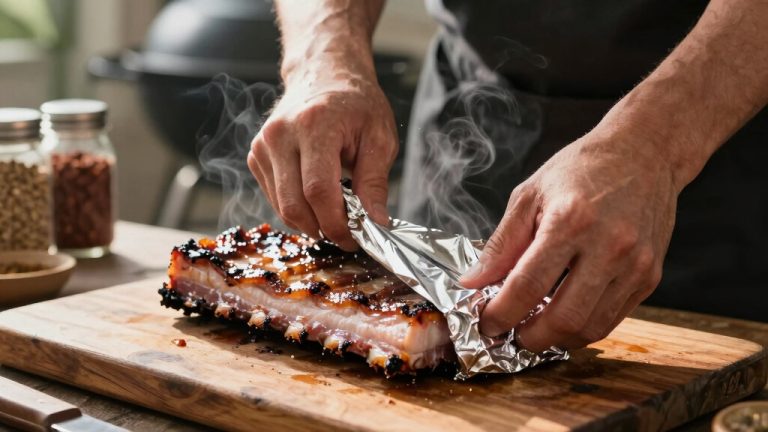
Afterward, flip the ribs and grill for an additional 30 minutes to ensure even cooking. Wrap them tightly in double-layer foil, then continue cooking for 1 hour to lock in moisture and create a steamy environment that accelerates tenderness.
Finally, unwrap and increase the grill temperature to 400°F. Sauce the ribs and grill 5 to 15 minutes per side to caramelize the glaze.
This step-by-step timing strikes the perfect balance between tenderness and smoky flavor.
How to Smoke Beef Back Ribs for Tenderness and Smoke Ring?
When you smoke beef back ribs at a steady 225°F using your preferred wood chips, you create the perfect environment for tenderness and a flavorful smoke ring.
Start by coating the ribs with yellow mustard to help the beef rub adhere evenly.
Coat ribs with yellow mustard to ensure your rub sticks perfectly and flavors every bite.
Apply a well-balanced rub that includes spices like cumin, onion powder, and dry mustard for depth.
Place the ribs bone-side down in the smoker and maintain consistent temperature for 4 to 6 hours.
During the last hour, wrap the ribs tightly in foil to trap moisture, which breaks down connective tissue for tender meat.
After unwrapping, let the ribs rest for 10 minutes to redistribute juices.
This low-and-slow method guarantees a pronounced smoke ring and melt-in-your-mouth tenderness every time.
Maintaining a steady smoker temperature near 225°F is crucial to ensure even cooking and optimal smoke absorption.
How to Oven-Cook Beef Back Ribs for Juiciness?
Preheat your oven to 275°F and prepare a foil-lined baking sheet to catch drippings and simplify cleanup.
Season the ribs evenly with a dry rub containing smoked paprika, garlic powder, onion powder, salt, and black pepper.
Wrap the ribs tightly in foil, placing them bone-side up to retain moisture and assure even cooking.
Bake for about 4 hours; this low, slow heat breaks down connective tissue without drying the meat.
After baking, carefully unwrap the ribs, drain excess fat, and apply your favorite sauce.
Finish under the broiler for 3-5 minutes to develop a caramelized crust.
Let the ribs rest for 10 minutes before slicing to lock in juices.
This method guarantees tender, juicy beef back ribs with minimal effort.
For best results, consider that heavier racks require about 20–30% longer cooking time than lighter ones.
How to Braise Beef Back Ribs for Fall-Off-the-Bone Flavor?
Braising beef back ribs releases deep, rich flavors while ensuring the meat becomes tender enough to fall off the bone.
To braise effectively, start by seasoning your ribs with salt and pepper.
Begin by seasoning your ribs generously with salt and pepper to enhance their natural flavor.
Brown them in a Dutch oven with vegetable oil to develop a flavorful crust. Next, sauté onions and garlic in the same pot, then add beef broth, tomato paste, and herbs to create a rich braising liquid.
Cover and cook in a 325°F oven until the meat is tender.
Follow these steps for perfect braised ribs:
- Brown ribs and sauté aromatics to build flavor.
- Add braising liquid and cover tightly.
- Cook low and slow until ribs fall off the bone.
This method produces hearty, comforting ribs every time. For optimal tenderness, aim to reach an internal temperature that allows for collagen breakdown during the cooking process.
Frequently Asked Questions
What Is the Best Type of Wood for Smoking Beef Back Ribs?
The best types of wood for smoking beef back ribs are oak and hickory. They provide a strong, smoky flavor that complements beef’s rich taste without overpowering it.
You can also use mesquite for a bolder, more intense smoke or fruit woods like apple or cherry for a milder, slightly sweet flavor.
Pick wood based on your flavor preference, but oak and hickory remain reliable, classic choices for tender, flavorful ribs.
How Do I Store Leftover Cooked Beef Back Ribs Safely?
Think of your leftover ribs as treasures you want to preserve carefully.
Wrap them tightly in aluminum foil or airtight containers to lock in their juicy secrets.
Refrigerate within two hours of cooking and consume within 3-4 days to keep flavors vibrant.
For longer storage, freeze them, wrapped well to avoid freezer burn.
Thaw slowly in the fridge before reheating.
This way, every bite stays tender and delicious.
Can Beef Back Ribs Be Cooked in a Slow Cooker?
Yes, you can cook beef back ribs in a slow cooker.
Season them with your favorite rub, then place ribs bone-side down in the slow cooker.
Add a bit of liquid like beef broth or barbecue sauce for moisture.
Cook on low for 6-8 hours until the meat is tender and falling off the bone.
Finish under the broiler or on the grill for a crispy exterior if you want.
How Long Should Ribs Rest Before Slicing and Serving?
You should let ribs rest for about 10 minutes before slicing and serving. This rest period allows the juices to redistribute evenly throughout the meat, keeping it moist and flavorful.
If you cut too soon, the juices will run out, leaving the ribs dry. Cover them loosely with foil during the rest to retain warmth. Taking this simple step guarantees every bite stays tender and juicy.
What Are Common Side Dishes to Serve With Beef Back Ribs?
Like a perfect duet, beef back ribs pair wonderfully with classic sides. You’ll want creamy coleslaw to cut through the richness and baked beans for a sweet, smoky contrast.
Cornbread adds a hint of sweetness and texture, while grilled vegetables or a fresh green salad bring balance and brightness.
Mashed potatoes or mac and cheese also complement ribs well, creating a hearty, satisfying meal that hits all the right notes.
The Delicious Finish: Mastering Beef Back Ribs Every Time
Now that you’ve mastered the art of cooking beef back ribs, imagine a tapestry of flavors: smoky, juicy, tender, woven perfectly by your hands.
Whether you grill, smoke, oven-cook, or braise, each method reveals a unique taste and texture.
Trust your instincts, season boldly, and cook with patience. Your ribs will transform into a mouthwatering masterpiece, ready to impress every time. Keep experimenting, and let your culinary confidence sizzle.