How to Charge for BBQ Catering: Expert Pricing Formula
You charge for BBQ catering by choosing between per-person or by-the-pound pricing.
Factor in meat quality, sides, labor, and overhead. Start with a base price covering fixed costs, then add premiums for upscale meats like brisket or tri-tip.
Include delivery and service fees based on distance and group size, plus gratuity.
Adjust prices for group scale and seasonal demand to remain profitable. Exploring these elements further can help you create a more precise and competitive pricing strategy.
Key Takeaways
- Set base prices per person by factoring meat costs, sides, labor, overhead, and add delivery or service fees as needed.
- Use per-pound pricing for large groups to control portions and accommodate customizable meat selections efficiently.
- Incorporate premium meat upgrades like brisket or tri-tip by adding per-pound cost differences and extra labor expenses.
- Adjust pricing based on group size economies of scale, adding fees for small groups or on-site grilling for large events.
- Clearly list delivery, service, and gratuity charges separately to maintain transparency and protect profit margins.
Understanding BBQ Catering Pricing Models
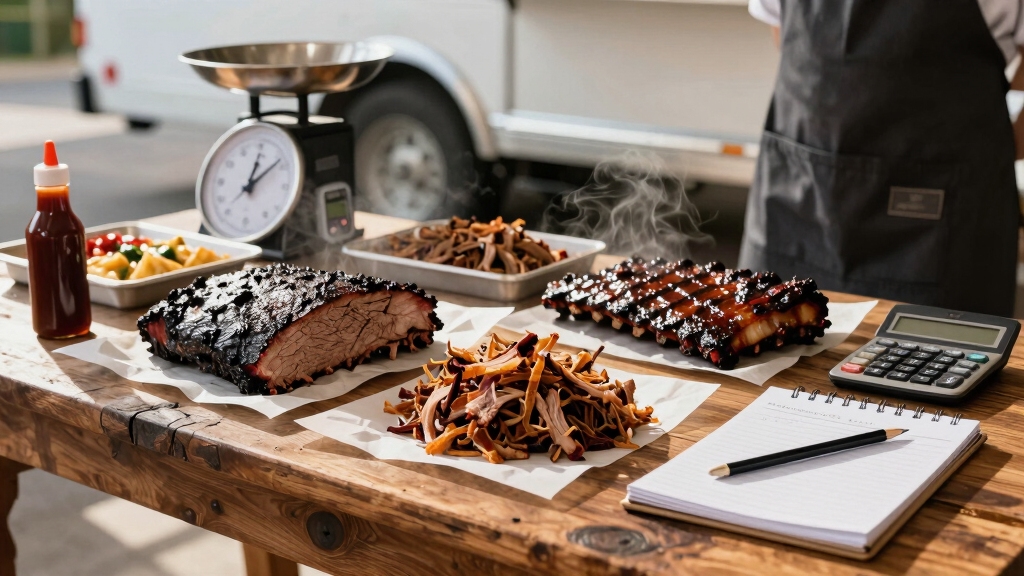
Although BBQ catering pricing can seem complex at first, understanding the core models will help you set competitive and profitable rates.
You’ll primarily encounter per-person pricing, by-the-pound meat pricing, and package pricing by group size.
Per-person models range from $14.50 for basic menus to $27.99 for premium multi-meat options.
By-the-pound pricing lets you charge based on actual meat weight, with brisket averaging around $26 per pound.
Group packages bundle meats, sides, and sauces, offering cost efficiencies for larger events.
Each model reflects different customer needs and operational strategies, so select one that aligns with your service style and cost structure.
Keep in mind fixed costs, menu tiers, and add-ons influence final pricing, requiring a strategic approach for sustainable profitability.
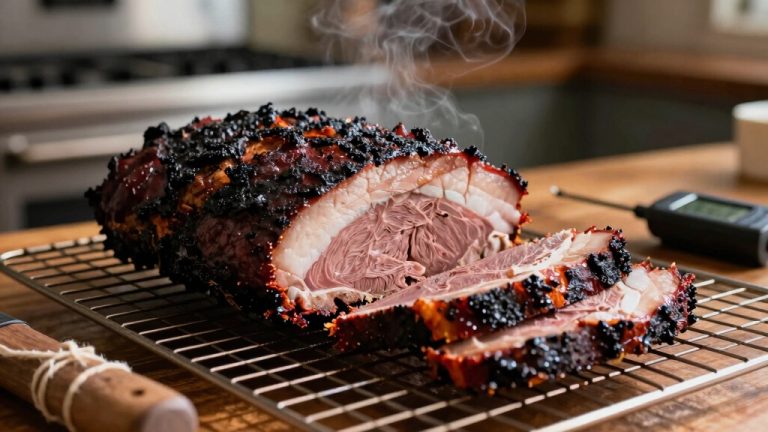
For example, knowing the ideal pull temperature of brisket at 203°F can help ensure you deliver consistently tender and juicy meat that justifies your pricing.
How to Set Base Prices Per Person for BBQ Catering?
Start by analyzing your menu offerings and operational costs to establish a solid base price per person for your BBQ catering. Factor in meat costs, sides, beverages, labor, and overhead to guarantee profitability.
For example, standard menus with basic meats and sides often price around $14.50 to $15.00 per person. If you include premium meats like brisket, adjust prices upward, typically between $16.00 and $21.95.
Consider portion sizes; 1 pound of meat feeds about 4 people. Add costs for extras like sauces or bakery items. Don’t forget delivery fees, gratuity, and equipment costs when setting your base price.
To ensure the best quality and customer satisfaction, maintain a consistent smoker temperature during cooking to produce tender, flavorful brisket.
When Should You Use By-the-Pound Meat Pricing for BBQ Catering?
You should consider using by-the-pound meat pricing when catering for large groups. It really helps maximize efficiency and simplifies portion control.
Plus, this approach allows you to offer flexible menu options that cater to specific preferences without the hassle of fixed per-person packages.
It’s a smart strategy for managing costs, too. You can accommodate diverse appetites and different event sizes easily.
Heavier racks generally require 20–30% longer cooking time than lighter ones, which is important to factor into your catering schedule.
Large Group Efficiency
Maximize cost-effectiveness by choosing by-the-pound meat pricing when catering large groups with flexible menu preferences. This method lets you scale meat quantities precisely, reducing waste and controlling costs.
Since 1 pound typically serves 4 people, you can adjust portions based on appetite or event type. It suits events where guests prefer variety or customize their plates.
| Group Size | Meat (lbs) | Cost Estimate |
|---|---|---|
| 20 | 8 | $150 – $220 |
| 30 | 12 | $225 – $330 |
| 40 | 16 | $300 – $440 |
| 50 | 20 | $375 – $550 |
By-the-pound pricing delivers efficiency and flexibility, especially for groups over 20. This approach helps you optimize inventory and pricing strategy. For sauces served alongside, consider thickening methods like reduction to naturally intensify flavor without altering the sauce’s original taste.
Flexible Menu Options
When catering events where guests have varied tastes or dietary needs, by-the-pound meat pricing offers unmatched flexibility. You can tailor portions precisely, avoiding waste and ensuring satisfaction.
This method works best when:
- Your client requests customizable meat selections, accommodating preferences like brisket, pulled beef, or turkey.
- The guest count is uncertain or fluctuates, allowing on-the-spot adjustments without fixed per-person pricing.
- Dietary restrictions require varied protein options, including vegetarian or lower-calorie meats.
- You want to highlight premium cuts by charging accurately for their value and quality.
Additionally, understanding how to manage spritzing techniques during cooking can enhance the flavor and texture of meats like brisket, adding value to your catering offerings.
How Group Size Affects Your BBQ Catering Costs?
Several factors tied to group size directly influence your BBQ catering costs, making it essential to plan accordingly.
Larger groups benefit from economies of scale, as meat and sides quantities scale predictably; about 1 pound of meat feeds 4 people. For example, a 10-person package includes 4 pounds of meat and 3 quarts of sides, priced proportionally.
However, as your group grows, you may face additional costs like on-site grilling fees for 50+ guests or extra chafing racks.
Small groups typically pay a higher per-person rate due to fixed preparation and delivery costs.
Strategically, you should balance group size with menu complexity and service requirements to optimize your budget and maintain quality.
Accurate headcounts help prevent overordering and unnecessary expenses.
Additionally, maintaining proper temperature and moisture control during holding ensures your BBQ remains flavorful and safe, which is critical for larger events requiring extended holding times, as outlined in temperature and moisture control techniques.
How to Choose the Right BBQ Menu Tier for Your Budget?
Balancing group size with your menu choices directly impacts your overall catering expenses and guest satisfaction. To strategically select the right BBQ menu tier for your budget, consider these key factors:
Balancing group size and menu choices is essential for managing costs and ensuring guest satisfaction.
- Assess Your Guest Preferences: Choose a menu tier that aligns with your guests’ taste and dietary needs to avoid waste and dissatisfaction.
- Evaluate Budget Constraints: Basic packages like the burger and hotdog classic ($15.95/person) offer value. Premium tiers cost more but elevate the experience.
- Match Portion Sizes to Group Size: Larger groups may benefit from mid-range packages offering multiple meats and sides. This optimizes cost per person.
- Anticipate Event Style: Casual gatherings suit simpler menus. Formal events justify higher-tier selections with diverse options.
- Proper seasoning and preparation, such as using a kosher salt base, can enhance the flavor experience and satisfaction of your BBQ offerings.
How Meat Upgrades Affect Your BBQ Catering Prices?
When you add premium meat upgrades like brisket or ribs, it’s important to adjust your BBQ catering prices accordingly. These options can really elevate the experience but come with a higher cost per pound and per guest.
For instance, if you decide to offer brisket for an extra $1 per guest, that can significantly enhance your revenue.
However, it’s not just about slapping on an extra charge. You’ll want to do some careful calculations to ensure those upgrades are profitable.
It’s all about finding the right balance—factoring in these premium options in a way that meets your clients’ expectations while keeping your bottom line healthy.
Understanding how to manage the brisket stall during cooking can also help you deliver consistently tender and juicy meat, adding value to your catering service.
Premium Meat Price Impact
Understanding the influence of premium meat upgrades on your BBQ catering prices is essential for setting competitive and profitable rates.
When you add premium cuts like brisket or tri-tip, your costs increase markedly, and so should your pricing.
Here’s what you need to weigh:
- Calculate exact per-pound costs. Premium meats like tri-tip can cost up to $27.99/lb.
- Adjust portion sizes; 1 lb typically feeds 4 people, affecting quantity and price.
- Factor in customer expectations for quality. Premium meats justify higher price points.
- Include additional operational costs such as higher storage or prep times for specialty meats.
Additionally, understanding the USDA quality grades of brisket can help you better align pricing with the quality and flavor expectations of your customers.
Popular Upgrade Options
Frequently, customers request popular meat upgrades that materially influence your BBQ catering prices.
You’ll find brisket, ribs, and tri-tip upgrades particularly common, each commanding a premium due to higher ingredient and preparation costs.
For example, swapping standard beef or chicken for brisket typically adds around $1 per person.
Ribs, known for their labor-intensive preparation, often justify a higher surcharge.
Tri-tip, as a premium cut, also commands a notable price increase.
These upgrades not only enhance menu appeal but also impact your bottom line, so you must strategically price them to cover added expenses without deterring clients.
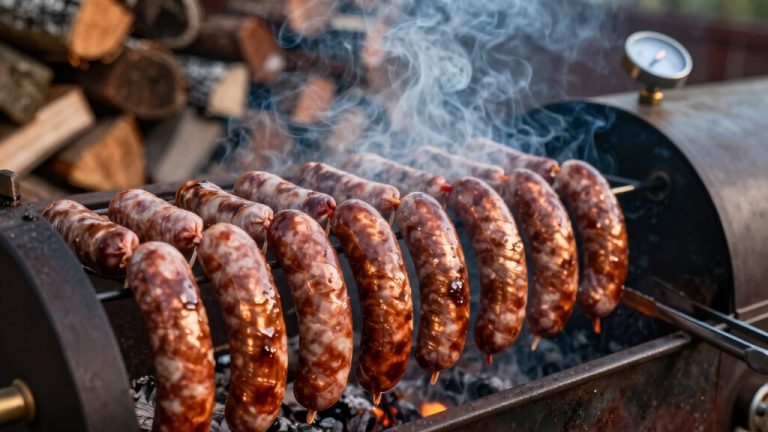
Additionally, offering add-ons like smoked sausage or pulled chicken can diversify your offerings while incrementally increasing revenue.
Balancing customer expectations with precise pricing secures profitability and customer satisfaction.
Understanding the stall effect during brisket cooking can help you better estimate preparation time and costs for catering.
Calculating Upgrade Costs
Upgrading your meat selections directly influences your BBQ catering prices, so you need to ascertain those costs accurately to maintain profitability.
Start by identifying the price difference between your base meats and premium options, like brisket or ribs.
Then, factor in the number of guests to understand total incremental cost.
Don’t overlook added labor or equipment expenses tied to preparing upgraded meats.
Finally, adjust your pricing model to reflect these changes without alienating customers.
Here’s a strategic approach:
- Calculate per-pound cost difference for upgrade meats.
- Multiply by total meat quantity needed based on guest count.
- Add any additional preparation or service fees.
- Incorporate a reasonable markup to protect your margins.
This method guarantees you price upgrades fairly and profitably.
How to Calculate Add-Ons Like Delivery, Service, and Gratuity?
When you set your BBQ catering prices, factoring in add-ons like delivery, service fees, and gratuity secures your costs and profits are accurately covered.
Start by calculating your delivery charge based on distance and time. This is typically a flat fee like $35 for local areas with a minimum order threshold.
Begin by setting a delivery fee, often a flat rate like $35, based on distance and minimum orders.
For service fees, consider your labor and on-site expenses. For example, on-site grilling might be $250 plus $1 per person.
Gratuity often runs around 18% of the total menu price, so include that in your final quote to avoid surprises.
Strategically, list these add-ons clearly on your proposal to maintain transparency and build trust.
This approach secures your pricing model reflects true costs and sustains profitability without eroding customer relationships.
When Should You Add Delivery and On-Site Service Fees?
To make certain your BBQ catering business covers all operational costs, you should add delivery and on-site service fees whenever your service requires extra resources beyond basic food preparation.
These fees guarantee you’re compensated for time, labor, and logistics involved.
Consider adding fees when:
- You deliver outside your local area or below minimum order thresholds.
- The event is large, needing on-site grilling or extra staff.
- Specialized equipment like chafing racks or sternos is required.
- Setup, serving, or cleanup demands additional hands beyond kitchen prep.
How Fixed Operating Costs Impact Your BBQ Catering Prices?
Adding delivery and on-site service fees guarantees you cover variable costs. Understanding how fixed operating costs influence your pricing strategy is equally important.
Fixed costs, like rent, utilities, insurance, and salaried staff, remain constant regardless of event size or frequency.
You’ll need to factor these into your pricing to ensure consistent profitability. Calculate your monthly fixed costs, such as the projected $47,867 operating expenses.
Then divide by expected catering volume to determine a baseline price per event or per person. This approach helps you avoid underpricing and protects your business during slower periods.
By strategically allocating fixed costs across your packages, you maintain stable margins while staying competitive.
Tips for Adjusting BBQ Catering Prices by Location and Availability
Adjusting your BBQ catering prices based on location and availability requires a strategic understanding of local market conditions and demand fluctuations.
You must analyze factors like travel costs, local competition, and peak seasons to set competitive yet profitable prices.
Consider these tips:
- Increase prices in high-demand areas or during peak seasons to maximize revenue.
- Add travel or delivery fees for remote locations to cover extra expenses.
- Offer flexible menu options to accommodate regional preferences and availability of ingredients.
- Monitor competitor pricing regularly to stay competitive without undervaluing your service.
Frequently Asked Questions
How Do I Estimate Food Quantities for Different Event Durations?
To estimate food quantities for different event durations, consider the meal timing and guest appetite changes.
For shorter events (1-2 hours), plan about 1 pound of meat per 4 guests, with sides proportionally.
For longer events, increase quantities by 25-50% to accommodate additional servings and snacks.
Factor in beverage refills and possible second helpings. Adjust for event type; casual gatherings may require less than formal sit-down dinners.
Always build in a safety margin to avoid shortages.
What Equipment Is Essential for BBQ Catering Setups?
Wondering what gear you absolutely need for BBQ catering?
You’ll want a reliable smoker or grill to cook meats consistently, plus chafing racks with sternos to keep food warm on-site.
Don’t forget coolers for safe storage, sturdy tables for prep and serving, and quality utensils like tongs and carving knives.
For larger events, consider on-site grilling equipment and portable sinks to maintain hygiene.
Planning this setup strategically guarantees smooth, professional service every time.
How to Handle Dietary Restrictions Beyond Vegetarian Options?
You should proactively ask clients about dietary restrictions early to tailor menus accordingly.
Beyond vegetarian options, include gluten-free, vegan, and allergy-friendly dishes, clearly labeling each.
Collaborate with chefs to create substitutions like BBQ tofu or plant-based proteins.
Consider separate prep areas to avoid cross-contamination.
Communicate any extra costs for specialty ingredients upfront.
This guarantees you meet guests’ needs while maintaining quality and professionalism.
What Are Best Practices for Packaging and Transporting BBQ Food?
You should package BBQ in insulated containers to maintain temperature and freshness during transport.
Use separate containers for meats, sides, and sauces to avoid cross-contamination.
Secure lids tightly and label everything clearly.
Transport on stable racks or carts to prevent spills.
Plan your delivery route to minimize transit time.
Always bring extra utensils, napkins, and serving equipment.
This strategic approach guarantees your BBQ arrives fresh, safe, and ready to impress clients.
How to Price BBQ Catering for Corporate Versus Casual Events?
Think of pricing corporate events like tuning a fine instrument. Precision matters. You’ll want to set higher rates, reflecting premium meats, polished presentation, and added services like on-site grilling or chafing racks.
For casual events, keep prices flexible and approachable. Focus on popular combos and simpler packages. Factor in group size, menu tiers, and extra charges carefully to ensure your pricing strategy aligns with client expectations and event formality.
Price with Confidence, Profit with Purpose
Now that you understand how to price your BBQ catering, from base rates to add-ons and location factors, are you ready to set competitive, profitable prices that reflect your value?
Charging strategically guarantees you cover costs and delight clients without leaving money on the table.
Remember, every detail matters, from group size to fixed operating expenses. With a clear pricing plan, you’ll confidently grow your BBQ catering business while maintaining quality and customer satisfaction.