How Long Are Ribs Good in the Freezer: Safety and Flavor Tips
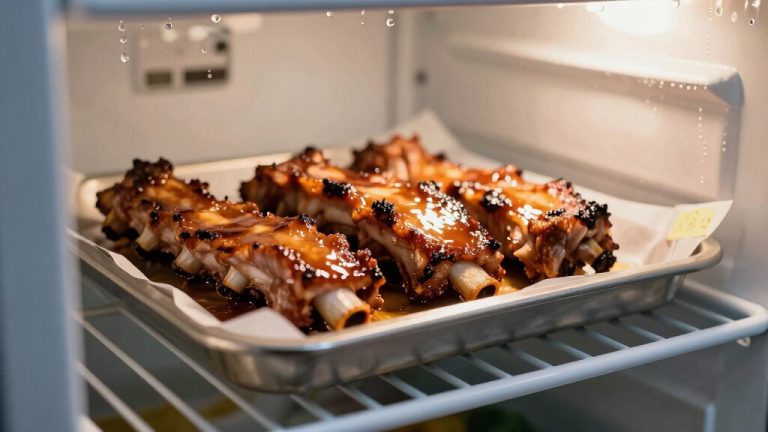
You can keep ribs in the freezer for 4 to 6 months if fresh, and up to 12 months if smoked and properly sealed.
Vacuum-sealed or cryovac packaging can extend quality even longer, sometimes up to two years, as long as your freezer stays consistently below 0°F.
Keep in mind that quality declines over time, especially if packaging is compromised or temperatures fluctuate.
To guarantee safety and taste, proper storage and thawing are key. Learn how to maximize their freezer life and spot spoilage signs next.
Key Takeaways
- Fresh pork ribs maintain best quality for 4 to 6 months when frozen at 0°F (-18°C) or below.
- Smoked ribs can last up to 12 months in the freezer if vacuum-sealed properly.
- Vacuum-sealed or cryovac ribs may stay good for several years by preventing freezer burn and moisture loss.
- Consistent freezing at around -10°F (-23°C) can extend rib safety and quality up to two years.
- Ribs remain safe beyond recommended times if stored well, but taste and texture may decline over time.
How Long Can You Keep Ribs in the Freezer?
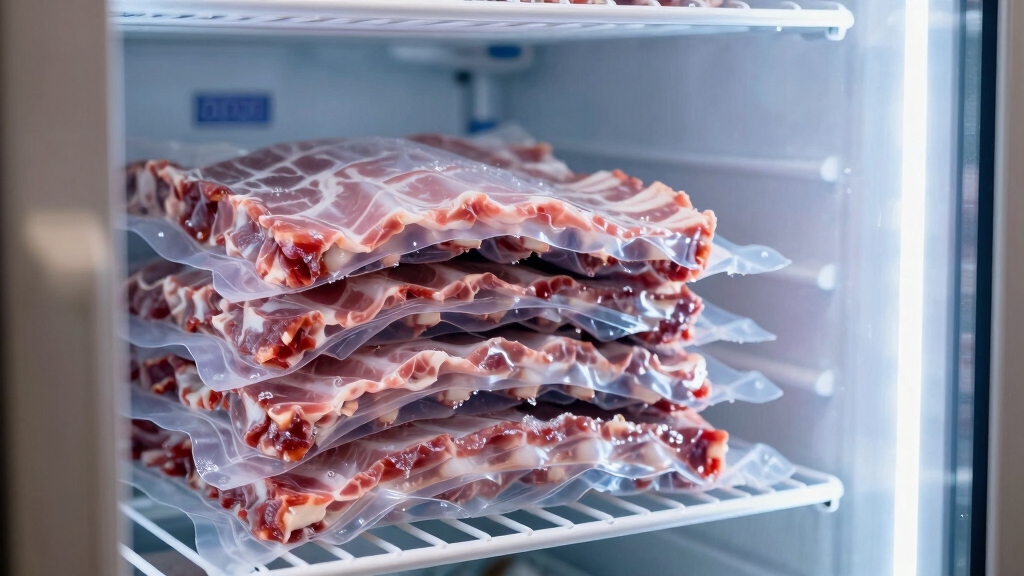
You can keep fresh pork ribs in the freezer for 4 to 6 months while maintaining their best quality.
Fresh pork ribs maintain their best quality when frozen for 4 to 6 months.
However, they remain safe to eat well beyond that timeframe if stored properly. The quality may decline after this period, with changes in taste and texture becoming more noticeable.
Smoked ribs, when sealed correctly, can last up to 12 months without significant loss of flavor. If ribs are vacuum-sealed in cryovac packaging, they can remain good for several years, as this method prevents freezer burn and moisture loss.
Freezing at consistently low temperatures, ideally around -10°F, can extend safety for up to two years.
However, even with longer storage, always inspect ribs for off smells or discoloration before cooking to guarantee safety and quality.
For best results, vacuum-seal ribs to effectively remove air and preserve texture and flavor during freezing.
What Affects How Long Ribs Last in the Freezer?
Although freezing preserves ribs for extended periods, several factors directly impact how long they stay good in the freezer.
How you package the ribs, the initial quality, and storage conditions all play essential roles. Vacuum-sealed or cryovac packaging slows moisture loss, preserving flavor and texture longer.
Also, whether ribs are fresh, smoked, or cooked influences their freezer lifespan. Avoid thaw-refreeze cycles as they degrade quality.
Here’s a quick overview:
| Factor | Effect on Shelf Life | Notes |
|---|---|---|
| Packaging | Longer with vacuum seal | Prevents freezer burn |
| Rib Type | Smoked lasts longer | Up to 12 months |
| Initial Quality | Fresher = longer shelf | Best within 4-6 months |
| Handling | Avoid thaw/refreeze | Maintains texture and safety |
Properly labeling and rotating frozen ribs according to the FIFO storage method helps ensure you consume them while at peak quality.
How Freezer Temperature Changes Your Ribs’ Quality?
Since freezer temperature directly affects the rate of quality degradation, maintaining a consistent, low temperature is essential to preserving your ribs’ flavor and texture.
Ideally, keep your freezer at 0°F (-18°C) or below to slow enzymatic and microbial activity that can deteriorate meat.
Fluctuations above this temperature accelerate moisture loss and freezer burn, which dry out ribs and reduce tenderness.
At temperatures near -10°F (-23°C), ribs can retain quality even longer, up to two years, according to inspectors.
Avoid thaw-freeze cycles, as repeated temperature changes further degrade texture and taste.
Consistent freezing prevents the formation of large ice crystals that damage cell structure.
Using freezer paper’s coated side to wrap ribs can help prevent freezer burn and extend their storage quality.
Freezing Fresh vs. Smoked vs. Cryovac Ribs
Maintaining the right freezer temperature sets the stage for how well different types of ribs hold up over time.
Proper freezer temperature is crucial for preserving the quality and longevity of various ribs.
When freezing ribs, you’ll notice that each type has specific storage durations based on preparation and packaging.
- Fresh ribs keep their best quality for 4-6 months but remain safe longer if frozen consistently.
- Smoked ribs, properly sealed, last up to 12 months without significant quality loss.
- Cryovac-packaged ribs extend shelf life substantially, staying good for years by preventing freezer burn.
- Regardless of type, avoid thawing and refreezing before cooking to maintain safety and texture.
Proper wrapping and sealing techniques are essential to prevent moisture loss and maintain flavor development during freezing and thawing.
How to Store Ribs Properly to Maximize Freezer Life?
Start by sealing your ribs tightly using vacuum seal bags or cryovac packaging to lock in moisture and prevent freezer burn.
If you don’t have vacuum sealing, wrap ribs securely in heavy-duty aluminum foil or freezer paper, then place them in airtight freezer bags.
Always freeze ribs promptly after cooking or purchase to maintain freshness.
Before freezing, cool ribs to about 40°F using an ice cooler to avoid temperature spikes that encourage bacterial growth.
Keep your freezer temperature consistently at or below 0°F to prolong storage life.
Avoid thawing and refreezing ribs, as this degrades texture and flavor.
Label packages with the date to track storage time.
Proper packaging combined with stable freezing conditions guarantees your ribs retain peak quality for months, extending their freezer life safely.
For best results, maintain your freezer at or below 0°F and avoid fluctuations to prevent ice crystal damage that can affect texture upon thawing.
Can You Freeze Ribs More Than Once?
Although freezing ribs multiple times is technically possible, you should avoid it whenever you can.
Each freeze-thaw cycle markedly impacts the meat’s texture and flavor.
Each cycle causes moisture loss, leading to tougher, drier ribs and diminished taste. Refreezing also raises the risk of bacterial growth if ribs aren’t handled properly between thawing and refreezing.
Keep these points in mind:
- Only refreeze ribs if they were thawed safely in the fridge and never left at room temperature.
- Cook thawed ribs before refreezing to guarantee safety.
- Use airtight packaging to minimize freezer burn during each freeze.
- Limit refreezing cycles to preserve rib quality and safety.
According to USDA guidelines, meat must be kept at or below 40°F during thawing to prevent bacterial growth and ensure safety before refreezing.
Signs Your Frozen Ribs Are Still Good to Eat
To figure out if your frozen ribs are still good to eat, begin by taking a look at their appearance and texture. If you see a lot of freezer burn or if they feel mushy, it’s best to steer clear.
Next, give them a good sniff. If you catch a sour or off smell, that’s a clear sign they’ve gone bad.
And don’t forget to check the packaging! If you notice any tears or holes, that could mean the safety of the ribs has been compromised. Better safe than sorry, right?
Also, ensure the ribs have been stored with proper ventilation and moisture control to prevent mold and spoilage.
Appearance And Texture
When you inspect frozen ribs, pay close attention to their appearance and texture to determine if they’re still good to eat.
Even if ribs remain safe when frozen, quality signs help you decide if they’re worth cooking.
Look for:
- Color consistency – Ribs should maintain a natural pinkish or reddish hue. Gray or brown patches may indicate deterioration.
- Freezer burn presence – White, dry spots signal freezer burn, which affects taste and texture but not safety.
- Surface moisture – Excess frost or ice crystals suggest thaw-refreeze cycles, reducing quality.
- Firmness – Ribs should feel solid and not overly dry or mushy when thawed.
If these factors seem normal, your ribs are likely still good to cook and enjoy. Proper storage techniques, including storing meat in a covered, dry area, help preserve quality and prevent freezer burn.
Smell And Odor
After checking the appearance and texture of your frozen ribs, the next step is to assess their smell and odor.
When you thaw the ribs, give them a careful sniff. Fresh ribs should have a mild, meaty scent without any sour, rancid, or ammonia-like odors.
If you detect any off-putting or strong smells, it’s a clear sign the ribs may have spoiled and should be discarded.
Keep in mind that freezer burn doesn’t cause bad smells, but spoilage does. If the ribs smell fine, they’re likely safe to eat.
However, trust your nose—if anything seems unusual, don’t risk it. Always err on the side of caution to avoid foodborne illness.
Proper freezing minimizes odor changes, but spoilage can still happen if ribs were stored too long or improperly.
For best safety, avoid leaving perishable foods out at room temperature for more than two hours to limit bacterial growth and cross-contamination risk.
Packaging Integrity
Although packaging may seem like a minor detail, its condition plays a critical role in determining whether your frozen ribs are still safe to eat.
Damaged or compromised packaging can lead to freezer burn or contamination, which affects both safety and quality.
To assess packaging integrity, check for these signs:
- No tears, holes, or punctures in vacuum or plastic wrap.
- Absence of frost or ice crystals inside the package, indicating no thaw-freeze cycles.
- Packaging seals remain airtight without looseness or gaps.
- No discoloration or liquid pooling inside the package, which suggests spoilage or leakage.
If you notice any of these issues, proceed cautiously.
Properly sealed ribs maintain safety much longer and preserve flavor and texture better than poorly wrapped ones.
Freezing slows bacterial growth but does not eliminate bacteria, so proper handling before freezing remains essential to ensure safety.
How to Thaw and Reheat Frozen Ribs Safely?
Because frozen ribs require careful handling to retain their quality and safety, you should always thaw them gradually in the refrigerator rather than at room temperature. This slow thawing minimizes bacterial growth and preserves texture.
Place the ribs on a plate or tray to catch any drips, and allow 12-24 hours depending on size. Avoid thawing in warm water or on the counter, as this risks entering the danger zone (40°F-140°F) where bacteria multiply rapidly.
When reheating, use low and slow methods like oven baking at 250°F or gentle smoking to maintain moisture and tenderness. Heat ribs until they reach an internal temperature of 145°F.
Avoid rapid reheating, which can dry them out or cause uneven temperature zones. Always reheat ribs right after thawing; never refreeze thawed ribs without cooking first.
Frequently Asked Questions
Can Marinade Affect the Freezer Life of Ribs?
Yes, marinating ribs can affect their freezer life.
Acidic marinades may slightly break down meat fibers, potentially altering texture after freezing. However, marinated ribs still last about the same time, around 4 to 6 months for best quality if fresh, longer if vacuum-sealed.
Make sure to freeze them promptly in airtight packaging to prevent freezer burn and maintain flavor. Always thaw and cook ribs safely to avoid food safety risks.
Are There Differences in Freezer Storage for Baby Back vs. Spare Ribs?
You might notice baby back and spare ribs side by side in your freezer, but their storage needs don’t differ much.
Both keep best quality for about 4-6 months when properly sealed and frozen. The key’s consistent temperature and packaging; vacuum seal or cryovac helps prevent freezer burn.
How Does Seasoning Impact Frozen Rib Quality Over Time?
Seasoning can affect frozen rib quality by potentially altering texture and flavor over time.
You’ll want to use dry rubs rather than wet marinades before freezing, as excess moisture may cause ice crystals that degrade meat texture.
Strong spices might mellow during extended storage, so seasoning right before cooking often yields better flavor.
Proper vacuum sealing helps preserve seasoning impact and prevents freezer burn, maintaining taste and texture throughout freezing.
Can Ribs Be Frozen After Partial Cooking or Smoking?
Freezing ribs after partial cooking or smoking is like pausing a movie. You can pick it back up later, but timing matters.
You can freeze them safely if you cool them quickly and seal them properly to prevent moisture loss.
Avoid refreezing ribs that have thawed once before cooking, as that risks quality and safety.
When reheating, do it low and slow to preserve tenderness. Always check for any off smells or textures before consuming.
Is It Safe to Freeze Ribs With Bones Removed?
Yes, you can safely freeze ribs with the bones removed.
Just make sure to wrap them tightly in vacuum-seal bags or heavy-duty freezer wrap to prevent freezer burn and moisture loss.
Keeping them at a consistent freezing temperature preserves their quality.
Avoid thawing and refreezing before cooking, as that can affect safety and texture.
Proper packaging and freezing right after preparation help maintain flavor and tenderness when you’re ready to reheat.
From Freezer to Feast: Enjoy Perfect Ribs Every Time
Freezing ribs is like pressing pause on their freshness, but how long they stay good depends on storage and temperature. When properly wrapped and kept below 0°F, ribs can last up to six months without losing quality.
Avoid refreezing to prevent texture loss. Always check for freezer burn or off smells before cooking. Thaw ribs slowly and reheat thoroughly to enjoy them safely and deliciously every time.