Does Barbeque Sauce Go Bad: Protect Your BBQ Flavor
You can safely store unopened barbecue sauce up to a year past its best-by date if kept in a cool, dry place. Once opened, refrigerate it promptly and use within six months to avoid spoilage.
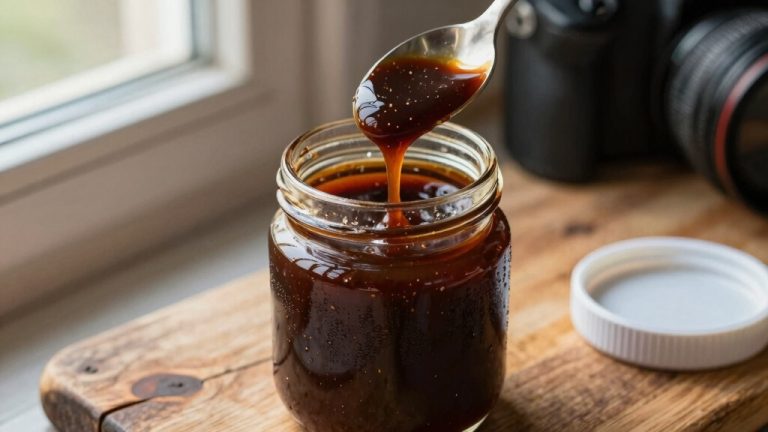
Look for signs like mold, off smells, or texture changes before use. The sauce’s acidity and sugar naturally preserve it, but storage conditions matter.
If you want to maximize shelf life or learn how to spot spoilage, there’s more to understand about proper storage and handling.
Key Takeaways
- Unopened barbecue sauce typically remains safe and flavorful for 6 to 12 months past its best-by date when stored properly at room temperature.
- Once opened, barbecue sauce should be refrigerated and can last about six months if kept sealed and uncontaminated.
- Vinegar and sugar in barbecue sauce act as natural preservatives that inhibit bacterial growth and extend shelf life.
- Signs of spoilage include mold, off smells, sourness, or slimy texture, indicating the sauce should be discarded immediately.
- Freezing barbecue sauce can extend its usability for up to six months while preserving flavor and safety.
Barbecue Sauce Shelf Life Unopened: How Long Does It Last?

Understanding the shelf life of unopened barbecue sauce helps you manage your pantry effectively and avoid waste. Typically, an unopened bottle lasts 6 to 12 months past its best by date when stored at room temperature.
Unopened barbecue sauce typically remains good 6 to 12 months beyond its best by date at room temperature.
Proper storage can extend quality retention up to 12 to 18 months. The best by date serves as a quality guideline rather than a strict expiration mark, meaning the sauce remains safe beyond this point if unopened and stored correctly.
For example, sealed Blues Hog original sauces have been reported usable near two years old. However, you might notice sugar crystallization in unopened sauces kept in the fridge, which doesn’t indicate spoilage but can affect texture.
Maintaining the original sealed container in a cool, consistent environment optimizes longevity and preserves flavor integrity. Freezing barbecue sauce is also an option to extend its usable life, as it can maintain quality for up to 3–6 months when stored properly.
How Long Does Barbecue Sauce Last After Opening?
Typically, once you open a bottle of barbecue sauce, it remains safe and maintains quality for about six months when consistently refrigerated.
This timeframe aligns with research highlighting that refrigeration slows bacterial growth and preserves flavor compounds.
However, the exact duration can vary depending on factors like ingredient composition. Sugar and vinegar act as natural preservatives and storage consistency.
While some sources suggest consumption within one month, evidence shows that if no spoilage signs appear, the sauce remains usable well beyond that.
You should always monitor for mold, off odors, or texture changes, as these indicate degradation.
Ultimately, maintaining a stable refrigerator environment and using the original container help maximize the sauce’s post-opening lifespan without compromising safety or taste.
Refrigerating below 40°F is recommended to maximize safety and freshness over extended storage.
How to Store Barbecue Sauce to Extend Shelf Life?
To make sure your barbecue sauce lasts as long as possible, it’s best to store those unopened bottles in a cool, dry pantry at room temperature. Just keep an eye on that best by date!
Once you pop that bottle open, though, it’s time to give it a nice, cool home in the fridge. You can keep it in its original container, or if you prefer, transfer it to an airtight glass jar. This really helps slow down any microbial growth and keeps the quality nice and fresh.
Oh, and here’s a quick tip: always use clean utensils when serving the sauce. It might seem like a small thing, but it can really help extend its usability over time. So, with just a little care, you can enjoy that delicious barbecue sauce for much longer!
For best safety and quality, always check for signs of spoilage such as off-odors or mold before use.
Unopened Sauce Storage
Store unopened barbecue sauce in a cool, dry pantry away from direct sunlight to maintain its quality for up to 12 to 18 months.
This storage method leverages temperature consistency and limits exposure to light, both critical factors in preserving flavor and preventing premature spoilage.
The “best by” date on the bottle serves as a quality guideline, not a strict expiration, with some sealed sauces remaining usable near two years.
Avoid refrigerating unopened sauce, as it can cause sugar crystallization, altering texture.
Keep the sauce in its original, airtight container to prevent contamination and moisture ingress.
Proper storage inhibits microbial growth and chemical changes, extending shelf life while maintaining safety.
For long-term preservation, using packaging with a moisture and vapor barrier can further protect the sauce’s quality during storage.
Opened Sauce Refrigeration
Consistently refrigerating opened barbecue sauce is vital for extending its shelf life and maintaining safety.
Once opened, exposure to air and room temperature accelerates bacterial growth and spoilage.
You should store the sauce in its original container or an airtight glass jar, returning it to the refrigerator immediately after each use.
Proper refrigeration slows microbial activity, allowing the sauce to remain safe for up to six months or longer if no spoilage signs occur.
Using clean utensils prevents contamination, which can reduce shelf life.
While best-by dates estimate quality, refrigeration guarantees safety beyond those dates.
Avoid storing opened sauce at room temperature, as this drastically shortens usability to about one month.
To prevent spoilage and extend usability, ensure that containers are sealed properly and stored in a well-ventilated area when not refrigerated.
What Are the Signs Your Barbecue Sauce Has Gone Bad?
You’ll often notice clear signs when your barbecue sauce has gone bad, helping you decide whether to keep or discard it.
Identifying spoilage is essential since the best by date doesn’t guarantee safety. Key indicators include physical changes and off-putting sensory cues that reflect microbial growth or chemical degradation.
Best by dates don’t ensure safety; watch for physical and sensory changes indicating spoilage.
Mold growth on the surface signals contamination and immediate discard.
An off or sour smell indicates fermentation or bacterial activity, making the sauce unsafe.
Slimy or clumpy texture reveals breakdown of ingredients, compromising quality and safety.
If you detect any of these signs, it’s best to err on the side of caution and discard the sauce.
Proper storage slows spoilage, but visible or olfactory changes show the sauce no longer meets safety standards.
To maximize freshness and safety, always refrigerate barbecue sauce in airtight containers below 40°F after opening.
Is Barbecue Sauce Unsafe After the Best By Date?
Although the best by date provides a guideline for peak quality, it doesn’t automatically mean your barbecue sauce is unsafe to consume afterward. This date estimates ideal flavor and texture, not safety.
Unopened barbecue sauce, stored properly at room temperature, can remain safe for 6 to 12 months beyond this date. Once opened and refrigerated consistently, it may last up to a year without risk.
However, safety depends on storage conditions and absence of spoilage signs like mold, off odors, or changes in texture. The best by date isn’t a strict expiration marker; instead, you should rely on sensory evaluation and proper refrigeration.
Consuming sauce past this date is generally safe if it’s been stored correctly and shows no deterioration. Always prioritize food safety by discarding any questionable product. Proper storage in a cool, dry place and avoidance of contamination are key factors in maintaining food safety.
Which Ingredients Affect Barbecue Sauce Shelf Life?
Because ingredients directly influence how long barbecue sauce stays fresh, understanding their roles helps you better judge its shelf life.
Key components like vinegar, sugar, and preservatives each contribute uniquely to preservation. Vinegar’s acidity inhibits bacterial growth, extending shelf life by creating an unfavorable environment for spoilage.
Sugar acts as a humectant, reducing water activity necessary for microbial development. Preservatives, when present, provide additional microbial control, further prolonging freshness.
Consider these factors:
- Vinegar content: Higher acidity improves microbial inhibition and shelf stability.
- Sugar levels: Elevated sugar reduces water availability, slowing spoilage reactions.
- Preservatives: Chemical additives enhance resistance to bacterial and fungal growth.
Additionally, ingredients such as anchovies and hydrolyzed soy protein contribute subtle umami flavors while also influencing the sauce’s savory complexity, which can affect how flavor perception changes over time.
Can You Freeze Barbecue Sauce to Make It Last Longer?
Sure! If you’re looking to make your barbecue sauce last a bit longer, freezing is a great option. Low temperatures really put a stop to bacterial growth and slow down any chemical changes, which is a win for your sauce!
When you’re ready to freeze it, just make sure to use airtight containers or heavy-duty freezer bags. Oh, and don’t forget to leave some space for the sauce to expand – it’s like giving it a little room to breathe!
When it’s time to thaw, the best way to do it’s in the refrigerator. This way, you’ll keep all that delicious flavor and texture intact, and you won’t have to worry about spoilage. Happy cooking!
Keep in mind that proper storage materials are essential to avoid chemical migration and preserve the sauce quality.
Freezing Benefits Explained
Freezing barbecue sauce can substantially extend its shelf life beyond typical refrigeration limits, preserving both quality and safety. By freezing, you halt microbial growth and enzymatic reactions that degrade the sauce, effectively maintaining its flavor and texture for months longer than refrigeration alone.
This method leverages low temperatures to stabilize the sauce’s chemical composition. Consider these key benefits:
- Extended Preservation: Freezing can prolong usability well beyond the 6-12 months typical of unopened or opened refrigerated sauce.
- Quality Retention: The sauce retains its original taste and consistency better than long-term refrigeration.
- Safety Assurance: Freezing minimizes spoilage risks by suspending bacterial proliferation.
Proper packaging and rapid freezing are crucial to preserving the sauce’s quality and preventing freezer burn.
Proper Freezing Techniques
Extending the shelf life of barbecue sauce through freezing depends heavily on proper techniques that preserve its flavor, texture, and safety.
To freeze barbecue sauce effectively, use airtight, freezer-safe containers or heavy-duty freezer bags to minimize exposure to air. This can cause freezer burn and degrade quality.
Portion the sauce into usable amounts to avoid repeated thawing and refreezing, which accelerates spoilage. Label containers with the date to track storage time; frozen barbecue sauce typically retains quality for up to six months.
Freeze the sauce promptly after opening to inhibit bacterial growth. When thawing, do so in the refrigerator to maintain safety and prevent texture changes.
Following these guidelines guarantees that freezing extends shelf life without compromising taste or safety.
Tips to Store Barbecue Sauce Properly and Avoid Waste
Keeping barbecue sauce fresh hinges on proper storage techniques that minimize spoilage and waste.
You should store unopened bottles in a cool, dry pantry to maintain quality 6-12 months past the best by date.
Once opened, refrigerate the sauce immediately in its original or an airtight glass container to slow bacterial growth and extend usability up to one year.
Avoid contamination by always using clean utensils, and consider freezing extra portions in airtight containers to prolong shelf life without sacrificing quality.
Refrigerate opened sauce promptly; consistent cold storage inhibits spoilage.
Use airtight containers to prevent air exposure and moisture buildup.
Monitor for spoilage signs like mold or off smells to avoid health risks.
These measures optimize longevity and reduce unnecessary waste.
Frequently Asked Questions
Can Barbecue Sauce Cause Allergic Reactions?
Yes, barbecue sauce can cause allergic reactions if you’re sensitive to its ingredients like soy, mustard, or gluten.
You should always check labels carefully since formulations vary widely.
Cross-contamination during manufacturing or storage might introduce allergens too.
If you have known food allergies, avoid sauces without clear ingredient information.
Watching for symptoms like hives, swelling, or difficulty breathing after consumption is vital.
Seek medical help immediately if they occur.
Does Homemade Barbecue Sauce Last as Long as Store-Bought?
Homemade barbecue sauce usually won’t last as long as store-bought varieties, which can stay good unopened for 6-12 months past their best-by date.
Since homemade lacks preservatives like vinegar and sugar at commercial levels, it often keeps only about one to two weeks refrigerated.
You should store it in airtight containers and watch for any mold, off smells, or texture changes to guarantee safety and quality.
How Does Barbecue Sauce Impact Grilled Meat Flavor?
Barbecue sauce enhances grilled meat flavor by adding a balanced mix of sweetness, acidity, and smokiness that complements the charred taste.
When you apply it during cooking, the sugars caramelize, creating a rich crust and intensifying umami notes.
Its vinegar content brightens flavors, while spices contribute complexity.
Using sauce strategically lets you control moisture and depth, transforming simple grilled meat into a layered, savory experience that engages your palate fully.
Are There Sugar-Free Barbecue Sauce Options Available?
If you’re hunting for a needle in a haystack, sugar-free barbecue sauces are easier to find than you think.
You’ll discover many brands offering sugar-free options that use alternative sweeteners like stevia, erythritol, or monk fruit.
These sauces maintain flavor without the added sugar, catering to low-carb or diabetic diets.
Always check labels for ingredients and nutritional info to make certain they meet your dietary needs and taste preferences.
Can Barbecue Sauce Be Used as a Marinade?
Yes, you can use barbecue sauce as a marinade. Its acidity from vinegar and sugar content helps tenderize meat while adding flavor.
However, since BBQ sauce often contains sugars, marinate for a shorter time, typically 1-4 hours, to prevent burning during cooking.
Also, avoid reusing sauce that contacted raw meat unless boiled first to kill bacteria.
Using BBQ sauce as a marinade enhances taste but requires careful timing and food safety practices.
Keep It Fresh: Your Barbecue Sauce Survival Guide
You should know that unopened barbecue sauce can last up to 1-2 years past its best-by date if stored properly.
However, once opened, it usually stays good for about 4 to 6 months refrigerated. Curiously, studies show improper storage cuts shelf life by nearly 50%.
So, to keep your sauce fresh and safe, always refrigerate it after opening and watch for signs like off smell or mold. Proper storage matters more than you might think.