Charcoal Smoker vs Electric: Which One Is Better for BBQ?
You get richer, more complex smoke flavor and a thicker, authentic bark with a charcoal smoker. This is thanks to its intense radiant heat and deep smoke chemistry.
However, charcoal needs constant attention for temperature control and frequent fuel management.
Electric smokers provide precise, steady temps with easy, hands-off operation and milder smoke. This makes them great for beginners or busy cooks.
Choosing depends on your flavor priorities and how much time you want to spend mastering the process. There’s plenty more to explore.
Key Takeaways
- Charcoal smokers provide richer, more complex smoke flavor and a thicker, authentic bark compared to the milder smoke from electric smokers.
- Electric smokers offer precise temperature control and stable heat with minimal monitoring, ideal for low-and-slow cooking and beginners.
- Charcoal smokers require hands-on management, frequent refueling, and fire tending, demanding patience and active involvement.
- Electric smokers enable convenient, set-and-forget operation with features like built-in meat probes and side chip loaders for easy maintenance.
- Choosing between charcoal and electric depends on prioritizing traditional flavor mastery versus ease of use and consistent temperature control.
Charcoal Smoker or Electric Smoker Comparison Table
| Feature | Charcoal Smoker | Electric Smoker |
|---|---|---|
| Smoke Flavor | Rich, deep, authentic smoky flavor | Mild, lighter smoke flavor |
| Bark Formation | Creates thicker, stronger bark | Softer bark, less intense crust |
| Temperature Control | Manual control, requires skill | Precise digital temperature control |
| Ease of Use | Needs constant monitoring | Set-it-and-forget-it convenience |
| Fuel Type | Lump charcoal or briquettes | Electricity + wood chips |
| Maintenance | More ash cleanup and fire management | Easy cleaning, less maintenance |
| Cooking Experience | Hands-on traditional BBQ style | Beginner-friendly and convenient |
| Heat Stability | Can fluctuate without adjustment | Very stable heat |
| Long Cooking Sessions | Requires refueling and vent control | Minimal intervention needed |
| Weather Sensitivity | More affected by wind/cold | Better insulated and stable |
| Flavor Complexity | Stronger and layered smoke compounds | Less complex flavor profile |
| Best For | BBQ enthusiasts and pitmasters | Busy cooks and beginners |
Charcoal vs. Electric Smokers: Which Should You Choose?

Wondering whether to go charcoal or electric for your next smoker? If you crave traditional, rich smoke flavor and authentic bark on your meat, charcoal is your best bet.
For rich, traditional smoke flavor and authentic bark, charcoal smokers deliver the best results.
It demands more hands-on effort, including lighting, temperature management, and refueling. However, it offers versatile heat control and deeper taste profiles.
On the other hand, electric smokers excel in convenience. You can set precise temperatures and walk away, thanks to their stable heat and built-in features like meat probes and side chip loaders.
While electric smokers deliver good smoky flavor from wood chips, they generally lack the complexity charcoal brings.
Electric smokers typically offer precise low-temp control, making them ideal for delicate low-and-slow cooking.
Ultimately, your choice depends on whether you prioritize hands-on flavor mastery or ease of use and consistency in your smoking experience.
How Charcoal and Electric Smokers Affect Smoke Flavor?
Although both charcoal and electric smokers infuse your food with smoky flavors, the depth and complexity you get vary considerably between the two.
Charcoal smokers, especially those using lump charcoal, produce richer, more authentic smoke that deeply enhances your meat’s taste.
This natural smoke carries complex flavor compounds that electric smokers struggle to replicate.
Electric smokers use wood chips for smoke but often deliver a milder, less nuanced profile.
Without sufficient chips, the smoky taste can feel faint or one-dimensional.
While electric smokers offer convenience and steady temps, they can’t match the layered, robust smoke flavor from charcoal.
If you crave traditional BBQ depth, charcoal’s intense smoke character will satisfy your palate far better than electric models.
Using woods like hickory or mesquite with charcoal can further enhance the flavor complexity and intensity of your smoked meats.
Why Charcoal Smokers Create Better Bark on Meat?
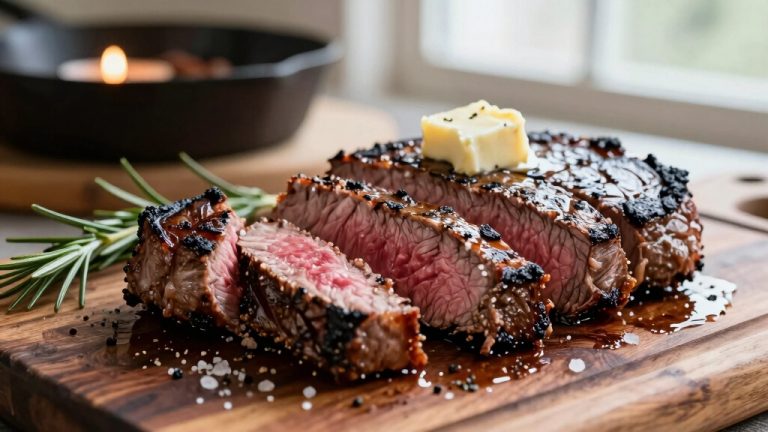
When you fire up a charcoal smoker, something magical happens. The intense heat combined with that steady stream of smoke works together to create a thicker, more flavorful bark on your meat.
You know, that delicious crust we all crave? It’s all thanks to the natural smoke from the charcoal. Those complex compounds in the smoke react with the meat’s surface, giving you that prized crust.
Now, let’s compare that to electric smokers. They just can’t quite pull off the same effect.
Their milder smoke and lower heat mean that the bark doesn’t develop as deeply or richly. So, if you’re after that perfect, flavorful crust, a charcoal smoker is the way to go! Additionally, managing airflow and oxygen levels in charcoal smokers helps maintain the ideal combustion for consistent heat and smoke flavor.
Bark Formation Mechanics
Because charcoal smokers produce intense, flavorsome smoke from burning lump charcoal, they create a more robust environment for bark formation on meat.
You get a higher concentration of smoke particles and heat that promote the Maillard reaction and caramelization, essential for that crunchy, flavorful crust.
Charcoal’s radiant heat also helps render fat and bind dry rubs tightly to the surface, unlike electric smokers, which rely mostly on convection heat and milder smoke from wood chips.
This difference means charcoal smokers encourage a thicker, more textured bark with deeper color and complexity.
While electric smokers offer steadier temps, they often lack the direct heat and dense smoke that trigger the chemical changes needed for the classic bark you crave in traditional barbecue.
Maintaining high heat between 400–500°F in charcoal smokers is key to achieving this superior Maillard browning and bark development.
Impact of Charcoal Smoke
Since charcoal smoke contains a richer blend of organic compounds and hotter combustion byproducts, it interacts more intensely with your meat’s surface. This enhances the chemical reactions that develop bark.
The complex smoke molecules from lump charcoal penetrate deeper, contributing to that dark, flavorful crust you desire. Unlike electric smokers, which rely on wood chips that produce lighter smoke, charcoal fuels a Maillard reaction intensified by higher heat and richer particulate matter.
This combination thickens and darkens the bark while infusing it with authentic smoky depth. Electric smokers may offer convenience and steadier temps but often lack this robust interaction.
As a result, you get softer, less pronounced bark. When you’re aiming for traditional BBQ with a pronounced smoky crust, charcoal smoke’s unique chemistry simply can’t be matched.
Additionally, using hardwoods like oak wood in charcoal smokers can provide a balanced, medium smoky flavor that complements the rich bark formation.
How Electric Smokers Make Smoking Easy and Hands-Free?
You’ll really appreciate how electric smokers bring a whole new level of convenience to smoking. They let you set it and forget it, which means you can walk away without having to keep a constant eye on things.
Plus, their precise temperature control ensures that the heat stays steady. This is a big deal because it eliminates the frequent adjustments that charcoal smokers require. So, you can just relax and focus on other tasks while still getting those consistently delicious smoking results.
Unlike charcoal or gas smokers, electric smokers often require less temperature monitoring, making them ideal for hands-free smoking.
Set-It-And-Forget-It
Electric smokers truly take the hassle out of the smoking process by allowing you to set it and walk away with confidence.
Unlike charcoal smokers, which demand constant fire tending and careful airflow adjustments, electric models work like a slow cooker.
Simply set your desired time and temperature, then focus on other tasks.
This hands-free convenience means you won’t need to monitor fuel levels or adjust vents frequently.
It reduces stress and effort during long smokes.
While charcoal offers richer flavors, it requires babysitting, making electric smokers ideal for beginners or busy cooks who value ease.
You’ll appreciate the built-in features like side chip loaders that add smoke without opening the door.
This maintains heat and efficiency.
This “set-it-and-forget-it” simplicity makes electric smokers perfect for worry-free, consistent smoking sessions.
Many electric smokers also include PID temperature control to maintain precise cooking temperatures within a few degrees, enhancing consistency and ease of use.
Precise Temperature Control
When controlling temperature with precision, electric smokers give you the edge by allowing exact adjustments and maintaining stability throughout the cook.
You can set your desired temperature down to the degree, and the smoker’s digital controls regulate heat consistently without constant monitoring.
In contrast, charcoal smokers require hands-on fire management, adjusting vents and adding fuel to maintain temperature.
While charcoal offers versatile temperature ranges, especially with lump charcoal reaching high heat, you’ll spend more time babysitting the fire.
Electric smokers heat quickly and use convection cooking, circulating heat evenly for predictable results.
This hands-free approach means you can walk away, trusting the smoker to keep steady temps.
Additionally, electric smokers typically maintain temperatures within a narrow range of ±15°F stability, making them reliable for long cooks.
Temperature Control: Charcoal vs. Electric Smokers
Although charcoal smokers offer versatile temperature ranges that can reach up to 1400°F with lump charcoal, managing these high heat levels requires careful regulation and frequent adjustments.
You’ll need to monitor air vents and add charcoal or wood periodically to maintain steady heat, which can be demanding. In contrast, electric smokers provide precise temperature control with simple digital settings, allowing you to set and forget without constant babysitting.
Electric models heat quickly and maintain stable temperatures through convection cooking, making it easier to smoke consistently over long periods. While charcoal gives you flexibility for various meat types, it demands hands-on management.
Electric smokers sacrifice some traditional finesse but excel in offering predictable, steady heat that suits beginners or those seeking convenience without frequent intervention. Charcoal smokers typically require more fuel compared to electric models, highlighting their lower fuel efficiency.
Fuel Types and Maintenance for Charcoal and Electric Smokers
Managing your smoker’s fuel and maintenance plays a major role in achieving consistent results and ease of use.
With charcoal smokers, you’ll handle lump charcoal or briquettes, both requiring lighting and periodic refueling. Briquettes burn longer but take more time to ignite, while lump charcoal offers richer smoke but demands closer fire management.
You’ll need to tend the fire, adding fuel and adjusting vents to maintain temperature.
Electric smokers simplify this process since they run on electricity and use wood chips for smoke flavor. They feature side chip loaders, letting you add chips without losing heat.
Maintenance is minimal, mostly involving chip replenishment and occasional cleaning.
However, unlike pellet grills, charcoal smokers lack an auger mechanism to feed fuel automatically, requiring more manual control.
Cooking Capacity and Features of Charcoal and Electric Smokers
Since cooking capacity directly affects the types and quantities of food you can smoke at once, choosing the right smoker depends on your needs.
Electric smokers like the EAST OAK typically offer around 725 square inches of cooking space, letting you smoke multiple racks of ribs or a brisket simultaneously.
They also come with features such as built-in meat probes and keep-warm modes, offering convenience and precise control.
Charcoal smokers, especially vertical models like the Weber Smokey Mountain, provide reliable performance and solid cooking space, though often slightly less than electrics.
While both types excel as insulated vertical smokers, electric models allow extended smokes with minimal intervention.
Your choice hinges on whether you prioritize convenience and features or traditional reliability and hands-on control.
Best Charcoal or Electric Smokers for Long, Low-and-Slow Cooks
When you’re gearing up for those long, low-and-slow cooks, the kind that really lets the flavors develop, you’ll definitely want a smoker that can keep the temperature steady and use fuel efficiently. Electric smokers are pretty fantastic for this!
They allow you to make precise heat adjustments, and once you set them up, you can pretty much walk away without a worry.
On the flip side, there are charcoal smokers. Sure, they need a bit more hands-on management and you might find yourself refueling them now and then, but they offer a versatile temperature range that can really enhance the flavor of your meats.
Just keep in mind, they do require a bit more attention to keep things on track.
Temperature Control Comparison
Although charcoal smokers demand more hands-on attention, they offer versatile temperature options that experienced pitmasters can fine-tune for long, low-and-slow cooks. This is especially true for models like the Weber Smokey Mountain.
You get the flexibility to manage heat by adjusting airflow and fuel type, tailoring the environment to your meat’s needs. Electric smokers, on the other hand, provide precise, stable temperature control with minimal effort. They’re perfect if you prefer set-it-and-forget-it convenience.
Consider these factors when comparing temperature control:
- Charcoal lump charcoal reaches high temps (up to 1400°F), requiring skillful regulation.
- Briquettes burn steadily at lower, consistent temperatures.
- Electric smokers heat quickly and maintain exact temps via digital controls.
- Electric convection promotes even cooking without frequent adjustments.
- Charcoal demands constant monitoring to avoid temperature spikes or drops.
Ultimately, your choice hinges on control preference versus convenience.
Fuel Efficiency and Maintenance
Mastering temperature control sets the stage for longer cooks, but fuel efficiency and maintenance play an important role in sustaining those sessions.
When you use a charcoal smoker, you’ll handle lump charcoal or briquettes that need lighting, refueling, and occasional adjustment to keep the fire steady.
Briquettes last longer but take time to ignite, and managing airflow demands your attention during long cooks.
In contrast, electric smokers run off electricity with wood chips added via side loaders, which means minimal refueling and less heat loss.
You can walk away longer without interrupting the process.
Maintenance is simpler too—mostly chip refills and occasional ash removal.
If you want consistent, low-effort sessions, electric smokers save fuel and time, while charcoal offers richer flavor at the cost of more hands-on care.
Pros and Cons of Charcoal and Electric Smoking
Because you want both flavor and ease, choosing between charcoal and electric smokers involves weighing distinct advantages and drawbacks.
Balancing flavor and convenience means understanding the pros and cons of charcoal versus electric smokers.
Charcoal smokers deliver rich, authentic smoke flavor and better bark but demand frequent fire tending and longer setup.
Electric smokers offer convenience with precise temperature control and set-it-and-forget-it use, though they lack some depth in smokiness.
Consider these points:
Charcoal creates superior taste with complex smoke profiles.
Electric provides consistent temps and easy use.
Charcoal requires ongoing fuel management and cleanup.
Electric smokes longer with minimal intervention.
Over-smoking with charcoal risks bitterness; electric may yield milder bark.
Balancing your priorities helps you pick the right smoker for your style and taste.
Final Tips for Choosing Between Charcoal and Electric Smokers
When deciding between a charcoal or electric smoker, you’ll want to weigh how much effort you’re willing to invest against the flavor results you expect.
If you crave authentic, deep smoky flavor and aren’t deterred by managing fire and temperature, a charcoal smoker like the Weber Smokey Mountain offers superior bark and richness.
However, if convenience and precise temperature control matter most, an electric smoker provides set-it-and-forget-it ease, stable heat, and longer smokes with minimal intervention.
Consider your cooking frequency, patience for maintenance, and flavor preferences. Charcoal demands more hands-on work but rewards you with traditional BBQ excellence.
Electric prioritizes predictability and simplicity, though it may lack some depth. Ultimately, choose the smoker that matches your lifestyle and taste priorities for the best BBQ experience.
Frequently Asked Questions
How Do Weather Conditions Impact Charcoal Versus Electric Smoker Performance?
You’ll find weather impacts charcoal smokers more since wind, rain, and cold can disrupt the fire, making temperature control tricky. This requires constant adjustments.
Electric smokers handle weather better; their insulated bodies and precise controls keep heat steady despite outside conditions.
So, if you expect variable weather, an electric smoker lets you cook with less stress.
Charcoal demands your attention to maintain consistent heat and smoke during tough outdoor conditions.
Can Electric Smokers Be Used Indoors Safely?
You absolutely can’t use electric smokers indoors safely. They’re designed for outdoor use only!
While they don’t produce the heavy smoke or open flames that charcoal smokers do, electric smokers still emit smoke and heat that need proper ventilation.
Using them inside risks harmful smoke buildup and fire hazards. Always operate electric smokers outdoors in a well-ventilated area to enjoy safe, flavorful smoking without risking your health or home.
What Types of Wood Chips Work Best With Electric Smokers?
You’ll find hardwood chips like hickory, mesquite, apple, cherry, and oak work best with electric smokers. They produce a steady, flavorful smoke without overpowering your food.
Softer woods can burn too quickly or add harsh flavors. Since electric smokers rely on wood chips rather than charcoal, choosing dense hardwood chips gives you better smoke quality and longer smokes.
Make sure to soak the chips to prevent rapid burning and maintain consistent smoke output.
How Long Does It Take to Clean Each Type of Smoker?
You’ll love how quickly an electric smoker cleans up.
It usually takes just 20 to 30 minutes since ash disposal is minimal and surfaces wipe down easily.
Charcoal smokers, on the other hand, demand your patience.
Expect 45 minutes to an hour due to ash removal, scrubbing grates, and dealing with soot buildup.
While electric’s convenience saves time, charcoal’s cleanup is part of the ritual.
It reinforces your dedication to authentic BBQ flavor.
Are There Health Differences Between Charcoal and Electric Smoked Foods?
You should know that foods smoked with charcoal can contain more polycyclic aromatic hydrocarbons (PAHs), compounds linked to health risks, due to incomplete combustion.
Electric smokers produce fewer PAHs since they burn wood chips at lower temperatures with less smoke.
However, both methods can be safe if you avoid over-smoking and charred bits.
Electric smoking offers a cleaner process, reducing potential harmful residues compared to charcoal’s traditional fire-based approach.
Charcoal or Electric: Your Perfect Smoke Starts Here
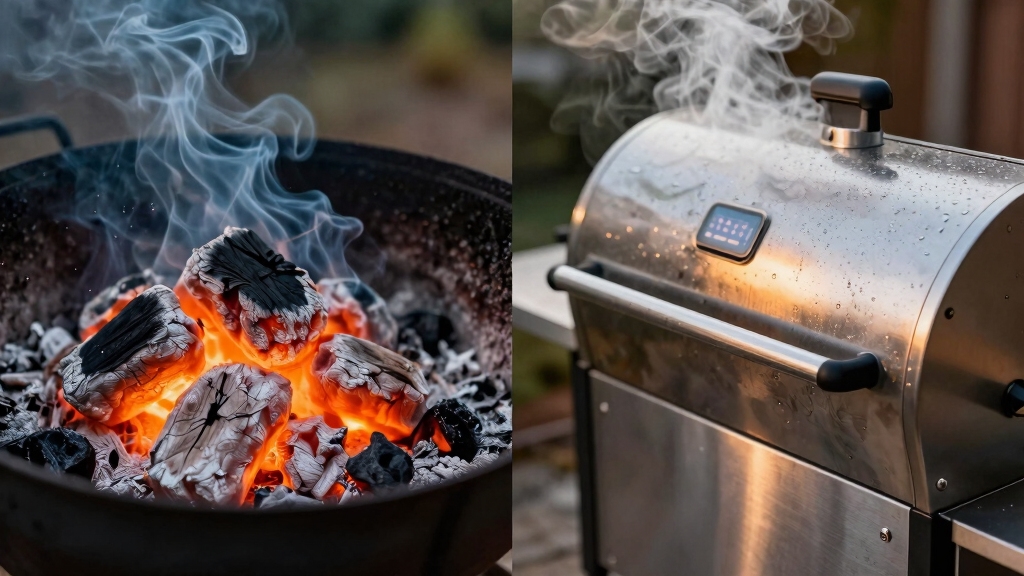
Picture the rich, smoky bark from a charcoal smoker, its flames dancing and infusing deep flavor. Versus the steady, effortless hum of an electric smoker, keeping temps low and steady like clockwork.
Your choice depends on whether you crave hands-on control and bold taste or convenience and precision. Both bring juicy, tender results, but only you can decide if you want tradition’s smoky art or modern ease by your side.