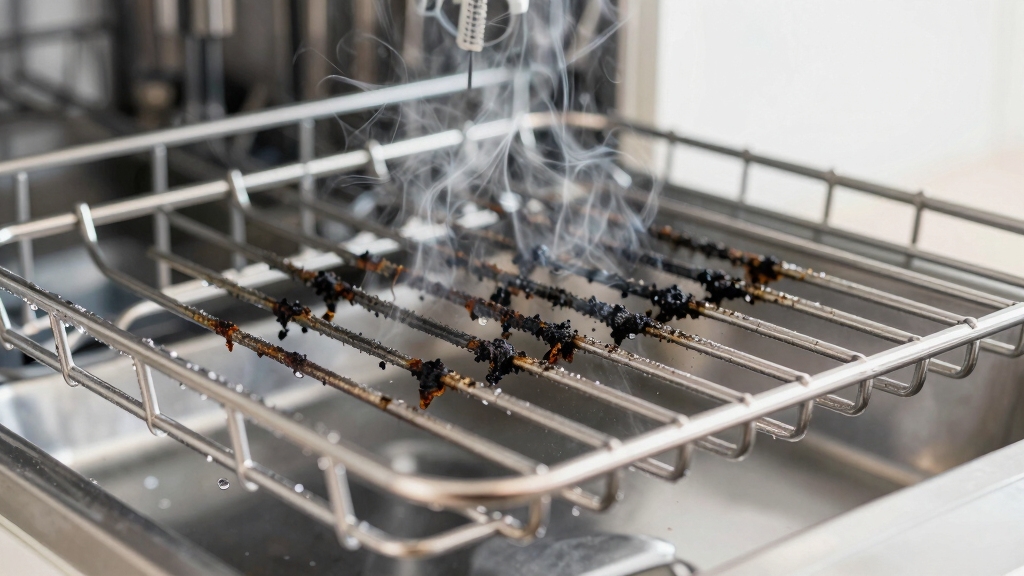
Can You Put Grill Grates in the Dishwasher: What You Should Know
You shouldn’t put grill grates in the dishwasher because high heat and harsh detergents strip seasoning and damage coatings, especially on cast iron and porcelain-enameled types.
Stainless steel grates are more resistant but still risk seasoning loss, corrosion, or warping if exposed repeatedly.
Many manufacturers advise hand washing with mild soap and thorough drying to protect your grates.
To preserve performance and longevity, understanding proper cleaning and maintenance methods is essential for keeping your grill grates in peak condition.
Key Takeaways
- Cast iron grill grates are never dishwasher-safe, as harsh detergents and high heat strip seasoning and cause rust.
- Porcelain-enameled grates risk chipping and coating damage from dishwasher detergents and abrasive cycles, so hand washing is preferred.
- Stainless steel grates can withstand dishwasher cycles but may lose seasoning and risk warping thinner components; pre-washing and re-seasoning are recommended.
- Most manufacturers advise against dishwasher cleaning to avoid corrosion, warping, and seasoning loss, favoring hand washing and brushing warm grates instead.
- Safe cleaning alternatives include preheating the grill and scrubbing with a stainless steel brush or soaking grates in mild soapy water off the grill.
Are Grill Grates Dishwasher-Safe? What You Need to Know?

Why avoid putting grill grates in the dishwasher?
Dishwashers expose grates to harsh detergents and intense steam, which strip away protective seasoning and cause corrosion, especially on cast iron and porcelain-enameled surfaces.
Dishwasher detergents and steam erode seasoning and promote corrosion, harming cast iron and porcelain-enameled grates.
Cast iron grates are never dishwasher-safe; the dishwasher destroys their patina and leads to rust.
Porcelain-enameled grates risk chipping from abrasive cycles and detergents, reducing lifespan.
Even stainless steel grates, though more resilient, can suffer from detergent residue and clog dishwasher plumbing if not pre-rinsed.
Hand washing with a stainless steel brush while the grates are warm, followed by proper seasoning, preserves surface integrity and performance.
Manufacturers generally advise against dishwasher cleaning to prevent warping, corrosion, and seasoning loss. This ensures your grates maintain durability and cooking quality over time.
Regular maintenance and cleaning using safe products and appropriate techniques can significantly extend the life of your grill grates.
Dishwasher-Safe Stainless Steel Grill Grates: What to Expect?
You can definitely count on your stainless steel grill grates to withstand a dishwasher cycle without worrying about corrosion or damage. This makes cleaning up a breeze!
Just a heads up, though—it’s a good idea to give them a quick pre-wash to avoid any clogs in your dishwasher.
Once they come out, don’t forget to re-season the grates. This helps maintain that all-important protective layer. Just keep in mind that dishwasher detergents and steam can wear down the seasoning over time.
To prevent rust and prolong the life of your grates, it’s best to oil metal surfaces lightly after drying.
Dishwasher Cleaning Benefits
Harnessing the dishwasher to clean stainless steel grill grates streamlines your post-cookout routine by delivering thorough sanitation without manual scrubbing.
You benefit from high-temperature water jets that efficiently remove grease, char, and food residue, ensuring hygienic surfaces ready for the next use.
The enclosed environment prevents airborne contaminants during cleaning, while the detergent breaks down stubborn grime chemically rather than mechanically.
Key benefits include:
- Consistent, high-heat cycles sanitize and disinfect effectively
- Automated cleaning reduces time and effort spent post-grilling
- Detergents penetrate crevices unreachable by brushes
- Prevents cross-contamination by isolating grates during washing
This method optimizes cleanliness while preserving stainless steel integrity, making dishwasher use a practical choice for compatible grill grates. Proper cleaning and drying before seasoning are essential to prevent rust and contamination during smoker maintenance.
Maintenance After Dishwasher Use
Regularly maintaining stainless steel grill grates after dishwasher cycles guarantees their longevity and peak performance.
After cleaning, inspect for residue or water spots; use a stainless steel brush to remove any remaining debris.
Dry thoroughly to prevent water stains and corrosion.
Re-season the grates by applying a thin layer of cooking oil and heating them briefly to restore the protective coating.
Proper maintenance minimizes wear from dishwasher detergents and steam exposure.
| Maintenance Step | Description |
|---|---|
| Inspection | Check for leftover grime or spots |
| Brushing | Scrub with stainless steel brush |
| Drying | Air dry or towel dry completely |
| Re-seasoning | Apply oil and heat to protect |
| Storage | Store in a dry, ventilated place |
Potential Dishwasher Limitations
While proper maintenance after dishwasher cleaning helps preserve stainless steel grill grates, understanding the limitations of dishwasher use remains important.
Dishwashers can degrade seasoning and fail to remove heavy residue, requiring additional care. You should recognize these constraints to avoid damage and safeguard longevity.
Dishwasher steam can strip protective seasoning, necessitating re-seasoning post-cleaning.
Residual food particles may clog dishwasher plumbing if grates aren’t pre-washed.
Harsh detergents may cause minor surface pitting or discoloration over time.
High heat cycles risk warping thinner or lower-grade stainless steel components.
For persistent issues like mold growth, combining heat treatment with manual cleaning techniques ensures effective mold removal and safe grill maintenance.
Why Cast Iron Grill Grates Should Never Go in the Dishwasher?
Because cast iron grill grates rely on a protective seasoning layer, putting them in the dishwasher undermines their durability and performance.
Cast iron grill grates depend on their seasoning, so dishwashing damages their durability and effectiveness.
The dishwasher’s high heat and harsh detergents strip away this essential patina, exposing the raw metal to oxidation and rust.
You’ll lose the non-stick surface that the seasoning provides, reducing cooking efficiency and increasing the risk of food sticking. Additionally, the dishwasher’s steam environment accelerates corrosion, further degrading the grate.
After any exposure to soap or detergent, you must reseason the grates to restore their protective coating.
To preserve their lifespan and functionality, always hand wash cast iron grates with minimal soap and dry them thoroughly before applying a heat-resistant oil to maintain seasoning.
Avoid the dishwasher to guarantee long-term performance and reliability.
Proper drying and moisture prevention before storage is essential to maintain the seasoning and prevent rust.
Porcelain-Enamelled Grill Grates and Dishwasher Use: What’s Safe?
Cast iron grates demand careful hand washing to preserve their seasoning. However, porcelain-enamelled grill grates tolerate cleaning differently.
You can usually clean these grates by exposing them to high heat, then brushing off residue. Mild detergent may be used, but dishwasher use is generally not recommended due to the risk of chipping the enamel coating.
Some users claim success with dishwasher cleaning on specific company like Pit Boss, but this isn’t universal.
Consider these points when cleaning porcelain-enamelled grates:
- Use high heat exposure to loosen debris before scrubbing.
- Avoid harsh chemicals that can chip the enamel surface.
- Mild detergent is optional but safer than dishwasher detergents.
- Hand washing remains the preferred method for longevity and protection.
This approach guarantees durability without compromising the porcelain finish. Always ensure that grill components are completely cooled before cleaning to prevent damage and ensure safety, as recommended for safe smoker operation.
Major Grill Brands’ Dishwasher Guidelines for Grill Grates
Hey there! If you’re a grill enthusiast, you might want to pay attention to how you clean your grill grates. Major company’s like Char-Broil clearly suggest steering clear of the dishwasher for most grill grates. Why? Well, it can really cause some damage.
Now, if you’re thinking about Weber, they take it a step further. They actually prohibit putting cooking grates and Flavorizer bars in the dishwasher. The reason? It can strip away the seasoning and even warp the grates, which is definitely not what you want.
On the flip side, GrillGrates and Napoleon have a different approach. They recommend hand washing and hot brushing instead. This method not only keeps your grates in top shape but also helps extend their life. So, keep that in mind next time you’re considering your cleaning options!
For example, Timberline grates are made of solid 304 stainless steel, which are more resistant to damage and easier to clean compared to porcelain-coated options.
Char-Broil Dishwasher Warnings
Although many grill owners seek convenient cleaning methods, Char-Broil explicitly warns against placing most grill grates in the dishwasher. The intense heat and harsh detergents can deteriorate protective coatings and damage the metal integrity. Char-Broil recommends hand washing to preserve your grates’ lifespan and performance.
Key Char-Broil dishwasher warnings include:
Dishwasher steam strips seasoning and protective layers.
Harsh chemicals cause pitting and corrosion on coated surfaces.
Cast iron and porcelain-enameled grates are especially vulnerable.
Residual food particles risk clogging dishwasher plumbing if not pre-rinsed.
To maintain your Char-Broil grates, avoid dishwasher use and clean manually with mild soap and warm water. This guarantees durability and peak grilling performance over time. Additionally, understanding the heat resistance of materials can help you choose the safest cleaning methods for your grill components.
Weber Dishwasher Restrictions
When cleaning your Weber grill grates, it’s important to note that the manufacturer strictly prohibits placing cooking grates and Flavorizer bars in the dishwasher.
Dishwasher use can strip protective seasoning, cause corrosion, and warp metal components. Weber recommends hand washing with warm soapy water and scrubbing with a stainless steel brush while the grates are still warm for peak maintenance.
| Component | Dishwasher Safe? | Recommended Cleaning Method |
|---|---|---|
| Cooking Grates | No | Hand wash, scrub warm with brush |
| Flavorizer Bars | No | Hand wash, avoid detergents |
| Stainless Steel Parts | Yes (if fitting) | Pre-wash, then dishwasher acceptable |
| Porcelain Coated | No | Hand wash, mild detergent optional |
| Cast Iron Grates | No | Hand wash, re-season after cleaning |
Proper maintenance, including cleaning, helps maintain consistent performance and temperature control by preventing issues with the temperature sensor.
GrillGrates And Napoleon Advice
Following Weber’s strict dishwasher restrictions, other leading grill brands like GrillGrates and Napoleon also caution against using dishwashers for cleaning their grill grates.
GrillGrates explicitly warn that dishwasher steam and detergents degrade coating and warp metal.
Napoleon recommends hot brushing to remove residue, avoiding soaking or dishwasher cycles that strip seasoning and cause corrosion.
When cleaning GrillGrates or Napoleon grates, keep in mind:
- Avoid dishwasher use to preserve protective coatings and patina.
- Hand wash with mild detergent and hot water promptly after use.
- Use a stainless steel brush while grates are warm for best residue removal.
- Re-season cast iron grates after any soap or water exposure to maintain non-stick surface.
Following these practices extends grate lifespan, maintains performance, and prevents damage from harsh dishwasher conditions. For optimal maintenance, it is important to avoid prolonged exposure to harsh chemicals and heat that can compromise protective coatings on grill surfaces.
How Dishwashers Can Damage Grill Grate Seasoning and Coatings?
Because dishwashers use high-temperature steam and strong detergents, they can strip away the protective seasoning and coatings on your grill grates.
High heat and harsh detergents in dishwashers strip away your grill grates’ protective seasoning and coatings.
This exposure compromises cast iron’s patina, essential for rust resistance and non-stick properties, forcing you to reseason after each wash.
Porcelain-enamelled surfaces risk chipping or pitting due to harsh chemicals and mechanical agitation, which degrade the coating’s integrity.
Even stainless steel grates, while dishwasher-safe, may lose their seasoning or surface finish over time, reducing durability.
The intense steam and detergents accelerate corrosion and wear by breaking down oils and baked-on layers vital for protection.
Ultimately, dishwasher cleaning disrupts the chemical and physical barriers designed to extend your grill grate’s lifespan.
This requires frequent maintenance or premature replacement to maintain peak performance.
Safe Alternatives to Dishwasher Cleaning for Grill Grates
Maintain your grill grates’ longevity by opting for hand washing and targeted cleaning methods instead of dishwasher use. Dishwashers can strip seasoning, damage coatings, and cause corrosion or warping.
Instead, clean your grates using these safe, effective alternatives:
Preheat grill to 500°F+ and use a stainless steel brush to remove residue while hot.
Soak grates in warm water with mild dish soap off the grill to loosen debris.
Use a tinfoil ball to scrape and steam-clean stubborn grease during preheating.
Avoid harsh detergents and abrasive tools that can chip or erode surfaces.
These methods preserve protective layers and prevent damage, ensuring your grill grates remain functional and durable without risking dishwasher-related deterioration.
How to Maintain and Re-Season Grill Grates After Cleaning?
Restore your grill grates’ protective layer promptly after cleaning to prevent rust, corrosion, and food sticking.
For cast iron grates, dry them thoroughly, then apply a thin layer of high-smoke point oil like flaxseed or canola using a cloth or spray.
Heat the grates on the grill at 400-450°F for 30-60 minutes to polymerize the oil, restoring the seasoning.
Stainless steel grates benefit from similar oil application post-soaking to maintain their seasoning and prevent oxidation.
Avoid detergents or dishwasher use that strip this layer.
Porcelain-enameled grates require gentle cleaning, so re-seasoning isn’t necessary.
Inspect for chips and touch up with manufacturer-approved coatings if damaged.
Regular maintenance by heating and oiling extends grate life and guarantees peak cooking performance and corrosion resistance.
Frequently Asked Questions
Can Dishwasher Detergent Cause Rust on Grill Grates?
Yes, dishwasher detergent can cause rust on grill grates, especially if they’re cast iron or have protective coatings.
The harsh chemicals and high heat strip away seasoning and protective layers, exposing metal to moisture and oxygen, which leads to rust.
To prevent this, avoid using dishwasher detergent on grates; instead, hand wash with mild soap and water.
Dry thoroughly and reapply oil or seasoning to maintain protection against corrosion.
How Often Should Grill Grates Be Cleaned Professionally?
You should have your grill grates professionally cleaned once or twice a year, depending on usage frequency.
Heavy users might need biannual service, while occasional users can schedule annual cleanings.
Professional cleaning guarantees deep removal of carbon buildup and restores protective seasoning without damage.
Regular maintenance alongside your routine hand washing preserves grate longevity and performance.
This prevents corrosion and warping caused by excessive heat or harsh chemicals.
Are There Specific Brushes Best for Cleaning Grill Grates?
You should use stainless steel brushes for stainless steel grates and brass-bristled brushes for porcelain-enameled grates to avoid damage.
For cast iron, opt for stiff, non-metallic brushes or nylon brushes to preserve seasoning.
Make certain brushes have heat-resistant handles to withstand high temperatures.
Always clean grates while still hot to loosen debris efficiently.
Avoid wire brushes with loose bristles that can break off and cause ingestion hazards.
Regular brush maintenance extends their lifespan.
Can Leftover Food Residue Affect Grill Grate Longevity?
Imagine hardened food residue like corrosive rust slowly eating away at your grill grates.
Yes, leftover food residue markedly affects grate longevity by trapping moisture and promoting oxidation, especially on cast iron and stainless steel.
This buildup deteriorates seasoning and causes pitting.
To preserve your grates’ integrity, clean thoroughly after each use, removing debris with appropriate brushes and avoiding harsh chemicals.
Regular maintenance extends life and maintains peak cooking performance.
What’s the Best Storage Method to Prevent Grate Damage?
You should store grill grates in a dry, well-ventilated area to prevent rust and corrosion.
After thoroughly cleaning and drying, apply a thin layer of heat-resistant oil to maintain seasoning, especially for cast iron.
Avoid stacking grates directly to prevent chipping or scratching.
Use cloth or paper towels as separators.
Keep them off damp surfaces and away from extreme temperature fluctuations to preserve integrity and extend their lifespan.
Keep Your Grill Grates Strong and Seasoned
Think of your grill grates as the backbone of your cooking. Dishwashers may promise convenience but can strip away their protective armor, especially with cast iron and enamel coatings.
Stainless steel grates handle dishwashers better, yet even they risk wear. To preserve their strength and seasoning, steer clear of dishwasher cycles.
Instead, choose careful hand cleaning and re-seasoning to maintain their peak performance. This ensures your grill grates remain a reliable foundation for every flavorful meal.