Beef Brisket and Beans Recipe: Perfect for Family Meals
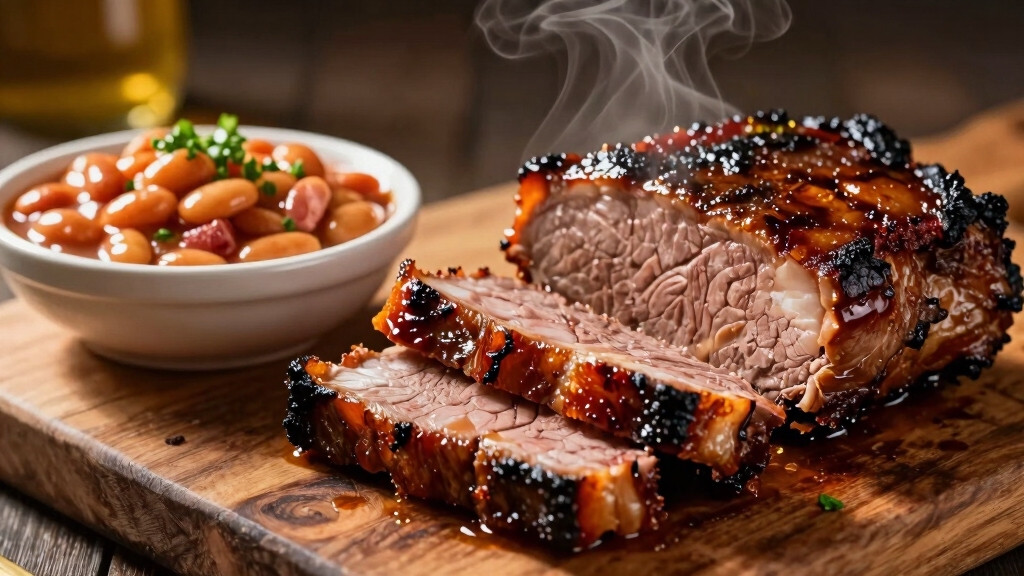
Start by smoking a well-trimmed brisket with a bold rub, then cube it for tender, smoky bites.
Soak and rinse your beans well before simmering them gently with sautéed onions, and peppers.
Stir in honey-based sauces and spices, then blend in the smoked brisket for deep, rich flavors.
Finish by slow-smoking the beans to add even more complexity.
If you want to perfect each step and learn great pairing ideas, keep exploring the process.
Key Takeaways
- Choose a brisket cut like whole packer or marbled point and trim fat to enhance flavor and texture in your beans.
- Soak and rinse dry beans thoroughly before combining with brisket for optimal cooking and texture.
- Smoke brisket at 225–250°F, apply a Texas-style rub, and rest before chopping and adding to beans.
- Simmer beans gently for 1–3 hours, optionally smoke on the grill, and finish with sweet BBQ sauce and spices.
Recipe at a Glance
| Ingredients / Tools | Steps / Actions |
|---|---|
| Beef brisket (trimmed) | Pat dry and season generously with salt, pepper, and spices |
| Onion and garlic | Chop finely to build a rich flavor base |
| Canned or soaked beans | Rinse thoroughly and set aside |
| Tomato paste or crushed tomatoes | Adds depth, richness, and body |
| Beef broth or stock | Pour in to keep the brisket moist and tender |
| Smoked paprika and cumin | Enhance the smoky, savory profile |
| Heavy pot or Dutch oven | Sear brisket on all sides for maximum flavor |
| Oven or slow cooker | Cook low and slow until brisket is fork-tender |
| Knife and cutting board | Slice brisket against the grain before serving |
| Serving bowl | Combine brisket and beans, then serve hot and hearty |
Ingredients Needed for Brisket and Beans

To whip up a hearty brisket and beans dish, you’ll want to start by choosing the right cut of brisket. Whether it’s the whole packer for rich, fatty goodness, the leaner flat for neat slices, or the marbled point for tender shredding, plan on about 1 to 2 pounds of brisket for a 6-8 serving pan, balancing meat with beans.
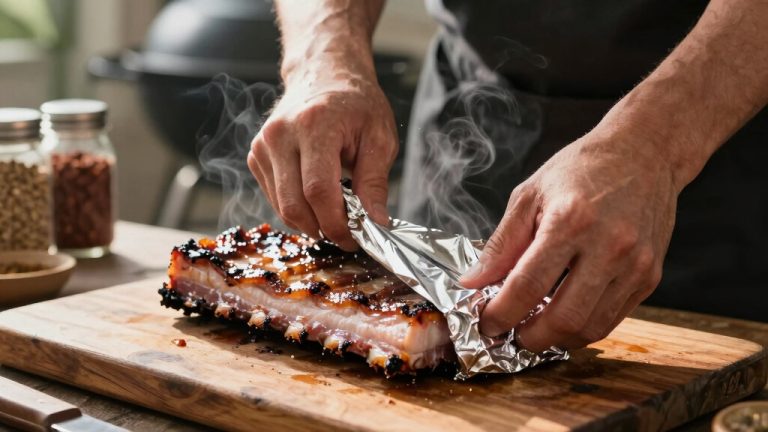
Wrapping the brisket during cooking at the stall temperature can help retain moisture and tenderness. Aromatics like onions, garlic, and peppers build flavor layers, while tomato products and barbecue sauce bring sweetness and tang.
Brown sugar, molasses, or honey deepen caramel notes, and a splash of beef stock enriches the cooking liquid. Beans varieties such as navy, kidney, white, or pinto beans work well in this recipe and add texture and nutrition.Together, these ingredients create the perfect foundation for your brisket and beans masterpiece.
Preparing the Beans for Cooking
Once you’ve gathered your brisket and flavorful ingredients, turning your attention to the beans will guarantee they cook perfectly alongside the meat.
Gather your brisket and ingredients, then focus on beans to ensure they cook perfectly with the meat.
Start by carefully sorting through the dry beans, discarding any stones or damaged pieces. Rinse them thoroughly in a fine mesh strainer, changing the water several times to remove dust and impurities. If any beans float, toss them out.
Next, soak your beans using your preferred method: hot soak, quick soak, or overnight soak. Add salt to the soaking water to help break down the skins and improve digestion. Always drain and rinse the beans with fresh cool water afterward.
When ready, cover the soaked beans with fresh cold water by two inches in a large pot. Bring them to a gentle boil to prepare them for cooking with your brisket. Proper temperature control during cooking ensures the beans soften evenly without splitting.
Incorporating Smoked Brisket and Seasonings
Although preparing smoked brisket demands patience and attention, mastering your seasoning and smoking techniques will guarantee your dish to new heights.
Start by trimming your brisket to a uniform quarter-inch fat cap. Then coat it with a mustard binder for seasoning adhesion. It is important to remove hard fat that will not render during smoking to ensure the best texture.
Maintaining a steady smoker temperature between 225°F and 250°F is essential to achieve even cooking and tenderness.
Generously apply a Texas-style rub of coarse kosher salt, black pepper, and garlic powder, covering all sides to build a flavorful bark.
Position the point end toward heat and smoke at 225-250°F with hardwood like hickory. Rotate every 45 minutes for even cooking. Using a water pan can help stabilize heat and add moisture during the smoking process.
Wrapping at 160-170°F with butcher paper and adding beef broth locks in moisture.
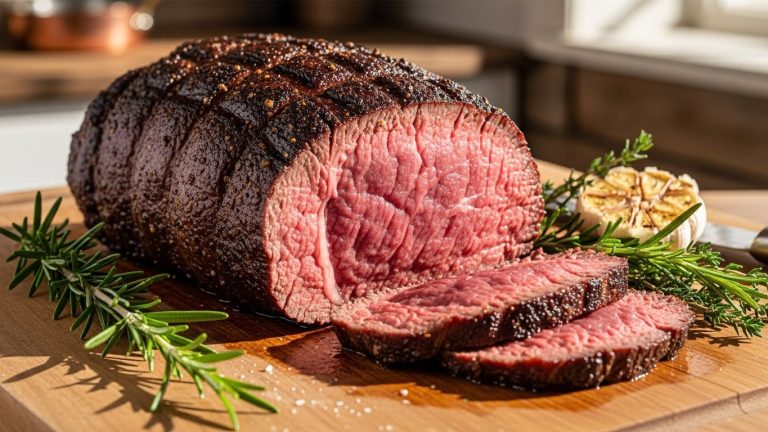
Finally, rest your brisket before slicing against the grain to ensure tender, smoky bites that perfectly complement your beans.
Mixing in Sauces and Sweeteners

After perfecting your smoked brisket, the next step is to enhance its rich flavor by mixing in a blend of sauces and sweeteners. This process balances savory, sweet, and spicy notes, elevating your dish to bold perfection. It is important to simmer gently to meld flavors without overpowering the meat’s natural taste.
Follow these key steps:
- Coat brisket cubes with Big Rick’s Jalapeño Honey Mustard for a honey-based sweetness that adds depth.
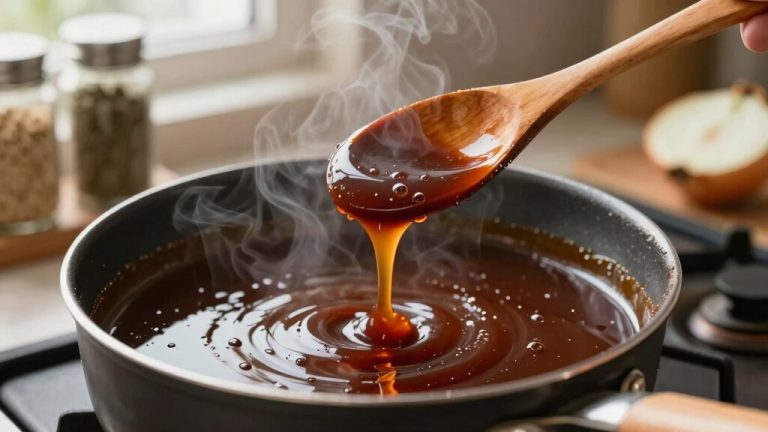
- Stir in 1.5 bottles of Heath Riles Sweet BBQ Sauce alongside brown sugar to balance tang and sweetness.
- Blend in spices like Trail Dust seasoning and a splash of Worcestershire sauce to add savory complexity. The chopped brisket is added to the beans mixture, which is simmered to your desired consistency on the grill, allowing flavors to meld perfectly final simmer.
Simmering the Beans and Meat Mixture
When you start simmering the beans and brisket together, maintaining a gentle temperature around 185–205°F (85–96°C) is essential to soften the beans evenly without breaking their skins or evaporating too much liquid.
This low-and-slow cooking approach mirrors the traditional Texas barbecue method, ensuring the brisket trimmings render their fat and collagen fully into the beans for a velvety texture. For optimal texture and flavor, allowing the mixture to rest covered off heat after simmering helps with moisture redistribution throughout the dish.
Expect to simmer for 1–3 hours, adjusting liquid levels and stirring gently to preserve textures. Adding brisket late keeps meat tender and intact, while a longer simmer extracts collagen for richness.
Rest the pot covered off heat for 15–30 minutes to deepen flavors.
| Simmer Time | Temperature (°F) | Key Effect |
|---|---|---|
| 1–3 hours | 185–205 | Beans soften without bursting |
| 6+ hours (slow) | ~185 | Collagen extraction, richer sauce |
| Rest (off heat) | N/A | Flavor melding and carryover softening |
| Avoid rolling boil | >205 | Breaks beans, emulsifies fat |
Smoking the Beans for Enhanced Flavor
Fire up your smoker to around 275°F and get ready to infuse your beans with deep, smoky richness.
Start by placing your parboiled beans in an uncovered Dutch oven or foil pan right on the grate, allowing smoke to permeate evenly. Using hardwoods like oak or pecan will provide a balanced smoke flavor that enhances the beans without overpowering them.
Here’s how to maximize flavor:
- Maintain a steady smoker temperature between 225-275°F to ensure slow, thorough cooking.
- Smoke the beans uncovered for 1.5-2 hours, stirring occasionally; if they dry out, add water and cover briefly.
- Incorporate chopped smoked brisket before smoking to let its savory fat drip into the beans, enriching the taste.
This process concentrates flavors, balances smoky aroma with spices, and yields thick, richly flavored beans perfect for your brisket feast. The beans also keep well in a sealed container in the refrigerator for at least 3 days, making them a convenient make-ahead side dish.
Serving Suggestions and Storage Tips
Although the smoky beans shine on their own, pairing them thoughtfully elevates your meal to a new level. Holding brisket at the proper temperature range ensures it remains tender and juicy when served alongside these beans.
Serve them alongside sliced brisket, sausage, or classic Southern sides like cornbread and coleslaw for balanced flavors.
For casual meals, try beans over scrambled eggs or in tacos. Using a cast iron Dutch oven enhances the depth of flavor when cooking these beans slowly.
When storing, keep leftovers in airtight containers. Refrigerate for up to 4 days or freeze for 3 months.
Reheat gently on the stovetop or in the oven, adding broth if needed to maintain creaminess.
| Serving Pairings | Storage Tips |
|---|---|
| BBQ meats (brisket, ribs) | Refrigerate 3–4 days airtight |
| Southern sides (cornbread) | Freeze 3 months, label date |
| Breakfast (eggs, tacos) | Thaw overnight in fridge |
| Sandwich toppings | Reheat low heat with stirring |
| Garnishes (onion, jalapeños) | Add broth for reheating moisture |
Frequently Asked Questions
Can I Use a Slow Cooker Instead of a Smoker for This Recipe?
Yes, you can definitely use a slow cooker instead of a smoker for this recipe.
It handles raw brisket and beans perfectly, letting flavors meld slowly for tender, hearty results.
Just throw all ingredients in at once, cook low and slow for several hours, and add liquid smoke or smoked paprika to mimic that smoky vibe.
You’ll get delicious, satisfying brisket and beans without the hassle of a smoker.
What Type of Wood Chips Work Best for Smoking Brisket and Beans?
You want wood chips that bring bold, balanced, and bright flavors.
Oak offers rich, steady smoke that won’t overpower.
Mesquite adds intense, earthy notes but use it sparingly.
Cherry gives sweet, fruity hints and a beautiful color.
Pecan provides mild, nutty undertones that enhance without overwhelming.
Mixing these woods lets you craft a complex, mouthwatering smoke profile every time.
How Do I Reheat Leftover Brisket and Beans Without Drying Them Out?
To reheat brisket and beans without drying them out, warm the brisket gently at 225–325°F, wrapped tightly in foil with added beef broth or sauce to lock in moisture.
For beans, heat slowly on the stovetop or oven with a splash of liquid, stirring occasionally.
Combine sliced brisket with beans near the end to keep meat juicy and let flavors meld.
Avoid high heat or microwaving to preserve tenderness and texture.
Are There Vegetarian Alternatives to Smoked Brisket in This Recipe?
You can absolutely swap smoked brisket with vegetarian options that sing with smoky goodness.
Try seitan; it’s dense and chewy, perfect for slicing or shredding and soaking up smoky flavors like a sponge.
Jackfruit offers a stringy, pulled texture that pairs beautifully with liquid smoke and rich sauces.
Pulled mushrooms or legume-based loaves also bring umami depth and satisfying texture.
Add liquid smoke and umami boosters to nail that bold, smoky brisket vibe.
Can I Prepare This Dish in Advance for a Large Gathering?
Yes, you can definitely prepare this dish in advance for a large gathering.
Soak the beans with spices ahead, then add brisket and simmer on the cooking day. You can also slow cook everything together early, letting flavors meld over hours.
After cooking, store the beans tightly covered; they keep well and reheat easily.
This approach saves time and serves 10-12 guests with rich, smoky, crowd-pleasing beans ready to go.
Turn This Beef Brisket and Beans Recipe Into a Family Favorite
Just like a well-tuned orchestra, your beef brisket and beans blend smoky, savory, and sweet notes into a perfect harmony.
Remember, patience is key. Letting those flavors simmer and smoke together transforms simple ingredients into a soulful meal.
Think of it as crafting a flavorful story where each bite reveals a new chapter.
Serve it warm, share it generously, and watch how this dish brings people together, creating memories as rich as its taste.