Alaska Smoked Salmon Recipe: Easy Authentic Flavor at Home
To make authentic Alaska smoked salmon, thaw your fillets slowly in the fridge for 24 hours. Slice into uniform strips with skin intact, then brine using a balanced mix of brown sugar and salt or a savory soy-based brine, curing in the fridge.
Rinse, dry until a tacky pellicle forms, and smoke with mild woods like alder at controlled temperatures from 250°F down to 140°F over 6 hours. Apply glaze intermittently and rotate for even smoke.
Proper cooling and storage preserve flavor and texture. To master every step, keep exploring the detailed techniques.
Key Takeaways
- Thaw salmon fillets in the refrigerator for 24 hours, then slice into uniform strips with skin intact for even smoking.
- Cure salmon using a classic mix of 2 cups brown sugar and 1 cup salt for 8–12 hours at room temperature.
- Form a tacky pellicle by drying salmon strips on racks with fan circulation for about 12 hours before smoking.
- Smoke salmon starting at 250°F for 30 minutes, then maintain 150°F for 2–2.5 hours, finishing at 140°F for a total of 6+ hours.
- Apply glaze every 30 minutes during smoking, rotate racks every 2 hours, and cool salmon naturally before storing refrigerated.
Alaska Smoked Salmon Recipe Table: Authentic, Rich & Perfectly Smoked
| Step | Ingredients / Tools | Instructions | Pro Tips for Best Results |
|---|---|---|---|
| 1. Thaw & Cut Salmon | Frozen salmon fillets, knife | Thaw in fridge for 24 hours. Slice into uniform strips (skin intact). | Even cuts ensure consistent smoking and texture. |
| 2. Brine the Salmon | Brown sugar, salt, or soy-based brine | Cure salmon for 8–12 hours (or longer for deeper flavor). | Balance salt & sugar to avoid over-salting. Use non-reactive container. |
| 3. Rinse & Dry | Cold water, racks, fan | Rinse off brine, pat dry, and air-dry for ~12 hours until pellicle forms. | A tacky surface helps smoke stick better for richer flavor. |
| 4. Prepare Smoker & Wood | Smoker, alder/apple/cherry wood | Preheat smoker to 250°F, then reduce heat gradually. | Alder wood gives authentic mild Alaskan smoky flavor. |
| 5. Smoke the Salmon | Brined salmon strips | Smoke over 6+ hours (250°F → 150°F → 140°F stages). | Maintain steady temperature to avoid drying out the fish. |
| 6. Glaze & Rotate | Optional glaze (sweet or savory) | Apply glaze every 30 minutes and rotate racks every 2 hours. | Ensures even cooking and enhances flavor layers. |
| 7. Cut & Cool | Knife, cooling rack | Slice into strips and cool at room temp (~30 minutes). | Don’t stack pieces—prevents moisture buildup. |
| 8. Store & Serve | Airtight container | Refrigerate up to 1 week or freeze up to 3 months. | Serve with bagels, salads, or eggs for best experience. |
Thawing and Cutting Salmon for Smoking

Begin by thawing your frozen salmon fillets in the refrigerator for 24 hours to guarantee even, safe defrosting.
Once thawed, place the fillet skin-side down on a clean cutting board.
Slice the fillet into 3/4” to 1” thick strips perpendicular to the length, ensuring uniformity for even smoking.
Next, carefully cut each strip into 1/2” slices without cutting through the skin, preserving the fillet’s integrity.
For smaller portions, trim these slices into 3/8” to 1/2” wide strips, each 3 to 6 inches long.
Alternatively, you can cut the fillets into 1-inch by 2-inch chunks with skin intact.
These precise cuts help maintain texture and allow consistent smoke penetration, essential for a well-prepared Alaska smoked salmon.
For best results, pat the salmon dry before cutting to reduce surface moisture and prevent ice crystal damage during freezing, which helps preserve texture and flavor.
Brining Alaska Smoked Salmon: Best Techniques
When it comes to brining Alaska smoked salmon, picking the right brine composition is key. You want to find that sweet spot by balancing salt, sugar, and spices. This not only enhances the flavor but also improves the texture.
Now, when applying the brine, consider using multiple coatings or soak times. This way, the salmon can cure evenly without running the risk of being over-salted. It’s all about getting that perfect bite!
And don’t forget—experimenting can really take your smoked salmon to the next level. Adding flavor boosters like garlic, cayenne, or even a splash of soy sauce can really customize your taste profile. Have fun with it!
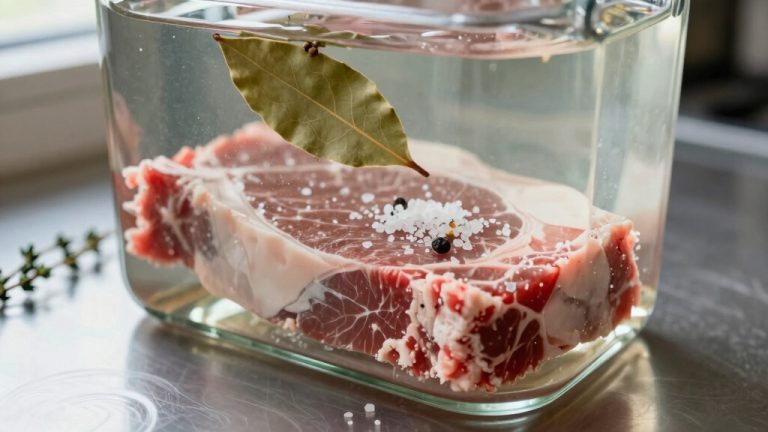
Be sure to fully submerge the salmon in the cooled brine within a non-reactive container to ensure even flavor distribution and prevent unwanted chemical reactions.
Brine Composition Options
Several effective brine compositions can enhance the flavor and texture of your Alaska smoked salmon, each tailored to specific taste profiles and curing times.
You can start with a classic cure using 2 cups brown sugar and 1 cup salt for a balanced sweet-salty profile, perfect for an 8-12 hour room temperature cure.
For a richer, umami boost, mix 1 gallon water, 1 quart soy sauce, 1 cup pickling salt, 2 pounds brown sugar, garlic powder, and cayenne.
This is ideal for uniform strips.
Alternatively, use a dry rub of brown sugar, peppers, garlic salt, ½ cup salt, and Yoshida sauce for an 18-hour marinade that infuses complex flavors.
Adjust ingredients based on your preferred intensity and texture, ensuring even coverage for consistent curing.
After curing, it is important to rinse or wipe excess salt and air-dry the fish to form a pellicle before smoking for the best smoke adhesion and flavor penetration.
Timing And Application
Although selecting the right brine composition is crucial, mastering the timing and application of the brine guarantees your Alaska smoked salmon develops peak flavor and texture.
Start by applying three even coatings of brine, allowing the salmon to dry for 30 minutes between each to secure proper absorption.
For curing, immerse the fillets in a brown sugar and salt mixture for 8 to 12 hours at room temperature, depending on thickness.
If using a liquid brine, submerge uniform strips fully to promote even curing.
After brining, rinse off excess salt and pat the salmon dry.
Then, hang or place the salmon on racks to air dry, forming a pellicle that’s essential for smoke adhesion.
Precise timing and careful application prevent over-salting, preserving moisture and enhancing flavor.
It is important to use kosher salt in the brine to avoid off-flavors and ensure even curing throughout the salmon.
Flavor Enhancements Techniques
Enhance your Alaska smoked salmon by carefully selecting and applying brining techniques that infuse complex flavors while maintaining moisture balance.
Start by curing with a blend of 2 cups brown sugar and 1 cup salt for 8-12 hours at room temperature to develop a sweet-savory base.
For added depth, prepare a brine with 1 gallon water, 1 quart soy sauce, 1 cup pickling salt, 2 lbs brown sugar, garlic powder, and cayenne. Submerge uniform strips for uniform flavor absorption.
Apply three coatings of brine, drying for 30 minutes between each to build layers of taste.
After brining, dry the surface well to form a pellicle, essential for smoke adhesion.
These precise steps guarantee your salmon achieves nuanced flavor and prime texture before smoking.
For best results, always refrigerate your salmon while brining to ensure food safety and controlled curing.
Drying Salmon for Perfect Texture
Achieving the perfect texture in smoked salmon starts with properly drying the fillets after brining. Once you rinse off excess brine, pat the fillets dry with paper towels to remove surface moisture.
Properly drying salmon fillets after brining is key to achieving the perfect texture before smoking.
Next, place them on racks in a well-ventilated area and use a fan to circulate air evenly. This drying phase, lasting about 12 hours, forms a tacky pellicle on the surface, essential for smoke adherence and texture.
Avoid overcrowding to guarantee uniform air exposure. If you’re working with strips, hanging them overnight to a full day allows gravity to drain residual moisture efficiently.
Don’t rush this step; a well-formed pellicle results in a firm, glossy texture and enhances flavor absorption during smoking. Proper drying sets the foundation for that classic Alaska smoked salmon bite. Cold smoking at temperatures below 85°F preserves the salmon’s raw-like texture, which is enhanced by this drying process.
Choosing Woods for Authentic Alaska Smoked Salmon
If you want to achieve that authentic Alaska smoked salmon flavor, it’s all about choosing the right woods. You can’t go wrong with traditional options like alder, apple, and mesquite. Each of these woods brings its own unique flavor notes to the table—think mild sweetness from apple or the robust smokiness of mesquite.
Now, when it comes to preparing your wood, there’s a little more to it. Make sure to remove the bark from those alder branches if you’re using them, or opt for some quality chips and chunks to ensure you get a steady smoke. By understanding these wood types and how to prep them, you’ll be well on your way to crafting the perfect smoky flavor profile for your salmon.
Oak is also a great option as it offers a medium smoky taste and burns slowly, ideal for long smoking sessions.
Happy smoking!
Traditional Alaskan Wood Types
When selecting wood for authentic Alaska smoked salmon, you’ll want to focus on traditional local varieties that impart a distinct, rich flavor without overpowering the fish.
Alder is a classic choice; it burns cleanly and adds a mild, slightly sweet smoke that complements salmon perfectly.
You might also consider birch, which offers a subtle, slightly bitter note enhancing the fish’s natural richness.
Spruce and cedar are used less frequently but can add unique aromatic qualities when used sparingly. Avoid woods that are resinous or too strong, as they can mask the salmon’s delicate flavor.
Always remove bark and green wood to guarantee a steady, even smoke.
Using these local woods helps you capture the authentic taste and tradition of Alaskan smoked salmon.
For a bolder flavor profile, mesquite is generally avoided due to its intense, earthy smoke that can overpower delicate fish like salmon.
Wood Flavor Profiles
Although selecting the right wood might seem simple, understanding each wood’s flavor profile is essential for authentic Alaska smoked salmon.
You want woods that impart delicate, complementary flavors without overpowering the fish’s natural taste. Alder offers a mild, slightly sweet aroma, while apple wood produces a subtle fruity note.
Mesquite is stronger and earthy, best used sparingly to avoid bitterness. Using these woods correctly balances richness with smoke, enhancing your salmon’s character.
Careful use of mesquite, often as an accent wood, helps prevent its overwhelming flavors from dominating the delicate fish.
| Wood Type | Flavor Profile |
|---|---|
| Alder | Mild, sweet, delicate |
| Apple | Fruity, light, sweet |
| Mesquite | Strong, earthy, bold |
| Cherry | Sweet, rich, subtle tart |
Choose woods based on desired intensity, blending if needed to achieve authentic flavor.
Wood Preparation Techniques
Selecting the right wood is only part of the equation; preparing it properly guarantees your Alaska smoked salmon captures the intended flavors.
Start with traditional Alaskan woods like alder, apple, and mesquite, as they provide the perfect balance of smoky sweetness and earthiness.
Before smoking, remove bark from green alder branches to prevent bitterness. Use wood chunks for steady heat and chips for flavor bursts during the initial smoking phase.
Follow these steps:
- Soak wood chips briefly to slow burning, ensuring even smoke without flare-ups.
- Arrange wood chunks and chips in your smoker’s pans. Use chips for the first 4 hours, then let chunks maintain heat.
- Maintain consistent temperature by adding wood gradually to avoid overpowering the salmon.
For the best flavor, avoid resinous woods and use well-soaked chunks or pellets to guarantee steady, clean smoke and prevent off-flavors.
Proper wood prep elevates your smoked salmon’s authentic Alaskan taste.
Setting Smoking Temperatures and Schedule
Because controlling temperature is essential to developing the perfect texture and flavor, you’ll want to carefully manage your smoker’s heat throughout the process. Start by heating your smoker to 250°F to get the smoke going, then reduce it to about 150°F.
Maintain this for 2 to 2.5 hours, allowing the salmon to absorb rich flavors while cooking slowly. Below is a suggested smoking temperature schedule:
| Time (hours) | Temperature (°F) | Purpose |
|---|---|---|
| 0 – 0.5 | 250 | Start smoke generation |
| 0.5 – 3 | 150 | Slow cooking, flavor |
| 3 – 5 | 175 | Firm texture develop |
| 5 – 6 | 140 | Finish, mild smoke |
| 6+ | Check doneness | Ensure firm texture |
Follow this schedule closely for consistent results.
Glazing and Rotating Alaska Smoked Salmon
Glaze your Alaska smoked salmon every 30 minutes during the smoking process to build layers of flavor and create a beautiful, glossy finish.
Glazing Alaska smoked salmon every 30 minutes enhances flavor layers and creates a stunning glossy finish.
This step enhances moisture retention and adds a subtle sweetness that complements the smoky notes.
Along with glazing, rotating the salmon racks guarantees even smoke exposure and consistent cooking.
Follow these steps for optimal glazing and rotating:
- Apply a thin, even coat of glaze using a brush every 30 minutes without disturbing the salmon.
- Rotate the racks every 2 hours to expose all sides equally to the smoke.
- Use 2-3 pans of wood chips, replenishing as needed to maintain steady smoke.
This method guarantees a perfectly glazed, evenly smoked Alaska salmon.
Cutting and Cooling Alaska Smoked Salmon
After the smoking process is complete, carefully cut through the skin to separate the salmon strips without damaging the flesh.
Use a sharp, flexible fillet knife for clean cuts. Slice strips uniformly, about 3/8 to 1/2 inch wide and 3 to 6 inches long, following the grain of the fish.
This guarantees even thickness and peak texture. Once cut, lay the strips flat on a clean, dry surface or rack.
Allow the smoked salmon to cool to ambient temperature naturally, which helps preserve its delicate flavors and firm texture.
Avoid stacking the strips to prevent moisture buildup. Cooling at room temperature for about 30 minutes prepares the salmon for handling or packaging while maintaining its quality and appearance.
Storing and Serving Alaska Smoked Salmon
Once your Alaska smoked salmon has cooled to room temperature and the strips are separated, it’s time to focus on proper storage to maintain freshness and flavor.
Store the salmon in airtight containers or vacuum-sealed bags to prevent exposure to air and moisture. Refrigerate at 32-38°F and consume within one week for peak taste.
For longer storage, freeze the salmon tightly wrapped in foil and placed in a freezer bag, good up to three months.
When serving, follow these tips:
- Serve chilled or at room temperature to highlight smoky flavors.
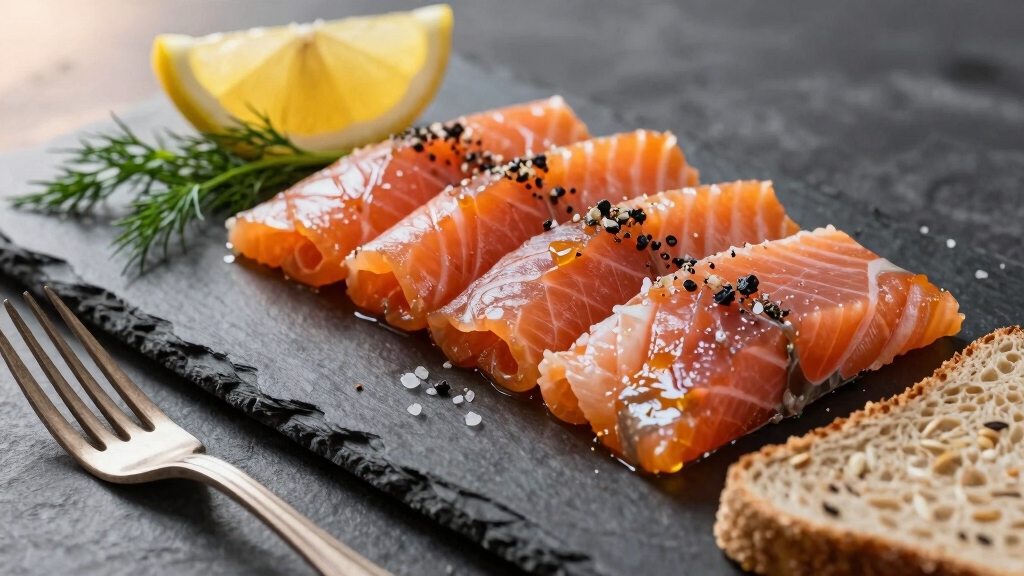
- Pair with cream cheese, capers, and fresh dill on crackers or bagels.
- Incorporate into salads, pastas, or scrambled eggs for versatility and rich taste.
Proper storage and thoughtful serving maximize your smoked salmon experience.
Troubleshooting Common Alaska Smoked Salmon Issues
Although smoking salmon is a rewarding process, you might encounter issues like uneven texture, excessive saltiness, or insufficient smoke flavor. To fix these, adjust your brining time, ensure even drying, and monitor smoke intensity carefully.
| Issue | Cause | Solution |
|---|---|---|
| Uneven texture | Uneven slicing or drying | Slice uniformly; dry evenly |
| Excessive saltiness | Over-brining | Reduce brine time; rinse fish |
| Lack of smoke flavor | Insufficient or weak smoking | Increase smoke time; use quality wood |
| Dry salmon | Over-smoking or high heat | Lower temp; shorten smoking time |
| Sticky surface | Inadequate pellicle formation | Dry longer before smoking |
Follow these steps for consistently perfect Alaska smoked salmon.
Frequently Asked Questions
What Type of Salmon Is Best for Authentic Alaska Smoked Salmon?
You’ll want to use wild-caught sockeye or king salmon for authentic Alaska smoked salmon.
These types have rich, firm flesh that holds up well during smoking, delivering that classic, deep flavor.
Choose fresh, high-quality fillets with skin on to maintain moisture and texture.
Avoid farmed salmon, as it lacks the distinct taste and texture.
Proper selection guarantees your smoked salmon turns out flavorful, tender, and truly representative of Alaska’s tradition.
Can I Use Frozen Salmon Without Thawing First?
You can’t rush perfection. Using frozen salmon without thawing first isn’t recommended.
Thaw your fillets in the refrigerator for 24 hours to guarantee even texture and proper brining. Skipping this step causes uneven curing and inconsistent smoke absorption.
When salmon’s properly thawed, you’ll get tender, flavorful results, not a patchy, rubbery mess.
How Long Can Smoked Salmon Be Safely Stored in the Freezer?
You can safely store smoked salmon in the freezer for up to 2 to 3 months to maintain peak quality and flavor.
Make sure you wrap it tightly in airtight packaging or vacuum-seal it to prevent freezer burn.
Label the package with the date so you can track storage time easily.
When ready to use, thaw it slowly in the refrigerator to preserve texture and taste.
Avoid refreezing once thawed for best results.
What Are the Health Benefits of Eating Smoked Salmon?
Like a treasure from the sea, smoked salmon offers you heart-healthy omega-3 fatty acids that support brain function and reduce inflammation.
You’ll also get a good dose of protein to fuel your muscles and vitamin D to strengthen your bones.
Plus, the smoking process preserves nutrients while adding rich flavor.
Incorporate smoked salmon into your meals, and you’re enjoying a delicious, nutritious boost that promotes overall wellness.
Can Smoked Salmon Be Used in Recipes Other Than Eating Plain?
Yes, you can use smoked salmon in many recipes beyond eating it plain.
Try adding it to salads, pasta dishes, or scrambled eggs for a smoky flavor boost.
You can also spread it on bagels with cream cheese, mix it into dips, or incorporate it into sushi rolls.
Its rich, savory taste complements soups or casseroles, giving your meals a delicious, gourmet twist with minimal effort.
From Simple Fish to Smoky Masterpiece
As you savor your perfectly smoked Alaska salmon, you might realize that the patience you practiced during brining and drying mirrors the calm you crave in life.
Just as the wood’s gentle smoke transforms the fish, your effort shapes this dish into a masterpiece. Coincidentally, the care you took in every step now rewards you with rich, smoky flavors.
This is proof that dedication turns simple ingredients into unforgettable moments. Keep smoking, keep enjoying.