How Do You Season a Pizza Stone: Perfect Every Slice
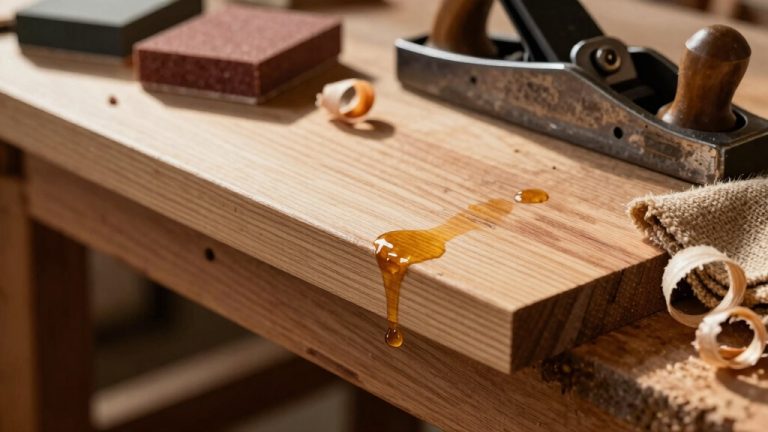
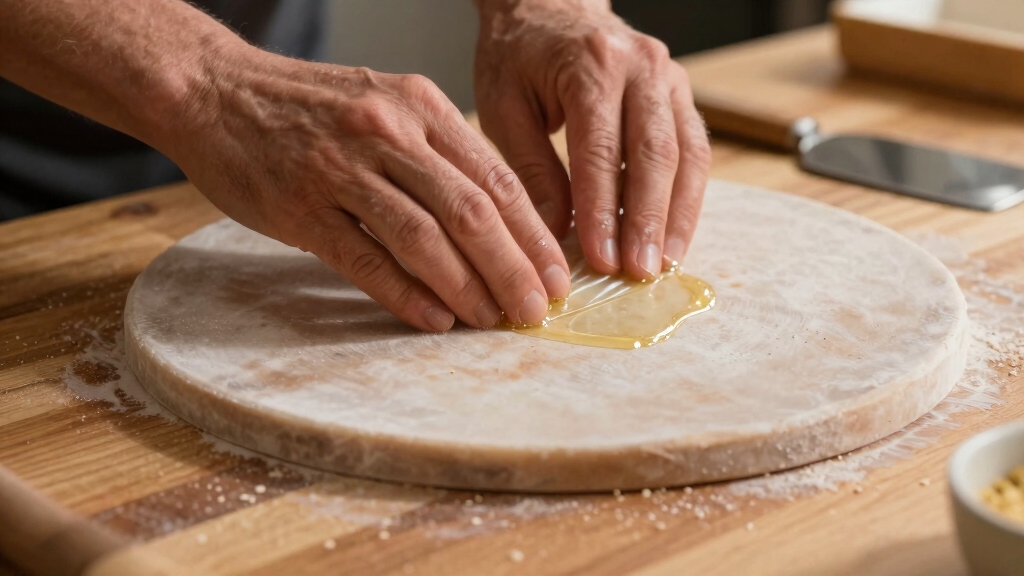
To season your pizza stone, start by wiping it clean with a damp cloth and warm water. Skip soaps to protect the stone. Dry it completely, then apply a thin, even layer of high-smoke-point oil like refined olive or avocado oil on all surfaces.
Place the stone in a cold oven and gradually heat it up to about 500°F, baking the oil to seal it in. Let it cool in the oven for durability and non-stick performance. Keep going to master maintenance and peak use techniques.
Key Takeaways
- Clean the new stone with warm water, air dry completely, and heat-dry at 200–250°F for 10–15 minutes before oiling.
- Use a high-smoke-point oil like refined olive or avocado; spread evenly on both sides without pooling.
- Allow oil to soak in fully at room temperature, wiping off excess to avoid sticky residue.
- Gradually heat the oiled stone in a cold oven, increasing temperature stepwise to 250–280°C, then bake for about an hour.
- Let the stone cool inside the oven completely to bond the seasoning and repeat oiling and baking 1–2 times for durability.
How To Clean a New Pizza Stone Before Seasoning?

Preparing your new pizza stone starts with proper cleaning to make certain peak seasoning.
First, remove the stone from its packaging and wipe it with a slightly damp cloth to clear away any dust or dirt.
Avoid using soap or cleaning agents, as these can seep into the porous stone and affect flavor or performance.
Instead, rinse the stone gently with warm water only.
After washing, let the stone air dry completely.
Never use a towel to dry it, since moisture trapped in fibers can hinder seasoning.
Ensuring the stone is fully dry before applying oil is essential for effective absorption.
Following these steps sets a clean, moisture-free foundation for the seasoning process, enhancing your stone’s durability and baking results.
Additionally, be mindful that moisture interaction can weaken porous materials, so thorough drying prevents uneven moisture that could affect performance.
Best Oils for Seasoning Pizza Stones
When it comes to seasoning your pizza stone, it’s important to select the right oils. You’ll want to go for oils that have high smoke points, like safflower, peanut, or refined olive oil. These oils can handle the heat without burning, which is exactly what you need during the seasoning process.
Not only do these oils withstand high temperatures, but they also absorb well into the porous stone. This helps create a durable, non-stick surface for your future pizzas. Just a heads up, steer clear of oils with low smoke points.
They can leave behind sticky residues, which can really mess with that seasoning layer you’re trying to build up. So, stick with the good stuff, and your pizza stone will thank you!
For best results, apply the oil evenly with a cloth or brush and heat the stone gradually to bond the oil and build a protective, durable layer, as recommended for proper seasoning techniques.
High Smoke Point Oils
Typically, when seasoning your pizza stone, you’ll want to use oils with a high smoke point to make certain they withstand the heating process without burning or producing unpleasant odors.
Choosing the right oil guarantees a smooth seasoning layer that enhances your stone’s durability and performance. Here are some top choices for seasoning your pizza stone:
- Safflower oil: smoke point ~510°F (265°C), neutral flavor, great for high heat
- Peanut oil: smoke point ~450°F (232°C), robust and heat-stable
- Soybean oil: smoke point ~450°F (232°C), affordable and effective
- Refined olive oil: smoke point ~465°F (240°C), retains subtle flavor without burning
- Avocado oil: smoke point ~520°F (271°C), premium option for longevity
Use these oils to build a resilient, non-stick surface that stands up to intense baking temperatures.
Before seasoning, ensure your pizza stone is completely dry by heat-drying it at 200–250°F for 10–15 minutes, which helps prevent moisture retention that could damage the stone.
Oil Absorption Characteristics
When seasoning your pizza stone, it’s essential to understand how different oils soak in and bond with the porous surface. Oils with a high smoke point and medium viscosity penetrate better, forming a durable, non-stick layer.
Too thick or low smoke point oils can leave residue or burn. Here’s a concise comparison:
| Oil Type | Absorption & Suitability |
|---|---|
| Safflower Oil | Excellent absorption; high smoke point |
| Peanut Oil | Good absorption; resists burning |
| Soybean Oil | Moderate absorption; affordable |
| Refined Olive Oil | Good absorption; moderate smoke point |
| Vegetable Oil | Variable absorption; lower smoke point |
Choose oils that soak evenly and withstand heating cycles for effective seasoning and longevity of your stone. Proper oil application and drying can help prevent surface corrosion and enhance the stone’s durability over time.
How to Apply Oil to Your Pizza Stone?

When you’re ready to season your pizza stone, start by picking an oil that has a high smoke point. Good options are refined olive oil or peanut oil—these will help avoid any burning while you’re seasoning.
Now, grab a few generous tablespoons of the oil and pour them onto the stone.
Next, take a clean towel and spread the oil evenly across the surface. Make sure to cover both sides thoroughly. It’s really important to let the oil soak in completely before you move on to the next step.
Once it’s absorbed, you can repeat the process to build up a nice, durable, non-stick surface for your pizza stone. Happy cooking!
To maintain the seasoning and protect the stone’s surface, it’s best to apply a thin layer of high-heat cooking oil after cleaning.
Choosing The Right Oil
Select a high smoke point oil such as safflower, peanut, soybean, or refined olive oil to season your pizza stone effectively.
These oils withstand high temperatures without burning, ensuring a durable, non-stick surface. Avoid low smoke point oils like unrefined olive or butter, which can smoke excessively and leave residues.
When choosing your oil, consider these benefits:
- Creates a resilient, heat-stable seasoning layer
- Prevents sticky dough and uneven baking
- Resists cracking caused by oil breakdown
- Enhances stone’s longevity and performance
- Supports consistent, crisp pizza crusts
Using the right oil means your seasoning process will build a robust, non-stick coating that improves with every bake. Stick to oils designed for high-heat cooking to protect and enhance your pizza stone’s functionality.
Additionally, maintaining the correct temperature during seasoning is crucial, as exposure to heat above 400°F can damage the stone or degrade the oil seasoning layer.
Applying Oil Evenly
Consistently applying oil evenly across your pizza stone guarantees a durable, non-stick surface that enhances baking performance.
Start by pouring generous tablespoons of a high smoke point oil onto the dry stone. Use a clean towel or paper towel to rub the oil thoroughly across the entire surface, covering both sides.
Work the oil in until the stone no longer absorbs it. This guarantees full saturation and ideal seasoning. Avoid pooling oil to prevent uneven patches.
Repeat the process multiple times, allowing the stone to absorb the oil fully each round. Wipe off any excess oil with a paper towel after absorption to avoid sticky residue.
This careful, even application is key to developing a long-lasting, effective seasoning layer. Similar to how butcher paper allows moisture escape, proper oil application helps maintain the stone’s surface balance during use.
Letting Oil Absorb
After applying oil to your pizza stone, give it time to fully absorb the oil before moving on. This step is vital to make certain the stone soaks in the oil, developing a durable, non-stick surface.
Rushing this process risks uneven seasoning and sticking during baking. Let the stone rest at room temperature, allowing the oil to penetrate deeply. If the stone still appears dry, apply additional oil and repeat the absorption.
Wiping off excess oil after absorption prevents sticky residues.
Feel confident knowing your stone is ready for perfect pizza. Enjoy the satisfaction of a well-seasoned, expert-prepared tool. Experience improved crust crispiness with every bake.
Avoid frustration from dough sticking or uneven cooking. Protect your investment by extending the stone’s lifespan.
Controlling surface moisture is key to developing a crispy crust, which applies not only to ribs but also benefits pizza stone seasoning.
Gradually Heating Your Pizza Stone to Prevent Cracks
Because pizza stones are prone to thermal shock, you should always heat them gradually to prevent cracks. Start by placing the cold stone on the middle rack of a cold oven or grill before turning it on.
Place your cold pizza stone on the middle rack of a cold oven before heating it gradually.
Set the temperature to 150°C (300°F) and let the stone warm for 30 minutes.
Then, increase the heat by increments of 50°C (122°F) every 10 to 15 minutes until you reach 250-280°C (482-536°F). This slow ramp-up minimizes stress from rapid expansion.
Avoid placing a cold stone into a hot oven or exposing it to sudden temperature changes, as this can cause irreversible damage.
Gradual heating secures your stone remains intact and ready for seasoning or baking, extending its lifespan and performance.
Using gradual heating also helps maintain structural integrity by reducing thermal stress in cold conditions.
Baking Your Pizza Stone to Seal in the Seasoning
Alright, let’s get started with baking your pizza stone! First things first, you’ll want to place that oiled stone in a cold oven. This is super important because it helps avoid thermal shock, which can crack your stone.
Once it’s in there, you can gradually increase the temperature. Just take it slow and steady! The goal here is to maintain that highest temperature for about an hour. This will really help to bake in the seasoning properly.
When you’re done, don’t rush the cooling process. Let the stone cool completely inside the oven. This way, you’ll ensure even cooling and keep it from cracking. Happy baking!
For best results, always inspect components before each use to ensure safe and effective seasoning.
Gradual Oven Temperature Increase
When you place the cold pizza stone on the middle rack of a cold oven, you set the stage for a gradual temperature increase that minimizes the risk of stress cracks.
Start by preheating the oven to 150°C (300°F) for 30 minutes. Then, increase the temperature by 50°C (122°F) every 10–15 minutes until you reach 250–280°C (482–536°F).
This slow ramp-up allows the stone to absorb heat evenly, protecting its integrity while sealing in the seasoning. Feel confident protecting your investment from cracking.
Witness the stone’s surface darken and toughen. Enjoy the anticipation of perfectly crisp pizza crusts. Relish the satisfying ritual of conditioning your stone
Cooling Stone Inside Oven
After reaching the maximum temperature, turn off the oven and leave the pizza stone inside to cool completely. This gradual cooling prevents thermal shock, which can cause cracks or breaks in the stone.
Don’t open the oven door during this phase; sudden temperature changes risk damaging your investment. Once fully cooled, remove the stone carefully using a pizza peel or heat-resistant gloves.
This cooling period also allows the oil to fully absorb and bond, effectively sealing the seasoning layer into the stone’s pores. For best seasoning, repeat the oil application and heating process one to two more times, letting the stone cool inside the oven each cycle.
Over time, this method develops a durable, non-stick surface that enhances baking performance and extends your pizza stone’s lifespan.
How Often Should You Season Your Pizza Stone?
Regularly seasoning your pizza stone helps maintain its non-stick surface and prolongs its lifespan.
You don’t need to season it after every use; doing so once or twice a year is usually sufficient unless you notice sticking or moisture absorption.
If you use your stone frequently or clean it aggressively, consider seasoning it more often to restore its protective layer. Avoid over-oiling, which can cause buildup.
Feel confident every time you bake, knowing your stone performs perfectly. Enjoy crispier, evenly baked crusts without dough sticking. Protect your investment from cracks and wear.
Experience the satisfaction of a well-cared-for, naturally non-stick surface. Save money by extending your stone’s usable life. Season based on use and condition, not on a strict schedule.
Signs Your Pizza Stone Is Properly Seasoned
Knowing how to recognize a properly seasoned pizza stone helps you maintain its performance and avoid unnecessary reseasoning.
First, look for a uniform darkening of the stone’s surface; this indicates absorbed oil and consistent heat exposure.
A uniform darkening signals absorbed oil and consistent heat exposure, key for a well-seasoned pizza stone.
The stone should develop a slightly glossy, non-porous finish, signaling that oil has polymerized and sealed microscopic pores. When you bake, dough won’t stick, and water will bead up rather than soak in, showing effective seasoning.
Additionally, you’ll notice improved heat retention and more evenly baked crusts. If your stone resists staining and cracking, it’s well protected. Avoid confusing natural discoloration from use with damage.
When these signs appear, your stone is properly seasoned, ready to provide consistent, non-stick baking without extra oil or flour each time.
Alternative Ways to Prevent Dough Sticking Without Oil
How can you keep your pizza dough from sticking without using oil on your stone? You can rely on alternative methods to create a non-stick surface while preserving your stone’s integrity. Here are expert tips to prevent sticking effectively:
- Dust your stone generously with cornmeal or rice flour for a gritty barrier.
- Use parchment paper beneath the dough to guarantee easy removal.
- Preheat your stone thoroughly to create a dry, hot surface that resists sticking.
- Shape your dough properly, avoiding excess moisture that causes adhesion.
Employ a pizza peel dusted with flour or cornmeal to transfer dough smoothly.
Benefits of Seasoning Your Pizza Stone
While using alternatives like cornmeal or parchment can prevent dough from sticking, seasoning your pizza stone offers additional advantages that enhance your baking experience.
By applying oil and heating the stone, you create a natural non-stick surface that improves dough release and guarantees even baking.
Seasoning also helps prevent stress cracks by reducing moisture absorption, extending your stone’s lifespan. You’ll notice water beading on the seasoned surface, signaling proper conditioning.
Additionally, a well-seasoned stone boosts crust crispiness, delivering superior texture compared to an unseasoned stone.
This process transforms your stone into a reliable, efficient baking tool, reducing sticking issues and producing consistently better pizzas.
Tips to Maintain and Use Your Seasoned Pizza Stone
To keep your seasoned pizza stone performing at its best, handle it with care and follow specific usage guidelines. Avoid drastic temperature changes to prevent cracks. Never submerge a hot stone in cold water.
Clean your stone with a dry brush or cloth; skip soaps or detergents to protect the seasoning layer.
Use cornmeal or flour to prevent sticking instead of excessive oils. Store your stone in a dry, ventilated spot to avoid moisture buildup that can damage seasoning.
Treat your stone gently to preserve its life and non-stick surface. Avoid thermal shocks by preheating with the stone inside the oven.
Clean without soap to maintain seasoning integrity. Use dry, natural dusting agents to prevent sticking. Let the stone cool completely before cleaning or storing.
Frequently Asked Questions
Can I Season a Pizza Stone in a Microwave?
No, you shouldn’t season a pizza stone in a microwave. Microwaves heat unevenly and can cause the stone to crack due to rapid temperature changes.
Instead, season your pizza stone in a conventional oven by applying oil and gradually increasing the temperature. This controlled heating guarantees proper seasoning and prevents damage.
Using the microwave risks ruining your stone and won’t create the non-stick surface you want for perfect pizzas.
Is It Safe to Use Vegetable Oil Instead of High Smoke Point Oils?
Think of seasoning your pizza stone like painting a masterpiece: the right brush makes all the difference. You shouldn’t use vegetable oil since its low smoke point can burn and create unpleasant odors.
Instead, choose oils like safflower, peanut, or refined olive oil with higher smoke points. These oils withstand high oven temperatures, ensuring a smooth, durable seasoning layer without harmful smoke or sticky residue.
Stick to high smoke point oils for safe, effective seasoning.
How Do I Fix a Pizza Stone That Has Developed Cracks?
You can’t really fix cracks in a pizza stone once they appear. It’s porous and brittle. To prevent worsening, avoid rapid temperature changes and preheat gradually. If cracks are small, use the stone carefully for lighter baking.
Otherwise, it’s safer to replace it to avoid breakage or contamination. Regularly seasoning and proper heating can help extend your next stone’s lifespan and minimize crack formation.
Can I Season a Pizza Stone if It’s Already Been Used?
Yes, you can season a pizza stone even if it’s already been used. In fact, repeating the seasoning process 1-2 more times can deepen the non-stick surface and extend its lifespan.
Just make sure the stone is clean and completely dry. Apply a high smoke point oil generously, bake it gradually at increasing temperatures, and let it cool inside the oven.
This helps maintain crispiness and prevents cracking over time.
Does the Thickness of the Pizza Stone Affect Seasoning Time?
Yes, the thickness of your pizza stone does affect seasoning time.
Thicker stones absorb and retain heat slower, so you’ll need to allow more time during the gradual heating process to prevent cracks and make certain oil properly soaks in.
Thin stones heat and season faster but require more careful handling.
Adjust your heating increments and seasoning repetitions accordingly to achieve a durable, well-seasoned surface without damaging the stone.
Armor Your Pizza Stone for Perfect Crusts
Seasoning your pizza stone is like giving it a protective armor that keeps your dough from sticking and enhances every bake. By cleaning, oiling, and gradually heating it, you guarantee a durable, non-stick surface that improves with use.
Remember, maintaining your stone with proper care extends its life and performance. Follow these expert steps, and your pizza stone will reward you with perfectly crispy crusts every time you bake.