Smoked Pheasant Recipe: Juicy Bird with Perfect Flavor
To smoke pheasant, start by brining it wet or dry to lock in moisture and enhance flavor, then pat dry to form a pellicle. Choose mild woods like cherry or pecan for subtle smoke.
Maintain smoker temperature between 200–250°F and monitor internal temperature aiming for 165°F. Begin basting with a sweet glaze after the skin forms crust.
Rest loosely covered before carving. For detailed tips on preparation, wood selection, and seasoning, keep exploring these essential steps.
Key Takeaways
- Brine pheasant wet (12 hours) or dry (6–12 hours) to lock moisture and enhance flavor; rinse and air dry to form a pellicle before smoking.
- Maintain smoker temperature between 200°F and 250°F for 3–5 hours, aiming for an internal temperature of 165°F in the thickest breast part.
- Use mild woods like cherry or pecan for subtle, complementary smoke; avoid strong woods like mesquite unless bold flavor is desired.
- Apply glazes such as honey or maple syrup after the first hour, basting every 30–60 minutes for a caramelized, flavorful finish.
- Rest smoked pheasant loosely tented with foil for 10–20 minutes to redistribute juices and ensure tender, moist meat.
Essential Smoked Pheasant Cooking Guide
| Ingredients / Tools | Steps / Actions |
|---|---|
| Whole pheasant | Brine wet (12 hrs) or dry (6–12 hrs) to lock in moisture. Rinse and pat dry. |
| Kosher salt & brown sugar | Mix for brining; adjust for wet or dry brine. |
| Thyme, garlic, black pepper, lemon zest | Add to brine for flavor enhancement. |
| Smoker or grill | Preheat to 200–250°F; maintain steady temperature. |
| Wood chips: cherry, pecan, or apple | Soak chips 20 min; use mild woods for subtle smoke. |
| Thermometer | Monitor internal temperature; aim for 165°F in thickest breast. |
| Spice rub or seasoning | Apply after brining for added flavor. |
| Aromatics (lemon, garlic, thyme) | Stuff cavity to enhance aroma during smoking. |
| Glaze (honey, maple syrup, or BBQ) | Baste every 30–60 min after first hour for caramelized finish. |
| Foil | Tent pheasant 10–20 min after smoking for even juice distribution. |
| Serving sides (root veggies, wild rice, slaw) | Pair with complementary dishes for full dining experience. |
How to Choose the Best Brine for Smoked Pheasant?
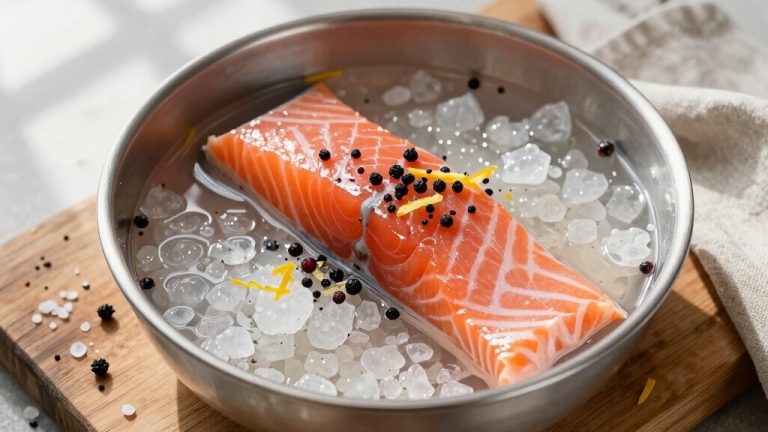
Selecting the best brine for smoked pheasant starts with understanding the bird’s preparation and your flavor goals. If you want a moist, subtly sweet bird, opt for a wet brine with kosher salt, brown sugar, thyme, and garlic, soaking the pheasant for about 12 hours.
For a more concentrated seasoning and firmer texture, choose a dry brine combining kosher salt, brown sugar, black pepper, dried thyme, granulated garlic, and lemon zest, applied for 6 hours or overnight.
Consider the bird’s condition: whole pheasants handle longer wet brines, skinned birds benefit from salt and sugar with spices, and breasts require shorter, delicate brining.
Match your brine to your smoking style and flavor preference to ensure the best smoky, tender results. Using a non-reactive container for brining helps maintain the purity of flavors and prevents unwanted chemical reactions during the process.
How to Prepare Pheasant for Smoking?
Before you start smoking your pheasant, proper preparation is essential to guarantee even cooking and peak smoke absorption.
Begin by brining your bird; choose a wet or dry brine to enhance moisture and flavor.
Start by brining your pheasant with a wet or dry brine to boost moisture and deepen flavor.
After brining, rinse the pheasant and pat it thoroughly dry.
For even smoke adhesion, air dry uncovered in the fridge for 2 to 3 hours to form a pellicle.
Next, spatchcock the pheasant to guarantee uniform heat penetration.
Stuff the cavity with aromatics like lemon quarters, garlic, and thyme if desired, then truss the legs and wings to maintain shape.
Finally, apply a spice rub or light seasoning.
Properly prepping your pheasant this way optimizes smoke infusion and guarantees juicy, evenly cooked meat.
Also, remember to remove any giblets before smoking to prevent off-flavors and ensure even cooking by allowing proper fat rendering.
Pick the Right Wood for Smoking Pheasant
Once your pheasant is prepped and ready, choosing the right smoking wood will shape its final flavor profile.
Cherry wood is a top choice, offering a mildly sweet, fruity smoke that complements pheasant’s delicate taste without overpowering it.
Soak cherry chips for about 20 minutes to guarantee slow, even smoldering.
Pecan wood provides a richer, nutty aroma and holds consistent heat around 250°F, ideal for longer smoking sessions.
Hickory delivers a stronger, bacon-like smokiness, but use it sparingly to avoid bitterness.
You can also consider apple wood for a subtle, sweet smoke.
Avoid overpowering woods like mesquite unless you prefer bold flavors and plan to balance them carefully.
Select wood chips or pellets that match your smoker type and your desired smoke intensity.
Mesquite burns hotter and faster than other woods, producing a high lignin content that leads to intense, earthy smoke ideal for bold flavor applications.
Set the Perfect Smoking Temperature and Time
When it comes to smoking, you want to aim for a temperature range between 200°F and 250°F. This sweet spot not only ensures even cooking but also brings out those fantastic flavors in your pheasant. So, keep an eye on that thermometer!
Now, about the smoking time—it’s typically around 3 to 5 hours, but it really depends on the size of your pheasant. Just make sure you’re checking for that perfect internal temperature.
And don’t forget, resting is key! After you take it off the smoker, let the meat rest for at least 10 minutes. This little step helps lock in those juices and makes the meat even more tender. Trust me, you’ll be glad you did!
In cold weather, it’s important to allow extra time and monitor temperatures closely due to extended cooking times caused by heat loss.
Ideal Smoking Temperature Range
When smoking pheasant, maintaining an ideal temperature between 200°F and 250°F guarantees even cooking and peak smoke absorption. This range allows the meat to slowly render fat and absorb smoky flavors without drying out.
You’ll want to preheat your smoker within this window, using woods like hickory, pecan, or cherry for balanced smoke profiles. Keeping the temperature steady prevents temperature spikes that can toughen the meat or cause uneven cooking.
If you choose to start lower, around 180°F, plan to increase gradually to the upper limit to help develop a crispy skin and caramelized glaze. Avoid exceeding 275°F, as higher temps risk drying the lean pheasant meat.
Control your smoker’s airflow and fuel to maintain consistent heat throughout the process. Using a water pan during smoking helps maintain humidity that tenderizes the meat without sogging the surface.
Optimal Smoking Duration
Although maintaining the right smoking temperature is essential, achieving the perfect smoking duration guarantees the pheasant cooks evenly while developing rich smoky flavors and tender texture.
You’ll want to balance time and temperature based on pheasant size and wood choice. Typically, smoking at 200-250°F for 3-5 hours guarantees the meat reaches a safe internal temperature around 160-165°F.
Extending or shortening time affects tenderness and smoke intensity. It’s important to monitor the internal temperature with a digital leave-in probe to ensure accuracy without opening the smoker.
| Smoking Temp (°F) | Duration (Hours) | Target Internal Temp (°F) |
|---|---|---|
| 180 | 1.5 – 2 | 160 (breast) |
| 200 | 3 – 4 | 165 |
| 225 | 3 – 4.5 | 160 – 165 |
| 250 | 3 – 5 | 160 – 165 |
| 275 | 1 – 1.75 | 160 (breast) |
Stick to these ranges for consistent, flavorful results.
Resting Time Importance
Since the pheasant continues to cook internally after removal from the smoker, allowing it to rest is essential for achieving ideal juiciness and flavor distribution. Resting lets the muscle fibers relax, so the natural juices redistribute evenly, preventing dryness. You’ll enhance tenderness and lock in smoky aroma by not rushing this step.
Keep these points in mind:
- Rest pheasant 10-20 minutes, covered loosely with foil.
- Maintain ambient temperature to avoid rapid cooling.
- Use resting time to prepare sides or glaze finishing touches.
- Avoid cutting immediately; juices will run out, causing dryness.
- Proper resting complements the perfect smoking temperature and duration for prime results.
For longer resting, wrapping the meat tightly and keeping it in an insulated environment like a preheated cooler helps retain heat and moisture effectively.
Apply Glazes and Baste Smoked Pheasant for Flavor
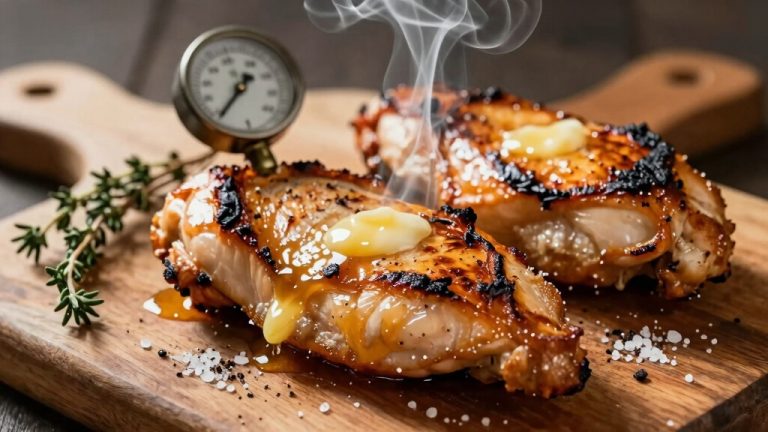
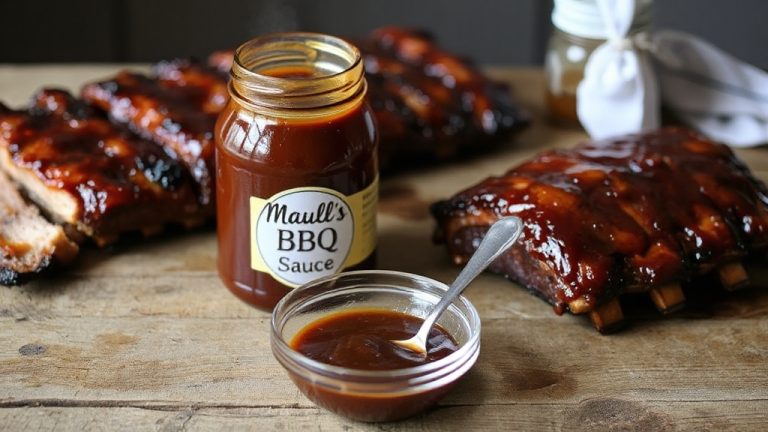
When it comes to enhancing the smoky goodness of your pheasant, picking the right glaze is key. Something like honey BBQ or maple syrup works wonders to really elevate the flavor. So, once you’ve got your pheasant on the smoker, it’s time to get basting!
You’ll want to start basting after the first hour of smoking. Keeping a consistent schedule is important—try to baste every 30 to 60 minutes. This way, you’ll build up a nice, rich, caramelized coating that makes all the difference.
And don’t forget, sweet, thick glazes are your best friend here! They not only balance out the smoky notes but also help keep your pheasant moist and packed with flavor. Enjoy your cooking!
For an alternative technique to maintain moisture and gradually build flavor during smoking, consider using a vinegar-based mop sauce applied every 20 minutes.
Choosing The Right Glaze
Enhance your smoked pheasant by applying the right glaze to deepen its flavor and add a beautiful sheen. Selecting a glaze depends on the flavor profile you want to emphasize: sweet, savory, or tangy, and how it complements the smoky meat.
Consider glazes that caramelize without burning, balancing sweetness with acidity or spice to avoid overpowering the pheasant’s delicate taste.
Choose from these glaze characteristics:
- Sweetness: Honey, maple syrup, or molasses for rich, smoky-sweet layers.
- Tanginess: Citrus or vinegar-based glazes to brighten flavors.
- Savory: Garlic-herb butter blends for depth and aroma.
- Consistency: Thick syrups that adhere well during smoking.
- Smoke Compatibility: Woods like cherry or pecan enhance glaze flavor synergy.
Using oak wood for smoking can add a medium smoky taste that pairs well with a variety of glaze profiles, enhancing the overall flavor of your smoked pheasant. Use these guidelines to select a glaze that elevates your smoked pheasant perfectly.
Timing Basting Intervals
Regularly basting your smoked pheasant at well-timed intervals locks in moisture and builds layers of flavor that penetrate the meat.
Start basting about one hour into the smoke once the surface begins to dry.
Apply your chosen glaze every 30 to 60 minutes, depending on its thickness and sugar content; thicker glazes require less frequent application to avoid burning.
Monitor the pheasant’s internal temperature alongside basting. Targeting 160-165°F guarantees the glaze caramelizes properly without drying the meat.
Avoid over-basting, which can wash away the smoke ring and inhibit crust formation.
Use a clean brush or mop to apply the glaze gently, preventing disruption of the developing pellicle.
Timing your basting intervals strategically enhances moisture retention and deepens the flavor profile without compromising texture or appearance.
For best results, begin basting only after the initial surface crust formation to preserve the developing bark and avoid softening it prematurely.
Enhancing Sweet Smoke Flavor
When you baste your smoked pheasant with sweet glazes like honey, maple syrup, or molasses, you amplify the natural smoky flavor while adding a rich, caramelized finish.
Applying these glazes every 30 to 60 minutes during smoking creates a luscious, sticky crust that locks in moisture and enhances complexity.
Use thicker syrups for better adhesion and caramelization near the end of cooking at higher temperatures.
Brush honey BBQ glaze after the first hour, repeating regularly until done.
Reduce maple syrup to intensify sweetness before basting.
Combine melted butter and honey for a savory-sweet glaze.
Apply glazes at 155°F and 162°F internal temps for layered flavor.
Final baste post-smoke seals in aroma and shine.
Mastering glazing elevates your smoked pheasant to a gourmet experience.
Check Doneness and Rest Smoked Pheasant Properly
Although smoking times can guide you, the best way to check doneness is by using a reliable meat thermometer to make sure the pheasant reaches an internal temperature of 165°F.
Insert the thermometer into the thickest part of the breast without touching bone for an accurate reading. Once the target temperature is reached, remove the pheasant promptly to prevent overcooking.
Rest the bird properly by tenting it loosely with aluminum foil and letting it sit for 10 to 15 minutes. This resting period allows the juices to redistribute evenly, ensuring a moist, tender result.
Skipping this step can cause the juices to run out when slicing, leading to dry meat. Follow these steps meticulously for perfectly smoked pheasant every time.
Serving Suggestions and Side Dishes for Smoked Pheasant
Since smoked pheasant offers a rich, smoky flavor with a tender texture, pairing it with complementary side dishes enhances the overall dining experience. You want sides that balance the smoky depth while adding freshness, acidity, or earthiness to the plate.
Consider these options to elevate your meal:
Roasted root vegetables (carrots, parsnips, and potatoes) for earthy sweetness. A crisp, tangy apple and fennel slaw to cut through richness. Creamy mashed parsnips or celery root for smooth texture contrast.
Wild rice pilaf with herbs and toasted nuts to add nutty complexity. Lightly dressed arugula salad with lemon vinaigrette for peppery brightness.
Each side brings a distinct element that complements smoked pheasant’s flavor profile and guarantees a well-rounded, satisfying meal.
Fix Common Problems When Smoking Pheasant
Smoking pheasant can throw off even experienced cooks if you don’t address common pitfalls early.
To prevent dryness, always brine your bird. Choose wet or dry brine depending on your schedule to lock in moisture.
Avoid over-smoking by maintaining a steady temperature between 200-250°F and using mild woods like cherry or pecan.
Undercooking is another issue; use a reliable thermometer and ensure the internal temperature reaches 165°F.
Rest the bird afterward to redistribute juices.
If smoke flavor overwhelms, limit smoking time and select fruitwoods for a subtler aroma.
Finally, make sure the skin crisps by air drying the pheasant uncovered in your fridge for 2-3 hours before smoking.
This forms a pellicle that enhances smoke adhesion and texture.
Address these issues to guarantee a perfectly smoked pheasant every time.
Frequently Asked Questions
Can I Smoke Pheasant Without Brining It First?
Yes, you can smoke pheasant without brining first, but keep in mind it might turn out less juicy and flavorful.
Brining helps retain moisture and enhances taste. If you skip it, make sure to pat the bird dry, apply a good spice rub, and monitor the internal temperature carefully to avoid drying out.
Consider shorter smoking times and basting to maintain moisture throughout the cooking process.
What Is the Best Way to Store Leftover Smoked Pheasant?
You should store leftover smoked pheasant in an airtight container or tightly wrapped in foil to preserve moisture and flavor.
Refrigerate it promptly, ideally within two hours of cooking, and consume within 3-4 days.
For longer storage, freeze the pheasant in freezer-safe bags or containers, removing as much air as possible.
When ready to eat, thaw it slowly in the fridge to maintain texture and taste.
How Do I Safely Thaw Frozen Pheasant for Smoking?
You should thaw frozen pheasant safely by placing it in the refrigerator for about three days, flipping it twice daily to make certain even thawing.
This slow thawing prevents bacterial growth and maintains quality. Avoid thawing at room temperature, which risks contamination.
If short on time, use a sealed bag submerged in cold water, changing the water every 30 minutes until thawed. Always cook immediately after thawing this way.
Can I Smoke Pheasant Using an Electric Smoker?
Yes, you can smoke pheasant using an electric smoker effectively. Preheat your smoker to around 200-250°F, selecting wood chips like cherry, hickory, or pecan for peak flavor.
Maintain consistent temperature throughout the 3-5 hour cook until the pheasant reaches an internal temperature of 160-165°F. Remember to brine and dry the bird beforehand for moisture retention and smoke adhesion.
Rest the pheasant 10-20 minutes post-smoking before serving.
What Are the Health Benefits of Eating Smoked Pheasant?
Think of smoked pheasant as a lean arrow of nutrition hitting your health target.
You’ll get high-quality protein that supports muscle repair and satiety without excess fat.
Its rich B vitamins boost energy and brain function, while minerals like iron enhance oxygen transport.
Smoking adds flavor without heavy oils, letting you enjoy a savory meal that’s both satisfying and heart-healthy.
Eating smoked pheasant means nourishing your body with elegance and strength.
Elevate Your Cooking with Smoked Pheasant Expertise
Smoking pheasant enhances its natural flavor, making it tender and juicy. Did you know that properly brined and smoked game birds retain up to 30% more moisture, ensuring a deliciously succulent result?
By choosing the right brine, wood, and smoking technique, you’ll master this process with confidence. Follow the steps carefully, and you’ll impress your guests with perfectly smoked pheasant every time, rich in flavor and texture, showcasing your culinary skill.