Is Butcher Paper the Same as Freezer Paper? Things to Know
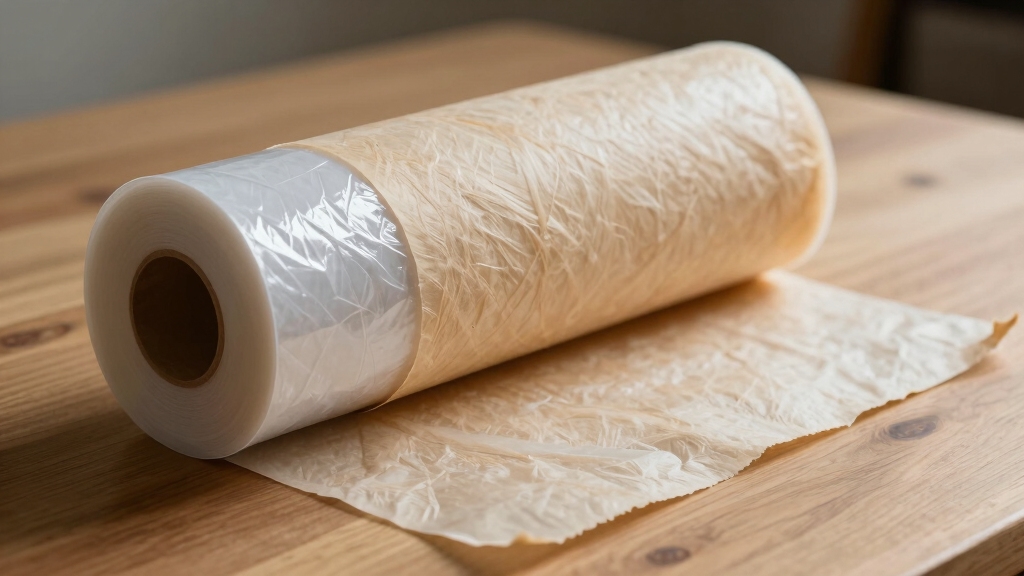
Butcher paper and freezer paper may look alike, but they’re quite different. Butcher paper is uncoated, breathable, and absorbent, making it ideal for short-term wrapping of dry or fresh meats.
Freezer paper, however, has a polyethylene coating on one side that blocks moisture and air. This coating preserves juicy or greasy foods during long-term freezing and prevents freezer burn.
You can’t use them interchangeably without compromising food quality. Understanding their distinct uses will help you choose the best wrap for your needs.
Key Takeaways
- Butcher paper is uncoated, breathable, and absorbent, while freezer paper has a polyethylene coating providing a moisture and vapor barrier.
- Freezer paper is designed for long-term freezing and moisture protection; butcher paper suits short-term storage and dry or fresh meats.
- Butcher paper allows moisture escape and surface drying, ideal for roasting and smoking; freezer paper prevents freezer burn by sealing in moisture.
- Freezer paper’s coated side resists grease and vapor, preserving quality during freezing, unlike butcher paper which lacks this protective layer.
- Butcher paper is more economical and widely available; freezer paper costs more due to coating and is less common in regular stores.
Understanding the Differences: Butcher vs Freezer Paper
| Feature | Butcher Paper | Freezer Paper |
|---|---|---|
| Material Base | Kraft fibers (bleached or non-bleached) | Kraft paper |
| Coating | None – fully breathable | Polyethylene on one side – moisture barrier |
| Breathability | High – allows moisture escape | Low – traps moisture and prevents freezer burn |
| Moisture Protection | No | Yes – prevents freezer burn |
| Strength & Durability | Moderate – flexible for wrapping | High – resists tearing and greasy foods |
| Best Use | Short-term storage, dry or fresh meats | Long-term freezing, juicy or greasy meats |
| FDA Food Safety | Approved | Approved |
Materials Used in Butcher Paper and Freezer Paper

Although both butcher paper and freezer paper start with kraft paper as their base, their material compositions differ substantially to suit their specific uses.
Butcher and freezer papers share kraft bases but differ greatly to meet specific food storage needs.
You’ll find butcher paper made from bleached or non-bleached kraft fibers, often untreated, allowing it to remain absorbent and breathable.
This characteristic helps retain moisture without trapping it, ideal for wrapping raw meats or dry foods.
In contrast, freezer paper incorporates a polyethylene or wax coating on one side, creating a moisture and vapor barrier.
This low-density polyethylene layer strengthens the paper and prevents freezer burn during long-term storage.
Significantly, pink treated butcher paper uses non-bleached fibers designed to absorb moisture.
Both papers comply with FDA standards for food contact, ensuring safety, but their differing compositions tailor them for distinct food preservation needs.
It is important to note that coated papers like freezer paper may not be safe for oven use due to the risk of fume emission when overheated.
Key Differences Between Butcher Paper and Freezer Paper
You might’ve noticed that butcher paper doesn’t have that polyethylene coating you find on freezer paper. This little difference actually makes a big impact on how each type of paper performs.
Butcher paper is designed to be breathable, which makes it perfect for wrapping up dry foods. On the other hand, freezer paper has a coated side that acts as a moisture barrier, making it just right for juicy or greasy items.
Because butcher paper is porous, it allows moisture to escape, helping to maintain the texture and flavor of wrapped foods during cooking.
Coating And Material Differences
Since coating and material composition directly impact functionality, understanding the differences between butcher paper and freezer paper is essential for selecting the right option.
Butcher paper uses uncoated kraft fibers, either bleached or non-bleached, which keeps it breathable and absorbent. In contrast, freezer paper features a kraft base coated with polyethylene on one side, creating a moisture and grease barrier.
This coating makes freezer paper stronger and suitable for wet or greasy foods, while butcher paper remains ideal for dry or smoked meats.
| Feature | Butcher Paper | Freezer Paper |
|---|---|---|
| Material Base | Kraft fibers (bleached/non-bleached) | Kraft paper |
| Coating | None | Polyethylene (one side) |
| Breathability | High | Low |
| Moisture Barrier | No | Yes |
| Strength | Moderate | High |
Proper storage in a cool, dry environment helps maintain the quality and functionality of paper products used for food wrapping.
Usage And Performance Variations
Understanding the material and coating differences sets the stage for evaluating how butcher paper and freezer paper perform in practical applications.
When you choose between them, consider these key usage and performance variations:
- Butcher paper’s breathability lets moisture escape, making it ideal for roasting or smoking meats where surface drying is beneficial.
- Freezer paper’s polyethylene coating blocks moisture and air, effectively preventing freezer burn and preserving juicy or greasy items during long-term storage.
- Butcher paper resists high oven temperatures, whereas freezer paper isn’t suitable for direct heating without additional protection due to its coating.
Additionally, proper storage and maintenance, including moisture control, are essential to preserve the effectiveness of these papers and prevent degradation.
Which Paper Is Best for Wrapping Meat and Food Storage?
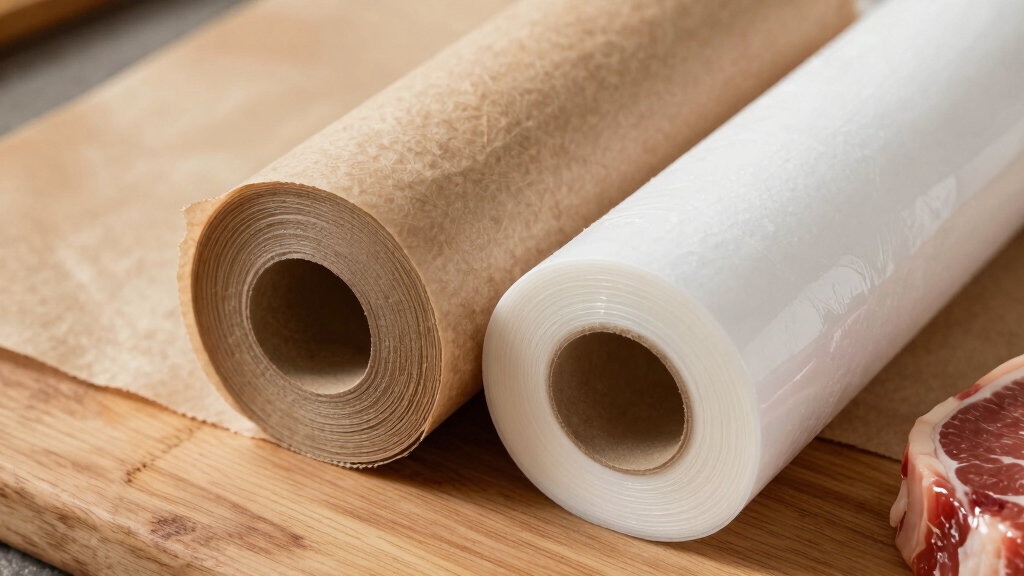
When it comes to wrapping meat, there are a couple of important factors to think about: breathability and moisture protection.
You really want to keep that meat fresh! Butcher paper is a great option for this. It does a fantastic job of preserving color and keeping contamination at bay, especially if you’re using it for short-term storage.
On the flip side, if you’re looking to store meat for a longer period, freezer paper is the way to go.
It has superior barrier properties that help extend the life of your food and prevent that pesky freezer burn. So, knowing the differences between these papers can really help you pick the one that fits your food storage needs best.
Additionally, when resting meat like brisket, wrapping in butcher paper allows the meat to breathe and helps preserve the bark texture, while foil or airtight wrapping retains more moisture and heat.
Meat Wrapping Suitability
Although both butcher paper and freezer paper serve purposes in meat wrapping, your choice hinges on the type of meat and storage duration.
You need to assess the meat’s moisture content and how long you’ll store it.
- Use butcher paper for dry cuts or fresh meat you plan to cook soon. Its breathability prevents moisture buildup, preserving texture and flavor without trapping condensation.
- Choose freezer paper for juicy or fatty meats destined for freezing. Its polyethylene coating acts as a moisture and vapor barrier, preventing freezer burn and maintaining quality longer.
- Consider the storage environment. Butcher paper excels in short-term refrigeration, while freezer paper suits prolonged freezing or greasy items like deli meats.
Selecting the appropriate paper guarantees peak meat preservation by balancing moisture control and protection against contamination or spoilage. Proper handling and preparation, similar to seasoning techniques for smokers, help ensure food safety and quality during storage.
Food Storage Longevity
Frequently, the choice between butcher paper and freezer paper directly impacts how long your meat or food stays fresh during storage.
Butcher paper, being breathable and absorbent, works well for short-term wrapping and maintaining moisture balance, ideal if you plan to use the meat within a few days.
However, it lacks a moisture barrier, so it doesn’t prevent freezer burn during extended freezing.
Freezer paper, coated with polyethylene, offers a superior moisture and vapor barrier, effectively preventing freezer burn and extending storage life up to one year.
If you want to store meat or greasy foods long-term, freezer paper is your best option.
For dry, short-term uses, butcher paper suffices.
Therefore, your storage duration and food type dictate which paper maximizes freshness and longevity.
Additionally, proper wrapping technique and storage conditions play essential roles in preserving meat quality and preventing spoilage.
How Freezer Paper Prevents Freezer Burn (Butcher Paper Doesn’t)?
Because freezer burn results from moisture loss and exposure to air, freezer paper effectively prevents it by providing a strong moisture and vapor barrier with its polyethylene coating.
Unlike butcher paper, which is uncoated and breathable, freezer paper seals in moisture and limits air contact, preserving food quality during freezing.
Here’s how freezer paper works to prevent freezer burn:
- The polyethylene coating blocks moisture from escaping, maintaining food hydration.
- It creates an air-tight layer that reduces oxidation and ice crystal formation.
- The coated side resists grease and vapor, preventing contamination and freezer damage.
Proper packaging like freezer paper also helps maintain smoked meat quality during extended freezer storage.
Can You Use Butcher Paper Instead of Freezer Paper: and When?
When deciding whether to substitute butcher paper for freezer paper, you need to take into account the specific storage conditions and food type involved.
Butcher paper works well for short-term wrapping of dry or minimally moist foods, such as fresh cuts of meat or sandwiches, where breathability helps maintain freshness.
However, it lacks the polyethylene coating that provides a moisture and vapor barrier in freezer paper.
Consequently, you shouldn’t use butcher paper for freezing juicy or greasy items, as it won’t prevent freezer burn or moisture loss effectively.
If you plan to refrigerate or serve food shortly, butcher paper is suitable.
For long-term freezing or wrapping foods with high moisture content, stick to freezer paper, as its coating guarantees better protection against moisture migration and freezer damage.
Proper storage and moisture control are essential for preserving food quality, similar to how protecting grills with moisture-absorbing covers extends their lifespan.
Cost and Availability of Butcher Paper vs Freezer Paper
Several factors influence the cost and availability of butcher paper and freezer paper, affecting your choice depending on budget and supply.
You’ll find butcher paper more economical because it lacks the polyethylene coating that raises freezer paper’s price.
Availability varies: butcher paper is widely stocked in grocery and meat supply stores, while freezer paper might be less common and often found in specialty or online outlets.
- Material Cost: Butcher paper uses simple kraft fibers, keeping costs low. Freezer paper’s coating adds expense.
- Market Demand: Butcher paper’s versatility makes it more readily available. Freezer paper caters to niche freezing needs.
- Packaging and Roll Sizes: Both come in various widths, but freezer paper often comes in heavier, double-layered rolls, influencing price and stocking frequency.
Choosing the right paper can also depend on the specific cut’s moisture retention and how it interacts with wrapping materials during storage.
Understanding these factors helps you balance cost and accessibility effectively.
How to Choose the Right Paper for Your Wrapping and Storage Needs?
Although both butcher paper and freezer paper serve wrapping and storage purposes, selecting the right one depends on your specific food type, storage duration, and moisture needs.
Choosing between butcher and freezer paper depends on your food type, storage time, and moisture requirements.
Choose butcher paper if you’re handling dry or raw meats meant for short-term storage or roasting, as its breathability preserves freshness without trapping moisture.
Opt for freezer paper when wrapping juicy, greasy, or long-term frozen items since its polyethylene coating prevents freezer burn and moisture loss.
Consider storage time: butcher paper suits immediate use, while freezer paper extends shelf life up to a year.
Also, factor in cost and thickness; butcher paper is thinner and more economical but lacks moisture barriers.
Ultimately, evaluate your food’s moisture content and storage length to pick the paper that maintains quality and safety effectively.
Frequently Asked Questions
Can You Write on Freezer Paper Like Butcher Paper?
Yes, you can write on freezer paper, but only on the uncoated kraft side. The polyethylene coating on one side resists ink absorption, making writing difficult or smudged there.
In contrast, butcher paper lacks this coating, so you can write easily on either side. When labeling freezer paper, use markers or pens on the uncoated side to guarantee clarity and prevent smearing during storage or freezing.
Is Pink Butcher Paper Safer for Food Than White Butcher Paper?
Think of pink butcher paper as a gentle sponge, absorbing moisture to keep your food fresh, while white butcher paper acts like a sturdy shield, offering basic protection.
Pink butcher paper isn’t inherently safer; it’s just treated to absorb moisture better, which can enhance freshness, especially for meats.
Both meet FDA standards, so safety depends on use. Choose pink if moisture control matters, but both protect your food effectively.
How Thick Is Butcher Paper Compared to Freezer Paper?
You’ll find butcher paper is thinner than freezer paper. Butcher paper typically weighs about 40# per 500 sheets and has a single-layer kraft paper structure.
Freezer paper, on the other hand, is double-layered, combining kraft paper with a polyethylene coating, making it thicker and sturdier. This added thickness gives freezer paper better moisture resistance, ideal for juicy or greasy foods, while butcher paper remains breathable and lightweight for dry applications.
Can Freezer Paper Be Used for Cooking or Baking?
When it comes to cooking or baking, freezer paper isn’t your best bet. Its polyethylene coating acts like a double-edged sword.
It prevents moisture but isn’t heat-resistant enough for oven use.
You’d be barking up the wrong tree if you tried baking with it, as the coating can melt or release unwanted chemicals.
Instead, stick to parchment paper, which handles heat safely and won’t compromise your food’s taste or texture.
Are Both Papers FDA Approved for Direct Food Contact?
Yes, both butcher paper and freezer paper are FDA approved for direct food contact, so you can safely use them with meats, poultry, fish, and other food items.
Butcher paper is uncoated, breathable, and absorbent, making it ideal for dry foods.
Freezer paper has a polyethylene coating that provides a moisture barrier. This coating also helps prevent freezer burn, adding protection for longer storage.
Both meet food safety standards for your kitchen use.
Choose the Right Paper for Maximum Freshness
When it comes to wrapping meat or storing food, remember: “The right tool makes the job easier.” Freezer paper, with its moisture-resistant coating, prevents freezer burn better than butcher paper, which is more breathable and ideal for short-term use.
While you can substitute butcher paper occasionally, choosing based on your specific needs guarantees freshness and quality. Understanding these differences helps you make an informed decision, saving you time and preserving your food effectively.