How to Smoke Chili Peppers? Easy Steps for Perfect Flavor
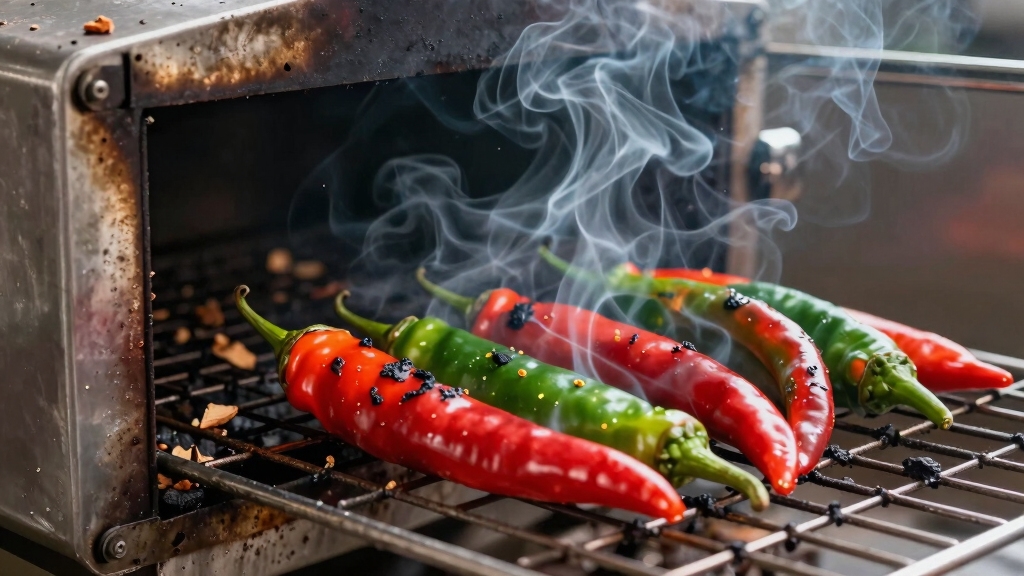
To smoke chili peppers, pick firm, unblemished ones and wash them thoroughly using gloves. Set up your smoker with hardwood like apple or pecan and maintain a low temperature around 160°F for 3–5 hours to infuse gentle smokiness.
Place peppers spaced in a single layer, flipping occasionally for even smoke. After smoking, dry them fully to prevent mold before storing in airtight containers. To master flavor and storage, keep exploring expert tips and detailed techniques.
Key Takeaways
- Select firm, unblemished chili peppers, wash thoroughly, and dry completely before smoking to ensure optimal flavor absorption.
- Use hardwoods like pecan, apple, or oak for clean smoke and maintain a low smoking temperature around 160°F for 3–5 hours.
- Arrange peppers in a single layer with air circulation, flip periodically, and keep smoke thin and steady to avoid bitterness.
- After smoking, dehydrate peppers at 135°F until leathery and pliable to preserve smoky flavor and extend shelf life.
- Store fully dried smoked peppers in airtight containers in a cool, dark place below 40°F to maintain flavor and prevent spoilage.
Choosing and Preparing Chili Peppers for Smoking

Start by selecting firm chili peppers that show no signs of bruising or insect damage to guarantee quality and safety during smoking.
Choose firm, unblemished chili peppers for the best quality and safety when smoking.
Wash your peppers thoroughly under cold water, then put on food-grade gloves and eye protection to prevent irritation.
For sweet peppers like paprika, trim off the stems, slice them open lengthwise, and remove the seeds and ribs to reduce bitterness.
If you’re working with hot peppers, you can optionally remove the top stem but retain the ribs and seeds, as they carry much of the capsaicin and contribute heat.
After washing, pat the peppers dry completely or let them air dry; moisture can hinder the smoking process and lead to uneven flavor infusion.
Proper preparation secures a clean, flavorful result during smoking.
For optimal smoke absorption and flavor development, smoke your peppers at low temperatures to allow the smoke to penetrate evenly without burning.
Setting Up Your Smoker and Wood for Smoking Peppers
To really nail that smoky flavor, you’ll want to go for hardwoods like pecan or some tasty fruitwoods.
They complement the heat of your chili without taking over the show.
When you’re setting up your smoker, start by arranging your soaked wood chunks or pellets.
This will help you create a steady, low smoke, whether you’re using charcoal or gas.
Oak is another excellent choice because it burns slowly and imparts a balanced medium smoky taste.
Now, let’s talk about the peppers.
Place them on the top rack, making sure there’s enough space between them for air to circulate.
It’s super important to keep that temperature low and consistent throughout the smoking process.
Choosing Wood Types
Selecting the right wood type plays a crucial role in achieving the ideal smoky flavor for your chili peppers. You want to choose hardwoods that produce a clean, aromatic smoke without overpowering the peppers’ natural taste.
Fruitwoods like apple, cherry, and pecan offer mild, slightly sweet smoke that complements both sweet and hot peppers. Hickory and oak provide stronger, robust flavors, but use them sparingly to avoid bitterness.
Avoid softwoods like pine or cedar, which create unpleasant resinous smoke. Soak wood chunks or chips briefly to extend smoke time and prevent quick burning.
If you’re using pellets, pick those made from pure hardwood for consistent flavor. Balancing wood intensity guarantees your peppers absorb a rich, nuanced smokiness without masking their unique heat and aroma.
For a balanced smoke, consider using hickory as a base wood with a small amount of mesquite as an accent, since blending mesquite with milder woods helps prevent overwhelming flavors.
Preparing Smoker Setup
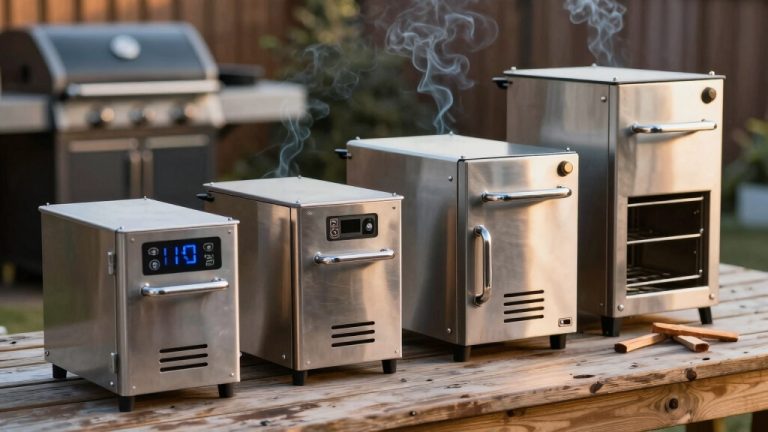
Once you’ve chosen the ideal wood chips or chunks, setting up your smoker correctly is essential for maintaining consistent low heat and steady smoke flow.
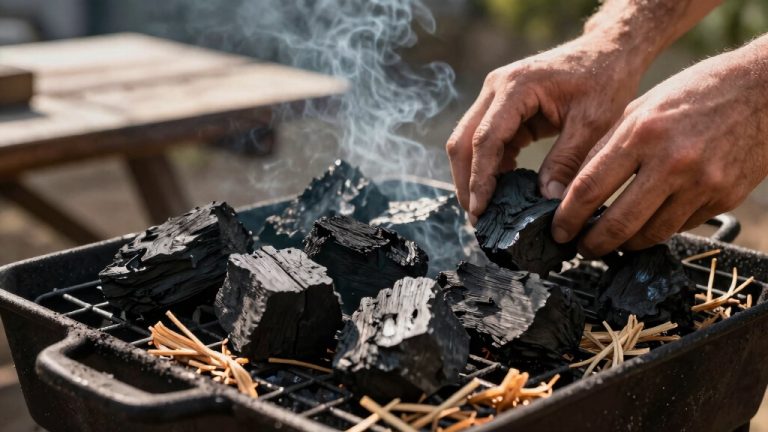
Start by lighting a small chimney of charcoal to assure even heat distribution. Place 3 to 6 wood chunks, preferably soaked for 30 minutes to reduce flare-ups, directly on the hot coals or in your smoker’s wood tray.
Arrange your peppers on the highest rack or in a single layer with ample air space to allow smoke circulation. Monitor the smoker closely, maintaining temperatures between 160°F and 240°F depending on your smoking duration.
Keep the smoke thin and steady by adjusting airflow vents. Replenish charcoal or wood chips every 20 to 40 minutes to sustain a clean, flavorful smoke without overheating the peppers.
In colder weather, consider using smoker insulation to maintain stable temperatures and reduce fuel consumption during the smoking process.
Smoking Chili Peppers: Temperature and Timing Tips
When smoking chili peppers, maintaining the right temperature and timing is vital to infuse the perfect smoky flavor without overcooking or drying them out prematurely.
Aim for a low heat of about 160°F, smoking your peppers for 3 to 5 hours for a gentle infusion. Alternatively, you can increase the temperature to 230-240°F and smoke for 2 to 4 hours if you’re short on time.
Smoke peppers low and slow at 160°F for 3-5 hours or faster at 230-240°F for 2-4 hours.
Keep peppers spaced in a single layer and flip them periodically to guarantee even smoke exposure. Monitor the heat closely, adding charcoal or wood chunks as needed to maintain consistent smoke without raising the temperature too high.
Once the peppers have absorbed enough smoky aroma, transfer them immediately to prevent further cooking or drying.
Using seasoned hardwoods like apple or cherry can enhance the smoky flavor while preventing overpowering bitterness.
Drying and Dehydrating Smoked Peppers
Drying and dehydrating smoked peppers is essential to preserve their smoky flavor and extend shelf life while preparing them for grinding or storage.
Once smoked, spread peppers in a single layer and use a dehydrator set to 135°F for 12 to 72 hours, checking periodically for a leathery to brittle texture.
Alternatively, dry them in an oven at the lowest setting (140-170°F) with the door slightly open for 12 to 24 hours.
Sun drying on a windowsill works too but requires weeks and frequent turning.
Your goal is to remove moisture until peppers snap when bent, not just feel leathery.
Properly dried peppers store longer and grind easier, so make certain they’re fully dehydrated before packaging in airtight containers labeled with variety and date.
For best results and to prevent mold, ensure the environment is well-ventilated during the drying process, as proper ventilation helps reduce humidity and moisture buildup.
How to Tell When Your Smoked Peppers Are Done?
Although smoking times can vary, you’ll know your peppers are done when they develop a deep smoky aroma and a leathery texture without becoming brittle.
Peppers are done smoking when they emit a rich smoky aroma and feel leathery but not brittle.
Check them by gently pressing; they should feel pliable yet dry to the touch. Avoid overcooking, which makes peppers brittle and overly dry, losing flavor and texture.
Visually, their skin darkens evenly, sometimes with slight wrinkling but no burnt spots. If you flip the peppers periodically during smoking, both sides should show consistent color and firmness.
The smoky scent should be pronounced but not acrid. Once the peppers reach this stage, promptly remove them from the smoker to prevent further drying.
This balance guarantees peppers retain moisture for later dehydration or immediate use, maximizing smoky flavor and culinary versatility.
For optimal results, maintain consistent heat and airflow similar to hot smoking methods used for fish to ensure even smoke penetration and avoid drying out the peppers.
Storing and Packaging Smoked Peppers Safely
Once your smoked peppers reach the ideal leathery texture and smoky aroma, proper storage and packaging become key to preserving their flavor and quality.
First, make certain peppers are completely dry or at least brittle before packaging to prevent mold growth. Break them apart if needed, and use airtight containers like mason jars or heavy-duty Ziploc bags to lock in freshness.
Label each container with the pepper variety, smoking status, and date for easy identification. Store the containers in a cool, dark place away from moisture and direct sunlight to maintain potency.
If peppers feel bendy or moist, dry them further before sealing. Properly stored, your smoked peppers can last several months, ready for grinding or cooking without losing their smoky essence.
For best preservation, keep the storage temperature at or below 40°F (4°C) to minimize microbial growth and maintain quality.
Using Smoked Peppers: Recipes and Rehydration Tips
When you want to bring smoked peppers back to life, rehydrating them is a simple yet effective method that releases their deep smoky flavor and tender texture.
Simmer the dried smoked peppers in broth or water for about 20 minutes until soft. This process enhances their complexity, making them perfect for sauces like adobo or pasta dishes.
You can also chop rehydrated peppers into salsas or stews for added depth. If left semidried, use them paired with sauces to balance smokiness and heat.
Alternatively, grind fully dried smoked peppers into spice rubs to season meats or vegetables.
For optimal flavor balance, controlling the level of smokiness during the smoking process is essential to avoid bitterness and ensure a tender texture, similar to smoking eggplants with consistent temperature control.
Frequently Asked Questions
Can I Smoke Chili Peppers Indoors Safely?
You can smoke chili peppers indoors, but you’ll need proper ventilation to handle the smoke and potent capsaicin oils.
Use an electric smoker or stovetop smoker designed for indoor use, and keep windows open or use exhaust fans to avoid lingering smoke and irritation.
Avoid open flames or charcoal indoors to prevent fire hazards.
Always wear gloves and eye protection, as the smoky capsaicin can cause discomfort while handling the peppers.
How Does Smoking Affect the Heat Level of Peppers?
Smoking peppers is like adding a smoky whisper to their fiery voice.
It doesn’t drastically change the heat level but enhances the flavor complexity.
The capsaicin, which gives peppers their heat, remains mostly intact during smoking.
You might notice a slightly mellowed heat because the smoky compounds balance the sharpness, but the spiciness itself stays true.
What Types of Wood Create the Best Smoke Flavor?
You’ll want to use hardwoods like pecan, hickory, or oak to create the best smoke flavor for your chili peppers.
These woods produce a rich, balanced smoke that complements the peppers without overpowering them.
Fruit woods such as apple or cherry add a mild, sweet note, enhancing the complexity.
Avoid softwoods, which release resin and bitterness.
For consistent heat and aroma, soak wood chunks before adding them to your charcoal or smoker.
Can I Freeze Smoked Chili Peppers for Longer Storage?
Absolutely, you can freeze smoked chili peppers for longer storage, much like how knights preserved their feasts in ice cellars.
First, make sure your peppers are fully dried to avoid freezer burn.
Place them in airtight freezer bags or containers, removing as much air as possible.
Label with the date.
When you want to use them, thaw slowly in the fridge to preserve flavor and texture.
Freezing keeps their smoky kick intact for months.
Are There Health Benefits to Smoked Chili Peppers?
Yes, you’ll find health benefits in smoked chili peppers. They retain capsaicin, which boosts metabolism, reduces inflammation, and may relieve pain.
Smoking adds antioxidants that protect your cells from damage. Plus, the smoky flavor encourages you to use less salt or sugar in dishes, promoting healthier eating.
Just remember, the smoking process doesn’t strip vitamins like C and A entirely, so you still get nutritional value along with that rich, smoky taste.
Experiment with Recipes to Elevate Every Dish
Now that you’ve mastered the art of smoking chili peppers, you hold the key to unleashing smoky, fiery flavors that dance on your tongue like a blazing sunset.
By carefully choosing, smoking, drying, and storing your peppers, you guarantee each bite bursts with intense, rich heat.
Keep experimenting with recipes and rehydration to awaken their full potential. Your smoked peppers aren’t just ingredients; they’re tiny smoky treasures ready to elevate every dish.