Chicken Fried Venison Backstrap: Juicy, Crunchy Perfection
To make chicken fried venison backstrap, start by trimming and tenderizing the meat. Then marinate it in buttermilk for several hours to guarantee juiciness and flavor.Coat the slices in a seasoned flour and egg wash for a crispy crust.
Fry them in hot oil until golden and tender. Serve with classic milk gravy and your favorite sides for a mouthwatering meal.
Keep going to uncover tips for perfect seasoning and frying.
Key Takeaways
- Trim and pound venison backstrap to 1/4-inch thickness for tender, even cooking and better flour adhesion before marinating.
- Marinate backstrap in buttermilk 6–8 hours at ≤40°F to tenderize and add moisture without overpowering flavor.
- Season flour with salt, pepper, garlic powder, and optional spices; dip meat in egg-milk wash before dredging for a crispy crust.
- Fry backstrap slices in 350°F oil, ½ to 1 inch deep, 1–4 minutes per side, in small batches to maintain oil temperature.
- Use reserved frying drippings to make milk gravy; serve with mashed potatoes, green beans, or cornbread for classic southern sides.
Recipe at a Glance: Crispy Venison Backstrap
| Ingredients / Tools | Steps & Actions |
|---|---|
| Venison backstrap (sliced) | Trim all silver skin, then cut into ½–¾ inch medallions for even cooking |
| Meat mallet or tenderizer | Gently pound venison to tenderize without tearing the meat |
| Buttermilk | Soak venison for 30 minutes to 2 hours to enhance tenderness and flavor |
| All-purpose flour | Create the crispy coating base |
| Salt, black pepper, garlic powder | Season flour generously for bold, savory flavor |
| Eggs | Whisk eggs to help the coating adhere perfectly |
| Cast iron skillet | Heat skillet over medium-high heat for even frying |
| Cooking oil (vegetable or peanut) | Add oil until ½ inch deep, hot but not smoking |
| Dredging bowls | Coat venison in flour → egg → flour for maximum crunch |
| Frying tongs | Carefully place venison into hot oil to avoid splashing |
| Paper towels or wire rack | Drain excess oil to keep the crust crispy, not greasy |
| Instant-read thermometer (optional) | Remove venison at 140–145°F for juicy results |
How to Prepare Venison Backstrap for Chicken Frying?

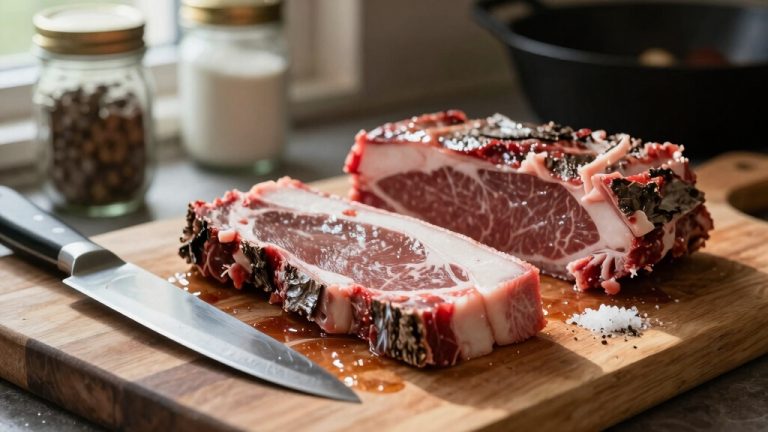
Start by trimming all the fat and connective tissue from the venison backstrap to guarantee tender, even cooking. Once cleaned, slice the backstrap into 1/4-inch thick pieces.
This thickness guarantees each cut fries quickly and evenly. Next, gently pound each slice with a meat tenderizing mallet until it remains about 1/4-inch thick, breaking down muscle fibers for a softer bite.
After pounding, season generously with salt and pepper to enhance the natural flavors. Avoid adding any marinade now, as that’s covered later. For best results, consider mechanical tenderizing before marinating to improve tenderness and flavor absorption.
Marinating to Tenderize Venison Backstrap
To get that venison backstrap just right, you’ll want to soak it in buttermilk. Aim for at least two hours, but if you have the time, letting it sit overnight is even better. This helps break down those tough fibers and keeps the meat nice and moist.
Oh, and don’t forget the seasoning! After you pound the meat thin, be sure to salt and pepper it generously. This way, the seasoning really sticks but won’t pull too much moisture out during the marinating process.
Trust me, this little trick makes a big difference in keeping your chicken fried venison tender and bursting with flavor in every bite! Using marinating also enhances moisture retention and flavor, making the meat juicier and more delicious.
Benefits Of Buttermilk
Frequently, marinating venison backstrap in buttermilk transforms its naturally lean and sometimes tough texture into a tender, juicy delight.
Buttermilk’s mild acidity gently breaks down the muscle fibers, making the meat softer without overpowering its rich, gamey flavor.
This natural tenderizer also helps the meat retain moisture, preventing dryness during frying.
When you soak your backstrap in buttermilk, you’re infusing it with subtle tanginess that complements the savory seasoning later on.
Plus, the proteins in buttermilk create a light coating on the meat’s surface, helping the breading stick better for a crispy, golden crust.
Using buttermilk isn’t just tradition; it’s a smart, effective way to enhance both texture and taste, elevating your chicken fried venison backstrap to mouthwatering perfection.
For best results when reheating leftovers, ensure the internal temperature reaches 165°F (74°C) to maintain safety and quality.
Optimal Marinating Duration
Marinating your venison backstrap in buttermilk releases its tender potential, but knowing how long to soak it makes all the difference. Too short, and the meat stays tough; too long, and the texture breaks down excessively.
Aim for a balance that softens the fibers while keeping that firm, juicy bite.
| Marinating Time | Texture Outcome | Flavor Impact |
|---|---|---|
| 2 hours | Slightly tender | Mild buttermilk tang |
| 6-8 hours | Tender, juicy | Enhanced richness |
| Overnight (12h+) | Very tender, soft | Deep buttermilk flavor |
Plan ahead and let the buttermilk work its magic between 6 to 8 hours for peak tenderness without losing the meat’s character. Always remember to marinate at cold temperatures (≤40°F) to ensure food safety and optimal flavor absorption.
Salt And Pepper Timing
- Trim fat and connective tissue before seasoning.
- Pound to 1/4-inch thickness for even tenderizing.
- Marinate in buttermilk for 2 hours to overnight.
- Salt and pepper after pounding, before breading.
- Don’t salt too early to avoid drying out the backstrap.
- Allowing the meat to rest after marinating helps with moisture redistribution and enhances tenderness.
How to Make a Crispy Breading Mix for Venison Backstrap?
To get that irresistible crispy crust on your venison backstrap, you’ll want to start with a solid breading mix. A good balance is key here, so combine all-purpose flour with salt, pepper, and some garlic powder. That’s a great base!
Now, if you’re feeling adventurous, why not experiment with some spice blends? Adding things like paprika, coriander, or even Cajun seasoning can really give your breading that unique kick. Tailor it to your taste; it’s all about what you enjoy.
Also, don’t forget the technique! Mastering the perfect coating means you need to dredge the meat evenly. This way, every bite will deliver that satisfying crunch and flavor without any sogginess. Trust me, it makes a big difference!
For an authentic Cajun touch with balanced heat and umami, consider incorporating Slap Ya Mama seasoning into your breading mix.
Essential Breading Ingredients
When you’re aiming for that perfect crispy coating on your venison backstrap, the breading ingredients play a crucial role in texture and flavor.
You’ll want a balance of dry and wet components to make sure the coating sticks well and fries up golden and crunchy. Start with all-purpose flour as your base; it creates that classic crispiness.
Next, season it thoughtfully to boost flavor without overpowering the venison’s natural taste.
Here’s what you’ll need:
- All-purpose flour for the crunchy crust
- Salt, black pepper, and garlic powder for essential seasoning
- Eggs combined with milk or half-and-half to bind the flour
- Buttermilk soak to tenderize and add moisture
- Optional spices like paprika or onion powder to enhance aroma
These essentials guarantee a crispy, flavorful breading every time. For best adhesion and flavor penetration, pat the meat dry before applying the breading mixture.
Spice Blend Variations
Although the basic flour and seasoning mix provides a solid foundation, customizing your spice blend can transform your venison backstrap into a flavor-packed masterpiece.
You can experiment with different spices to add warmth, smokiness, or even a bit of heat that complements the rich gamey flavor.
Try combining classic and bold seasonings for a unique crispy coating.
| Spice Blend | Flavor Profile |
|---|---|
| Paprika & Garlic | Smoky and savory |
| Cajun Seasoning | Spicy and bold |
| Curry Powder | Warm and aromatic |
| Coriander & Onion | Citrusy and sweet |
| Seasoned Salt Mix | Balanced and versatile |
Mix these with your flour, and you’ll elevate your chicken fried venison backstrap to irresistible crunchy perfection. Adding a crispy coating with well-chosen spices not only enhances flavor but also creates a satisfying texture.
Achieving Perfect Coating
Mastering the art of a crispy coating starts with choosing the right flour and seasoning combination that clings perfectly to your tenderized venison backstrap.
You want a breading mix that crisps up golden brown while locking in moisture. Start with all-purpose flour as your base, then add salt, black pepper, and garlic powder for essential flavor.
Don’t hesitate to experiment with spices like paprika or Cajun for a kick. The key is a well-balanced, dry seasoning mix that adheres without clumping.
To achieve this:
Use a buttermilk soak to tenderize and help the flour stick.
Mix in dry spices thoroughly with the flour.
Dip backstrap in an egg-milk wash before flouring.
Press the flour mixture firmly onto meat.
Shake off excess to avoid sogginess.
This approach guarantees a crisp, flavorful crust every time. Additionally, maintaining proper temperature control during cooking ensures the coating crisps evenly without burning.
How to Fry Venison Backstrap Perfectly?
Since venison backstrap is lean and delicate, frying it perfectly requires careful attention to temperature and timing to achieve a golden, crispy crust without drying out the meat.
Frying venison backstrap demands precise heat and timing for a crispy crust and tender interior.
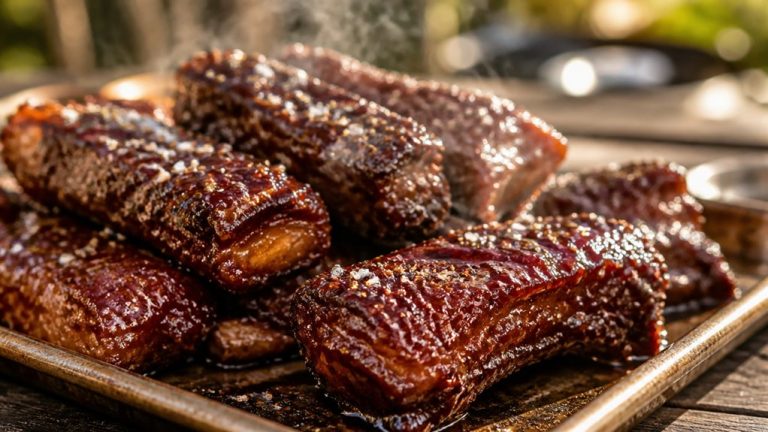
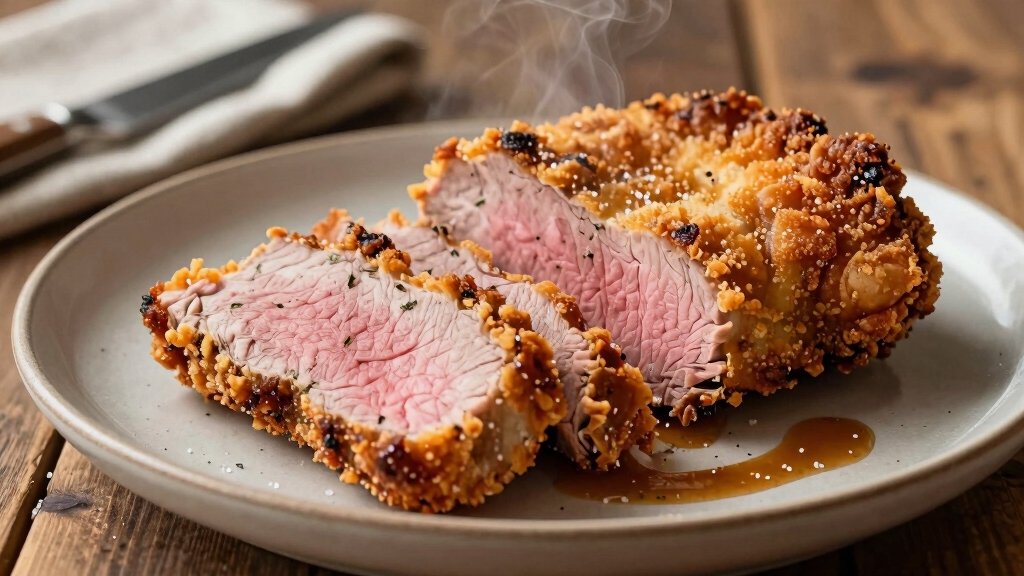
Heat your oil to a steady 350°F in a cast iron skillet, using about ½ to 1 inch depth. Fry the backstrap slices for 1 to 4 minutes per side, depending on thickness, until they develop a rich, crispy exterior.
Cook in small batches, two to three at a time, to keep the oil temperature consistent. Once fried, transfer the meat to paper towels to drain excess oil, preserving that perfect crunch.
This method locks in juiciness while delivering a beautifully crisp, flavorful coating every time. To maintain your skillet’s performance and ensure longevity, always dry your cast iron thoroughly after cleaning before storing it.
Classic Milk Gravy for Fried Venison Backstrap
Once you’ve achieved that perfect golden crust on your fried venison backstrap, it’s time to enhance the dish with a rich, creamy milk gravy.
Start by reserving about 4 tablespoons of the flavorful frying grease and any flour crumbs left in the skillet.
Brown 4 tablespoons of flour in the grease, stirring constantly for 4-5 minutes until it turns a nutty golden brown.
Gradually whisk in 3 cups of cold milk, simmering for 5-10 minutes until the gravy thickens enough to coat the back of a spoon.
Season with salt and pepper to taste, then pour generously over your fried backstrap for a classic Southern finish.
- Use reserved drippings for deep flavor
- Brown flour to develop a rich roux
- Whisk cold milk slowly to avoid lumps
- Simmer until velvety smooth thickness
- Serve immediately to preserve creaminess
Flavor Variations and Spice Blends for Chicken Fried Venison
Although the classic seasoning blend works wonders, experimenting with different spice combinations can elevate your chicken fried venison to new flavor heights.
Try adding smoked paprika for a subtle smoky warmth or a pinch of cayenne to bring a lively kick. Incorporating ground coriander or cumin introduces earthy, aromatic layers, while curry powder adds exotic complexity.
For a Southern twist, Cajun seasoning or seasoned salt blends can infuse bold, spicy notes that complement venison’s rich taste. Don’t forget garlic and onion powders—they deepen flavor without overpowering.
Mix these spices into your flour dredge, or even sprinkle some into the buttermilk marinade for maximum impact. By adjusting your spice profile, you tailor this dish to your taste, making every bite uniquely memorable.
Serving Suggestions and Side Dishes for Venison Backstrap

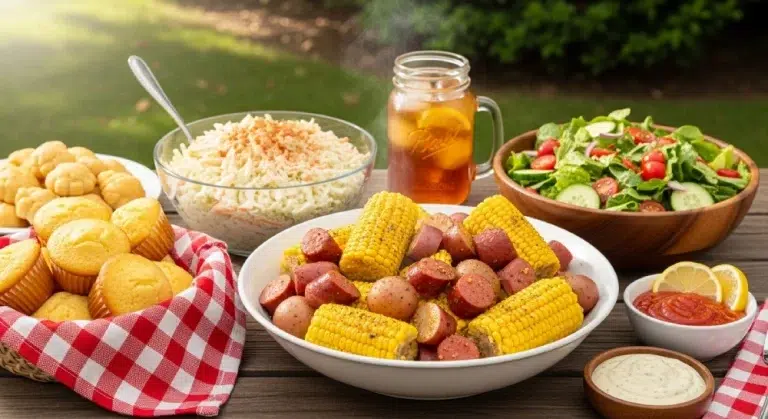
When plating your chicken fried venison backstrap, pairing it with complementary sides enhances both flavor and texture, creating a well-rounded meal. You want sides that balance the rich, crispy meat with freshness, creaminess, or a touch of acidity.
Pair your chicken fried venison backstrap with sides that balance its rich, crispy flavor and add freshness or creaminess.
Classic comfort foods or bright vegetable dishes work perfectly to elevate the experience. Consider these tasty accompaniments:
- Creamy mashed potatoes with country gravy for that classic southern vibe.
- Steamed green beans tossed in garlic butter for a fresh, crisp contrast.
- Tangy coleslaw to cut through the richness with a revitalizing crunch.
- Roasted root vegetables, like carrots and parsnips, adding earthy sweetness.
- Buttery cornbread to soak up any leftover gravy or juices.
Each side adds a unique layer, making every bite satisfying and memorable.
Frequently Asked Questions
Can I Use a Different Cut of Venison for Chicken Frying?
Absolutely, you can use different venison cuts for chicken frying. In fact, many cooks prefer top round, sirloin, or hindquarters as alternatives.
These cuts, when properly tenderized and marinated, can be just as juicy and flavorful. Remember to slice thin, pound evenly, and soak in buttermilk or milk-egg mix for tenderness.
This flexibility lets you enjoy that crispy, golden crust with whatever venison you have on hand.
How Long Can Cooked Venison Backstrap Be Safely Refrigerated?
You can safely refrigerate cooked venison backstrap for 3 to 4 days.
Make sure to store it in an airtight container or wrap it tightly with aluminum foil or plastic wrap to keep moisture and bacteria out.
Cool it to room temperature within two hours after cooking, then pop it in the fridge.
When reheating, heat it thoroughly to 165°F to enjoy it safely and deliciously without risking spoilage.
What Oil Is Best for Frying Venison Backstrap?
Think of oil as the stage where your venison backstrap shines. Canola or vegetable oil works best, offering a neutral flavor and a high smoke point to keep things sizzling without burning.
You can also mix in lard or shortening for a richer, golden crust that’s crisp like autumn leaves underfoot. Keep your oil steady at 350°F to create that perfect, mouthwatering sear that locks in juicy tenderness.
Can I Freeze Marinated Venison Backstrap Before Cooking?
Yes, you can freeze marinated venison backstrap before cooking. Just make sure to marinate it in buttermilk for up to 2 hours, then place it in an airtight freezer bag or container.
Freeze promptly to keep flavors locked in and tenderization effective. When ready, thaw it slowly in the fridge overnight before breading and frying.
This helps maintain juiciness and texture for a delicious meal.
Is It Possible to Bake Instead of Fry Venison Backstrap?
Yes, you can bake venison backstrap instead of frying, but it won’t get as crispy. Baking at 400°F for about 15-20 minutes works well, flipping halfway through to cook evenly.
To maintain tenderness, marinate first and coat with seasoned flour or breadcrumbs. While baking is healthier and less messy, frying locks in juiciness and creates that signature golden crust you might miss when baking.
Turn Wild Game Into Comfort Food With Venison Backstrap
Now, imagine sinking your teeth into golden, crispy chicken-fried venison backstrap, its tender, juicy inside bursting with rich, savory flavor.
The warm milk gravy drizzled over each bite adds a creamy finish that comforts your soul. With every crunch and tender chew, you’ll savor the perfect blend of wild game and Southern comfort. Give this recipe a try; you’ll turn simple venison into a mouthwatering feast that’s impossible to resist.