How Hot Does a Traeger Get: Control Your Temps
Your Traeger grill typically heats up to around 425°F to 450°F on high. Some models like the Pro 780 reach up to 500°F for more intense searing. Smoke settings usually range between 165°F and 200°F for deep flavor development.
Weather, fuel quality, and grill maintenance affect temperature stability. You’ll find the controller keeps temps steady by adjusting pellets and airflow. Keep exploring, and you’ll uncover tips for perfect heat management and troubleshooting.
Key Takeaways
- Most Traeger models reach a maximum temperature between 425°F and 500°F, suitable for searing and grilling.
- The Pro 34 model maxes out around 450°F, while the Pro 780 can reach up to 500°F for higher heat.
- Traeger’s Smoke setting typically holds between 165°F and 200°F for optimal smoke flavor during low-and-slow cooking.
- The temperature controller maintains set temps within ±15°F by adjusting pellet feed and fan speed.
- Environmental factors like cold weather and wind can reduce maximum heat and cause temperature fluctuations.
How Hot Does a Traeger Grill Get at High Settings?

When you set your Traeger grill to a high temperature, you can expect it to reach between 425°F and 450°F under ideal conditions on most models, like the Pro 34.
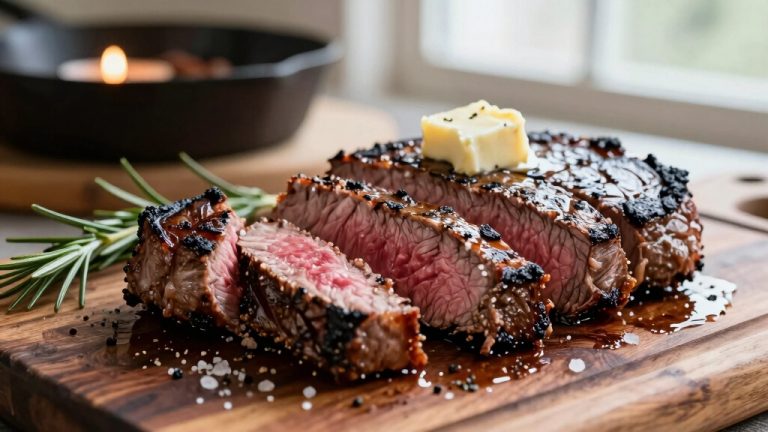
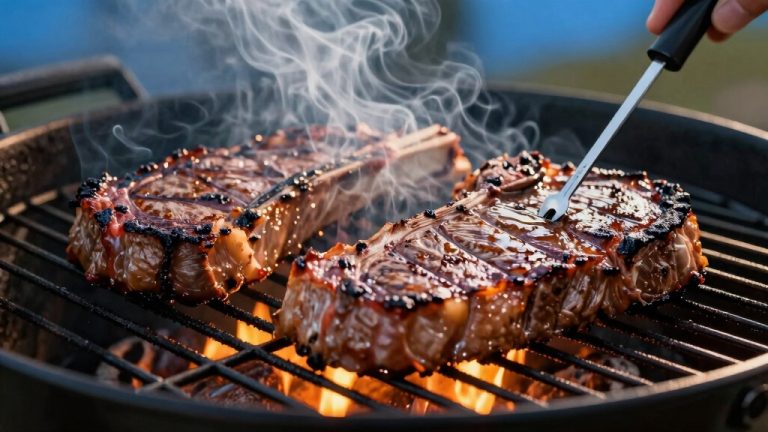
This range provides ample heat for searing and grilling, delivering a nice crust on your meats.
Keep in mind, external factors such as ambient temperature, wind, and grill maintenance can affect the actual heat.
The grill’s controller actively monitors and adjusts heat every minute, maintaining the temperature within about ±15°F.
Ensuring your pellet hopper is full and your fire pot is clean helps sustain consistent high heat.
While the Pro 34 maxes around 450°F, some models can surpass this, but 425°F-450°F remains standard for effective high-heat cooking on most Traegers.
For optimal results, maintaining proper combustion control is essential to achieve a steady flame and temperature.
What Are the Temperature Differences Between Traeger Models?
When you’re picking a Traeger model, it’s really important to understand the temperature ranges because they can make a big difference in your cooking experience.
For instance, the Pro 34 can reach a maximum temperature of around 450°F. That’s perfect for most grilling and smoking tasks you might want to tackle.
Now, if you’re looking for something with a bit more heat, the Pro 780 takes it up a notch, reaching up to 500°F. This extra heat is fantastic for those moments when you want to achieve a nice sear on your meats.
And let’s not forget about the smoke settings! Most models have smoke settings that start between 165°F and 180°F. This range is great for low-and-slow cooks, allowing you to infuse your food with that rich, smoky flavor we all love. So, it really depends on what you’re looking to make!
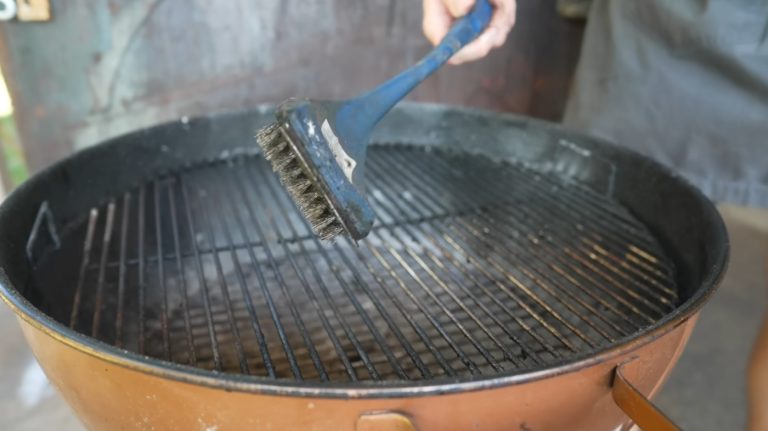
To keep your Traeger performing well, regular cleaning and maintenance, including interior surface cleaning, are essential to prevent buildup and ensure consistent temperature control.
Temperature Ranges Per Model
Although Traeger grills share similar features, their temperature ranges vary markedly between models, affecting how you cook different dishes.
You’ll find the Pro 34 offers a range from 180°F for smoking to 450°F for searing, suitable for versatile cooking. The Pro 780 extends this range, starting at 165°F and reaching 500°F, ideal if you want a hotter sear.
AC models typically reach up to 450°F, with some variation due to environmental factors.
| Model | Temperature Range (°F) |
|---|---|
| Pro 34 | 180 – 450 |
| Pro 780 | 165 – 500 |
| AC Grills | 150 – 450 |
Knowing these ranges helps you select the right model to match your cooking style. Proper temperature control is also essential when seasoning a new smoker to ensure even curing and protect metal surfaces.
Max Heat Capacities
Understanding the maximum heat capacities of Traeger grills helps you choose the right model for your cooking needs, especially if you want to sear, roast, or maintain low-and-slow smoking temperatures.
The Pro 34 maxes out at about 450°F, which is excellent for most searing and roasting tasks. If you need higher heat, the Pro 780 reaches up to 500°F, providing more flexibility for optimal searing.
Both models handle low temps around 165°F to 180°F, perfect for smoking.
- Pro 34: 180°F low to 450°F max for versatile cooking
- Pro 780: 165°F low to 500°F max for high-heat searing
- Consistent temperature control varies ±15°F, influenced by weather and maintenance
Knowing these differences ensures you pick the best Traeger for your style.
Additionally, when using these grills in cold weather, proper insulation and wind protection can help maintain consistent temperatures and reduce fuel consumption, which is critical for effective smoking in chilly conditions.
This is especially important because cold weather can cause heat loss and temperature fluctuations that impact cooking performance.
Why Does Traeger’s High Heat Max Out at 450–500°F?
Since Traeger grills rely on wood pellets and controlled combustion, their high heat settings naturally max out between 450°F and 500°F to balance efficient fuel use with consistent temperature control.
You’ll find that pushing beyond this range risks uneven heat and wasted pellets because the fire pot can’t maintain stable airflow at higher intensities.
The pellet feed rate and the grill’s automated controller work together to sustain a steady burn, preventing temperature spikes that could damage food or hardware.
Also, Traeger designs prioritize convection cooking and smoke flavor, which thrive best below extreme searing temperatures.
Using compressed sawdust cylinders like wood pellets allows for steadier heat and longer smoke duration compared to traditional wood chips.
How Does Weather Affect Traeger Grill Temperature?
When you fire up your Traeger grill on a cold or windy day, you’ll notice it takes longer to reach and maintain your desired temperature. This is because external weather conditions directly influence heat retention and airflow.
Cold and wind extend preheat times by affecting your Traeger’s heat retention and airflow stability.
Cold air saps heat from the grill’s interior while wind increases heat loss, challenging the grill’s ability to stabilize temperatures. You might see fluctuations even with the controller’s ±15°F tolerance.
Consider these weather effects on your Traeger:
- Cold weather demands more fuel and longer preheat times to reach high temps.
- Wind disrupts the convection airflow, causing temperature dips and uneven cooking.
- Humidity can slightly alter pellet combustion efficiency, impacting heat output.
Adjusting your cooking time and monitoring temps closely helps you adapt to these weather challenges. Keep your pellets dry and protected with waterproof covers to maintain consistent heat and smoke quality in wet conditions.
How Does Traeger Keep Temperatures Steady?
Traeger keeps temperatures steady by constantly monitoring and adjusting the heat output through its advanced controller system.
Every 60 seconds, the controller checks the internal temperature via an RTD sensor, then modulates pellet feed and fan speed to maintain your set temperature within a ±15°F range.
You’ll notice that keeping the hopper full is vital since it guarantees a consistent pellet supply, which directly impacts heat stability.
Also, maintaining a clean RTD sensor and fire pot improves airflow, preventing temperature fluctuations.
External factors like weather can cause minor swings, but the controller compensates effectively. When you open the lid, expect brief changes, but the system quickly stabilizes. This precise regulation lets you focus on cooking without constantly adjusting the grill.
Because propane burns hotter than natural gas, understanding combustion temperature is essential when comparing heating methods.
What Temperature Range Does Traeger’s Smoke Setting Offer?
Understanding how Traeger maintains steady temperatures helps clarify what to expect from its Smoke setting.
When you set your Traeger to Smoke, it typically holds a range between 150°F and 200°F, with an official target around 165°F. This low and steady heat maximizes smoke production, infusing your food with rich flavor without overcooking.
You might notice slight fluctuations due to environmental conditions or lid openings, but the proprietary controller keeps temps within ±15°F.
Key points about the Smoke setting include: Effective smoke temperature range: 165°F to 225°F for deep flavor. Pro series models can start smoking as low as 180°F. Temperature stability depends on factors like hopper fuel and sensor cleanliness.
Maintaining a steady temperature within this range is crucial to promote caramelization and bark formation that enhance the flavor and texture of smoked meats. This range offers you consistent, flavorful smoking every time.
How to Use Traeger Heat Settings for Searing and Smoking?
Mastering the heat settings on your Traeger grill lets you easily switch between smoking low and slow and searing hot for a perfect finish.
Master your Traeger’s heat settings to effortlessly transition from slow smoking to perfect searing.
Start by using the smoke setting at around 165°F to 200°F for rich, deep flavors when smoking meats.
For searing, crank your Traeger to the HIGH setting, typically between 425°F and 450°F on models like the Pro 34 or up to 500°F on the Pro 780. This range creates a great crust and locks in juices.
Remember, high heat reduces smoke production, so sear quickly after smoking. You can also use the reverse sear method: smoke first at low temps, then finish with a high-heat sear.
Adjust your grill based on the model and external factors for consistent results. When smoking brisket on your Traeger, aim to pull it at around 203°F internal temperature for optimal tenderness and juiciness.
What Tips Help Maintain Consistent Heat on Your Traeger?
To keep your Traeger’s heat steady, it’s super important to keep an eye on the pellet hopper level. You want to ensure there’s always enough fuel to keep the fire burning and your food cooking evenly.
Also, don’t forget to clean the temperature sensor regularly. If it gets dirty, it can give you inaccurate readings, which might lead to those pesky temperature fluctuations.
For best results, consider using a calibrated temperature probe to monitor your grill’s true internal heat and maintain consistent cooking performance.
Monitor Pellet Hopper Level
Regularly checking your pellet hopper level is essential for maintaining consistent heat on your Traeger grill.
Without enough pellets, your grill can’t sustain the steady temperatures needed for optimal cooking, especially when aiming for high-heat searing up to 450°F or more. Running low causes the auger to work harder, risking temperature fluctuations and possible fuel starvation.
To keep your pellet hopper properly stocked:
- Refill pellets before they drop below a quarter full to avoid interruptions.
- Use dry, high-quality pellets to ensure smooth feeding and even burning.
- Store pellets in a cool, dry place to prevent moisture absorption, which can clog the auger and affect heat consistency.
Keep Temperature Sensor Clean
Consistently maintaining a clean temperature sensor is essential for your Traeger to deliver steady heat throughout the cooking process.
The sensor, often called the RTD, reads internal temperatures and feeds data to the controller, which adjusts pellet feeding and airflow.
If it gets coated with grease or ash, readings become inaccurate, causing temperature fluctuations and inconsistent cooking.
To keep it clean, wipe the sensor gently with a damp cloth after each use once the grill cools. Avoid harsh chemicals or abrasive tools that might damage it.
Regular cleaning guarantees your Traeger maintains its preset temperature within ±15°F, whether you’re smoking at low temps around 165°F or searing near 450°F.
This simple step prevents guesswork and keeps your cooking reliable every time.
How to Troubleshoot Common Traeger Temperature Issues?
Encountering temperature inconsistencies with your Traeger can disrupt your cooking plans, but understanding common causes helps you quickly restore ideal heat levels.
Temperature inconsistencies with your Traeger can disrupt cooking, but knowing the causes helps restore ideal heat quickly.
Start by checking the pellet hopper; if it’s running low, your grill won’t maintain steady heat. Next, inspect the temperature sensor. Dirt or grease can cause inaccurate readings, so clean it regularly.
Also, consider external factors like cold weather or frequent lid openings, which cause fluctuations.
To troubleshoot effectively:
- Make sure the hopper is full and pellets are dry for consistent fuel.
- Clean the RTD temperature sensor to avoid false temperature reports.
- Minimize lid openings during cooking to maintain stable internal heat.
Addressing these points will help you keep your Traeger cooking at the right temperature every time.
Frequently Asked Questions
Can Traeger Grills Reach Temperatures Suitable for Baking Desserts?
Yes, you can bake desserts on a Traeger grill.
It offers a versatile temperature range starting as low as 165°F, perfect for gentle baking, up to around 450°F for more intense cooking.
Its precise temperature control lets you maintain steady heat, essential for delicate desserts.
Just keep the lid closed to avoid temp fluctuations, and you’ll get consistent, even baking results similar to a traditional oven.
How Long Does It Take for a Traeger Grill to Reach Maximum Temperature?
Think of your Traeger warming up like a kettle gently coming to a boil.
It usually takes about 10 to 15 minutes to reach its peak temperature.
Factors like ambient weather, pellet quality, and grill cleanliness can slightly speed up or slow down this process.
By keeping your hopper full and lid closed, you guarantee the fire pot maintains steady airflow.
This helps your Traeger hit that perfect high-heat zone efficiently.
Do Traeger Grills Maintain Temperature During Power Outages?
Traeger grills don’t maintain temperature during power outages because they rely on electricity to power the auger, fan, and controller.
When the power goes out, the pellet feed and airflow stop, causing the fire to die down quickly.
You’ll need to restart the grill once power returns, and it’ll take time to reach your desired temperature again.
For longer outages, consider a backup generator to keep your grill running smoothly.
Are Traeger Grill Temperature Settings Affected by Altitude?
Altitude can throw a wrench in your Traeger’s temperature game, like a stubborn gust messing with a candle’s flame.
Higher elevations mean thinner air, which can lower your grill’s heat efficiency and cause slight temperature fluctuations.
You might notice your Traeger struggles to reach or maintain top temps.
To counter this, you’ll want to monitor temps closely, keep your hopper full, and clean your fire pot regularly for steady airflow and performance.
Can I Connect a Traeger Grill to a Smart Home System for Temperature Control?
Yes, you can connect your Traeger grill to a smart home system for temperature control if you have a model with WiFIRE technology, like the Pro 780 or newer.
This lets you monitor and adjust the temperature remotely via the Traeger app on your smartphone. While direct integration with platforms like Alexa or Google Home isn’t fully supported yet, you can use third-party tools or smart plugs to enhance control.
Keep Your Grill Hot and Your Meals Perfect
Now that you know how hot your Traeger can get and the factors that affect its performance, you’re ready to master your grill like a pro.
Remember, keeping your Traeger steady is the name of the game, whether you’re searing steaks or slow-smoking ribs. With these tips, you’ll avoid common pitfalls and keep your cooking on point.
When it comes to Traeger temperatures, don’t just wing it; precision makes all the difference.